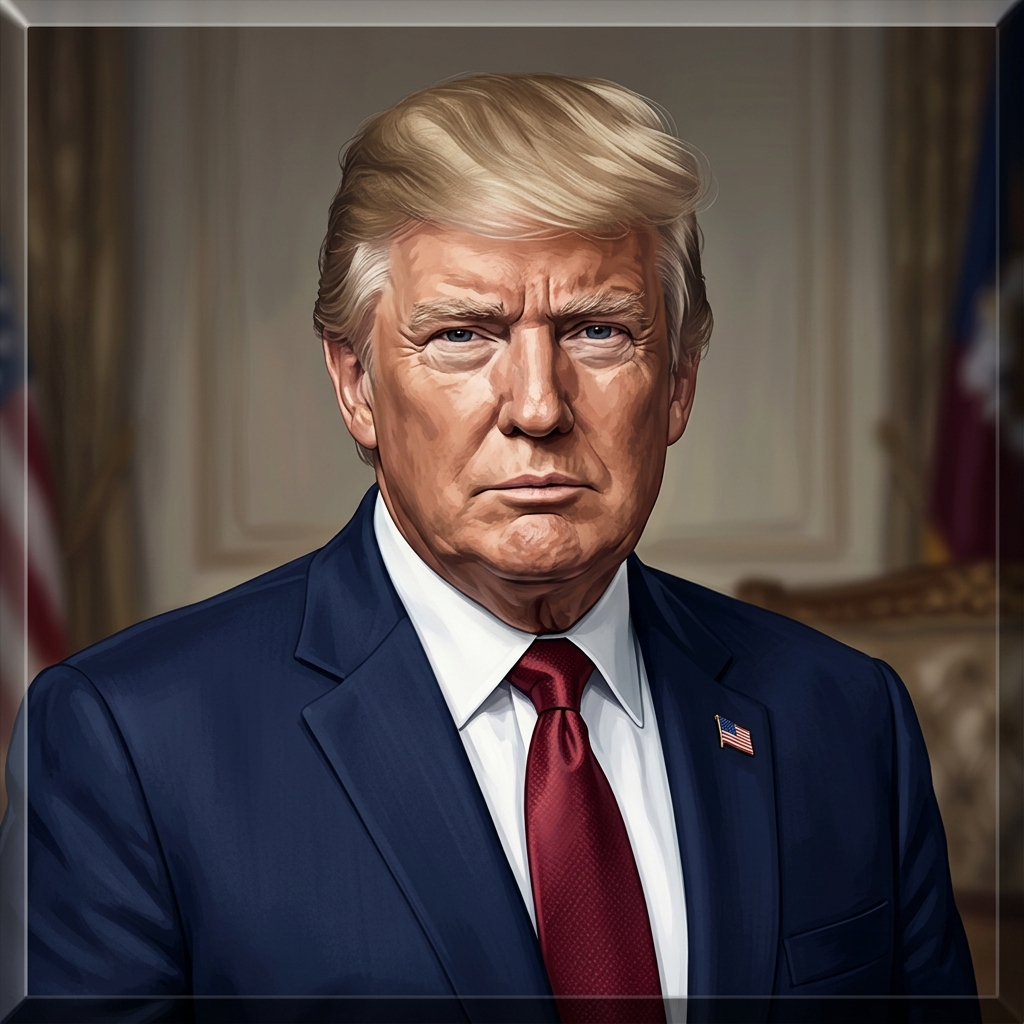
Trump
VS
News report source
?
No actors in this side.
No actors in this side.
President Donald Trump is the head of the executive branch of the U.S. government, whose administration conducts foreign policy and negotiates with other countries.
The news report source is a media outlet that published a report about U.S. policy toward Iran, citing information that the administration disputed.
The two sides are in conflict over the accuracy of the report.
The news outlet reported that the Trump administration had offered Iran sanctions relief and frozen funds, while President Trump rejected the report and denied that any such offer was made.
This disagreement reflects broader tensions between the Trump administration and the news media over reporting and the use of unnamed sources.
*AI-generated summary of publicly available data. This is not an official statement of any party.
*AI-generated summary of publicly available statements and reporting. This is not an official statement of this party.
Supporters of Trump argue that rejecting the report defends US sovereignty, insisting no sanctions relief or frozen funds were offered to Iran and that the press misrepresented the administration's stance.
Supporters of Trump argue that rejecting the report defends national credibility, insisting no sanctions relief or frozen funds were offered to Iran.
Supporters of Trump counter that the press is not a neutral cultural guardian but a partisan tribe with its own interests, and that voters—not journalists—hold the inherited right to check power.
Supporters of Trump argue the report lacks legal standing, since only the President's own statements define official policy; they maintain no documented offer exists to enforce.
Supporters of Trump argue that a news report alleging an offer of sanctions relief and frozen funds to Iran lacks legal basis, and they maintain that only the President's own statements—not anonymous sourcing—can establish what was officially authorized.
Supporters of Trump counter that a published record is not proof of accuracy, and that the report itself remains unverified without corroborating evidence.
Supporters of Trump argue that denying the report protects his leverage: admitting any offer to Iran would signal weakness and undercut his bargaining position, so the denial itself is the move.
Supporters of Trump argue that denying the reported offer protects his leverage: any admission would signal weakness to Tehran and undercut his bargaining position, so the denial itself is the move.
Supporters of Trump counter that the news report source, not Trump, holds the weaker hand: leaked claims of an offer serve the leakers' agenda, while Trump's silence keeps Tehran guessing and denies them a bargaining chip.
Supporters of Trump argue that rejecting unverified reporting is a moral duty, insisting a leader must not let anonymous leaks shape policy toward a hostile state, and they point to his public denial as proof he keeps faith with voters.
Supporters of Trump argue that a president denying a damaging report is defending the public's trust, a recurring pattern in history where leaders insist the record be corrected before policy is judged.
Supporters of Trump counter that leaking closed-door terms violates the trust diplomacy requires, and that the public's right to know does not extend to disclosures that sabotage the negotiating position before any deal exists.
Supporters of Trump argue that a leader's word is a sacred trust, and that rejecting a false report upholds the biblical command against bearing false witness, preserving the integrity of his office.
Supporters of Trump argue that his denial aligns with a moral duty to speak truthfully, and that bearing false witness against a leader's word violates scriptural commands against lying.
Supporters of Trump counter that Proverbs 26:24 warns of a deceitful enemy; they say shielding a hostile media narrative from a hostile regime is prudence, not a false witness against God.
*AI-generated summary of publicly available statements and reporting. This is not an official statement of this party.
Supporters of the news report argue that a free press serves as a cultural check on power, preserving the public's inherited right to hold leaders accountable through verified reporting.
Supporters of the news report argue that a free press serves as a cultural check on state power, preserving the public's inherited right to hold leaders accountable through verified reporting.
Supporters of the News report source counter that sovereignty claims ring hollow when inherited diplomatic norms and allied trust are discarded, arguing that stable alliances, not unilateral gestures, have long preserved the nation's standing.
Supporters of News report source maintain that a published report of a sanctions-relief offer stands as a documented journalistic record, and that Trump's denial, while notable, does not by itself establish the report was false.
Supporters of the news report source argue the administration's alleged offer of sanctions relief and frozen funds constitutes a binding diplomatic act, and that Trump's denial cannot retroactively negate it under international law.
Supporters of News report source counter that legal standing turns on documented conduct, not a President's self-serving characterization, and that the report's cited record supplies the enforceable evidence the claim denies.
Supporters of News report source argue that Trump's denial is itself a tactical concession: by refusing to confirm any offer, he preserves leverage and avoids appearing eager to deal with Tehran.
Supporters of the news report argue Trump's denial is tactical: admitting sanctions relief would expose a concession to Tehran, so he must publicly disown the offer while privately keeping it alive as leverage.
Supporters of the News report source counter that a denial only holds if the offer stays buried; once evidence surfaces, the reversal costs more leverage than the admission ever would.
Supporters of News report source argue that publishing the reported offer serves the public's moral right to know what terms are on the table, since sanctions relief and frozen funds carry lasting consequences for regional stability.
Supporters of the news report argue that a free press holds power accountable, so Trump's denial must be weighed against the duty to inform the public truthfully about dealings with Iran.
Supporters of News report source counter that dismissing verified reporting as fake erodes the public's moral right to informed consent, letting leaders hide actions from the very voters they claim to serve.
Supporters of the news report source argue that honest testimony matters before God, and that a leader denying a reported offer to Iran invites doubt about the nation's word and moral standing.
Supporters of the news report source argue that a free press serves a moral duty to hold power accountable, and that religious traditions honoring truth-telling require such claims be verified, not dismissed.
Supporters of News report source counter that Scripture also commands respect for truth and lawful authority, so dismissing a verified report risks bearing false witness against journalists and undermining the ordered, God-given institutions that restrain power.
AI-generated summary of publicly available statements and reporting. This is not an official statement of this party.
Supporters of Trump argue that rejecting the report defends US sovereignty, insisting no sanctions relief or frozen funds were offered to Iran and that the press misrepresented the administration's stance.
Supporters of Trump argue that rejecting the report defends national credibility, insisting no sanctions relief or frozen funds were offered to Iran.
Supporters of Trump counter that the press is not a neutral cultural guardian but a partisan tribe with its own interests, and that voters—not journalists—hold the inherited right to check power.
Supporters of Trump argue the report lacks legal standing, since only the President's own statements define official policy; they maintain no documented offer exists to enforce.
Supporters of Trump argue that a news report alleging an offer of sanctions relief and frozen funds to Iran lacks legal basis, and they maintain that only the President's own statements—not anonymous sourcing—can establish what was officially authorized.
Supporters of Trump counter that a published record is not proof of accuracy, and that the report itself remains unverified without corroborating evidence.
Supporters of Trump argue that denying the report protects his leverage: admitting any offer to Iran would signal weakness and undercut his bargaining position, so the denial itself is the move.
Supporters of Trump argue that denying the reported offer protects his leverage: any admission would signal weakness to Tehran and undercut his bargaining position, so the denial itself is the move.
Supporters of Trump counter that the news report source, not Trump, holds the weaker hand: leaked claims of an offer serve the leakers' agenda, while Trump's silence keeps Tehran guessing and denies them a bargaining chip.
Supporters of Trump argue that rejecting unverified reporting is a moral duty, insisting a leader must not let anonymous leaks shape policy toward a hostile state, and they point to his public denial as proof he keeps faith with voters.
Supporters of Trump argue that a president denying a damaging report is defending the public's trust, a recurring pattern in history where leaders insist the record be corrected before policy is judged.
Supporters of Trump counter that leaking closed-door terms violates the trust diplomacy requires, and that the public's right to know does not extend to disclosures that sabotage the negotiating position before any deal exists.
Supporters of Trump argue that a leader's word is a sacred trust, and that rejecting a false report upholds the biblical command against bearing false witness, preserving the integrity of his office.
Supporters of Trump argue that his denial aligns with a moral duty to speak truthfully, and that bearing false witness against a leader's word violates scriptural commands against lying.
Supporters of Trump counter that Proverbs 26:24 warns of a deceitful enemy; they say shielding a hostile media narrative from a hostile regime is prudence, not a false witness against God.
Supporters of the news report argue that a free press serves as a cultural check on power, preserving the public's inherited right to hold leaders accountable through verified reporting.
Supporters of the news report argue that a free press serves as a cultural check on state power, preserving the public's inherited right to hold leaders accountable through verified reporting.
Supporters of the News report source counter that sovereignty claims ring hollow when inherited diplomatic norms and allied trust are discarded, arguing that stable alliances, not unilateral gestures, have long preserved the nation's standing.
Supporters of News report source maintain that a published report of a sanctions-relief offer stands as a documented journalistic record, and that Trump's denial, while notable, does not by itself establish the report was false.
Supporters of the news report source argue the administration's alleged offer of sanctions relief and frozen funds constitutes a binding diplomatic act, and that Trump's denial cannot retroactively negate it under international law.
Supporters of News report source counter that legal standing turns on documented conduct, not a President's self-serving characterization, and that the report's cited record supplies the enforceable evidence the claim denies.
Supporters of News report source argue that Trump's denial is itself a tactical concession: by refusing to confirm any offer, he preserves leverage and avoids appearing eager to deal with Tehran.
Supporters of the news report argue Trump's denial is tactical: admitting sanctions relief would expose a concession to Tehran, so he must publicly disown the offer while privately keeping it alive as leverage.
Supporters of the News report source counter that a denial only holds if the offer stays buried; once evidence surfaces, the reversal costs more leverage than the admission ever would.
Supporters of News report source argue that publishing the reported offer serves the public's moral right to know what terms are on the table, since sanctions relief and frozen funds carry lasting consequences for regional stability.
Supporters of the news report argue that a free press holds power accountable, so Trump's denial must be weighed against the duty to inform the public truthfully about dealings with Iran.
Supporters of News report source counter that dismissing verified reporting as fake erodes the public's moral right to informed consent, letting leaders hide actions from the very voters they claim to serve.
Supporters of the news report source argue that honest testimony matters before God, and that a leader denying a reported offer to Iran invites doubt about the nation's word and moral standing.
Supporters of the news report source argue that a free press serves a moral duty to hold power accountable, and that religious traditions honoring truth-telling require such claims be verified, not dismissed.
Supporters of News report source counter that Scripture also commands respect for truth and lawful authority, so dismissing a verified report risks bearing false witness against journalists and undermining the ordered, God-given institutions that restrain power.
US President Trump rejects a news report claiming his administration offered Iran sanctions relief and frozen funds.
Three news organizations whose journalists were banned from the White House sued President Donald Trump and three top advisers.
The Trump administration admitted legal errors and withdrew subpoenas of three New York Times reporters seeking information about their sources.
The ACLU detailed escalating attacks on press freedom, including a $1.1 billion cut in public broadcasting funds to NPR and PBS stations and a $10 billion defamation lawsuit.