Trump
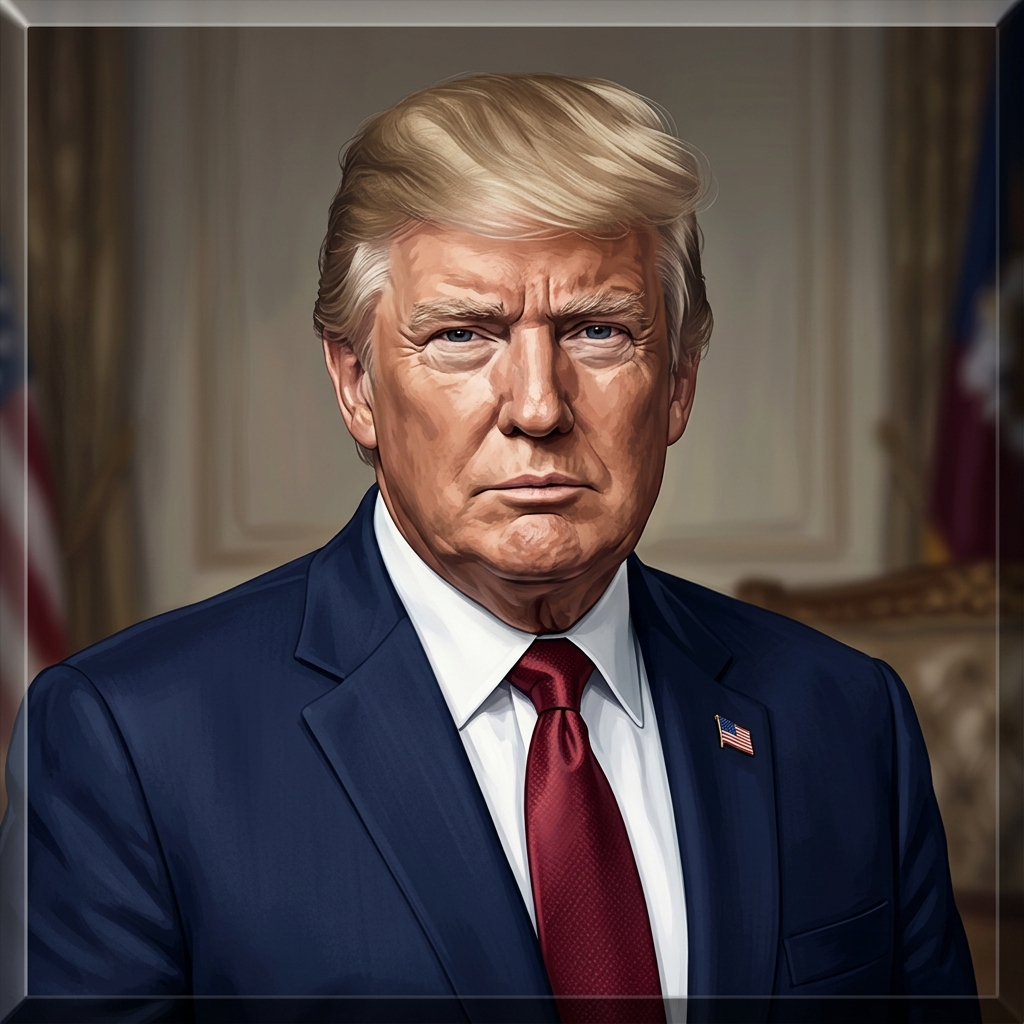
VS
Protesters
?
No actors in this side.
No actors in this side.
Donald Trump is the President of the United States, whose administration has taken actions affecting federal institutions and has responded to protests, including sending National Guard troops to stop Black Lives Matter protesters in Washington, D.C. and threatening broader military deployment to quell protests.
Protesters are the various groups and individuals who have demonstrated against Trump and his policies, both in the United States and internationally, since his 2016 presidential campaign.
The conflict centers on the Kennedy Center, a major arts venue in Washington, D.C.
Trump has threatened to demolish the building, and protesters have gathered outside the center to oppose the closure.
This has created a contested debate over the future of the institution, with protesters rallying against the demolition fears.
*AI-generated summary of publicly available data. This is not an official statement of any party.
*AI-generated summary of publicly available statements and reporting. This is not an official statement of this party.
Supporters of Trump argue the Kennedy Center had drifted from its cultural roots, citing precedent that institutions must answer to the public, not elites; they maintain closure restores accountability.
Supporters of Trump argue the Kennedy Center had drifted from its traditional cultural mandate, and they see its closure as reclaiming a national institution for ordinary Americans.
Supporters of Trump counter that the Kennedy Center's recent programming drifted from broad public taste, and they contend that cultural institutions should answer to present audiences rather than inherited tradition.
Supporters of Trump argue the Kennedy Center's closure falls within lawful executive authority over federal property, and that protesters outside the venue hold no legal standing to override that decision.
Supporters of Trump argue that the president has legal authority over federal property like the Kennedy Center, maintaining that elected leadership can determine how national institutions are managed.
Supporters of Trump counter that the Kennedy Center's statutory charter vests broad operational authority in its board, and they argue that executive appointees acting through that board can lawfully direct changes without new congressional authorization.
Supporters of Trump argue closing the Kennedy Center projects power: it signals that cultural institutions answer to political authority, and that defiance carries a cost others will calculate.
Supporters of Trump argue that shuttering the Kennedy Center projects decisive control and forces opponents to fight on his terms, showing donors and allies that cultural institutions answer to political power.
Supporters of Trump counter that crowds outside the Kennedy Center are a fixed cost, not leverage: the closure proceeds regardless, and the visible protest supplies the administration with useful footage of disorder to justify it.
Supporters of Trump argue that closing the Kennedy Center is a moral reclamation of public institutions from elites, prioritizing fiscal responsibility and cultural renewal over subsidized art for the few.
Supporters of Trump argue that closing the Kennedy Center is a moral reclamation of public institutions for taxpayers, insisting that art funded by the public should serve the nation rather than a self-selected elite.
Supporters of Trump counter that a moral duty runs to taxpayers, not institutions: funding art that alienates half the country is the real silencing, so the Kennedy Center should answer to the public it serves.
Supporters of Trump argue that sacred authority, not cultural elites, governs a nation's soul, citing scripture that God raises rulers to judge corruption; they see the Kennedy Center's closure as moral purification.
Supporters of Trump invoke stewardship of public institutions, arguing that sacred and civic spaces should serve the common good rather than elite tastes.
Supporters of Trump counter that stewardship of the Kennedy Center belongs to the people's elected trustees, not protesters, and that scripture charges governing authorities, not crowds, with guarding such institutions.
*AI-generated summary of publicly available statements and reporting. This is not an official statement of this party.
Supporters of the protesters argue that the Kennedy Center embodies decades of inherited cultural tradition, and they maintain that preserving such an institution honors the continuity and shared identity that stability depends upon.
Supporters of the protesters argue that the Kennedy Center embodies decades of inherited cultural tradition, and they maintain that preserving such institutions honors the continuity and shared identity that bind the nation together.
Supporters of Protesters counter that the Kennedy Center's founding mission was bipartisan cultural stewardship, not a prize for any administration; they argue closure politicizes the arts and breaks the continuity that made it a national institution.
Supporters of the protesters argue that closing the Kennedy Center requires lawful congressional authorization, not unilateral executive action, since it was established by federal statute as a public trust.
Supporters of the protesters argue that closing the Kennedy Center violates legal obligations Congress set for the venue, and they maintain that the president lacks statutory authority to shutter it unilaterally.
Supporters of the Protesters counter that public streets and sidewalks outside the Kennedy Center are traditional public forums, so the demonstrators exercise protected First Amendment rights regardless of who controls the building.
Supporters of the protesters argue that Trump's closure plan is a power play, and that visible crowds outside the Kennedy Center are leverage to raise his political cost and force reversal.
Supporters of the protesters argue that visible crowds outside the Kennedy Center are leverage: they force Trump to weigh the political cost of shuttering a beloved arts venue against any gain.
Supporters of Protesters counter that such a signal invites escalation, not compliance: artists and audiences who see the Kennedy Center punished learn defiance is survivable, and the cost of appearing cowed outweighs any concession.
Supporters of the protesters argue that closing the Kennedy Center silences a shared cultural space, and they maintain that preserving public arts institutions is a moral duty owed to all citizens.
Supporters of the protesters argue that a nation's cultural institutions belong to all its people, and that silencing a shared stage for art betrays a moral duty to preserve open, public expression.
Supporters of the Protesters counter that a nation's moral standing is measured by its commitment to universal access to culture, not by withdrawal—closing the Kennedy Center denies the public a shared civic space that belongs to all.
Supporters of the protesters argue that the Kennedy Center serves as a shared cultural sanctuary where faith, art, and national memory meet, and they contend that preserving such inherited institutions honors a sacred duty of stewardship.
Supporters of the Protesters invoke stewardship of inherited cultural gifts, arguing that a nation honors its dead and its shared heritage by preserving institutions like the Kennedy Center rather than closing them.
Supporters of the Protesters counter that scripture also commands obedience to lawful authority and warns against false prophets, so they see the Kennedy Center's closure as political vengeance dressed as moral purification, not divine judgment.
AI-generated summary of publicly available statements and reporting. This is not an official statement of this party.
Supporters of Trump argue the Kennedy Center had drifted from its cultural roots, citing precedent that institutions must answer to the public, not elites; they maintain closure restores accountability.
Supporters of Trump argue the Kennedy Center had drifted from its traditional cultural mandate, and they see its closure as reclaiming a national institution for ordinary Americans.
Supporters of Trump counter that the Kennedy Center's recent programming drifted from broad public taste, and they contend that cultural institutions should answer to present audiences rather than inherited tradition.
Supporters of Trump argue the Kennedy Center's closure falls within lawful executive authority over federal property, and that protesters outside the venue hold no legal standing to override that decision.
Supporters of Trump argue that the president has legal authority over federal property like the Kennedy Center, maintaining that elected leadership can determine how national institutions are managed.
Supporters of Trump counter that the Kennedy Center's statutory charter vests broad operational authority in its board, and they argue that executive appointees acting through that board can lawfully direct changes without new congressional authorization.
Supporters of Trump argue closing the Kennedy Center projects power: it signals that cultural institutions answer to political authority, and that defiance carries a cost others will calculate.
Supporters of Trump argue that shuttering the Kennedy Center projects decisive control and forces opponents to fight on his terms, showing donors and allies that cultural institutions answer to political power.
Supporters of Trump counter that crowds outside the Kennedy Center are a fixed cost, not leverage: the closure proceeds regardless, and the visible protest supplies the administration with useful footage of disorder to justify it.
Supporters of Trump argue that closing the Kennedy Center is a moral reclamation of public institutions from elites, prioritizing fiscal responsibility and cultural renewal over subsidized art for the few.
Supporters of Trump argue that closing the Kennedy Center is a moral reclamation of public institutions for taxpayers, insisting that art funded by the public should serve the nation rather than a self-selected elite.
Supporters of Trump counter that a moral duty runs to taxpayers, not institutions: funding art that alienates half the country is the real silencing, so the Kennedy Center should answer to the public it serves.
Supporters of Trump argue that sacred authority, not cultural elites, governs a nation's soul, citing scripture that God raises rulers to judge corruption; they see the Kennedy Center's closure as moral purification.
Supporters of Trump invoke stewardship of public institutions, arguing that sacred and civic spaces should serve the common good rather than elite tastes.
Supporters of Trump counter that stewardship of the Kennedy Center belongs to the people's elected trustees, not protesters, and that scripture charges governing authorities, not crowds, with guarding such institutions.
Supporters of the protesters argue that the Kennedy Center embodies decades of inherited cultural tradition, and they maintain that preserving such an institution honors the continuity and shared identity that stability depends upon.
Supporters of the protesters argue that the Kennedy Center embodies decades of inherited cultural tradition, and they maintain that preserving such institutions honors the continuity and shared identity that bind the nation together.
Supporters of Protesters counter that the Kennedy Center's founding mission was bipartisan cultural stewardship, not a prize for any administration; they argue closure politicizes the arts and breaks the continuity that made it a national institution.
Supporters of the protesters argue that closing the Kennedy Center requires lawful congressional authorization, not unilateral executive action, since it was established by federal statute as a public trust.
Supporters of the protesters argue that closing the Kennedy Center violates legal obligations Congress set for the venue, and they maintain that the president lacks statutory authority to shutter it unilaterally.
Supporters of the Protesters counter that public streets and sidewalks outside the Kennedy Center are traditional public forums, so the demonstrators exercise protected First Amendment rights regardless of who controls the building.
Supporters of the protesters argue that Trump's closure plan is a power play, and that visible crowds outside the Kennedy Center are leverage to raise his political cost and force reversal.
Supporters of the protesters argue that visible crowds outside the Kennedy Center are leverage: they force Trump to weigh the political cost of shuttering a beloved arts venue against any gain.
Supporters of Protesters counter that such a signal invites escalation, not compliance: artists and audiences who see the Kennedy Center punished learn defiance is survivable, and the cost of appearing cowed outweighs any concession.
Supporters of the protesters argue that closing the Kennedy Center silences a shared cultural space, and they maintain that preserving public arts institutions is a moral duty owed to all citizens.
Supporters of the protesters argue that a nation's cultural institutions belong to all its people, and that silencing a shared stage for art betrays a moral duty to preserve open, public expression.
Supporters of the Protesters counter that a nation's moral standing is measured by its commitment to universal access to culture, not by withdrawal—closing the Kennedy Center denies the public a shared civic space that belongs to all.
Supporters of the protesters argue that the Kennedy Center serves as a shared cultural sanctuary where faith, art, and national memory meet, and they contend that preserving such inherited institutions honors a sacred duty of stewardship.
Supporters of the Protesters invoke stewardship of inherited cultural gifts, arguing that a nation honors its dead and its shared heritage by preserving institutions like the Kennedy Center rather than closing them.
Supporters of the Protesters counter that scripture also commands obedience to lawful authority and warns against false prophets, so they see the Kennedy Center's closure as political vengeance dressed as moral purification, not divine judgment.
Protestors gathered outside Washington’s Kennedy Center after President Trump’s plans to close the arts venue.
President Trump sent National Guard troops to stop Black Lives Matter protesters in Washington, D.C., and threatened to deploy the military more broadly to quell protests.
Thousands of demonstrators gathered in cities across the U.S. to protest the Trump administration's rollback of transgender rights and other policies.