Trump
VS
Roelf Meyer
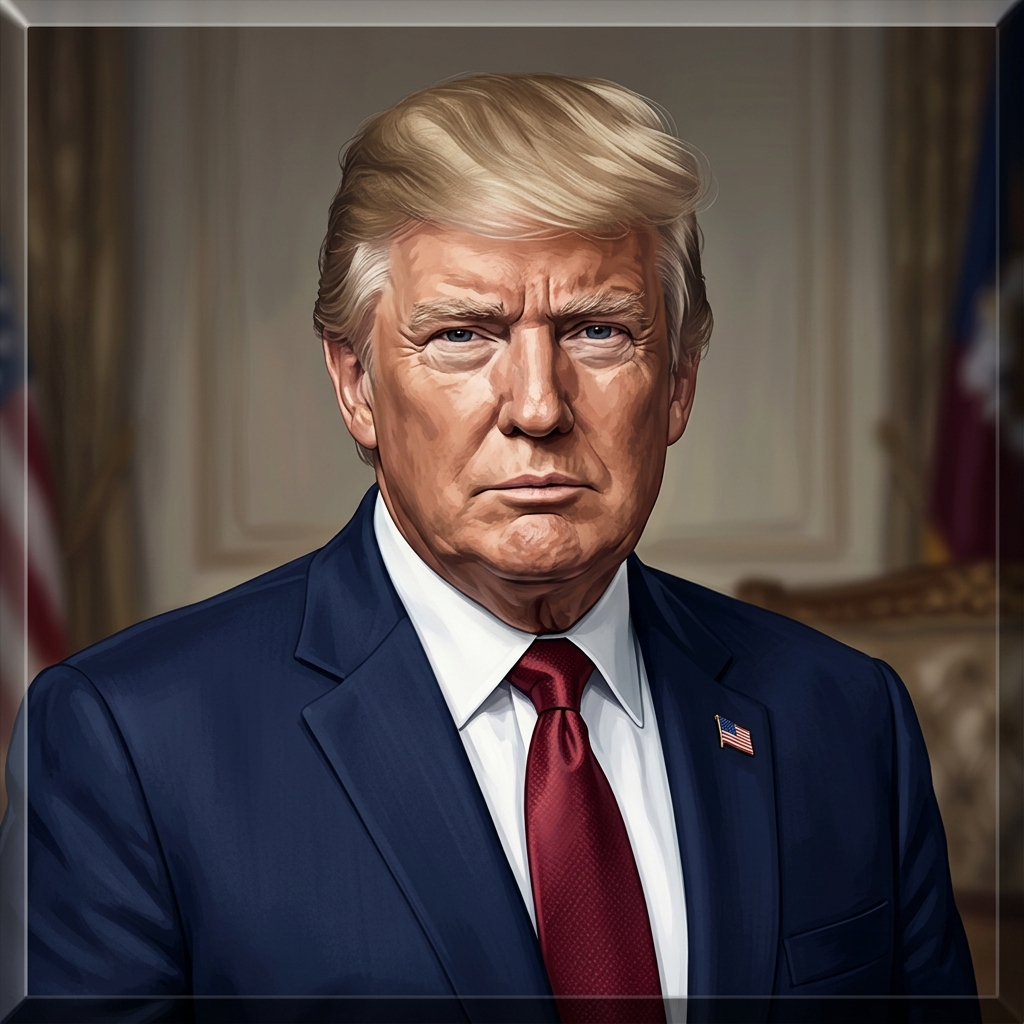
Donald Trump is the President of the United States, who has publicly claimed that a white genocide is occurring in South Africa and that white farmers there are victims of a system of racial persecution.
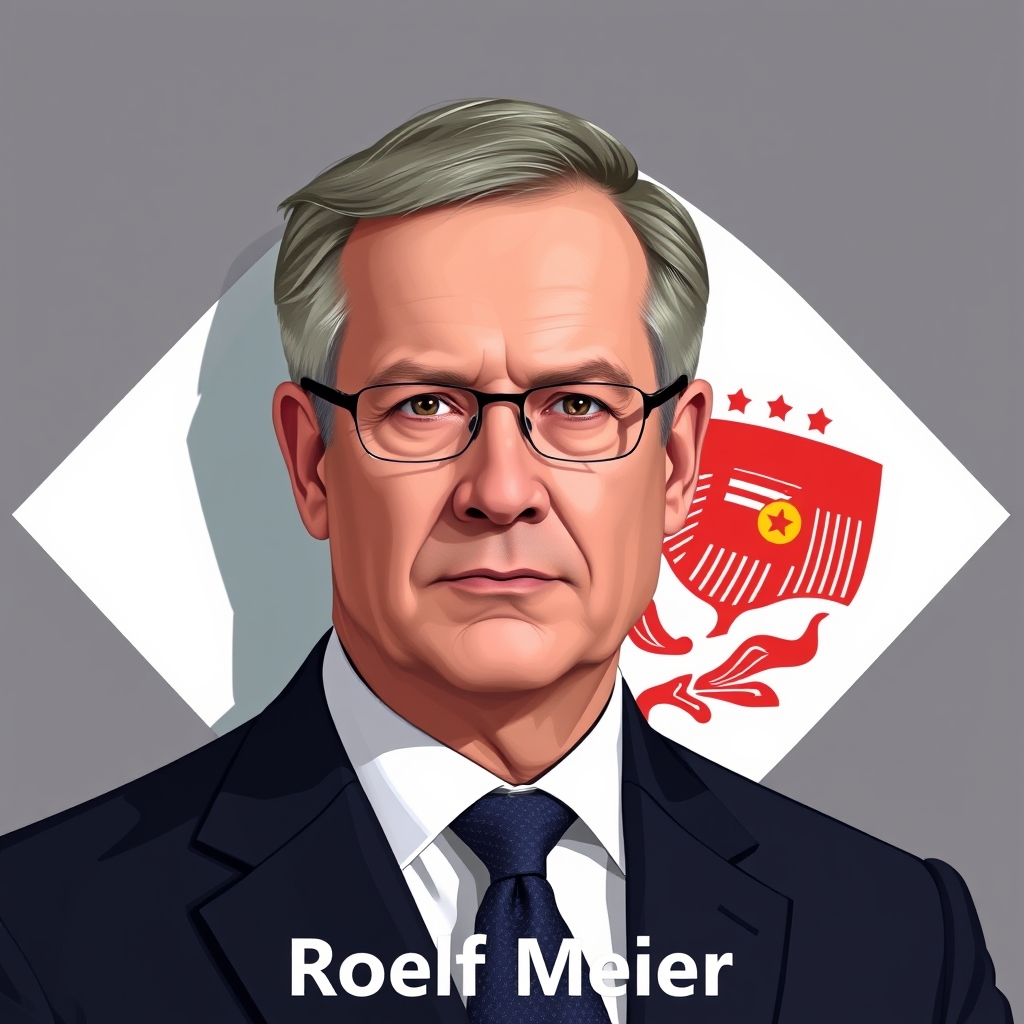
Roelf Meyer is South Africa's ambassador to the United States, a former apartheid-era negotiator who helped negotiate the end of apartheid and was appointed to the post in 2026, replacing an ambassador expelled by Trump in 2025.
The two are in conflict over Trump's genocide claim, which Meyer disputes.
Meyer, himself a white Afrikaner, argues that Trump has been given the wrong picture of conditions in South Africa and that his own background gives him legitimacy to challenge the claim.
As ambassador, Meyer has said he will prioritise repairing South Africa-United States ties and persuading Trump to revoke an executive order that underpins Washington's position.
*AI-generated summary of publicly available data. This is not an official statement of any party.
*AI-generated summary of publicly available statements and reporting. This is not an official statement of this party.
Supporters of Trump argue that cultural memory of farm attacks justifies his warning, and that Meyer, as an Afrikaner, speaks for a faction rather than the whole community.
Supporters of Trump argue that cultural survival for Afrikaners is threatened, pointing to farm attacks and emigration as signs that a distinct community's continuity is at risk.
Supporters of Trump counter that heritage alone grants no authority to dismiss a community's lived fears, arguing that shared citizenship has not erased the racial grievances Afrikaners themselves report.
Supporters of Trump argue that Meyer's Afrikaner background does not itself refute the claim, since identity is not evidence; they maintain the legal question turns on documented farm-attack data, not on who delivers the denial.
Supporters of Trump argue that Meyer lacks standing to dismiss the claim, since his diplomatic role obligates him to defend Pretoria's official position rather than independently verify the underlying crime data.
Supporters of Trump counter that legal standing is irrelevant absent evidence; they argue South Africa's own farm-murder statistics, cited in his claim, supply the factual basis, not the speaker's race.
Supporters of Trump argue that Meyer's white Afrikaner identity is a credential he wields to lend his denial legitimacy, yet they note that discrediting the messenger serves their narrative better than debating the claim itself.
Supporters of Trump argue Meyer's Afrikaner identity is a credential he wields to claim moral authority, but legitimacy in a power struggle comes from leverage, not ancestry, so they dismiss his rebuttal as self-interested positioning.
Supporters of Trump counter that Roelf Meyer's Afrikaner identity is no shield at all: Washington rewards leverage, not lineage, so Pretoria's trade access survives only while it serves US interests.
Supporters of Trump argue that dismissing the genocide claim by pointing to one's own Afrikaner identity substitutes personal background for moral duty to hear victims; they maintain that lived experience does not disprove others' suffering.
Supporters of Trump argue that Meyer's white Afrikaner identity does not disprove the claim, since in their view a person's background cannot settle whether violence is widespread; they see the dispute as moral, not merely factual.
Supporters of Trump counter that moral standing cuts both ways: an Afrikaner who denies the violence documented in farm murders forfeits the credibility to speak for that community.
Supporters of Trump argue that religious freedom and the sanctity of minority communities are under threat in South Africa, citing attacks on Afrikaner churches and farmers as evidence of a moral crisis demanding global attention.
Supporters of Trump argue that biblical warnings about nations abandoning righteousness, and the duty to defend the innocent, underpin their concern for South African farmers.
Supporters of Trump counter that conscience without reverence for God's established order rings hollow; they argue a nation's moral fabric rests on faith and law, not on one man's dissent.
*AI-generated summary of publicly available statements and reporting. This is not an official statement of this party.
Supporters of Roelf Meyer argue his Afrikaner heritage gives him cultural standing to reject Trump's genocide claim, insisting South Africa's identity is defined by shared citizenship, not racial grievance.
Supporters of Roelf Meyer argue that his Afrikaner heritage gives him cultural standing to reject Trump's genocide claim, insisting that lived identity, not outside assertion, defines South Africa's reality.
Supporters of Roelf Meyer counter that Afrikaner identity is not monolithic, and that invoking ancestral trauma to justify an external warning overlooks those who prioritize reconciliation over grievance.
Supporters of Roelf Meyer argue that his firsthand standing as a white Afrikaner gives him legal and moral legitimacy to dispute Trump's genocide claim, insisting such allegations lack evidentiary basis.
Supporters of Roelf Meyer argue that legal credibility on South Africa's farm violence rests with those directly affected, and they maintain his Afrikaner background gives him standing to contest Trump's genocide claim.
Supporters of Roelf Meyer counter that documented farm-attack data cannot settle the legal question alone, since international human-rights law requires proportionate state protection and non-discrimination, not just crime statistics.
Supporters of Roelf Meyer argue his Afrikaner identity is strategic cover: it neutralizes Trump's racial framing while shielding South Africa's trade access to the US.
Supporters of Roelf Meyer argue his Afrikaner identity is itself the weapon: it strips Trump's claim of its racial grievance cover, denying Pretoria's critics the outrage they need to move US power.
Supporters of Roelf Meyer counter that attacking Meyer's identity is itself the tell: they argue the Trump side has no incentive to litigate his record, since conceding any white Afrikaner as credible would fracture the coalition the denial depends on.
Supporters of Roelf Meyer argue that truth-telling is a moral duty, and that his Afrikaner background gives him standing to reject claims of white genocide in South Africa.
Supporters of Roelf Meyer argue that denying a fabricated genocide is a moral duty, since false claims exploit white identity to deflect from South Africa's real ecological and social harms.
Supporters of Roelf Meyer counter that ancestral ties to the land impose a moral duty of stewardship, not entitlement; they argue that identity rooted in ecological belonging obliges protecting shared natural systems for all who depend on them.
Supporters of Roelf Meyer argue that falsely invoking genocide dishonors the moral weight of the term, and that as a white Afrikaner he speaks with conscience and credibility against Trump's claim.
Supporters of Roelf Meyer contend that bearing false witness is condemned by scripture, so his Afrikaner heritage lends moral weight to his testimony that no genocide is occurring in South Africa.
Supporters of Roelf Meyer counter that Scripture calls for reconciliation, not foreign condemnation, citing Matthew 5:9; they argue Afrikaner churches are called to forgive and seek justice through peaceful dialogue rather than outside intervention.
AI-generated summary of publicly available statements and reporting. This is not an official statement of this party.
Supporters of Trump argue that cultural memory of farm attacks justifies his warning, and that Meyer, as an Afrikaner, speaks for a faction rather than the whole community.
Supporters of Trump argue that cultural survival for Afrikaners is threatened, pointing to farm attacks and emigration as signs that a distinct community's continuity is at risk.
Supporters of Trump counter that heritage alone grants no authority to dismiss a community's lived fears, arguing that shared citizenship has not erased the racial grievances Afrikaners themselves report.
Supporters of Trump argue that Meyer's Afrikaner background does not itself refute the claim, since identity is not evidence; they maintain the legal question turns on documented farm-attack data, not on who delivers the denial.
Supporters of Trump argue that Meyer lacks standing to dismiss the claim, since his diplomatic role obligates him to defend Pretoria's official position rather than independently verify the underlying crime data.
Supporters of Trump counter that legal standing is irrelevant absent evidence; they argue South Africa's own farm-murder statistics, cited in his claim, supply the factual basis, not the speaker's race.
Supporters of Trump argue that Meyer's white Afrikaner identity is a credential he wields to lend his denial legitimacy, yet they note that discrediting the messenger serves their narrative better than debating the claim itself.
Supporters of Trump argue Meyer's Afrikaner identity is a credential he wields to claim moral authority, but legitimacy in a power struggle comes from leverage, not ancestry, so they dismiss his rebuttal as self-interested positioning.
Supporters of Trump counter that Roelf Meyer's Afrikaner identity is no shield at all: Washington rewards leverage, not lineage, so Pretoria's trade access survives only while it serves US interests.
Supporters of Trump argue that dismissing the genocide claim by pointing to one's own Afrikaner identity substitutes personal background for moral duty to hear victims; they maintain that lived experience does not disprove others' suffering.
Supporters of Trump argue that Meyer's white Afrikaner identity does not disprove the claim, since in their view a person's background cannot settle whether violence is widespread; they see the dispute as moral, not merely factual.
Supporters of Trump counter that moral standing cuts both ways: an Afrikaner who denies the violence documented in farm murders forfeits the credibility to speak for that community.
Supporters of Trump argue that religious freedom and the sanctity of minority communities are under threat in South Africa, citing attacks on Afrikaner churches and farmers as evidence of a moral crisis demanding global attention.
Supporters of Trump argue that biblical warnings about nations abandoning righteousness, and the duty to defend the innocent, underpin their concern for South African farmers.
Supporters of Trump counter that conscience without reverence for God's established order rings hollow; they argue a nation's moral fabric rests on faith and law, not on one man's dissent.
Supporters of Roelf Meyer argue his Afrikaner heritage gives him cultural standing to reject Trump's genocide claim, insisting South Africa's identity is defined by shared citizenship, not racial grievance.
Supporters of Roelf Meyer argue that his Afrikaner heritage gives him cultural standing to reject Trump's genocide claim, insisting that lived identity, not outside assertion, defines South Africa's reality.
Supporters of Roelf Meyer counter that Afrikaner identity is not monolithic, and that invoking ancestral trauma to justify an external warning overlooks those who prioritize reconciliation over grievance.
Supporters of Roelf Meyer argue that his firsthand standing as a white Afrikaner gives him legal and moral legitimacy to dispute Trump's genocide claim, insisting such allegations lack evidentiary basis.
Supporters of Roelf Meyer argue that legal credibility on South Africa's farm violence rests with those directly affected, and they maintain his Afrikaner background gives him standing to contest Trump's genocide claim.
Supporters of Roelf Meyer counter that documented farm-attack data cannot settle the legal question alone, since international human-rights law requires proportionate state protection and non-discrimination, not just crime statistics.
Supporters of Roelf Meyer argue his Afrikaner identity is strategic cover: it neutralizes Trump's racial framing while shielding South Africa's trade access to the US.
Supporters of Roelf Meyer argue his Afrikaner identity is itself the weapon: it strips Trump's claim of its racial grievance cover, denying Pretoria's critics the outrage they need to move US power.
Supporters of Roelf Meyer counter that attacking Meyer's identity is itself the tell: they argue the Trump side has no incentive to litigate his record, since conceding any white Afrikaner as credible would fracture the coalition the denial depends on.
Supporters of Roelf Meyer argue that truth-telling is a moral duty, and that his Afrikaner background gives him standing to reject claims of white genocide in South Africa.
Supporters of Roelf Meyer argue that denying a fabricated genocide is a moral duty, since false claims exploit white identity to deflect from South Africa's real ecological and social harms.
Supporters of Roelf Meyer counter that ancestral ties to the land impose a moral duty of stewardship, not entitlement; they argue that identity rooted in ecological belonging obliges protecting shared natural systems for all who depend on them.
Supporters of Roelf Meyer argue that falsely invoking genocide dishonors the moral weight of the term, and that as a white Afrikaner he speaks with conscience and credibility against Trump's claim.
Supporters of Roelf Meyer contend that bearing false witness is condemned by scripture, so his Afrikaner heritage lends moral weight to his testimony that no genocide is occurring in South Africa.
Supporters of Roelf Meyer counter that Scripture calls for reconciliation, not foreign condemnation, citing Matthew 5:9; they argue Afrikaner churches are called to forgive and seek justice through peaceful dialogue rather than outside intervention.
Roelf Meyer tells the BBC that being a white Afrikaner gives him legitimacy to challenge Trump's claim of a genocide.
South Africa's new ambassador to the US said he would prioritise repairing ties with the Trump administration and persuading Trump to revoke an executive order underpinning Washington's position.
South Africa appointed former apartheid-era negotiator Roelf Meyer as its ambassador to the United States, replacing the ambassador expelled by President Donald Trump in 2025.