Russia

VS
Trump
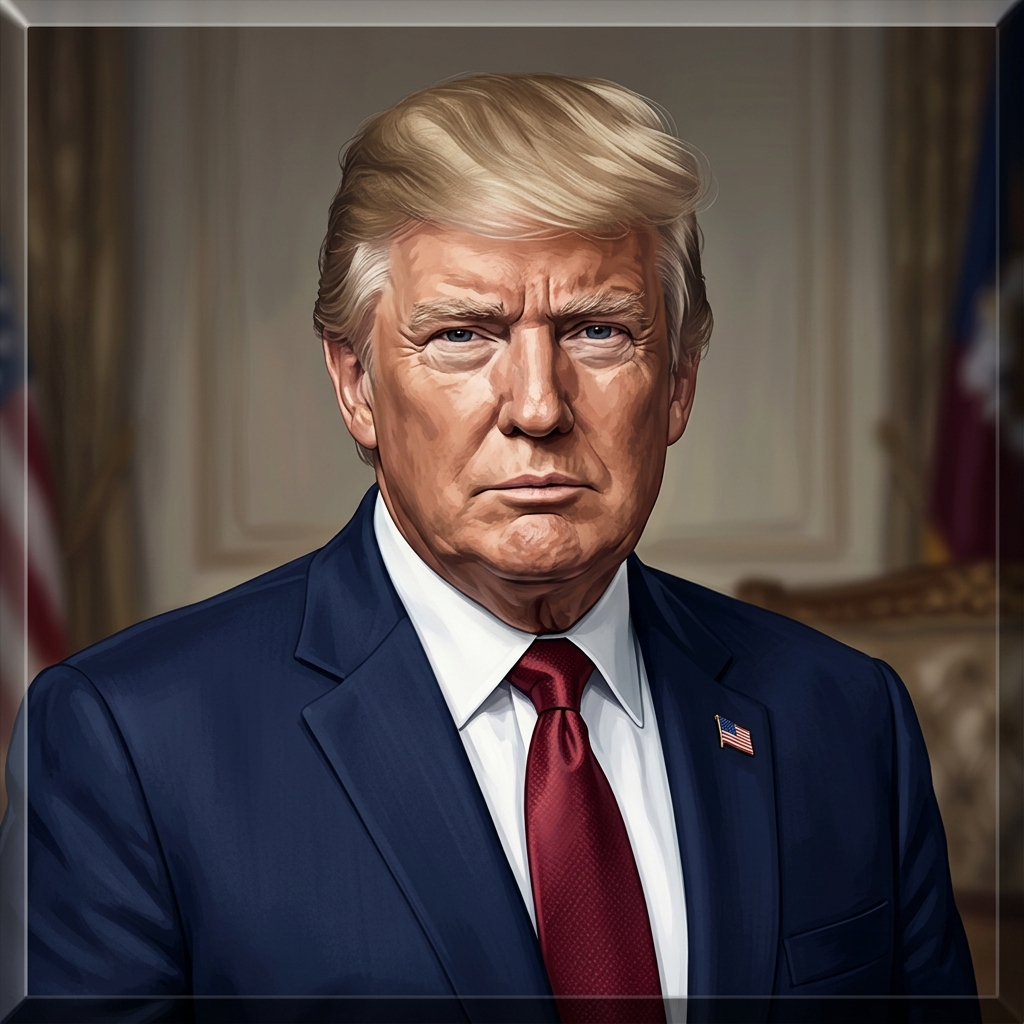
Donald Trump is the President of the United States, who has pursued a foreign policy approach toward Moscow that includes both direct diplomacy with Russian President Vladimir Putin and, at times, punitive economic measures.
Russia, under Putin's leadership, is the target of US sanctions and a central party in negotiations over the war in Ukraine.
The two sides have conflicting interests over the war in Ukraine and the broader US-Russia relationship.
Trump has said he believes Putin wants to strike a deal to end the fighting, while Putin, confident that Russia holds the initiative on the battlefield, has been reluctant to stop fighting.
At the same time, the US has imposed sanctions targeting Russian officials, banks, and shadow tankers transporting Russian energy, creating tension between diplomatic engagement and economic pressure.
Background: Starting in 2015, allied foreign intelligence agencies began reporting secret contacts between Trump campaigners and known or suspected Russian agents, and investigations into those links have shadowed the relationship.
More recently, Trump held calls with Putin over a visit to Moscow by US peace envoys, and his envoys Steve Witkoff and Jared Kushner have described Russia as a potential partner, emphasizing a 'win-win' approach in dealings with Moscow.
*AI-generated summary of publicly available data. This is not an official statement of any party.
*AI-generated summary of publicly available statements and reporting. This is not an official statement of this party.
Supporters of Russia argue that sanctions echo Cold War containment, a recurring Western habit of encircling rivals rather than coexisting, and that such pressure historically hardens national resolve instead of changing course.
Supporters of Russia cite a long cultural memory of Western sanctions as recurring pressure rather than principled policy, arguing the 2026 bill continues a cycle they see as aimed at Russia's sovereignty, not its conduct.
Supporters of Russia counter that sanctions, far from protecting inherited institutions, sever the centuries-old cultural and religious ties binding Russia and the West, isolating America from the very traditions it claims to defend.
Supporters of Russia argue the sanctions bill lacks UN Security Council authorization, making it unlawful under international law, and that unilateral US penalties on Russian banks and shadow tankers exceed Washington's legal jurisdiction.
Supporters of Russia argue the sanctions lack UN Security Council authorization, making them unlawful under international law and an illegal unilateral coercion against a sovereign state.
Supporters of Russia counter that Congress cannot bind future presidents to enforce sanctions, citing the president's inherent Article II power to suspend or waive them in pursuit of diplomacy.
Supporters of Russia argue the sanctions are domestic theater: Trump needs Congress off his back, so he signs a bill that costs Moscow little while preserving future leverage.
Supporters of Russia argue Trump’s sanctions are domestic theater, not resolve: Congress constrained him, so he signs to look strong while Russia keeps leverage over energy and talks.
Supporters of Russia counter that the bill mainly binds Trump: Congress seized sanctions authority, so Moscow sees a president unable to trade concessions, and leverage lost, not preserved.
Supporters of Russia argue that unilateral sanctions coerce private trade and punish citizens for their government's acts, violating the moral principle that individuals should not be held collectively liable.
Supporters of Russia argue the sanctions are an immoral use of state power, punishing private trade and voluntary exchange for political ends, and that ordinary Russians bear the cost of coercion no one consented to.
Supporters of Russia counter that the moral duty runs the other way: imposing sanctions on a sovereign state punishes its people for their government's choices, violating the principle that individuals shouldn't be held collectively liable for acts they never authorized.
Supporters of Russia argue the sanctions defy Christian teaching on mercy and restraint, invoking Romans 12:19 that vengeance belongs to God alone, and contend that punishing a nation's faithful through economic coercion contradicts the Gospel's call to peace.
Supporters of Russia argue that sanctions on Russian officials and banks defy the scriptural command to pursue peace, citing Romans 12:18, and contend that such measures harm innocent people rather than serving justice.
Supporters of Russia counter that the bill's religious liberty framing masks coercion, arguing that the Moscow Patriarchate and other faiths see sanctions as external pressure on a sovereign church, not a defense of believers.
*AI-generated summary of publicly available statements and reporting. This is not an official statement of this party.
Supporters of Trump argue the sanctions defend America's cultural sovereignty, showing strength against foreign adversaries while protecting inherited institutions and the nation's standing order.
Supporters of Trump argue the sanctions bill reflects a cultural commitment to American sovereignty and traditional deterrence, framing strong borders and national strength as inherited values worth defending against foreign aggression.
Supporters of Trump counter that America's own inherited institutions and cultural continuity, not Cold War nostalgia, anchor its foreign policy, and that stable alliances preserve order better than accommodation of rivals.
Supporters of Trump argue the sanctions bill is lawful because Congress passed it and the president signed it, and they maintain that enforcing sanctions on Russian banks and shadow tankers is a legal exercise of US authority.
Supporters of Trump argue the sanctions bill is a lawful exercise of congressional and executive authority, using statutory penalties to enforce accountability rather than force.
Supporters of Trump counter that the US sanctions rest on domestic authorities like IEEPA and CAATSA, not UN authorization, so Washington views them as lawful exercises of US jurisdiction over US-linked entities.
Supporters of Trump argue that signing the sanctions bill is a calculated move: it constrains Russia's shadow-fleet revenue, forces Europe to share the cost, and preserves leverage for future deals.
Supporters of Trump argue the sanctions are leverage, not hostility: by targeting banks and shadow tankers, he forces Russia to the table while appearing tough before midterms, proving strength costs Moscow more than it costs him.
Supporters of Trump counter that sanctions with real teeth—Nord Stream 2 waivers revoked, arms to Ukraine—show the leverage was spent, not hoarded; Moscow's protests prove the cost was real.
Supporters of Trump argue that signing the sanctions bill upholds a moral duty to hold Russia accountable for its actions, prioritizing principle over personal diplomacy.
Supporters of Trump argue the sanctions are a moral duty to punish Russian aggression, showing strength against a regime that harms civilians, even while some question the bill's economic cost.
Supporters of Trump counter that sanctions target Russia's government for invading a sovereign nation, not its people, and that failing to hold aggressors accountable is the greater moral wrong.
Supporters of Trump frame the sanctions as a defense of religious liberty, arguing the bill pressures Russia over documented persecution of minority faith communities.
Supporters of Trump argue the sanctions uphold a moral duty to curb aggression, citing religious conviction that leaders are called to restrain evil and protect the innocent.
Supporters of Trump counter that Romans 13 charges governing authorities with bearing the sword against wrongdoing, so sanctions on Russia function as lawful restraint of aggression, not personal vengeance.
AI-generated summary of publicly available statements and reporting. This is not an official statement of this party.
Supporters of Russia argue that sanctions echo Cold War containment, a recurring Western habit of encircling rivals rather than coexisting, and that such pressure historically hardens national resolve instead of changing course.
Supporters of Russia cite a long cultural memory of Western sanctions as recurring pressure rather than principled policy, arguing the 2026 bill continues a cycle they see as aimed at Russia's sovereignty, not its conduct.
Supporters of Russia counter that sanctions, far from protecting inherited institutions, sever the centuries-old cultural and religious ties binding Russia and the West, isolating America from the very traditions it claims to defend.
Supporters of Russia argue the sanctions bill lacks UN Security Council authorization, making it unlawful under international law, and that unilateral US penalties on Russian banks and shadow tankers exceed Washington's legal jurisdiction.
Supporters of Russia argue the sanctions lack UN Security Council authorization, making them unlawful under international law and an illegal unilateral coercion against a sovereign state.
Supporters of Russia counter that Congress cannot bind future presidents to enforce sanctions, citing the president's inherent Article II power to suspend or waive them in pursuit of diplomacy.
Supporters of Russia argue the sanctions are domestic theater: Trump needs Congress off his back, so he signs a bill that costs Moscow little while preserving future leverage.
Supporters of Russia argue Trump’s sanctions are domestic theater, not resolve: Congress constrained him, so he signs to look strong while Russia keeps leverage over energy and talks.
Supporters of Russia counter that the bill mainly binds Trump: Congress seized sanctions authority, so Moscow sees a president unable to trade concessions, and leverage lost, not preserved.
Supporters of Russia argue that unilateral sanctions coerce private trade and punish citizens for their government's acts, violating the moral principle that individuals should not be held collectively liable.
Supporters of Russia argue the sanctions are an immoral use of state power, punishing private trade and voluntary exchange for political ends, and that ordinary Russians bear the cost of coercion no one consented to.
Supporters of Russia counter that the moral duty runs the other way: imposing sanctions on a sovereign state punishes its people for their government's choices, violating the principle that individuals shouldn't be held collectively liable for acts they never authorized.
Supporters of Russia argue the sanctions defy Christian teaching on mercy and restraint, invoking Romans 12:19 that vengeance belongs to God alone, and contend that punishing a nation's faithful through economic coercion contradicts the Gospel's call to peace.
Supporters of Russia argue that sanctions on Russian officials and banks defy the scriptural command to pursue peace, citing Romans 12:18, and contend that such measures harm innocent people rather than serving justice.
Supporters of Russia counter that the bill's religious liberty framing masks coercion, arguing that the Moscow Patriarchate and other faiths see sanctions as external pressure on a sovereign church, not a defense of believers.
Supporters of Trump argue the sanctions defend America's cultural sovereignty, showing strength against foreign adversaries while protecting inherited institutions and the nation's standing order.
Supporters of Trump argue the sanctions bill reflects a cultural commitment to American sovereignty and traditional deterrence, framing strong borders and national strength as inherited values worth defending against foreign aggression.
Supporters of Trump counter that America's own inherited institutions and cultural continuity, not Cold War nostalgia, anchor its foreign policy, and that stable alliances preserve order better than accommodation of rivals.
Supporters of Trump argue the sanctions bill is lawful because Congress passed it and the president signed it, and they maintain that enforcing sanctions on Russian banks and shadow tankers is a legal exercise of US authority.
Supporters of Trump argue the sanctions bill is a lawful exercise of congressional and executive authority, using statutory penalties to enforce accountability rather than force.
Supporters of Trump counter that the US sanctions rest on domestic authorities like IEEPA and CAATSA, not UN authorization, so Washington views them as lawful exercises of US jurisdiction over US-linked entities.
Supporters of Trump argue that signing the sanctions bill is a calculated move: it constrains Russia's shadow-fleet revenue, forces Europe to share the cost, and preserves leverage for future deals.
Supporters of Trump argue the sanctions are leverage, not hostility: by targeting banks and shadow tankers, he forces Russia to the table while appearing tough before midterms, proving strength costs Moscow more than it costs him.
Supporters of Trump counter that sanctions with real teeth—Nord Stream 2 waivers revoked, arms to Ukraine—show the leverage was spent, not hoarded; Moscow's protests prove the cost was real.
Supporters of Trump argue that signing the sanctions bill upholds a moral duty to hold Russia accountable for its actions, prioritizing principle over personal diplomacy.
Supporters of Trump argue the sanctions are a moral duty to punish Russian aggression, showing strength against a regime that harms civilians, even while some question the bill's economic cost.
Supporters of Trump counter that sanctions target Russia's government for invading a sovereign nation, not its people, and that failing to hold aggressors accountable is the greater moral wrong.
Supporters of Trump frame the sanctions as a defense of religious liberty, arguing the bill pressures Russia over documented persecution of minority faith communities.
Supporters of Trump argue the sanctions uphold a moral duty to curb aggression, citing religious conviction that leaders are called to restrain evil and protect the innocent.
Supporters of Trump counter that Romans 13 charges governing authorities with bearing the sword against wrongdoing, so sanctions on Russia function as lawful restraint of aggression, not personal vengeance.
US President Donald Trump signed a broad sanctions bill targeting Russian officials, banks, and shadow tankers transporting Russian energy.
Trump said he had a 'great conversation' with Putin, and has repeatedly said he thinks Putin wants to strike a deal to end the fighting.
The BBC reported that the relationship between Trump and Putin had soured, with Putin reluctant to stop fighting despite claiming he wanted to.
Starting in 2015, several allied foreign intelligence agencies began reporting secret contacts between Trump campaigners and known or suspected Russian agents.