Trump

VS
Schumer
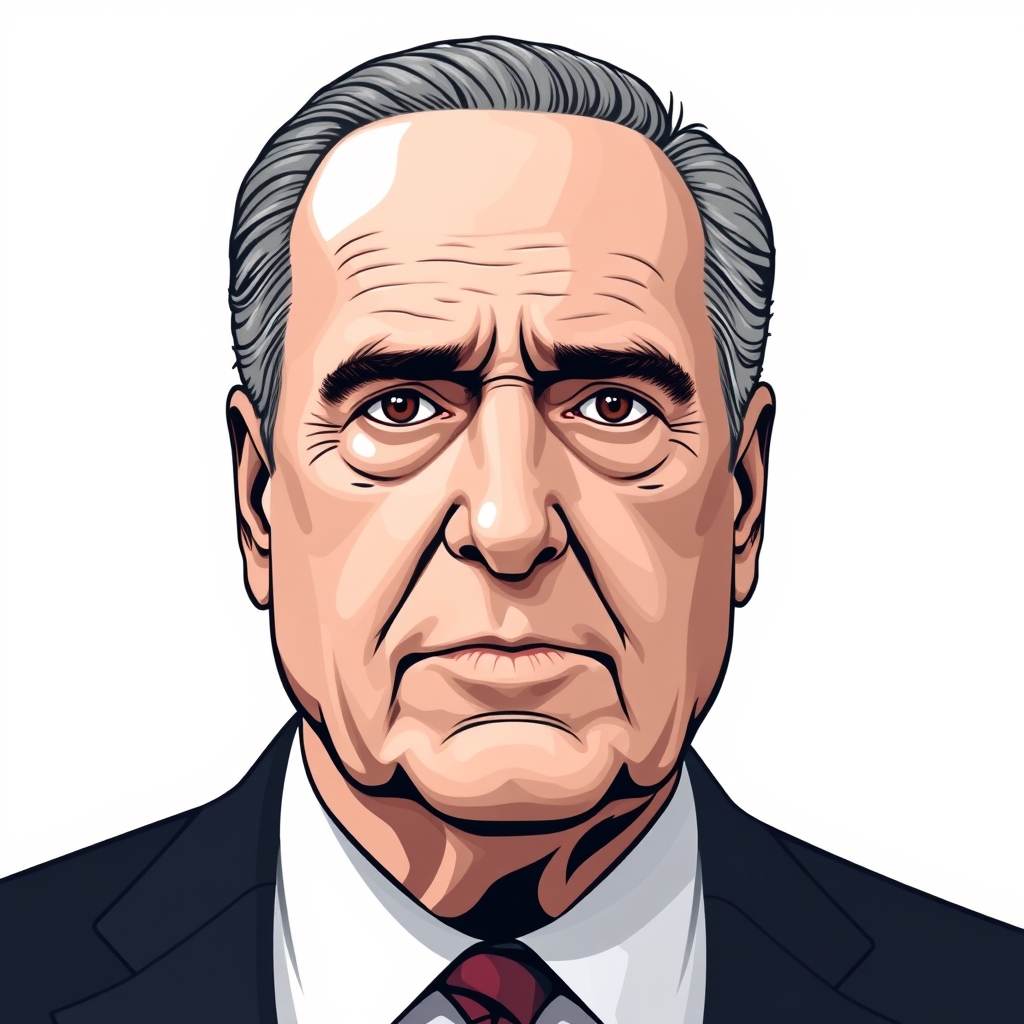
President Trump reversed his earlier stance and alleged fraud in the recent US midterm elections.
Democratic Senate leader Chuck Schumer criticized Trump's poll denialism, calling it an avoidable return to baseless claims.
*AI-generated summary of publicly available data. This is not an official statement of any party.
*AI-generated summary of publicly available statements and reporting. This is not an official statement of this party.
Supporters of Trump argue that questioning election results is a long American tradition, pointing to past contested races as precedent that skepticism about vote counts is legitimate rather than unprecedented.
Supporters of Trump argue that questioning election results is a long American tradition, pointing to past contested races as precedent that voicing fraud concerns is legitimate civic dissent, not denialism.
Supporters of Trump counter that the norm protecting election legitimacy has long been sustained by voters' trust, and that Democrats’ own past objections to certified results eroded that cultural consensus first.
Supporters of Trump argue that documented irregularities justify legal scrutiny of the midterm results, and they maintain that seeking review through courts and state authorities is a legitimate remedy, not denialism.
Supporters of Trump argue that documented irregularities justify legal scrutiny of the midterms, and they maintain that questioning results through proper channels is a legitimate exercise of oversight rather than denialism.
Supporters of Trump counter that legal standing to challenge election procedures doesn't require proof of fraud upfront—they argue courts should hear evidence on procedural irregularities before dismissing claims as unsubstantiated.
Supporters of Trump argue that alleging fraud, even without proof, keeps his base distrustful of Democratic victories and preserves his leverage over party institutions.
Supporters of Trump argue that alleging midterm fraud keeps his base mobilized and casts doubt on Democratic wins, preserving his leverage over party leaders like Schumer.
Supporters of Trump counter that Schumer's own calls to contest results in 2016 and 2000 show this is standard partisan leverage, so they frame Trump's challenge as reciprocating a tactic Democrats pioneered.
Supporters of Trump argue that questioning dubious election results is a moral duty to protect citizens' trust in democracy, and they maintain that Schumer's dismissal of fraud concerns unfairly silences legitimate worries about fairness.
Supporters of Trump argue that voicing suspicions of fraud is a matter of fairness, insisting that doubts about election integrity deserve a hearing rather than dismissal.
Supporters of Trump counter that the moral duty runs to voters who doubt the process, arguing that demanding unquestioning acceptance of results silences legitimate concerns rather than protecting trust.
Supporters of Trump argue that stewardship of lawful authority requires vigilance against fraud, invoking the principle that leadership is accountable to God for protecting the integrity of the vote.
Supporters of Trump invoke a moral duty to safeguard election integrity, arguing that scripture's call for honest scales and truthful judgment requires scrutinizing fraud claims rather than dismissing them as baseless.
Supporters of Trump counter that appeals to civic trust ring hollow when the same institutions are said to have failed to protect the integrity of the ballot, a duty they see as a matter of justice.
*AI-generated summary of publicly available statements and reporting. This is not an official statement of this party.
Supporters of Schumer argue that rejecting baseless fraud claims protects the shared civic norm that election results are legitimate, framing Trump's reversal as a cultural attack on that trust.
Supporters of Schumer argue that rejecting unfounded fraud claims protects the shared civic culture of accepting election outcomes, maintaining that leaders who question legitimate results erode public faith in democratic institutions.
Supporters of Schumer counter that past contested races were resolved through courts and concession, and they argue that repeatedly questioning results without evidence erodes the shared civic trust and norms that hold American democracy together.
Supporters of Schumer argue that Trump's fraud claims lack any legal evidence and that unsubstantiated allegations of electoral misconduct undermine public confidence in lawful election results.
Supporters of Schumer argue that alleging election fraud without evidence undermines the legal integrity of certified results, and they maintain that baseless claims impose costs on voters who rely on lawful outcomes.
Supporters of Schumer counter that courts and state authorities already reviewed the documented claims and rejected them, so relitigating settled results exceeds legal remedies and undermines the certification process states are bound to follow.
Supporters of Schumer argue that Trump's fraud claim is a calculated play for leverage, not conviction—contesting the count to keep his base mobilized and weaken Democratic victories.
Supporters of Schumer argue that Trump’s fraud claim is a deliberate power play: contesting legitimate results to keep his base mobilized and erode trust in institutions that constrain him.
Supporters of Schumer counter that unproven fraud claims cut both ways: they erode trust in the very elections that put Republicans in office, and give Democrats a ready-made rationale to challenge GOP wins and tighten rules on their own terms.
Supporters of Schumer argue that baseless fraud claims after the midterms corrode a core moral duty of leaders to respect verified results, and they maintain that conceding defeat honestly protects public trust.
Supporters of Schumer argue that a president who alleges fraud without evidence after the votes are counted undermines the moral duty to respect voters and the peaceful transfer of power.
Supporters of Schumer counter that a moral duty to protect democracy cannot rest on unproven fraud claims, arguing that amplifying doubts without evidence erodes the public trust it claims to defend.
Supporters of Schumer argue that respect for electoral institutions is a moral duty, and they maintain that leaders who cast doubt on legitimate results without evidence undermine the civic trust and ordered process that stable society depends upon.
Supporters of Schumer argue that leaders bear a moral duty to honor truthful witness, and they maintain that casting doubt on election results without evidence betrays that stewardship of public trust.
Supporters of Schumer counter that religious duty also binds leaders to truthfulness, and they argue that claims of widespread fraud, made without substantiation, violate the commandment against bearing false witness.
AI-generated summary of publicly available statements and reporting. This is not an official statement of this party.
Supporters of Trump argue that questioning election results is a long American tradition, pointing to past contested races as precedent that skepticism about vote counts is legitimate rather than unprecedented.
Supporters of Trump argue that questioning election results is a long American tradition, pointing to past contested races as precedent that voicing fraud concerns is legitimate civic dissent, not denialism.
Supporters of Trump counter that the norm protecting election legitimacy has long been sustained by voters' trust, and that Democrats’ own past objections to certified results eroded that cultural consensus first.
Supporters of Trump argue that documented irregularities justify legal scrutiny of the midterm results, and they maintain that seeking review through courts and state authorities is a legitimate remedy, not denialism.
Supporters of Trump argue that documented irregularities justify legal scrutiny of the midterms, and they maintain that questioning results through proper channels is a legitimate exercise of oversight rather than denialism.
Supporters of Trump counter that legal standing to challenge election procedures doesn't require proof of fraud upfront—they argue courts should hear evidence on procedural irregularities before dismissing claims as unsubstantiated.
Supporters of Trump argue that alleging fraud, even without proof, keeps his base distrustful of Democratic victories and preserves his leverage over party institutions.
Supporters of Trump argue that alleging midterm fraud keeps his base mobilized and casts doubt on Democratic wins, preserving his leverage over party leaders like Schumer.
Supporters of Trump counter that Schumer's own calls to contest results in 2016 and 2000 show this is standard partisan leverage, so they frame Trump's challenge as reciprocating a tactic Democrats pioneered.
Supporters of Trump argue that questioning dubious election results is a moral duty to protect citizens' trust in democracy, and they maintain that Schumer's dismissal of fraud concerns unfairly silences legitimate worries about fairness.
Supporters of Trump argue that voicing suspicions of fraud is a matter of fairness, insisting that doubts about election integrity deserve a hearing rather than dismissal.
Supporters of Trump counter that the moral duty runs to voters who doubt the process, arguing that demanding unquestioning acceptance of results silences legitimate concerns rather than protecting trust.
Supporters of Trump argue that stewardship of lawful authority requires vigilance against fraud, invoking the principle that leadership is accountable to God for protecting the integrity of the vote.
Supporters of Trump invoke a moral duty to safeguard election integrity, arguing that scripture's call for honest scales and truthful judgment requires scrutinizing fraud claims rather than dismissing them as baseless.
Supporters of Trump counter that appeals to civic trust ring hollow when the same institutions are said to have failed to protect the integrity of the ballot, a duty they see as a matter of justice.
Supporters of Schumer argue that rejecting baseless fraud claims protects the shared civic norm that election results are legitimate, framing Trump's reversal as a cultural attack on that trust.
Supporters of Schumer argue that rejecting unfounded fraud claims protects the shared civic culture of accepting election outcomes, maintaining that leaders who question legitimate results erode public faith in democratic institutions.
Supporters of Schumer counter that past contested races were resolved through courts and concession, and they argue that repeatedly questioning results without evidence erodes the shared civic trust and norms that hold American democracy together.
Supporters of Schumer argue that Trump's fraud claims lack any legal evidence and that unsubstantiated allegations of electoral misconduct undermine public confidence in lawful election results.
Supporters of Schumer argue that alleging election fraud without evidence undermines the legal integrity of certified results, and they maintain that baseless claims impose costs on voters who rely on lawful outcomes.
Supporters of Schumer counter that courts and state authorities already reviewed the documented claims and rejected them, so relitigating settled results exceeds legal remedies and undermines the certification process states are bound to follow.
Supporters of Schumer argue that Trump's fraud claim is a calculated play for leverage, not conviction—contesting the count to keep his base mobilized and weaken Democratic victories.
Supporters of Schumer argue that Trump’s fraud claim is a deliberate power play: contesting legitimate results to keep his base mobilized and erode trust in institutions that constrain him.
Supporters of Schumer counter that unproven fraud claims cut both ways: they erode trust in the very elections that put Republicans in office, and give Democrats a ready-made rationale to challenge GOP wins and tighten rules on their own terms.
Supporters of Schumer argue that baseless fraud claims after the midterms corrode a core moral duty of leaders to respect verified results, and they maintain that conceding defeat honestly protects public trust.
Supporters of Schumer argue that a president who alleges fraud without evidence after the votes are counted undermines the moral duty to respect voters and the peaceful transfer of power.
Supporters of Schumer counter that a moral duty to protect democracy cannot rest on unproven fraud claims, arguing that amplifying doubts without evidence erodes the public trust it claims to defend.
Supporters of Schumer argue that respect for electoral institutions is a moral duty, and they maintain that leaders who cast doubt on legitimate results without evidence undermine the civic trust and ordered process that stable society depends upon.
Supporters of Schumer argue that leaders bear a moral duty to honor truthful witness, and they maintain that casting doubt on election results without evidence betrays that stewardship of public trust.
Supporters of Schumer counter that religious duty also binds leaders to truthfulness, and they argue that claims of widespread fraud, made without substantiation, violate the commandment against bearing false witness.
Recent US midterm elections in which Trump alleged fraud after reversing his stance.