Speculation of military action
?
No actors in this side.
VS
Trump
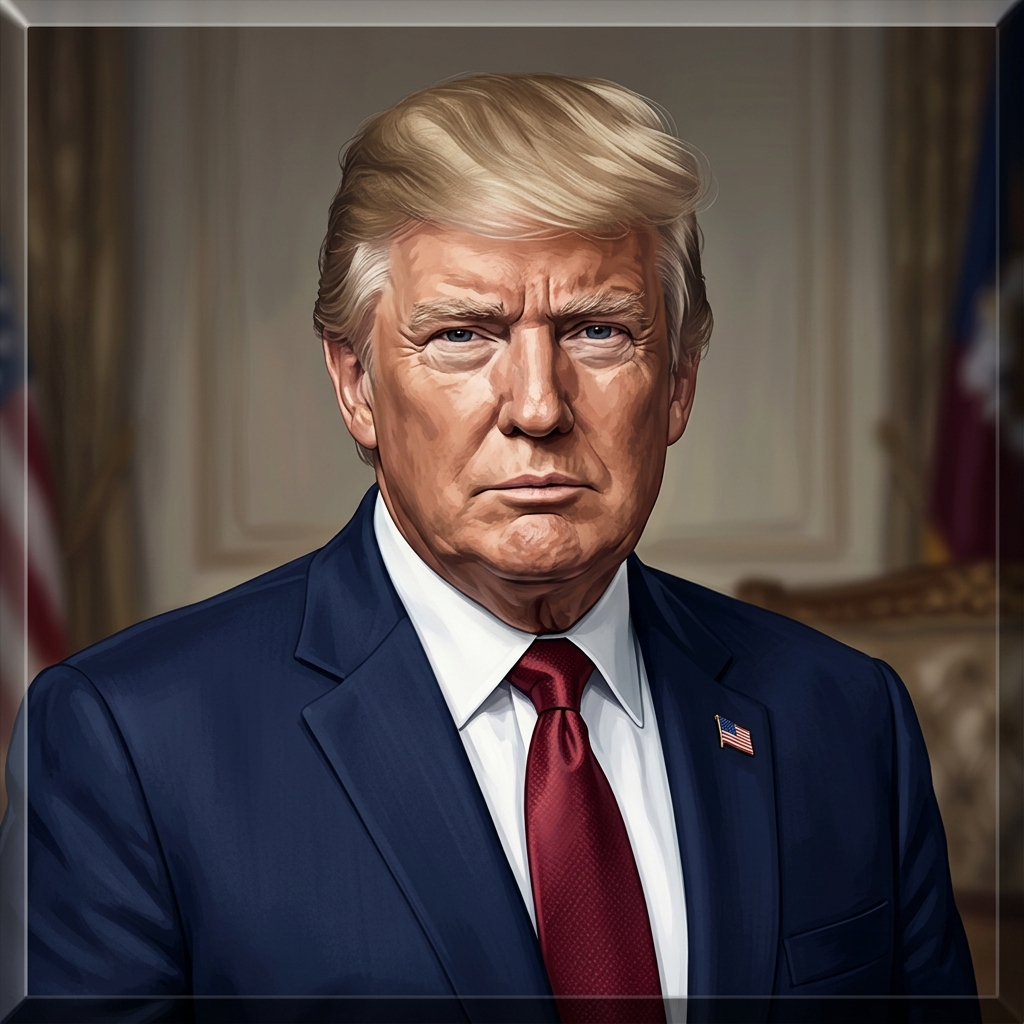
No actors in this side.
President Trump stated that the US will not strike Iran before the midterm elections, dismissing speculation of imminent military action.
The remarks come amid ongoing tensions between the US and Iran, and they influenced a drop in oil prices.
*AI-generated summary of publicly available data. This is not an official statement of any party.
*AI-generated summary of publicly available statements and reporting. This is not an official statement of this party.
Supporters of Speculation of military action argue that cultural distrust of Iran's regime makes any pause purely political, not a real change in intent.
Supporters of Speculation of military action argue that dismissing a strike for electoral timing signals that national security is being subordinated to domestic politics, undermining the cultural expectation that defense of the nation transcends partisan calendars.
Supporters of Speculation of military action counter that stability messaging erases the cultural cost of unresolved deployments, arguing that communities bearing the burden see calm markets as indifference to their sacrifice.
Supporters of Speculation of military action maintain that a pre-midterm strike on Iran would lack lawful congressional authorization, so they press for legal process over electoral timing.
Supporters of Speculation of military action argue that absent congressional authorization, a strike on Iran would violate domestic and international law, so Trump's public dismissal is legally irrelevant.
Supporters of Speculation of military action counter that announcing strike timing publicly undermines operational security and signals intent to adversaries, which they argue exceeds lawful discretion under the commander-in-chief power.
Supporters of Speculation of military action argue Trump's denial is itself leverage: keeping strikes plausible preserves deterrence and oil-market pressure, since only ambiguity, not reassurance, forces Iran to concede.
Supporters of Speculation of military action argue Trump's pre-midterm denial is a strategic feint, preserving leverage and market calm while keeping the strike option live—since words cost nothing and ambiguity maximizes pressure on Iran.
Supporters of Speculation of military action counter that denying imminent action before midterms steadies oil and markets, preserving room to strike later on favorable terms.
Supporters of speculation of military action argue that Trump’s pre-midterm denial is politically motivated, maintaining that electoral timing, not strategy, drives the Iran decision, and they point to the oil price drop as evidence markets treat the reassurance as fragile.
Supporters of Speculation of military action argue that linking a strike to election timing is itself the moral hazard, since it implies force is being weighed for political advantage rather than security need.
Supporters of Speculation of military action counter that waiting on Iran until after midterms is morally hollow: if the threat is real, voters' ballots can't justify leaving troops exposed while politicians dodge accountability.
Supporters of speculation of military action argue that restraint before elections reflects prudential, not moral, timing—citing scripture that rulers bear the sword as God's instrument of justice against evil.
Supporters of speculation about military action argue that religious tradition counsels prudence toward war, noting Scripture warns that even righteous causes bring ruin, and they maintain that dismissing such speculation risks the moral gravity of conflict.
Supporters of Speculation of military action counter that Scripture also charges rulers with wielding the sword to restrain evil, so peace-seeking rhetoric absent credible force may leave the innocent undefended.
*AI-generated summary of publicly available statements and reporting. This is not an official statement of this party.
Supporters of Trump argue his timing reflects a cultural preference for stability over spectacle, keeping markets calm and voters focused before midterms.
Supporters of Trump read his no-strike pledge as a cultural rebuke of permanent war, arguing that past administrations treated military action as routine and that restraint before an election reflects the public's will over Washington's habits.
Supporters of Trump counter that America's own history shows cultural distrust runs both ways, so pausing strikes reads as prudence earned by past wars, not mere politics.
Supporters of Trump argue that only the president holds constitutional authority to order military action, so his public statement that no strike is planned before the midterms is a lawful exercise of that power, not a concession to speculation.
Supporters of Trump argue that only the president holds constitutional authority over military action, so dismissing strike speculation before the midterms is lawful discretion, not concession.
Supporters of Trump counter that the president retains independent Article II authority to order limited military action without prior congressional approval, so the legal objection fails regardless of midterm timing.
Supporters of Trump argue the timing signals leverage: denying imminent action before midterms steadies oil and markets, preserving room to strike later on favorable terms.
Supporters of Trump argue the timing was the message: calming oil before midterms protects prices at the pump, and holding the strike card in reserve preserves leverage over Iran.
Supporters of Trump counter that ambiguity cuts both ways: publicly denying strikes while signaling readiness reads as indecision, and adversaries price in bluff, not resolve.
Supporters of Trump argue that delaying action on Iran until after the midterms is a moral choice that respects voters' right to weigh in before any war, prioritizing democratic accountability over rushed conflict.
Supporters of Trump argue that postponing any strike on Iran reflects a moral duty to avoid war without clear cause, prioritizing restraint and the safety of service members over speculation.
Supporters of Trump counter that casting the Iran decision as election-driven ignores the moral duty to protect American lives; they argue deterrence, not polling, guides the timing.
Supporters of Trump argue his restraint reflects a moral commitment to peace, honoring the scriptural call to seek peace and pursue it rather than rush into war.
Supporters of Trump argue that his refusal to strike Iran before the midterms reflects a moral restraint consistent with just-war doctrine, which holds that force requires grave cause and right intent, not political timing.
Supporters of Trump counter that scripture also warns against bloodshed without clear cause, and that deferring action for electoral timing risks the innocent—justice delayed is not justice.
AI-generated summary of publicly available statements and reporting. This is not an official statement of this party.
Supporters of Speculation of military action argue that cultural distrust of Iran's regime makes any pause purely political, not a real change in intent.
Supporters of Speculation of military action argue that dismissing a strike for electoral timing signals that national security is being subordinated to domestic politics, undermining the cultural expectation that defense of the nation transcends partisan calendars.
Supporters of Speculation of military action counter that stability messaging erases the cultural cost of unresolved deployments, arguing that communities bearing the burden see calm markets as indifference to their sacrifice.
Supporters of Speculation of military action maintain that a pre-midterm strike on Iran would lack lawful congressional authorization, so they press for legal process over electoral timing.
Supporters of Speculation of military action argue that absent congressional authorization, a strike on Iran would violate domestic and international law, so Trump's public dismissal is legally irrelevant.
Supporters of Speculation of military action counter that announcing strike timing publicly undermines operational security and signals intent to adversaries, which they argue exceeds lawful discretion under the commander-in-chief power.
Supporters of Speculation of military action argue Trump's denial is itself leverage: keeping strikes plausible preserves deterrence and oil-market pressure, since only ambiguity, not reassurance, forces Iran to concede.
Supporters of Speculation of military action argue Trump's pre-midterm denial is a strategic feint, preserving leverage and market calm while keeping the strike option live—since words cost nothing and ambiguity maximizes pressure on Iran.
Supporters of Speculation of military action counter that denying imminent action before midterms steadies oil and markets, preserving room to strike later on favorable terms.
Supporters of speculation of military action argue that Trump’s pre-midterm denial is politically motivated, maintaining that electoral timing, not strategy, drives the Iran decision, and they point to the oil price drop as evidence markets treat the reassurance as fragile.
Supporters of Speculation of military action argue that linking a strike to election timing is itself the moral hazard, since it implies force is being weighed for political advantage rather than security need.
Supporters of Speculation of military action counter that waiting on Iran until after midterms is morally hollow: if the threat is real, voters' ballots can't justify leaving troops exposed while politicians dodge accountability.
Supporters of speculation of military action argue that restraint before elections reflects prudential, not moral, timing—citing scripture that rulers bear the sword as God's instrument of justice against evil.
Supporters of speculation about military action argue that religious tradition counsels prudence toward war, noting Scripture warns that even righteous causes bring ruin, and they maintain that dismissing such speculation risks the moral gravity of conflict.
Supporters of Speculation of military action counter that Scripture also charges rulers with wielding the sword to restrain evil, so peace-seeking rhetoric absent credible force may leave the innocent undefended.
Supporters of Trump argue his timing reflects a cultural preference for stability over spectacle, keeping markets calm and voters focused before midterms.
Supporters of Trump read his no-strike pledge as a cultural rebuke of permanent war, arguing that past administrations treated military action as routine and that restraint before an election reflects the public's will over Washington's habits.
Supporters of Trump counter that America's own history shows cultural distrust runs both ways, so pausing strikes reads as prudence earned by past wars, not mere politics.
Supporters of Trump argue that only the president holds constitutional authority to order military action, so his public statement that no strike is planned before the midterms is a lawful exercise of that power, not a concession to speculation.
Supporters of Trump argue that only the president holds constitutional authority over military action, so dismissing strike speculation before the midterms is lawful discretion, not concession.
Supporters of Trump counter that the president retains independent Article II authority to order limited military action without prior congressional approval, so the legal objection fails regardless of midterm timing.
Supporters of Trump argue the timing signals leverage: denying imminent action before midterms steadies oil and markets, preserving room to strike later on favorable terms.
Supporters of Trump argue the timing was the message: calming oil before midterms protects prices at the pump, and holding the strike card in reserve preserves leverage over Iran.
Supporters of Trump counter that ambiguity cuts both ways: publicly denying strikes while signaling readiness reads as indecision, and adversaries price in bluff, not resolve.
Supporters of Trump argue that delaying action on Iran until after the midterms is a moral choice that respects voters' right to weigh in before any war, prioritizing democratic accountability over rushed conflict.
Supporters of Trump argue that postponing any strike on Iran reflects a moral duty to avoid war without clear cause, prioritizing restraint and the safety of service members over speculation.
Supporters of Trump counter that casting the Iran decision as election-driven ignores the moral duty to protect American lives; they argue deterrence, not polling, guides the timing.
Supporters of Trump argue his restraint reflects a moral commitment to peace, honoring the scriptural call to seek peace and pursue it rather than rush into war.
Supporters of Trump argue that his refusal to strike Iran before the midterms reflects a moral restraint consistent with just-war doctrine, which holds that force requires grave cause and right intent, not political timing.
Supporters of Trump counter that scripture also warns against bloodshed without clear cause, and that deferring action for electoral timing risks the innocent—justice delayed is not justice.
Oil prices drop as Trump dismisses speculation of pre-midterm military action against Iran.