Trump
VS
Supreme Court
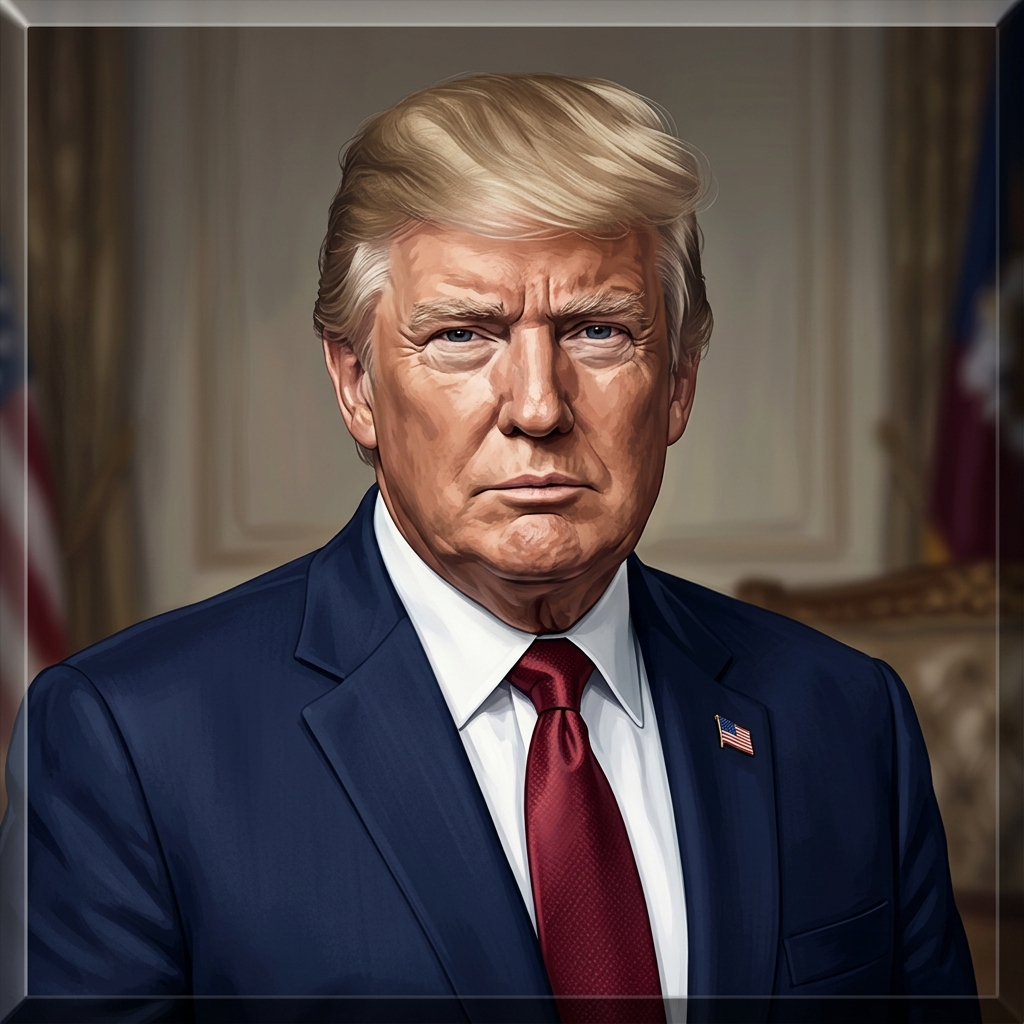
The Trump administration and the Supreme Court are the two parties in this dispute.
The Trump administration is the executive branch of the U.S. federal government under President Donald Trump, while the Supreme Court is the highest judicial body in the United States, composed of nine justices, three of whom were appointed by Trump during his presidency.
The conflict arises from a Supreme Court ruling that blocked a controversial change to mail ballot rules, which the Trump administration had sought to implement.
The administration, through Acting Attorney General Blanche, stated it would comply with the ruling, but President Trump publicly criticized the Supreme Court's decisions, claiming they set the country back 100 years.
This tension reflects broader disagreements over the scope of executive power and judicial review.
The stakes involve the balance of power between the executive and judicial branches, as well as the integrity of election procedures.
The Supreme Court's ruling and Trump's response highlight ongoing debates about presidential authority and the role of the judiciary in checking executive actions.
*AI-generated summary of publicly available data. This is not an official statement of any party.
*AI-generated summary of publicly available statements and reporting. This is not an official statement of this party.
Supporters of Trump frame the ruling as elite judges overriding voters' will, arguing that distant courts shouldn't dictate local ballot rules—a cultural claim that power belongs with the people, not unelected justices.
Supporters of Trump argue the Court's mail-ballot ruling reflects a cultural divide, insisting that centralized election rules protect local community traditions against imposed change.
Supporters of Trump counter that mail-ballot expansion itself breaks longstanding civic ritual, and that defending custom means restoring in-person voting traditions, not ratifying pandemic-era changes.
Supporters of Trump argue the Supreme Court overstepped by blocking the mail ballot change, and that elected officials, not unelected justices, should set election rules—though the administration says it will comply.
Supporters of Trump argue the Court overstepped by blocking a lawful executive change to mail ballot rules, and they maintain that elected officials, not unelected justices, should set election policy.
Supporters of Trump counter that executive compliance with a ruling is not the same as conceding its reasoning, arguing that the elected branch retains authority to challenge a decision's legal basis while still obeying it.
Supporters of Trump argue that openly complying with the ruling while publicly attacking the Court preserves executive leverage: compliance avoids a costly confrontation, while the "back 100 years" framing keeps the base mobilized against judicial constraint.
Supporters of Trump argue that publicly blasting the Court costs him nothing, since compliance was already conceded; the rhetoric keeps his base mobilized while signaling future fights.
Supporters of Trump counter that conceding to the Court forfeits leverage; they argue power is preserved by testing limits, since the Court depends on the executive to enforce anyway.
Supporters of Trump argue the Supreme Court overstepped by blocking mail ballot reforms, and they maintain that elected leaders, not unelected justices, should decide election rules.
Supporters of Trump argue that a Court blocking a mail ballot rule overrides voters and states, which they see as a moral wrong that sets the nation back 100 years.
Supporters of Trump counter that unelected justices wield unchecked power, imposing elite moral preferences on the public; they argue that voters, not the Court, hold the legitimate authority to decide.
Supporters of Trump invoke divine sovereignty, arguing the Court's ruling thwarts the people's God-given voice in elections; they maintain that defending fair ballots is a moral duty before God.
Supporters of Trump argue that the Court's mail-ballot ruling defies the moral order and the will of the people, insisting that righteous governance must answer to a higher law than judicial decree.
Supporters of Trump counter that the Court's rulings are not divine decree but human judgment, and that God-given authority rests with the people's elected leader, not unelected jurists.
*AI-generated summary of publicly available statements and reporting. This is not an official statement of this party.
Supporters of the Supreme Court frame its mail-ballot ruling as a defense of settled electoral customs, arguing that longstanding rules preserve public trust and that abrupt changes risk undermining the cultural legitimacy of elections.
Supporters of the Supreme Court frame its mail-ballot ruling as a defense of settled electoral rules against unilateral change, arguing that stable, law-bound procedures—not executive convenience—preserve the nation's constitutional identity.
Supporters of the Supreme Court counter that the judiciary's cultural role is to safeguard constitutional rights from majority whim, noting the Court has long shielded ballot access and equal protection regardless of local sentiment.
Supporters of the Supreme Court argue that its ruling on mail ballot rules is binding law, and that the executive branch's compliance, as stated by Acting Attorney General Blanche, upholds the legal order over political preference.
Supporters of the Supreme Court argue that the judiciary's role is to rule on lawful authority over mail ballot rules, and that compliance by the administration reflects the legal process working as intended.
Supporters of the Supreme Court counter that the judiciary's role is to interpret law, not defer to elected officials, and that courts have long struck down executive actions exceeding statutory authority.
Supporters of the Supreme Court argue that compliance costs the administration little while defiance would invite a legitimacy crisis, so the Court's ruling holds because the executive's own attorney general already conceded the point.
Supporters of the Supreme Court argue that its mail-ballot ruling binds even a resistant administration, and that Blanche's compliance pledge shows the Court's institutional leverage over executive power.
Supporters of the Supreme Court counter that public defiance costs nothing to surrender: a president who obeys while denouncing the ruling signals the Court can be ignored rhetorically, eroding the very authority that makes compliance worth trading for.
Supporters of the Supreme Court argue that the ruling upholds the rule of law over executive power, maintaining that no leader stands above the Constitution.
Supporters of the Supreme Court argue that defying a ruling would betray the rule of law, and that even a president is morally bound to obey the Court's interpretation of the Constitution.
Supporters of the Supreme Court counter that unelected justices still swear a moral oath to the Constitution, and that protecting lawful ballots from partisan tampering is a duty owed to God and neighbor, not a usurpation.
Supporters of the Supreme Court argue that its authority to interpret election rules reflects a God-given order where lawful institutions, not shifting political wills, safeguard justice and the common good.
Supporters of the Supreme Court frame its ruling as a check on executive power, arguing that orderly, lawful process—not a single leader's will—preserves the nation's inherited institutions.
Supporters of the Supreme Court counter that lawful authority itself is God-ordained, so honoring the Court's rulings upholds the people's voice rather than thwarting it, since Scripture calls for order and respect for established judgment.
AI-generated summary of publicly available statements and reporting. This is not an official statement of this party.
Supporters of Trump frame the ruling as elite judges overriding voters' will, arguing that distant courts shouldn't dictate local ballot rules—a cultural claim that power belongs with the people, not unelected justices.
Supporters of Trump argue the Court's mail-ballot ruling reflects a cultural divide, insisting that centralized election rules protect local community traditions against imposed change.
Supporters of Trump counter that mail-ballot expansion itself breaks longstanding civic ritual, and that defending custom means restoring in-person voting traditions, not ratifying pandemic-era changes.
Supporters of Trump argue the Supreme Court overstepped by blocking the mail ballot change, and that elected officials, not unelected justices, should set election rules—though the administration says it will comply.
Supporters of Trump argue the Court overstepped by blocking a lawful executive change to mail ballot rules, and they maintain that elected officials, not unelected justices, should set election policy.
Supporters of Trump counter that executive compliance with a ruling is not the same as conceding its reasoning, arguing that the elected branch retains authority to challenge a decision's legal basis while still obeying it.
Supporters of Trump argue that openly complying with the ruling while publicly attacking the Court preserves executive leverage: compliance avoids a costly confrontation, while the "back 100 years" framing keeps the base mobilized against judicial constraint.
Supporters of Trump argue that publicly blasting the Court costs him nothing, since compliance was already conceded; the rhetoric keeps his base mobilized while signaling future fights.
Supporters of Trump counter that conceding to the Court forfeits leverage; they argue power is preserved by testing limits, since the Court depends on the executive to enforce anyway.
Supporters of Trump argue the Supreme Court overstepped by blocking mail ballot reforms, and they maintain that elected leaders, not unelected justices, should decide election rules.
Supporters of Trump argue that a Court blocking a mail ballot rule overrides voters and states, which they see as a moral wrong that sets the nation back 100 years.
Supporters of Trump counter that unelected justices wield unchecked power, imposing elite moral preferences on the public; they argue that voters, not the Court, hold the legitimate authority to decide.
Supporters of Trump invoke divine sovereignty, arguing the Court's ruling thwarts the people's God-given voice in elections; they maintain that defending fair ballots is a moral duty before God.
Supporters of Trump argue that the Court's mail-ballot ruling defies the moral order and the will of the people, insisting that righteous governance must answer to a higher law than judicial decree.
Supporters of Trump counter that the Court's rulings are not divine decree but human judgment, and that God-given authority rests with the people's elected leader, not unelected jurists.
Supporters of the Supreme Court frame its mail-ballot ruling as a defense of settled electoral customs, arguing that longstanding rules preserve public trust and that abrupt changes risk undermining the cultural legitimacy of elections.
Supporters of the Supreme Court frame its mail-ballot ruling as a defense of settled electoral rules against unilateral change, arguing that stable, law-bound procedures—not executive convenience—preserve the nation's constitutional identity.
Supporters of the Supreme Court counter that the judiciary's cultural role is to safeguard constitutional rights from majority whim, noting the Court has long shielded ballot access and equal protection regardless of local sentiment.
Supporters of the Supreme Court argue that its ruling on mail ballot rules is binding law, and that the executive branch's compliance, as stated by Acting Attorney General Blanche, upholds the legal order over political preference.
Supporters of the Supreme Court argue that the judiciary's role is to rule on lawful authority over mail ballot rules, and that compliance by the administration reflects the legal process working as intended.
Supporters of the Supreme Court counter that the judiciary's role is to interpret law, not defer to elected officials, and that courts have long struck down executive actions exceeding statutory authority.
Supporters of the Supreme Court argue that compliance costs the administration little while defiance would invite a legitimacy crisis, so the Court's ruling holds because the executive's own attorney general already conceded the point.
Supporters of the Supreme Court argue that its mail-ballot ruling binds even a resistant administration, and that Blanche's compliance pledge shows the Court's institutional leverage over executive power.
Supporters of the Supreme Court counter that public defiance costs nothing to surrender: a president who obeys while denouncing the ruling signals the Court can be ignored rhetorically, eroding the very authority that makes compliance worth trading for.
Supporters of the Supreme Court argue that the ruling upholds the rule of law over executive power, maintaining that no leader stands above the Constitution.
Supporters of the Supreme Court argue that defying a ruling would betray the rule of law, and that even a president is morally bound to obey the Court's interpretation of the Constitution.
Supporters of the Supreme Court counter that unelected justices still swear a moral oath to the Constitution, and that protecting lawful ballots from partisan tampering is a duty owed to God and neighbor, not a usurpation.
Supporters of the Supreme Court argue that its authority to interpret election rules reflects a God-given order where lawful institutions, not shifting political wills, safeguard justice and the common good.
Supporters of the Supreme Court frame its ruling as a check on executive power, arguing that orderly, lawful process—not a single leader's will—preserves the nation's inherited institutions.
Supporters of the Supreme Court counter that lawful authority itself is God-ordained, so honoring the Court's rulings upholds the people's voice rather than thwarting it, since Scripture calls for order and respect for established judgment.
The Supreme Court blocked a controversial change to mail ballot rules.
Acting Attorney General Blanche stated the administration will comply with the mail ballot ruling.
Trump claimed Supreme Court decisions set the US 'back 100 years'.
On the second-to-last day of Supreme Court decisions, the Court issued rulings that resulted in one win and three defeats for Trump, including an expansion of presidential power.
The Supreme Court held that a former president has absolute immunity from criminal prosecution for actions within his conclusive and preclusive constitutional authority, and presumptive immunity for other official acts.