Ukrainian and European officials

VS
Trump
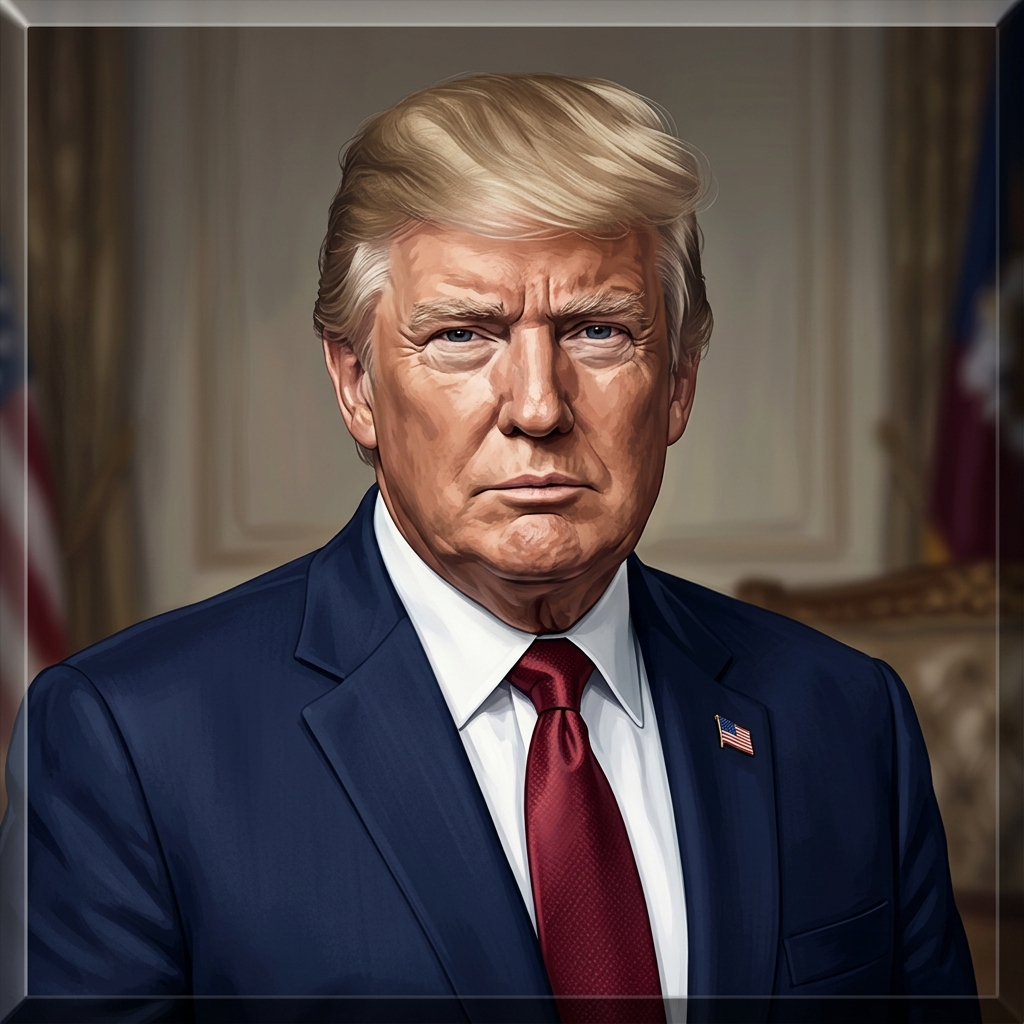
President Trump has stated that Ukraine should 'get a new leader' and blamed President Zelenskyy for rising diesel prices, while also finalizing a diesel deal with Russia.
Ukrainian and European officials have reacted with dismay, arguing the deal will help fund Russia's war efforts.
*AI-generated summary of publicly available data. This is not an official statement of any party.
*AI-generated summary of publicly available statements and reporting. This is not an official statement of this party.
Supporters of Ukrainian and European officials argue that Trump's diesel deal with Russia betrays Ukraine's cultural sovereignty by funding the war effort, and they maintain that demanding a new leader denies Ukrainians their right to self-determination.
Supporters of Ukrainian and European officials argue that Trump's call for a new Ukrainian leader amounts to outsiders dictating who a sovereign nation may choose, a cultural affront to Ukraine's right of self-determination.
Supporters of Ukrainian and European officials counter that sovereignty is bound to cultural identity, not imposed from outside, and that a nation’s chosen alliances reflect its own people’s will rather than foreign dependency.
Supporters of Ukrainian and European officials argue that a diesel deal finalized with Russia while Trump calls for Ukraine's leadership change violates international law by funding an illegal war of aggression.
Supporters of Ukrainian and European officials argue that finalizing a diesel deal with Russia while it wages war may breach international law against funding aggression, so they call for legal scrutiny.
Supporters of Ukrainian and European officials counter that executive authority over commerce does not extend to pressuring a sovereign state's leadership, which they argue violates international law and Ukraine's sovereignty.
Supporters of Ukrainian and European officials argue Trump's demand for a new leader and his diesel deal with Russia reveal a power play: they contend the West is being pressed to trade Ukraine's sovereignty for cheaper fuel.
Supporters of Ukrainian and European officials argue Trump's diesel deal and call for a new leader show he prizes leverage over Kyiv's survival, pressing Ukraine to accept terms that fund Russia's war.
Supporters of Ukrainian and European officials counter that ceding territory and replacing Zelenskyy rewards Moscow's leverage, while Russian diesel revenue funds the war, so Trump's "leverage" simply shifts power to Putin.
Supporters of Ukrainian and European officials argue it is morally incoherent to demand Ukraine replace its elected leader while buying Russian diesel that funds the war against Ukraine.
Supporters of Ukrainian and European officials argue it is morally incoherent to demand Ukraine replace its elected leader while buying diesel that funds the bombs falling on Ukrainians.
Supporters of Ukrainian and European officials counter that rewarding Moscow with energy deals while demanding Kyiv swap leaders morally equates the aggressor with the victim, undermining accountability rather than serving it.
Supporters of Ukrainian and European officials invoke just-war doctrine, arguing that trading with an aggressor while telling Ukraine to replace its leader makes Western nations complicit in funding unjust bloodshed.
Supporters of Ukrainian and European officials invoke just-war doctrine, arguing that trading with an aggressor makes one complicit in bloodshed, and that Scripture's call to seek peace obliges nations to deny Russia the means to wage war.
Supporters of Ukrainian and European officials counter that scripture calls the powerful to defend the innocent, not to trade justice for diesel profits, and that true stability rests on honoring sovereignty, not on deals that reward aggression.
*AI-generated summary of publicly available statements and reporting. This is not an official statement of this party.
Supporters of Trump frame his demand for new Ukrainian leadership as defending national sovereignty against entrenched foreign dependency, arguing that inherited alliances should not override a leader’s duty to his own people’s stability.
Supporters of Trump argue that questioning foreign leaders and pursuing direct energy deals reflects a preference for transactional diplomacy over inherited alliance obligations, prioritizing domestic fuel prices and sovereignty.
Supporters of Trump counter that Ukraine's cultural sovereignty has long been entangled with Western institutions, and they argue that demanding accountability through elections restores Ukrainians' self-determination rather than denying it.
Supporters of Trump argue that as head of state he holds lawful authority over foreign commerce, so the diesel deal and his remarks on Ukraine's leadership fall within executive power.
Supporters of Trump argue that a U.S. president may lawfully pursue bilateral trade deals and voice opinions on foreign leadership, since no statute or treaty bars either.
Supporters of Trump counter that international law does not bar sovereign states from lawful trade, and that private diesel deals are voluntary market transactions, not a legal determination of any war's status.
Supporters of Trump argue that pressuring Kyiv to replace Zelenskyy and buying Russian diesel serves leverage, not sentiment: Washington secures energy and forces Europe to shoulder more of the war's cost.
Supporters of Trump argue that pressuring Kyiv to replace Zelenskyy and buying Russian diesel serve one aim: ending the war on terms favorable to Washington, since leverage, not sentiment, dictates outcomes.
Supporters of Trump counter that the diesel deal secures cheaper fuel, and they argue critics invoke sovereignty only when losing leverage; a new leader is framed as the price of ending the war.
Supporters of Trump argue that prioritizing a diesel deal with Russia serves American energy needs, and they maintain that calling for new Ukrainian leadership is a pragmatic push for accountability rather than an endorsement of Russia's war.
Supporters of Trump argue that securing affordable diesel for Americans takes moral priority over funding foreign conflicts, and that leaders who fail their people forfeit the right to expect Western support.
Supporters of Trump counter that demanding Ukraine hold elections while Europe keeps buying Russian fuel is the real moral inconsistency, since those purchases fund the war they claim to oppose.
Supporters of Trump argue that backing Ukraine's defense of its sovereignty aligns with religious commitments to justice and the dignity of peoples, and they maintain that the diesel deal serves broader stability.
Supporters of Trump argue that backing Ukraine's cause should not come before America's own order, and that restoring stability with Russia reflects a prudential, not moral, duty.
Supporters of Trump counter that just-war doctrine also demands prudence and the swift restoration of peace, and that ending the bloodshed through negotiation reflects the moral duty to protect innocent life rather than prolong conflict.
AI-generated summary of publicly available statements and reporting. This is not an official statement of this party.
Supporters of Ukrainian and European officials argue that Trump's diesel deal with Russia betrays Ukraine's cultural sovereignty by funding the war effort, and they maintain that demanding a new leader denies Ukrainians their right to self-determination.
Supporters of Ukrainian and European officials argue that Trump's call for a new Ukrainian leader amounts to outsiders dictating who a sovereign nation may choose, a cultural affront to Ukraine's right of self-determination.
Supporters of Ukrainian and European officials counter that sovereignty is bound to cultural identity, not imposed from outside, and that a nation’s chosen alliances reflect its own people’s will rather than foreign dependency.
Supporters of Ukrainian and European officials argue that a diesel deal finalized with Russia while Trump calls for Ukraine's leadership change violates international law by funding an illegal war of aggression.
Supporters of Ukrainian and European officials argue that finalizing a diesel deal with Russia while it wages war may breach international law against funding aggression, so they call for legal scrutiny.
Supporters of Ukrainian and European officials counter that executive authority over commerce does not extend to pressuring a sovereign state's leadership, which they argue violates international law and Ukraine's sovereignty.
Supporters of Ukrainian and European officials argue Trump's demand for a new leader and his diesel deal with Russia reveal a power play: they contend the West is being pressed to trade Ukraine's sovereignty for cheaper fuel.
Supporters of Ukrainian and European officials argue Trump's diesel deal and call for a new leader show he prizes leverage over Kyiv's survival, pressing Ukraine to accept terms that fund Russia's war.
Supporters of Ukrainian and European officials counter that ceding territory and replacing Zelenskyy rewards Moscow's leverage, while Russian diesel revenue funds the war, so Trump's "leverage" simply shifts power to Putin.
Supporters of Ukrainian and European officials argue it is morally incoherent to demand Ukraine replace its elected leader while buying Russian diesel that funds the war against Ukraine.
Supporters of Ukrainian and European officials argue it is morally incoherent to demand Ukraine replace its elected leader while buying diesel that funds the bombs falling on Ukrainians.
Supporters of Ukrainian and European officials counter that rewarding Moscow with energy deals while demanding Kyiv swap leaders morally equates the aggressor with the victim, undermining accountability rather than serving it.
Supporters of Ukrainian and European officials invoke just-war doctrine, arguing that trading with an aggressor while telling Ukraine to replace its leader makes Western nations complicit in funding unjust bloodshed.
Supporters of Ukrainian and European officials invoke just-war doctrine, arguing that trading with an aggressor makes one complicit in bloodshed, and that Scripture's call to seek peace obliges nations to deny Russia the means to wage war.
Supporters of Ukrainian and European officials counter that scripture calls the powerful to defend the innocent, not to trade justice for diesel profits, and that true stability rests on honoring sovereignty, not on deals that reward aggression.
Supporters of Trump frame his demand for new Ukrainian leadership as defending national sovereignty against entrenched foreign dependency, arguing that inherited alliances should not override a leader’s duty to his own people’s stability.
Supporters of Trump argue that questioning foreign leaders and pursuing direct energy deals reflects a preference for transactional diplomacy over inherited alliance obligations, prioritizing domestic fuel prices and sovereignty.
Supporters of Trump counter that Ukraine's cultural sovereignty has long been entangled with Western institutions, and they argue that demanding accountability through elections restores Ukrainians' self-determination rather than denying it.
Supporters of Trump argue that as head of state he holds lawful authority over foreign commerce, so the diesel deal and his remarks on Ukraine's leadership fall within executive power.
Supporters of Trump argue that a U.S. president may lawfully pursue bilateral trade deals and voice opinions on foreign leadership, since no statute or treaty bars either.
Supporters of Trump counter that international law does not bar sovereign states from lawful trade, and that private diesel deals are voluntary market transactions, not a legal determination of any war's status.
Supporters of Trump argue that pressuring Kyiv to replace Zelenskyy and buying Russian diesel serves leverage, not sentiment: Washington secures energy and forces Europe to shoulder more of the war's cost.
Supporters of Trump argue that pressuring Kyiv to replace Zelenskyy and buying Russian diesel serve one aim: ending the war on terms favorable to Washington, since leverage, not sentiment, dictates outcomes.
Supporters of Trump counter that the diesel deal secures cheaper fuel, and they argue critics invoke sovereignty only when losing leverage; a new leader is framed as the price of ending the war.
Supporters of Trump argue that prioritizing a diesel deal with Russia serves American energy needs, and they maintain that calling for new Ukrainian leadership is a pragmatic push for accountability rather than an endorsement of Russia's war.
Supporters of Trump argue that securing affordable diesel for Americans takes moral priority over funding foreign conflicts, and that leaders who fail their people forfeit the right to expect Western support.
Supporters of Trump counter that demanding Ukraine hold elections while Europe keeps buying Russian fuel is the real moral inconsistency, since those purchases fund the war they claim to oppose.
Supporters of Trump argue that backing Ukraine's defense of its sovereignty aligns with religious commitments to justice and the dignity of peoples, and they maintain that the diesel deal serves broader stability.
Supporters of Trump argue that backing Ukraine's cause should not come before America's own order, and that restoring stability with Russia reflects a prudential, not moral, duty.
Supporters of Trump counter that just-war doctrine also demands prudence and the swift restoration of peace, and that ending the bloodshed through negotiation reflects the moral duty to protect innocent life rather than prolong conflict.
Trump finalized a diesel deal with Russia, which Ukrainian and European officials say will help pay for Russia's war efforts.
Trump said Ukraine should 'get a new leader' and blamed Zelenskyy for diesel prices.