Trump
VS
US Congress members
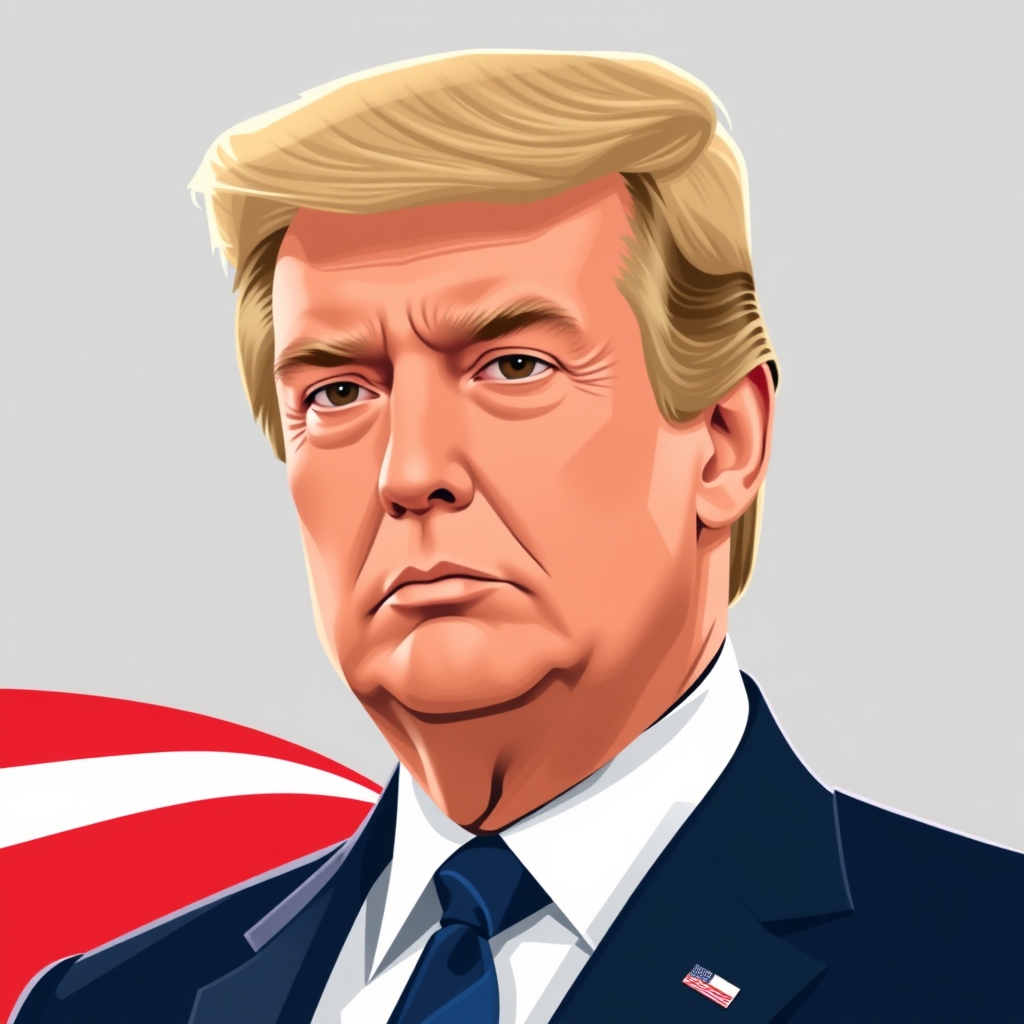
Donald Trump is the 45th President of the United States, a businessman and political figure who has been a central and controversial force in American politics.
Members of the US Congress are the elected representatives and senators who make up the legislative branch of the US government, tasked with oversight and lawmaking.
Their conflict is rooted in fundamental disagreements over presidential power, accountability, and the rule of law.
Trump has faced accusations of abusing his office, including calls for the execution of Democratic lawmakers, profiting from the presidency, and attempting to overturn the 2020 election results.
Congress has responded with impeachment proceedings, lawsuits, and investigations, seeking to hold him accountable for actions they view as unconstitutional and a threat to democratic governance.
The stakes are high, as these clashes have tested the limits of presidential immunity, the impeachment process, and the balance of power between the executive and legislative branches.
The Supreme Court's ruling in Trump v.
United States, which addressed presidential immunity, has further fueled the debate over the extent of executive power and the ability of Congress to check it.
*AI-generated summary of publicly available data. This is not an official statement of any party.
*AI-generated summary of publicly available statements and reporting. This is not an official statement of this party.
Supporters of Trump argue that congressional probes into military morale undermine the chain of command and the stoic tradition of naval service, which prizes resilience over external scrutiny.
Supporters of Trump argue that dismissing the probe reflects a defense of military order and institutional resilience, viewing the reports as a challenge to the Navy’s honor and cultural continuity.
Supporters of Trump counter that the military’s covenant of honor is rooted in mission readiness and discipline, not individual grievance, and that precedent affirms leadership’s authority to prioritize operational unity over personal narratives.
Supporters of Trump argue that congressional probes exceed legal oversight, as the President retains command authority over military readiness under the Constitution.
Supporters of Trump argue that Congress lacks jurisdiction to probe internal Navy readiness, citing executive authority over military command and the President's constitutional role as Commander-in-Chief.
Supporters of Trump counter that the probe exceeds congressional authority, as service-member welfare falls under executive command discretion, not legislative oversight, citing statutory limits on interference with military operations.
Supporters of Trump argue Congress probes are political theater, not genuine concern, pointing to the timing of the calls as leverage against the administration.
Supporters of Trump argue the probe is a congressional power grab, not a health crisis; in their view, the reports are inflated to weaken presidential authority over the military, and Trump’s dismissal reflects a pragmatic focus on discipline over optics.
Supporters of Trump counter that the probe is political theater, not leverage: Congress members weaponize sailor distress to distract from their own oversight failures, while Trump’s dismissal reflects a pragmatic chain-of-command stance that voters reward over performative empat.
Supporters of Trump argue that Congress’s probe presumes guilt before evidence, and that respecting military discipline honors the sailors’ moral duty to endure hardship without political interference.
Supporters of Trump argue that dismissing the sailors' reports is not callous but a moral defense of military discipline, insisting that faith in the chain of command, not panic, upholds duty and order.
Supporters of Trump counter that moral duty also demands mission readiness, and coddling perceived weakness undermines the warrior ethos protecting the nation.
Supporters of Trump argue that dismissing the sailors’ distress reflects a higher calling to duty and resilience, viewing the carrier’s mission as sacred service that transcends individual hardship, with faith in God-given strength over secular worry.
Supporters of Trump argue that dismissing the sailors' reports reflects a divine order in command, where resilience overrides emotional frailty, citing scripture on steadfastness in trials.
Supporters of Trump counter that scripture also upholds righteous judgment, as in Proverbs 24:11-12, where accountability for the vulnerable demands truth over unchecked claims, and a probe must first verify facts to avoid harming the innocent.
*AI-generated summary of publicly available statements and reporting. This is not an official statement of this party.
Supporters of US Congress members argue that dismissing sailors' distress erodes the military's cultural covenant of honor, where service members' sacrifices demand respect for their lived struggles.
Supporters of US Congress members argue that the crew’s welfare reflects the nation’s honor, and that dismissing mental health distress erodes the military’s cultural duty to protect its own.
Supporters of US Congress members counter that the stoic naval tradition itself demands accountability, as honor includes answering to the people’s representatives.
Supporters of US Congress members argue that the probe is legally required oversight, citing reports of sailors attempting self-harm as evidence that the military must fulfill its duty-of-care obligations under federal law.
Supporters of US Congress members argue that the USS Lincoln probe is a legal obligation under congressional oversight, citing reports of sailor distress as grounds for a formal inquiry into military conditions.
Supporters of US Congress members counter that the Constitution grants Congress explicit power to fund, regulate, and investigate the military, making oversight a lawful check, not an overreach, on executive command.
Supporters of US Congress members argue the probe is leverage, not compassion: Trump’s dismissal of sailor distress hands them a wedge to expose command failures and erode his credibility.
Supporters of US Congress members argue the probe is leverage, not compassion: forcing Trump to answer for the carrier’s morale keeps the executive branch off-balance and bolsters congressional power over military oversight.
Supporters of US Congress members counter that the probes are a calculated reassertion of institutional leverage, not mere theater, since oversight power is the only check against executive overreach.
Supporters of US Congress members argue that dismissing sailors’ mental health struggles as weakness betrays a moral duty to protect those who serve.
Supporters of US Congress members argue that dismissing sailors' mental health struggles as weakness violates the moral duty to protect those who serve. They maintain that a probe honors individual dignity over institutional denial.
Supporters of US Congress members counter that oversight is itself a moral safeguard, not a presumption of guilt, and that military discipline cannot excuse a breach of constitutional accountability, for duty to country includes upholding the rule of law.
Supporters of US Congress members argue that scripture commands stewards to care for the vulnerable, citing Proverbs 24:11-12 on rescuing those drawn to death, so a probe honors divine duty over dismissive pride.
Supporters of US Congress members argue that scripture commands leaders to tend the flock with compassion, and dismissing sailors' despair defies the divine duty to protect life, which they see as sacred.
Supporters of US Congress members counter that scripture commands compassion for the afflicted, not glorified indifference, citing Proverbs that a righteous man regards the life of his beast, and that no mission sanctifies neglect of human suffering.
AI-generated summary of publicly available statements and reporting. This is not an official statement of this party.
Supporters of Trump argue that congressional probes into military morale undermine the chain of command and the stoic tradition of naval service, which prizes resilience over external scrutiny.
Supporters of Trump argue that dismissing the probe reflects a defense of military order and institutional resilience, viewing the reports as a challenge to the Navy’s honor and cultural continuity.
Supporters of Trump counter that the military’s covenant of honor is rooted in mission readiness and discipline, not individual grievance, and that precedent affirms leadership’s authority to prioritize operational unity over personal narratives.
Supporters of Trump argue that congressional probes exceed legal oversight, as the President retains command authority over military readiness under the Constitution.
Supporters of Trump argue that Congress lacks jurisdiction to probe internal Navy readiness, citing executive authority over military command and the President's constitutional role as Commander-in-Chief.
Supporters of Trump counter that the probe exceeds congressional authority, as service-member welfare falls under executive command discretion, not legislative oversight, citing statutory limits on interference with military operations.
Supporters of Trump argue Congress probes are political theater, not genuine concern, pointing to the timing of the calls as leverage against the administration.
Supporters of Trump argue the probe is a congressional power grab, not a health crisis; in their view, the reports are inflated to weaken presidential authority over the military, and Trump’s dismissal reflects a pragmatic focus on discipline over optics.
Supporters of Trump counter that the probe is political theater, not leverage: Congress members weaponize sailor distress to distract from their own oversight failures, while Trump’s dismissal reflects a pragmatic chain-of-command stance that voters reward over performative empat.
Supporters of Trump argue that Congress’s probe presumes guilt before evidence, and that respecting military discipline honors the sailors’ moral duty to endure hardship without political interference.
Supporters of Trump argue that dismissing the sailors' reports is not callous but a moral defense of military discipline, insisting that faith in the chain of command, not panic, upholds duty and order.
Supporters of Trump counter that moral duty also demands mission readiness, and coddling perceived weakness undermines the warrior ethos protecting the nation.
Supporters of Trump argue that dismissing the sailors’ distress reflects a higher calling to duty and resilience, viewing the carrier’s mission as sacred service that transcends individual hardship, with faith in God-given strength over secular worry.
Supporters of Trump argue that dismissing the sailors' reports reflects a divine order in command, where resilience overrides emotional frailty, citing scripture on steadfastness in trials.
Supporters of Trump counter that scripture also upholds righteous judgment, as in Proverbs 24:11-12, where accountability for the vulnerable demands truth over unchecked claims, and a probe must first verify facts to avoid harming the innocent.
Supporters of US Congress members argue that dismissing sailors' distress erodes the military's cultural covenant of honor, where service members' sacrifices demand respect for their lived struggles.
Supporters of US Congress members argue that the crew’s welfare reflects the nation’s honor, and that dismissing mental health distress erodes the military’s cultural duty to protect its own.
Supporters of US Congress members counter that the stoic naval tradition itself demands accountability, as honor includes answering to the people’s representatives.
Supporters of US Congress members argue that the probe is legally required oversight, citing reports of sailors attempting self-harm as evidence that the military must fulfill its duty-of-care obligations under federal law.
Supporters of US Congress members argue that the USS Lincoln probe is a legal obligation under congressional oversight, citing reports of sailor distress as grounds for a formal inquiry into military conditions.
Supporters of US Congress members counter that the Constitution grants Congress explicit power to fund, regulate, and investigate the military, making oversight a lawful check, not an overreach, on executive command.
Supporters of US Congress members argue the probe is leverage, not compassion: Trump’s dismissal of sailor distress hands them a wedge to expose command failures and erode his credibility.
Supporters of US Congress members argue the probe is leverage, not compassion: forcing Trump to answer for the carrier’s morale keeps the executive branch off-balance and bolsters congressional power over military oversight.
Supporters of US Congress members counter that the probes are a calculated reassertion of institutional leverage, not mere theater, since oversight power is the only check against executive overreach.
Supporters of US Congress members argue that dismissing sailors’ mental health struggles as weakness betrays a moral duty to protect those who serve.
Supporters of US Congress members argue that dismissing sailors' mental health struggles as weakness violates the moral duty to protect those who serve. They maintain that a probe honors individual dignity over institutional denial.
Supporters of US Congress members counter that oversight is itself a moral safeguard, not a presumption of guilt, and that military discipline cannot excuse a breach of constitutional accountability, for duty to country includes upholding the rule of law.
Supporters of US Congress members argue that scripture commands stewards to care for the vulnerable, citing Proverbs 24:11-12 on rescuing those drawn to death, so a probe honors divine duty over dismissive pride.
Supporters of US Congress members argue that scripture commands leaders to tend the flock with compassion, and dismissing sailors' despair defies the divine duty to protect life, which they see as sacred.
Supporters of US Congress members counter that scripture commands compassion for the afflicted, not glorified indifference, citing Proverbs that a righteous man regards the life of his beast, and that no mission sanctifies neglect of human suffering.
Members of the US Congress have called for a probe into conditions amid reports of sailors attempting to jump ship.
A House resolution (H.Res.939) was introduced to impeach President Trump, citing his call for the execution of six Democratic lawmakers, all serving in the U.S. Senate or House.
A federal district judge permitted a lawsuit brought by 200 lawmakers to move forward, alleging that Trump is violating the Constitution by receiving profits from foreign and domestic sources.
The Supreme Court issued a ruling in Trump v. United States that raised new questions about presidential immunity, leading to widespread criticism and debate over the scope of executive power.
An indictment alleged that after losing the 2020 election, Trump conspired to overturn it by spreading knowingly false claims of election fraud to obstruct the certification of the results.
Several members of Congress and Capitol police officers filed civil lawsuits against Trump seeking damages for his actions related to the January 6 attack on the U.S. Capitol.