US Court of Appeals

VS
Trump
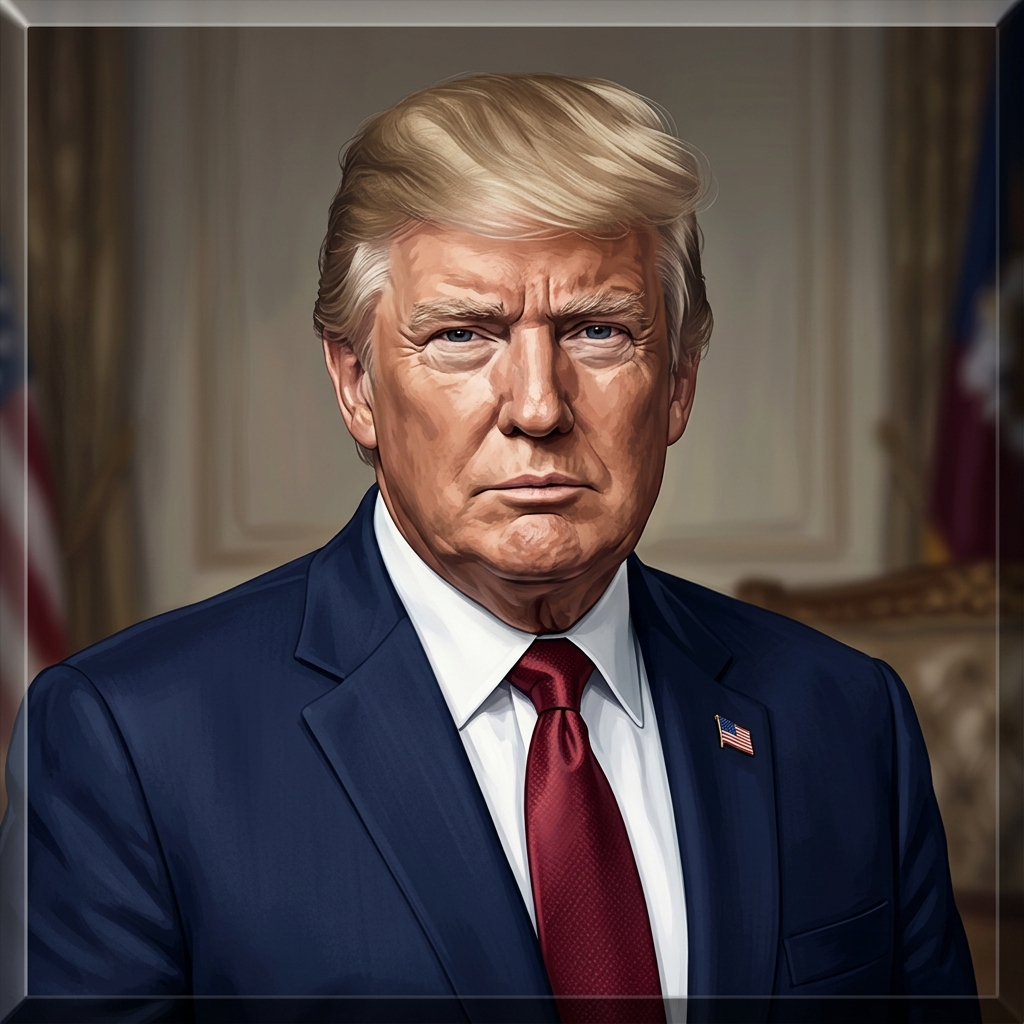
Donald Trump is the former President of the United States, and the U.S.
Court of Appeals for the D.C.
Circuit is a federal appellate court that reviews decisions from lower courts.
In this case, Trump appealed a district court's denial of his motion to dismiss an indictment against him, arguing that a former president has absolute immunity from criminal prosecution for actions taken while in office.
The conflict centers on the scope of presidential immunity.
Trump contends that his actions were within his official duties and therefore protected, while the appeals court disagreed, ruling that no president has blanket immunity for criminal acts committed while in office.
The court affirmed the district court's decision, allowing the prosecution to proceed.
The stakes are significant, as the ruling clarifies the limits of presidential immunity and has implications for the ongoing criminal case against Trump.
The decision was unanimous, and the case has drawn national attention due to its constitutional and political ramifications.
*AI-generated summary of publicly available data. This is not an official statement of any party.
*AI-generated summary of publicly available statements and reporting. This is not an official statement of this party.
Supporters of the US Court of Appeals argue that its ruling honors constitutional precedent, viewing the ballroom dispute as a cyclical check on executive overreach. They maintain that congressional approval for White House alterations reflects a historical cultural norm of.
Supporters of the US Court of Appeals argue its ruling honors constitutional precedent, where Congress guards public spaces from executive whim, a tradition affirmed since the Founding era. They maintain this check preserves cultural trust in shared institutions over personal.
Supporters of the US Court of Appeals counter that the White House’s cultural symbolism is precisely why its preservation demands shared stewardship, not unilateral executive vision. They argue that a ballroom’s legacy belongs to the nation’s collective memory, and congressional.
Supporters of the US Court of Appeals argue that the ruling correctly applies the Constitution’s separation of powers, requiring congressional approval for White House construction.
Supporters of the US Court of Appeals argue the ruling is a lawful check, as the Constitution grants Congress exclusive power over public building expenditures.
Supporters of the US Court of Appeals counter that the Property Clause does not override Congress’s exclusive power over appropriations, and they argue the ballroom’s use for a private event requires legislative authorization, not executive discretion.
Supporters of the US Court of Appeals argue the ruling is pure power play: Congress holds the purse strings, and no executive fiat overrides that check. They see Trump’s vow to appeal as a bid to test institutional limits, not justice—and the court’s stance keeps his leverage in.
Supporters of the US Court of Appeals argue the ruling is pure realpolitik: the court defends congressional purse strings because Trump’s ballroom bid threatens institutional leverage, not aesthetics.
Supporters of the US Court of Appeals counter that the ruling is a pragmatic check, not a power grab: the presidency’s authority ends where statutory property law begins, and Trump’s plans simply test whether executive will bends to binding congressional constraints. In their.
Supporters of the US Court of Appeals argue that its ruling upholds a moral duty to constitutional checks, as the decision protects against executive overreach by requiring congressional consent for White House alterations.
Supporters of the US Court of Appeals argue that its ruling upholds the moral duty of checks and balances, preventing any single branch from overstepping its constitutional limits. They maintain that requiring congressional approval for the ballroom protects democratic.
Supporters of the US Court of Appeals counter that moral duty is not served by unchecked executive power, but by lawful procedure that prevents arbitrary decisions from harming the public they are meant to protect.
Supporters of the US Court of Appeals argue that its ruling reflects a divine order of accountability, citing scripture that no leader stands above established law.
Supporters of the US Court of Appeals argue its ruling honors the biblical principle that human authority, like a president's, remains accountable to established law and the consent of the governed, not unchecked will.
Supporters of the US Court of Appeals counter that no divine mandate supersedes the Constitution’s checks, arguing that the ballroom’s use must honor legal process, not executive whim, as law itself reflects sacred order.
*AI-generated summary of publicly available statements and reporting. This is not an official statement of this party.
Supporters of Trump argue that the court’s ruling ignores the cultural symbolism of the White House as the people’s house, where presidential vision should shape national heritage. They maintain that requiring congressional approval for a ballroom undermines the executive’s role.
Supporters of Trump argue the court’s ruling ignores the presidency’s cultural role as the nation’s living symbol, where the White House reflects executive prestige and heritage, not just legislative oversight.
Supporters of Trump counter that the Court’s ruling ignores a living cultural tradition of presidential autonomy in the White House, where executive discretion has long shaped national heritage without congressional micro-management.
Supporters of Trump argue the appeals court misapplies the Property Clause, which grants the President authority over federal grounds, and they contend the ballroom is an executive function, not a legislative appropriation, making congressional approval an unconstitutional.
Supporters of Trump argue that the appeals court’s ruling misreads executive authority, as the president’s stewardship of the White House grounds falls within inherent constitutional power, not a need for congressional approval.
Supporters of Trump counter that the ruling misreads the Constitution, as the President’s inherent executive authority over federal property and construction projects requires no congressional sign-off. They argue separation of powers limits courts, not the White House’s.
Supporters of Trump argue the appeals court ruling is a power grab, as the presidency’s executive authority is being subordinated to a legislative leash over White House property, making Trump’s building plans a test of who truly commands the federal estate.
Supporters of Trump argue the appeals court ruling is a power grab, not a legal one; they claim the presidency's executive authority is being gutted by a judiciary that shields Congress's purse strings.
Supporters of Trump counter that the appellate ruling is itself a power grab, shielding congressional spending from presidential oversight—yet the court’s leverage only lasts if Trump concedes, which appeal guarantees he won’t.
Supporters of Trump argue the court’s ruling is morally wrong, placing bureaucratic procedure above the executive’s duty to act decisively for the public good.
Supporters of Trump argue the court’s ruling prioritizes procedural formalism over presidential duty, ignoring the practical waste of delaying a needed renovation. They maintain that elected leadership, not unelected judges, should decide how to use the White House efficiently,.
Supporters of Trump counter that the Court’s ruling undermines the moral duty to voters, who empowered the President to act decisively on their behalf; requiring congressional consent on every change stalls progress and betrays the mandate for efficient governance.
Supporters of Trump argue that the court’s ruling defies presidential authority and divine mandate, viewing the ballroom as a symbol of national dignity and order. They maintain that congressional obstruction undermines executive stewardship, a tradition ordained by.
Supporters of Trump argue that executive authority over the White House is a sacred trust, and that God-given mandates are not subject to congressional obstruction, viewing the court's ruling as overstepping temporal bounds.
Supporters of Trump counter that the Court's ruling misreads scripture, arguing God's anointed leaders are granted authority directly, as seen in Romans 13, and are accountable to Him alone, not to judicial overreach that defies the people's mandate.
AI-generated summary of publicly available statements and reporting. This is not an official statement of this party.
Supporters of the US Court of Appeals argue that its ruling honors constitutional precedent, viewing the ballroom dispute as a cyclical check on executive overreach. They maintain that congressional approval for White House alterations reflects a historical cultural norm of.
Supporters of the US Court of Appeals argue its ruling honors constitutional precedent, where Congress guards public spaces from executive whim, a tradition affirmed since the Founding era. They maintain this check preserves cultural trust in shared institutions over personal.
Supporters of the US Court of Appeals counter that the White House’s cultural symbolism is precisely why its preservation demands shared stewardship, not unilateral executive vision. They argue that a ballroom’s legacy belongs to the nation’s collective memory, and congressional.
Supporters of the US Court of Appeals argue that the ruling correctly applies the Constitution’s separation of powers, requiring congressional approval for White House construction.
Supporters of the US Court of Appeals argue the ruling is a lawful check, as the Constitution grants Congress exclusive power over public building expenditures.
Supporters of the US Court of Appeals counter that the Property Clause does not override Congress’s exclusive power over appropriations, and they argue the ballroom’s use for a private event requires legislative authorization, not executive discretion.
Supporters of the US Court of Appeals argue the ruling is pure power play: Congress holds the purse strings, and no executive fiat overrides that check. They see Trump’s vow to appeal as a bid to test institutional limits, not justice—and the court’s stance keeps his leverage in.
Supporters of the US Court of Appeals argue the ruling is pure realpolitik: the court defends congressional purse strings because Trump’s ballroom bid threatens institutional leverage, not aesthetics.
Supporters of the US Court of Appeals counter that the ruling is a pragmatic check, not a power grab: the presidency’s authority ends where statutory property law begins, and Trump’s plans simply test whether executive will bends to binding congressional constraints. In their.
Supporters of the US Court of Appeals argue that its ruling upholds a moral duty to constitutional checks, as the decision protects against executive overreach by requiring congressional consent for White House alterations.
Supporters of the US Court of Appeals argue that its ruling upholds the moral duty of checks and balances, preventing any single branch from overstepping its constitutional limits. They maintain that requiring congressional approval for the ballroom protects democratic.
Supporters of the US Court of Appeals counter that moral duty is not served by unchecked executive power, but by lawful procedure that prevents arbitrary decisions from harming the public they are meant to protect.
Supporters of the US Court of Appeals argue that its ruling reflects a divine order of accountability, citing scripture that no leader stands above established law.
Supporters of the US Court of Appeals argue its ruling honors the biblical principle that human authority, like a president's, remains accountable to established law and the consent of the governed, not unchecked will.
Supporters of the US Court of Appeals counter that no divine mandate supersedes the Constitution’s checks, arguing that the ballroom’s use must honor legal process, not executive whim, as law itself reflects sacred order.
Supporters of Trump argue that the court’s ruling ignores the cultural symbolism of the White House as the people’s house, where presidential vision should shape national heritage. They maintain that requiring congressional approval for a ballroom undermines the executive’s role.
Supporters of Trump argue the court’s ruling ignores the presidency’s cultural role as the nation’s living symbol, where the White House reflects executive prestige and heritage, not just legislative oversight.
Supporters of Trump counter that the Court’s ruling ignores a living cultural tradition of presidential autonomy in the White House, where executive discretion has long shaped national heritage without congressional micro-management.
Supporters of Trump argue the appeals court misapplies the Property Clause, which grants the President authority over federal grounds, and they contend the ballroom is an executive function, not a legislative appropriation, making congressional approval an unconstitutional.
Supporters of Trump argue that the appeals court’s ruling misreads executive authority, as the president’s stewardship of the White House grounds falls within inherent constitutional power, not a need for congressional approval.
Supporters of Trump counter that the ruling misreads the Constitution, as the President’s inherent executive authority over federal property and construction projects requires no congressional sign-off. They argue separation of powers limits courts, not the White House’s.
Supporters of Trump argue the appeals court ruling is a power grab, as the presidency’s executive authority is being subordinated to a legislative leash over White House property, making Trump’s building plans a test of who truly commands the federal estate.
Supporters of Trump argue the appeals court ruling is a power grab, not a legal one; they claim the presidency's executive authority is being gutted by a judiciary that shields Congress's purse strings.
Supporters of Trump counter that the appellate ruling is itself a power grab, shielding congressional spending from presidential oversight—yet the court’s leverage only lasts if Trump concedes, which appeal guarantees he won’t.
Supporters of Trump argue the court’s ruling is morally wrong, placing bureaucratic procedure above the executive’s duty to act decisively for the public good.
Supporters of Trump argue the court’s ruling prioritizes procedural formalism over presidential duty, ignoring the practical waste of delaying a needed renovation. They maintain that elected leadership, not unelected judges, should decide how to use the White House efficiently,.
Supporters of Trump counter that the Court’s ruling undermines the moral duty to voters, who empowered the President to act decisively on their behalf; requiring congressional consent on every change stalls progress and betrays the mandate for efficient governance.
Supporters of Trump argue that the court’s ruling defies presidential authority and divine mandate, viewing the ballroom as a symbol of national dignity and order. They maintain that congressional obstruction undermines executive stewardship, a tradition ordained by.
Supporters of Trump argue that executive authority over the White House is a sacred trust, and that God-given mandates are not subject to congressional obstruction, viewing the court's ruling as overstepping temporal bounds.
Supporters of Trump counter that the Court's ruling misreads scripture, arguing God's anointed leaders are granted authority directly, as seen in Romans 13, and are accountable to Him alone, not to judicial overreach that defies the people's mandate.
A federal appeals court has ordered President Donald Trump’s administration to halt construction on a ballroom project.
The two-judge majority underscored that the president needed congressional authority to move forward with his plans.
US Court of Appeals upheld ruling that Trump cannot build a White House ballroom without congressional approval.
The Supreme Court held that a former president has absolute immunity from criminal prosecution for actions within his conclusive and preclusive constitutional authority, a decision that could affect Trump's case.
The U.S. Court of Appeals for the D.C. Circuit affirmed the district court's denial of Trump's motion to dismiss the indictment, rejecting his claim of absolute presidential immunity.