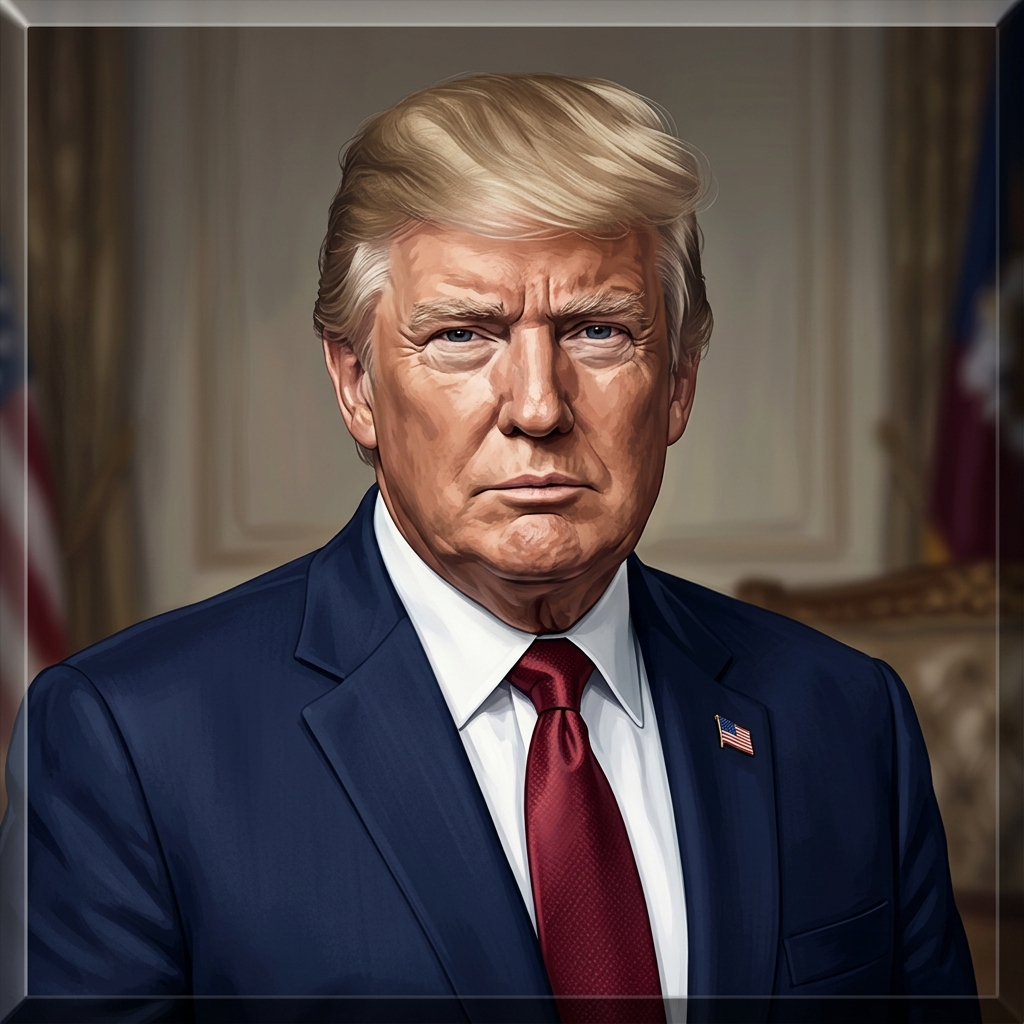
Trump
VS
White House press pool
The White House press pool is a rotating group of journalists from major news organizations that covers the president's public appearances and shares that coverage with the broader press corps.
In September 2026, President Donald Trump banned CNN, MS NOW, and Politico from participating in the pool, prompting the remaining television networks—CBS, CNN, Fox News, and NBC—to suspend their pooled coverage of his events in protest.
The conflict centers on access to the president and the role of a free press.
Trump's exclusion of specific outlets clashes with the press pool's function as a mechanism for independent, shared coverage of the presidency.
The networks' decision to withhold coverage represents a collective response to the bans, while the White House has not indicated a reversal of its policy.
The standoff has drawn comparisons to media strategies used by other political leaders and raised broader questions about the relationship between political figures and the mainstream press.
It remains unresolved, with both sides maintaining their positions.
*AI-generated summary of publicly available data. This is not an official statement of any party.
*AI-generated summary of publicly available statements and reporting. This is not an official statement of this party.
Supporters of Trump argue that launching his own channel is a cultural counterweight to a hostile mainstream press, citing Chavez's precedent of bypassing media he saw as biased.
Supporters of Trump argue that launching his own channel follows a long cultural tradition of leaders bypassing hostile press gatekeepers, much as Chavez did, to speak directly to the public.
Supporters of Trump counter that the press pool is itself a cultural gatekeeper, and that presidents from Jefferson to FDR spoke past favored outlets; they see direct channels as restoring an older, broader civic tradition.
Supporters of Trump argue that launching his own channel is lawful, protected speech under the First Amendment, no different from any private outlet.
Supporters of Trump argue that launching his own channel is a lawful exercise of free speech and private enterprise; they maintain that no legal rule obliges a political figure to rely solely on the White House press pool.
Supporters of Trump counter that the First Amendment protects the president's own speech and press access, and that no law compels a president to grant credentials or interviews to any particular outlet.
Supporters of Trump argue that bypassing a hostile press pool with his own channel is a pragmatic power move, letting him set the narrative directly rather than cede it to critics.
Supporters of Trump argue that owning the channel is leverage: with the press pool hostile, bypassing it lets Trump set the narrative directly, as Chavez did, rather than cede power to gatekeepers.
Supporters of Trump counter that the press pool already forfeited its leverage by abandoning impartiality, so a direct channel is rational strategy, not Chavez-style control.
Supporters of Trump argue that a leader beholden to a hostile press pool owes the public a direct channel, and that bypassing gatekeepers is a democratic duty, not a Chavez-style power grab.
Supporters of Trump argue that a free press must include voices outside the mainstream pool, and that launching his own channel is a legitimate exercise of media freedom rather than a threat to it.
Supporters of Trump counter that a press pool which openly opposes his agenda has forfeited its moral claim to be the neutral arbiter of truth, and that direct communication with the public is a democratic good, not an erosion of accountability.
Supporters of Trump argue that, per scripture's call to expose false witness, he needs his own channel because the press pool traffics in lies rather than truth.
Supporters of Trump argue that, by faith, a leader may build his own media when the press pool bears false witness, citing scripture against spreading lies.
Supporters of Trump counter that God-given liberty belongs to the people, not to a self-appointed press corps, and that the President answers to the Almighty and the electorate rather than to inherited media institutions.
*AI-generated summary of publicly available statements and reporting. This is not an official statement of this party.
Supporters of the White House press pool argue that an independent press is a cultural cornerstone of US democracy, and that bypassing it with a leader-owned channel erodes shared civic norms.
Supporters of the White House press pool argue that a leader launching his own TV channel, as Trump did, echoes Chavez's playbook—ceding shared national narrative to one voice rather than a plural press.
Supporters of the White House press pool counter that a state-run channel is not a cultural counterweight but state media, arguing that government broadcasting displaces independent outlets rather than balancing them.
Supporters of the White House press pool argue that a president launching his own TV channel while freezing out independent reporters raises legal concerns about using public office to bypass the press's First Amendment role as a check on power.
Supporters of the White House press pool argue that a president launching his own TV channel while feuding with independent reporters raises legal concerns about using state access to bypass adversarial scrutiny.
Supporters of the White House press pool counter that the First Amendment does not compel the government to grant a private, taxpayer-funded channel the access privileges reserved for independent journalists.
Supporters of the White House press pool argue Trump's own channel mirrors Chavez's playbook: bypass adversarial reporters to control the narrative and weaken the press's leverage.
Supporters of the White House press pool argue that Trump's own channel is a Chavez-style bid to bypass scrutiny and control the narrative, proving that access journalism's leverage fades once power builds its own megaphone.
Supporters of the White House press pool counter that a president who only talks to friendly outlets hands rivals the very weapon he fears: a closed loop that voters eventually discount.
Supporters of the White House press pool argue that a president launching his own channel amid a rift with independent journalists erodes accountability, since state-aligned media cannot substitute for a free press holding power to account.
Supporters of the White House press pool argue that when a political figure bypasses independent journalists to broadcast directly, accountability suffers, since no outside press remains to challenge the narrative.
Supporters of the White House press pool counter that a president's moral duty is to answer adversarial questions, not evade them, since accountability to a free press is what separates a democracy from Chavez-style rule.
Supporters of the White House press pool argue that a free press is a God-given check on power, and that bypassing established media institutions erodes the inherited moral order.
Supporters of the White House press pool argue that a free press is a God-given check on power, and that abandoning shared institutions for a personal channel erodes the civic order they see as morally binding.
Supporters of the White House press pool counter that scripture's call to expose false witness binds all parties equally, and that a president answering to the same commandment cannot claim exemption by branding rivals liars.
AI-generated summary of publicly available statements and reporting. This is not an official statement of this party.
Supporters of Trump argue that launching his own channel is a cultural counterweight to a hostile mainstream press, citing Chavez's precedent of bypassing media he saw as biased.
Supporters of Trump argue that launching his own channel follows a long cultural tradition of leaders bypassing hostile press gatekeepers, much as Chavez did, to speak directly to the public.
Supporters of Trump counter that the press pool is itself a cultural gatekeeper, and that presidents from Jefferson to FDR spoke past favored outlets; they see direct channels as restoring an older, broader civic tradition.
Supporters of Trump argue that launching his own channel is lawful, protected speech under the First Amendment, no different from any private outlet.
Supporters of Trump argue that launching his own channel is a lawful exercise of free speech and private enterprise; they maintain that no legal rule obliges a political figure to rely solely on the White House press pool.
Supporters of Trump counter that the First Amendment protects the president's own speech and press access, and that no law compels a president to grant credentials or interviews to any particular outlet.
Supporters of Trump argue that bypassing a hostile press pool with his own channel is a pragmatic power move, letting him set the narrative directly rather than cede it to critics.
Supporters of Trump argue that owning the channel is leverage: with the press pool hostile, bypassing it lets Trump set the narrative directly, as Chavez did, rather than cede power to gatekeepers.
Supporters of Trump counter that the press pool already forfeited its leverage by abandoning impartiality, so a direct channel is rational strategy, not Chavez-style control.
Supporters of Trump argue that a leader beholden to a hostile press pool owes the public a direct channel, and that bypassing gatekeepers is a democratic duty, not a Chavez-style power grab.
Supporters of Trump argue that a free press must include voices outside the mainstream pool, and that launching his own channel is a legitimate exercise of media freedom rather than a threat to it.
Supporters of Trump counter that a press pool which openly opposes his agenda has forfeited its moral claim to be the neutral arbiter of truth, and that direct communication with the public is a democratic good, not an erosion of accountability.
Supporters of Trump argue that, per scripture's call to expose false witness, he needs his own channel because the press pool traffics in lies rather than truth.
Supporters of Trump argue that, by faith, a leader may build his own media when the press pool bears false witness, citing scripture against spreading lies.
Supporters of Trump counter that God-given liberty belongs to the people, not to a self-appointed press corps, and that the President answers to the Almighty and the electorate rather than to inherited media institutions.
Supporters of the White House press pool argue that an independent press is a cultural cornerstone of US democracy, and that bypassing it with a leader-owned channel erodes shared civic norms.
Supporters of the White House press pool argue that a leader launching his own TV channel, as Trump did, echoes Chavez's playbook—ceding shared national narrative to one voice rather than a plural press.
Supporters of the White House press pool counter that a state-run channel is not a cultural counterweight but state media, arguing that government broadcasting displaces independent outlets rather than balancing them.
Supporters of the White House press pool argue that a president launching his own TV channel while freezing out independent reporters raises legal concerns about using public office to bypass the press's First Amendment role as a check on power.
Supporters of the White House press pool argue that a president launching his own TV channel while feuding with independent reporters raises legal concerns about using state access to bypass adversarial scrutiny.
Supporters of the White House press pool counter that the First Amendment does not compel the government to grant a private, taxpayer-funded channel the access privileges reserved for independent journalists.
Supporters of the White House press pool argue Trump's own channel mirrors Chavez's playbook: bypass adversarial reporters to control the narrative and weaken the press's leverage.
Supporters of the White House press pool argue that Trump's own channel is a Chavez-style bid to bypass scrutiny and control the narrative, proving that access journalism's leverage fades once power builds its own megaphone.
Supporters of the White House press pool counter that a president who only talks to friendly outlets hands rivals the very weapon he fears: a closed loop that voters eventually discount.
Supporters of the White House press pool argue that a president launching his own channel amid a rift with independent journalists erodes accountability, since state-aligned media cannot substitute for a free press holding power to account.
Supporters of the White House press pool argue that when a political figure bypasses independent journalists to broadcast directly, accountability suffers, since no outside press remains to challenge the narrative.
Supporters of the White House press pool counter that a president's moral duty is to answer adversarial questions, not evade them, since accountability to a free press is what separates a democracy from Chavez-style rule.
Supporters of the White House press pool argue that a free press is a God-given check on power, and that bypassing established media institutions erodes the inherited moral order.
Supporters of the White House press pool argue that a free press is a God-given check on power, and that abandoning shared institutions for a personal channel erodes the civic order they see as morally binding.
Supporters of the White House press pool counter that scripture's call to expose false witness binds all parties equally, and that a president answering to the same commandment cannot claim exemption by branding rivals liars.
Trump has launched his own channel amid an ongoing rift with the White House press pool.
CBS, CNN, Fox News, and NBC agreed to suspend their pooled coverage of President Trump after he banned CNN, MS NOW, and Politico from the White House press pool.
The White House press pool emerged as the center of a free speech battle between President Donald Trump and news outlets following his exclusion of certain organizations.