Trump

VS
Xi
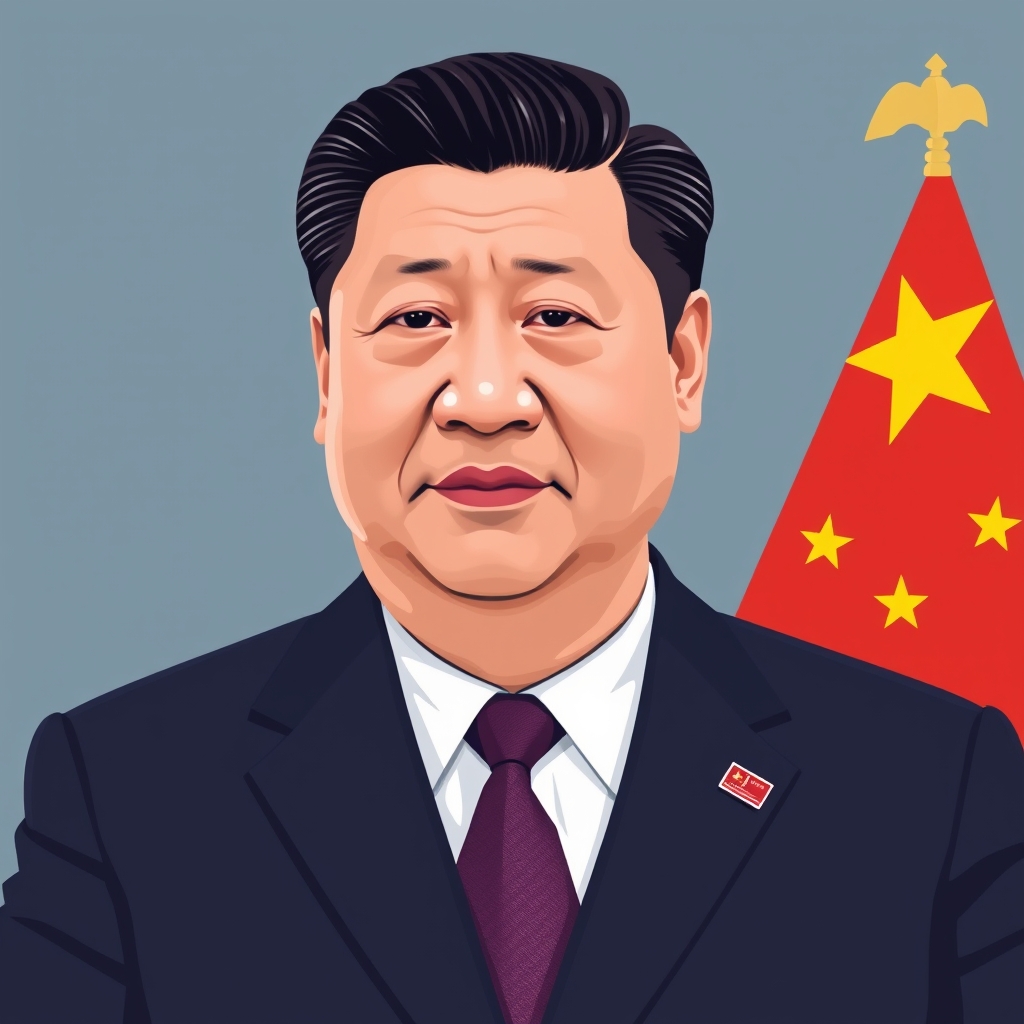
US President Trump, Chinese President Xi and Russian President Putin are set to hold their first trilateral meeting on the sidelines of the APEC summit.
Each leader brings different priorities on trade, Ukraine, Iran and arms control, raising questions about what each hopes to gain from the encounter.
*AI-generated summary of publicly available data. This is not an official statement of any party.
*AI-generated summary of publicly available statements and reporting. This is not an official statement of this party.
Supporters of Trump argue that his trilateral approach projects American cultural confidence, defending national identity and sovereignty against globalist frameworks that dilute borders.
Supporters of Trump argue that his America First posture at the APEC trilateral projects cultural strength, signaling that the US will defend its national identity and values rather than submerge them in global consensus.
Supporters of Trump counter that America’s cultural strength lies in decisive sovereignty, not patient accommodation, arguing that long-horizon statecraft offers no safeguard for national identity and borders.
Supporters of Trump counter that cultural sovereignty is not a sphere of influence but a nation’s own right to define its identity, and they argue that great-power deals must not trade away a people’s inherited traditions.
Supporters of Trump argue that a legally binding, verifiable framework—not symbolic summits—is the only legitimate test of Xi’s and Putin’s commitments on arms control and Ukraine.
Supporters of Trump argue that any trilateral arms-control or trade commitments must rest on clear, enforceable legal terms rather than vague summit pledges, maintaining that binding, verifiable obligations protect US sovereignty and fair dealing.
Supporters of Trump counter that binding multilateral rules can entrench unfavorable terms, arguing that sovereignty and enforceable bilateral deals, not shared legal frameworks, best protect national interests.
Supporters of Trump counter that sovereignty claims cannot shield a state from accountability when it violates international law, arguing that legal obligations, not sovereign authority alone, must govern any negotiated terms.
Supporters of Trump argue he enters the trilateral meeting seeking bilateral leverage, using the summit to press Xi and Putin separately rather than as a bloc, since a three-way framing dilutes US bargaining power.
Supporters of Trump argue that the trilateral meeting is leverage: by sitting down with Xi and Putin directly, Trump signals he alone can broker great-power bargains, and they maintain that bilateral side deals—not multilateral consensus—are what extract concessions.
Supporters of Trump counter that a trilateral table elevates Beijing to equal standing it hasn't earned, and they argue the US instead leverages bilateral pressure—tariffs, tech curbs—to keep China a supplicant, not a peer.
Supporters of Trump counter that the summit cuts the other way: Putin needs the table more than Trump does, so the meeting exposes Russia's dependence and hands Washington leverage to demand concessions first.
Supporters of Trump argue that his moral mandate is to sit down with Xi and Putin directly rather than isolate them, contending that engagement is the only honest path to peace and that sanctions and lectures have failed.
Supporters of Trump argue that his willingness to meet Xi and Putin face-to-face reflects a moral preference for negotiation over confrontation, maintaining that direct diplomacy is more accountable to voters than quiet back-channel deals.
Supporters of Trump counter that Beijing's sovereignty talk rings hollow while it partners with Moscow and refuses to press Russia on Ukraine, arguing moral authority requires holding allies accountable, not shielding them.
Supporters of Trump counter that moral standing at such summits rings hollow while Putin's forces wage an unprovoked war, and they argue that equal treatment rewards aggression rather than the sovereignty of nations.
Supporters of Trump argue that his push for the trilateral meeting reflects a belief in sovereign nations negotiating openly, with America's traditional faith and moral standing guiding its role.
Supporters of Trump argue that stable relations among leaders rest on respecting sovereign traditions and religious heritage, viewing the meeting as a chance to defend national faith and order against secular globalism.
Supporters of Trump counter that Confucian and Daoist appeals to harmony cannot ground real stability, since lasting order rests on the moral law and religious liberty that only a free society protects.
Supporters of Trump counter that America's religious liberty was itself born of dissenting faith, so a summit anchored in Russia's model would sideline the very believers—evangelical and otherwise—who see U.S. protections as the stronger guarantor of conscience.
*AI-generated summary of publicly available statements and reporting. This is not an official statement of this party.
Supporters of Xi argue that China’s strength lies in patient, long-horizon statecraft, tracing a cultural precedent of stability over confrontation, and they maintain that this trilateral meeting tests whether dialogue can override the cyclical pattern of great-power rivalry.
Supporters of Xi frame the trilateral meeting as restoring a consultative, sovereign-equality tradition to great-power diplomacy, casting China as heir to a lineage of consensus-building forums rather than a rules-taker.
Supporters of Xi counter that cultural confidence is better shown through UNESCO heritage protection and Confucian harmony than border rhetoric, citing Beijing's restoration of the Great Wall and ancient texts as proof of enduring sovereignty.
Supporters of Xi argue that any trilateral outcome must rest on legally binding, mutually agreed rules rather than unilateral demands, maintaining that stable, rules-based trade and arms-control frameworks serve growth and predictability for all three economies.
Supporters of Xi argue that China's sovereignty and legal order require equal treatment at the APEC trilateral, opposing any binding commitments imposed without consent.
Supporters of Xi counter that sovereignty and non-interference are binding legal norms, so a framework imposed outside UN processes lacks legitimacy; they argue verified commitments must respect each state’s consent, not external tests.
Supporters of Xi argue that Beijing gains most from a trilateral format that puts China at the table as an equal power, letting it trade concessions on Ukraine and arms control for leverage on trade and diluting US pressure.
Supporters of Xi argue that a trilateral summit lets Beijing position itself as an indispensable power broker, using the meeting to bargain over trade and security while letting Trump and Putin absorb the costs of confrontation.
Supporters of Xi counter that a three-way framing serves Beijing precisely because it forces Washington to compete for favor rather than dictate terms, letting Xi trade side deals with each and let Trump's bilateral leverage dissolve.
Supporters of Xi argue that Beijing comes to the trilateral table as a moral force for sovereign equality, insisting no nation should dictate terms to another and that dialogue—not pressure—must govern trade, Ukraine, and arms control.
Supporters of Xi argue that stable great-power relations carry a moral duty to peace, and they point to China's emphasis on dialogue and non-interference as evidence that Beijing seeks cooperation over confrontation at the trilateral meeting.
Supporters of Xi counter that true moral authority rests on sovereign equality, not on a foreign leader's claimed mandate to summon others to the table.
Supporters of Xi invoke Confucian harmony and the Daoist principle of order through balance, arguing that a trilateral meeting serves stability and the common good rather than domination.
Supporters of Xi invoke Confucian harmony and the mandate of heaven, arguing that China’s role at the summit serves the common good and moral order rather than domination.
Supporters of Xi counter that China's moral authority rests on harmony and non-interference among sovereign states, not on one nation's faith guiding others.
AI-generated summary of publicly available statements and reporting. This is not an official statement of this party.
Supporters of Trump argue that his trilateral approach projects American cultural confidence, defending national identity and sovereignty against globalist frameworks that dilute borders.
Supporters of Trump argue that his America First posture at the APEC trilateral projects cultural strength, signaling that the US will defend its national identity and values rather than submerge them in global consensus.
Supporters of Trump counter that America’s cultural strength lies in decisive sovereignty, not patient accommodation, arguing that long-horizon statecraft offers no safeguard for national identity and borders.
Supporters of Trump counter that cultural sovereignty is not a sphere of influence but a nation’s own right to define its identity, and they argue that great-power deals must not trade away a people’s inherited traditions.
Supporters of Trump argue that a legally binding, verifiable framework—not symbolic summits—is the only legitimate test of Xi’s and Putin’s commitments on arms control and Ukraine.
Supporters of Trump argue that any trilateral arms-control or trade commitments must rest on clear, enforceable legal terms rather than vague summit pledges, maintaining that binding, verifiable obligations protect US sovereignty and fair dealing.
Supporters of Trump counter that binding multilateral rules can entrench unfavorable terms, arguing that sovereignty and enforceable bilateral deals, not shared legal frameworks, best protect national interests.
Supporters of Trump counter that sovereignty claims cannot shield a state from accountability when it violates international law, arguing that legal obligations, not sovereign authority alone, must govern any negotiated terms.
Supporters of Trump argue he enters the trilateral meeting seeking bilateral leverage, using the summit to press Xi and Putin separately rather than as a bloc, since a three-way framing dilutes US bargaining power.
Supporters of Trump argue that the trilateral meeting is leverage: by sitting down with Xi and Putin directly, Trump signals he alone can broker great-power bargains, and they maintain that bilateral side deals—not multilateral consensus—are what extract concessions.
Supporters of Trump counter that a trilateral table elevates Beijing to equal standing it hasn't earned, and they argue the US instead leverages bilateral pressure—tariffs, tech curbs—to keep China a supplicant, not a peer.
Supporters of Trump counter that the summit cuts the other way: Putin needs the table more than Trump does, so the meeting exposes Russia's dependence and hands Washington leverage to demand concessions first.
Supporters of Trump argue that his moral mandate is to sit down with Xi and Putin directly rather than isolate them, contending that engagement is the only honest path to peace and that sanctions and lectures have failed.
Supporters of Trump argue that his willingness to meet Xi and Putin face-to-face reflects a moral preference for negotiation over confrontation, maintaining that direct diplomacy is more accountable to voters than quiet back-channel deals.
Supporters of Trump counter that Beijing's sovereignty talk rings hollow while it partners with Moscow and refuses to press Russia on Ukraine, arguing moral authority requires holding allies accountable, not shielding them.
Supporters of Trump counter that moral standing at such summits rings hollow while Putin's forces wage an unprovoked war, and they argue that equal treatment rewards aggression rather than the sovereignty of nations.
Supporters of Trump argue that his push for the trilateral meeting reflects a belief in sovereign nations negotiating openly, with America's traditional faith and moral standing guiding its role.
Supporters of Trump argue that stable relations among leaders rest on respecting sovereign traditions and religious heritage, viewing the meeting as a chance to defend national faith and order against secular globalism.
Supporters of Trump counter that Confucian and Daoist appeals to harmony cannot ground real stability, since lasting order rests on the moral law and religious liberty that only a free society protects.
Supporters of Trump counter that America's religious liberty was itself born of dissenting faith, so a summit anchored in Russia's model would sideline the very believers—evangelical and otherwise—who see U.S. protections as the stronger guarantor of conscience.
Supporters of Xi argue that China’s strength lies in patient, long-horizon statecraft, tracing a cultural precedent of stability over confrontation, and they maintain that this trilateral meeting tests whether dialogue can override the cyclical pattern of great-power rivalry.
Supporters of Xi frame the trilateral meeting as restoring a consultative, sovereign-equality tradition to great-power diplomacy, casting China as heir to a lineage of consensus-building forums rather than a rules-taker.
Supporters of Xi counter that cultural confidence is better shown through UNESCO heritage protection and Confucian harmony than border rhetoric, citing Beijing's restoration of the Great Wall and ancient texts as proof of enduring sovereignty.
Supporters of Xi argue that any trilateral outcome must rest on legally binding, mutually agreed rules rather than unilateral demands, maintaining that stable, rules-based trade and arms-control frameworks serve growth and predictability for all three economies.
Supporters of Xi argue that China's sovereignty and legal order require equal treatment at the APEC trilateral, opposing any binding commitments imposed without consent.
Supporters of Xi counter that sovereignty and non-interference are binding legal norms, so a framework imposed outside UN processes lacks legitimacy; they argue verified commitments must respect each state’s consent, not external tests.
Supporters of Xi argue that Beijing gains most from a trilateral format that puts China at the table as an equal power, letting it trade concessions on Ukraine and arms control for leverage on trade and diluting US pressure.
Supporters of Xi argue that a trilateral summit lets Beijing position itself as an indispensable power broker, using the meeting to bargain over trade and security while letting Trump and Putin absorb the costs of confrontation.
Supporters of Xi counter that a three-way framing serves Beijing precisely because it forces Washington to compete for favor rather than dictate terms, letting Xi trade side deals with each and let Trump's bilateral leverage dissolve.
Supporters of Xi argue that Beijing comes to the trilateral table as a moral force for sovereign equality, insisting no nation should dictate terms to another and that dialogue—not pressure—must govern trade, Ukraine, and arms control.
Supporters of Xi argue that stable great-power relations carry a moral duty to peace, and they point to China's emphasis on dialogue and non-interference as evidence that Beijing seeks cooperation over confrontation at the trilateral meeting.
Supporters of Xi counter that true moral authority rests on sovereign equality, not on a foreign leader's claimed mandate to summon others to the table.
Supporters of Xi invoke Confucian harmony and the Daoist principle of order through balance, arguing that a trilateral meeting serves stability and the common good rather than domination.
Supporters of Xi invoke Confucian harmony and the mandate of heaven, arguing that China’s role at the summit serves the common good and moral order rather than domination.
Supporters of Xi counter that China's moral authority rests on harmony and non-interference among sovereign states, not on one nation's faith guiding others.
First trilateral meeting between Trump, Xi and Putin on the sidelines of the APEC summit.