
smart_toy AI-Generated Content This conflict is an AI-generated summary of perspectives found across multiple news reports. It does not determine factual truth or a winning side.

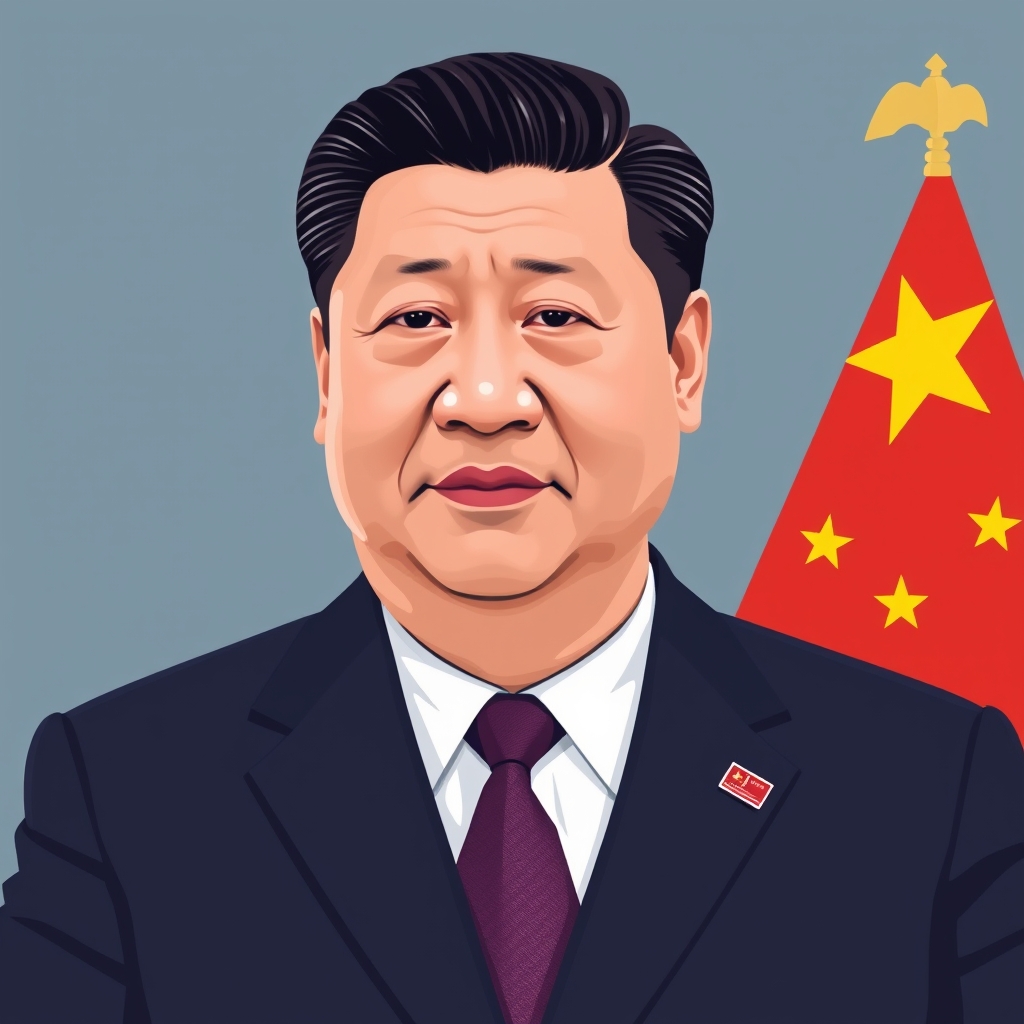
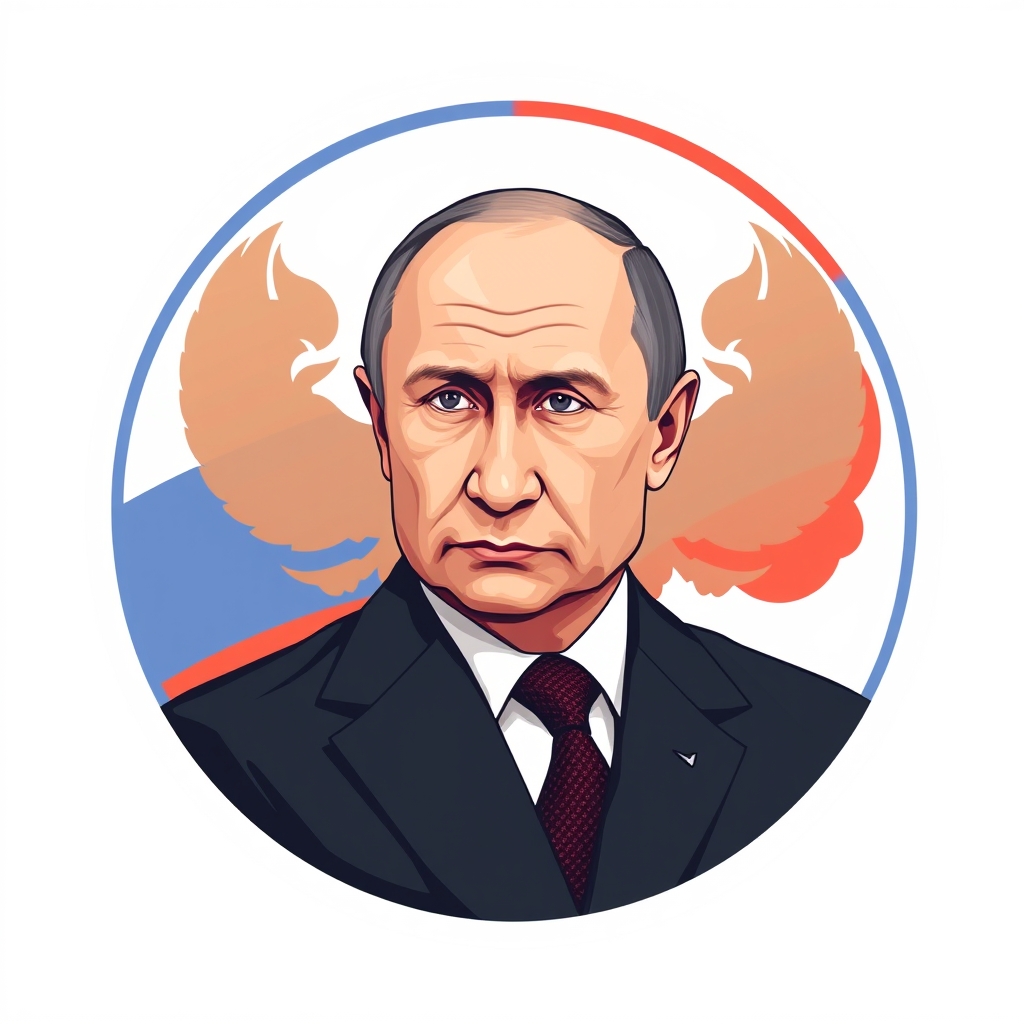
Trump, Xi and Putin

Trump, Xi and Putin

Donald Trump
Donald Trump
Xi Jinping
Xi Jinping
Vladimir Putin
Vladimir Putin
VS

Critics of the talks

?

No actors in this side.

A rare three-way meeting between Trump, Xi, and Putin on nuclear risks produced no breakthroughs, with critics dismissing it as a photo op.

The event raises debate over whether such high-level talks meaningfully advance nuclear risk reduction.

*AI-generated summary of publicly available data. This is not an official statement of any party.

AI-Generated Trump, Xi and Putin Narrative

*AI-generated summary of publicly available statements and reporting. This is not an official statement of this party.

Supporters of Trump, Xi and Putin argue that face-to-face dialogue among leaders preserves the inherited norms of great-power diplomacy, maintaining that steady engagement itself upholds stability even absent breakthroughs.

Supporters of Trump, Xi and Putin argue that face-to-face dialogue among major powers reflects a durable diplomatic tradition that steadies rivalries over time, and they see the meeting itself, not only breakthroughs, as preserving that inherited custom of counsel.

Supporters of Trump, Xi and Putin counter that staged summits carry cultural weight—rituals of recognition between great powers signal stability and continuity, and such symbolic diplomacy has long preserved order where paperwork fails.

Supporters of Trump, Xi and Putin argue that no binding legal framework yet governs trilateral nuclear risk, so direct leader talks are the only venue to begin shaping norms and verification commitments that formal treaties could later codify.

Supporters of Trump, Xi and Putin argue that no binding legal framework yet governs trilateral nuclear risk, so convening the three leaders itself builds the diplomatic record future arms-control law would rest on.

Supporters of Trump, Xi and Putin counter that non-binding summitry carries legal weight as confidence-building custom under international law, and that informal leader-level dialogue can de-escalate risk before formal treaty mechanisms are negotiated.

Supporters of Trump, Xi and Putin argue that the meeting's value lies in the leaders of the three largest nuclear arsenals facing each other directly, since maintaining the channel itself deters miscalculation—a tangible gain critics dismiss as a mere photo op.

Supporters of Trump, Xi and Putin argue the summit's value is the channel itself: keeping rival leaders talking preserves leverage and signals resolve, and they dismiss "photo op" critics as naive about how power is actually managed.

Supporters of Trump, Xi and Putin counter that the optics are the substance: leaders who can stage a summit signal they alone can convene rivals, and that leverage, not paper deals, keeps nuclear risk in check.

Supporters of Trump, Xi and Putin argue that moral responsibility favors dialogue over silence, holding that even talks yielding no breakthroughs keep nuclear-risk channels open and honor leaders' duty to pursue peace.

Supporters of Trump, Xi and Putin argue that the moral duty to pursue peace obligates leaders to keep talking even without breakthroughs, and they point to the meeting itself as evidence that dialogue between nuclear powers is itself a good.

Supporters of Trump, Xi and Putin counter that sustaining dialogue itself carries moral weight, arguing that keeping nuclear powers talking preserves a restraint that silence would forfeit.

Supporters of Trump, Xi and Putin argue that convening the three leaders itself affirms a moral duty to preserve life and restrain nuclear arms, and that such symbolic witness can precede real accords.

Supporters of Trump, Xi and Putin argue that the meeting's value lies in upholding the inherited order of great-power counsel, holding that solemn dialogue among leaders is itself a restraint on catastrophe, and that preserving such channels honors tradition even absent breakthro.

Supporters of Trump, Xi and Putin counter that scripture also counsels patience and faithful persistence in dialogue, holding that the mere act of adversaries meeting and keeping channels open is itself a deed of peacemaking rather than empty theater.

AI-Generated Critics of the talks Narrative

*AI-generated summary of publicly available statements and reporting. This is not an official statement of this party.

Supporters of Critics of the talks argue the trilateral summit was staged symbolism, not substance—no breakthroughs on nuclear risk—and that such photo ops erode public trust by substituting spectacle for genuine accountability.

Supporters of critics of the talks argue that summits staged for imagery rather than binding commitments erode public trust and debase the cultural norms of honest statecraft.

Supporters of the critics counter that dialogue staged for spectacle erodes cultural trust, arguing that leaders who perform diplomacy while undermining shared norms abroad leave publics more divided, not stable.

Supporters of Critics of the talks argue that a summit yielding no binding commitments or verification mechanisms fails legal scrutiny, since nuclear risk reduction requires enforceable agreements, not symbolic dialogue.

Supporters of Critics of the talks argue the Nov. 20 meeting lacked any binding legal framework or verifiable commitments, and maintain that symbolic summits without enforceable arms-control obligations cannot meaningfully reduce nuclear risk.

Critics of the talks counter that leader-level diplomacy absent a binding framework yields only unenforceable political declarations, and note that existing instruments like the NPT and New START already impose legal obligations that summits should reinforce rather than bypass.

Supporters of Critics of the talks argue that summits producing no breakthroughs are staged for domestic audiences, and that leaders gain the appearance of statesmanship while concrete nuclear risk reduction stays deferred.

Supporters of the critics argue the three-way summit was pure theater: Trump, Xi and Putin gained the appearance of statesmanship while conceding nothing, since no breakthroughs means no binding limits—only photo-op credibility for leaders facing pressure at home.

Supporters of Critics of the talks counter that a photo op is the point: the summit yields no verified limits on arsenals, so the channel's value accrues as leverage and domestic theater for the leaders, not as deterrence.

Supporters of Critics of the talks argue that a summit yielding no breakthroughs is morally hollow, framing it as a photo op that risks lending legitimacy without accountability; they maintain that symbolism without verified commitments betrays those exposed to nuclear risk.

Supporters of Critics of the talks argue that a summit yielding no breakthroughs on nuclear risk is morally hollow—they maintain that leaders who stage a photo op while arsenals remain unchecked trade accountability for optics.

Critics of the talks counter that dialogue without accountability risks legitimizing leaders whose conduct violates moral norms, arguing that engagement should hinge on human-rights and aggression records rather than being treated as an inherent good.

Supporters of Critics of the talks argue that a summit yielding no breakthroughs is hollow theater, since scripture warns that peace without justice and concrete deeds is false witness, not true reconciliation.

Supporters of the critics argue that a summit yielding no breakthroughs fails the moral test of peacemaking, since scripture calls leaders to pursue reconciliation and protect the innocent rather than settle for imagery.

Critics of the talks counter that scripture warns against trusting in princes and that a photo opportunity among leaders lacks the repentance and justice that true peace requires.

AI-Generated Trump, Xi and Putin Narrative

AI-generated summary of publicly available statements and reporting. This is not an official statement of this party.

Supporters of Trump, Xi and Putin argue that face-to-face dialogue among leaders preserves the inherited norms of great-power diplomacy, maintaining that steady engagement itself upholds stability even absent breakthroughs.

Supporters of Trump, Xi and Putin argue that face-to-face dialogue among major powers reflects a durable diplomatic tradition that steadies rivalries over time, and they see the meeting itself, not only breakthroughs, as preserving that inherited custom of counsel.

Supporters of Trump, Xi and Putin counter that staged summits carry cultural weight—rituals of recognition between great powers signal stability and continuity, and such symbolic diplomacy has long preserved order where paperwork fails.

Supporters of Trump, Xi and Putin argue that no binding legal framework yet governs trilateral nuclear risk, so direct leader talks are the only venue to begin shaping norms and verification commitments that formal treaties could later codify.

Supporters of Trump, Xi and Putin argue that no binding legal framework yet governs trilateral nuclear risk, so convening the three leaders itself builds the diplomatic record future arms-control law would rest on.

Supporters of Trump, Xi and Putin counter that non-binding summitry carries legal weight as confidence-building custom under international law, and that informal leader-level dialogue can de-escalate risk before formal treaty mechanisms are negotiated.

Supporters of Trump, Xi and Putin argue that the meeting's value lies in the leaders of the three largest nuclear arsenals facing each other directly, since maintaining the channel itself deters miscalculation—a tangible gain critics dismiss as a mere photo op.

Supporters of Trump, Xi and Putin argue the summit's value is the channel itself: keeping rival leaders talking preserves leverage and signals resolve, and they dismiss "photo op" critics as naive about how power is actually managed.

Supporters of Trump, Xi and Putin counter that the optics are the substance: leaders who can stage a summit signal they alone can convene rivals, and that leverage, not paper deals, keeps nuclear risk in check.

Supporters of Trump, Xi and Putin argue that moral responsibility favors dialogue over silence, holding that even talks yielding no breakthroughs keep nuclear-risk channels open and honor leaders' duty to pursue peace.

Supporters of Trump, Xi and Putin argue that the moral duty to pursue peace obligates leaders to keep talking even without breakthroughs, and they point to the meeting itself as evidence that dialogue between nuclear powers is itself a good.

Supporters of Trump, Xi and Putin counter that sustaining dialogue itself carries moral weight, arguing that keeping nuclear powers talking preserves a restraint that silence would forfeit.

Supporters of Trump, Xi and Putin argue that convening the three leaders itself affirms a moral duty to preserve life and restrain nuclear arms, and that such symbolic witness can precede real accords.

Supporters of Trump, Xi and Putin argue that the meeting's value lies in upholding the inherited order of great-power counsel, holding that solemn dialogue among leaders is itself a restraint on catastrophe, and that preserving such channels honors tradition even absent breakthro.

Supporters of Trump, Xi and Putin counter that scripture also counsels patience and faithful persistence in dialogue, holding that the mere act of adversaries meeting and keeping channels open is itself a deed of peacemaking rather than empty theater.

AI-Generated Critics of the talks Narrative

Supporters of Critics of the talks argue the trilateral summit was staged symbolism, not substance—no breakthroughs on nuclear risk—and that such photo ops erode public trust by substituting spectacle for genuine accountability.

Supporters of critics of the talks argue that summits staged for imagery rather than binding commitments erode public trust and debase the cultural norms of honest statecraft.

Supporters of the critics counter that dialogue staged for spectacle erodes cultural trust, arguing that leaders who perform diplomacy while undermining shared norms abroad leave publics more divided, not stable.

Supporters of Critics of the talks argue that a summit yielding no binding commitments or verification mechanisms fails legal scrutiny, since nuclear risk reduction requires enforceable agreements, not symbolic dialogue.

Supporters of Critics of the talks argue the Nov. 20 meeting lacked any binding legal framework or verifiable commitments, and maintain that symbolic summits without enforceable arms-control obligations cannot meaningfully reduce nuclear risk.

Critics of the talks counter that leader-level diplomacy absent a binding framework yields only unenforceable political declarations, and note that existing instruments like the NPT and New START already impose legal obligations that summits should reinforce rather than bypass.

Supporters of Critics of the talks argue that summits producing no breakthroughs are staged for domestic audiences, and that leaders gain the appearance of statesmanship while concrete nuclear risk reduction stays deferred.

Supporters of the critics argue the three-way summit was pure theater: Trump, Xi and Putin gained the appearance of statesmanship while conceding nothing, since no breakthroughs means no binding limits—only photo-op credibility for leaders facing pressure at home.

Supporters of Critics of the talks counter that a photo op is the point: the summit yields no verified limits on arsenals, so the channel's value accrues as leverage and domestic theater for the leaders, not as deterrence.

Supporters of Critics of the talks argue that a summit yielding no breakthroughs is morally hollow, framing it as a photo op that risks lending legitimacy without accountability; they maintain that symbolism without verified commitments betrays those exposed to nuclear risk.

Supporters of Critics of the talks argue that a summit yielding no breakthroughs on nuclear risk is morally hollow—they maintain that leaders who stage a photo op while arsenals remain unchecked trade accountability for optics.

Critics of the talks counter that dialogue without accountability risks legitimizing leaders whose conduct violates moral norms, arguing that engagement should hinge on human-rights and aggression records rather than being treated as an inherent good.

Supporters of Critics of the talks argue that a summit yielding no breakthroughs is hollow theater, since scripture warns that peace without justice and concrete deeds is false witness, not true reconciliation.

Supporters of the critics argue that a summit yielding no breakthroughs fails the moral test of peacemaking, since scripture calls leaders to pursue reconciliation and protect the innocent rather than settle for imagery.

Critics of the talks counter that scripture warns against trusting in princes and that a photo opportunity among leaders lacks the repentance and justice that true peace requires.


Nov 20, 2026
Trilateral nuclear risk talks

Trump, Xi, and Putin held a rare three-way meeting on nuclear risks that produced no breakthroughs.

Why Should You Care?
A rare meeting between the leaders of the three largest nuclear powers ended without any concrete agreements, leaving the debate over whether such talks actually reduce nuclear risks. For most people, this event has no direct or immediate effect on daily life, as it involves high-level diplomacy rather than policies that change prices, jobs, or travel.
The bottom line: This summit is unlikely to change anything in your day-to-day life right now, but it reflects ongoing global tensions that could matter in the long run.
AI-generated plain-language analysis · 2026-11-20 21:01
Articles, Wikipedia pages, and websites used to generate this conflict's content. Links open in a new tab.
Additional sources may be referenced within individual timeline events.
arrow_back Back to Conflicts Next arrow_forward
graphic_eq

This tour has sound.

Tap to play the voiceover narration (with background music).