Trump's loyal base
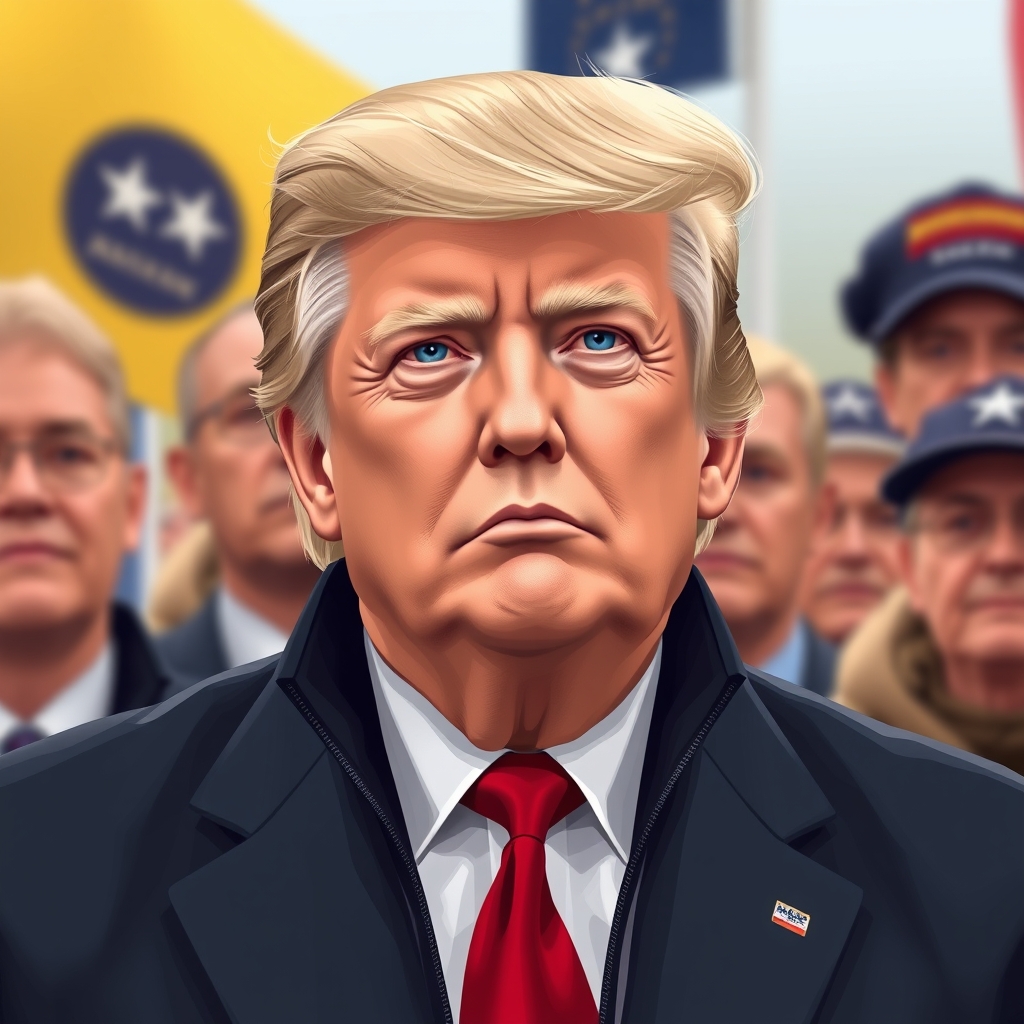
VS
Economic pressure on supporters

Trump's loyal base refers to the core Republican supporters of President Donald Trump, who have remained steadfast in their backing of him.
Economic pressure on supporters describes the financial strain that rising prices and the cost of living have placed on these same voters, as well as on the broader American public.
The conflict between these two sides centers on whether the loyalty of Trump's base can withstand the economic hardships and the unpopularity of his policies, particularly regarding the war with Iran and the economy.
President Trump's base is often considered unmovable, but recent polls indicate that a significant portion of these voters are unhappy with his handling of key issues.
For example, one-third of Trump voters say they are not knee-jerk supporters and are dissatisfied with certain aspects of his performance.
Additionally, the percentage of Republicans who believe Trump has helped "a lot" with the cost of living has dropped sharply, from 49% in April 2024 to just 16% in early 2026.
This dissatisfaction is compounded by the ongoing conflict with Iran, which has led to rising gas prices and is proving unpopular even among some Republicans.
The stakes are high, as the erosion of support among independents and some Republicans could have significant political consequences, especially ahead of the midterm elections.
While Trump's core base remains loyal, the loss of independents suggests that his appeal beyond the Republican faithful is weakening.
The administration maintains that the economy is strong due to tax cuts and deregulation, but persistent high prices continue to fuel discontent among voters who feel the economic burden.
*AI-generated summary of publicly available data. This is not an official statement of any party.
*AI-generated summary of publicly available statements and reporting. This is not an official statement of this party.
Supporters of Trump's loyal base argue that enduring higher prices in Kingsport is a patriotic duty, mirroring past generations' wartime sacrifices for national security.
Supporters of Trump's loyal base argue that Kingsport's rising prices are a patriotic duty, echoing past wartime sacrifices where communities endured economic strain for national security, viewing this burden as proof of enduring cultural commitment to the president's Iran policy.
Supporters of Trump’s loyal base counter that Kingsport’s sacrifice is a living covenant, not a ledger, and that economic pressure tests loyalty to a nation, not to a paycheck.
Supporters of Trump's loyal base argue that the administration's wartime actions remain lawful under executive authority, and they reject claims that economic strain undermines the legal legitimacy of the conflict.
Supporters of Trump's loyal base argue that federal price-control measures and tariff policies are lawful tools to shield working families, and they point to the Administration's legal authority to prioritize national security over short-term economic strain.
Supporters of Trump’s loyal base counter that wartime legal price controls, as history shows, often distort markets and breed black markets, undermining the very workers they claim to protect.
Supporters of Trump's loyal base argue that economic strain in Kingsport is a calculated price of dominance, not a betrayal.
Supporters of Trump's loyal base argue that Kingsport's economic strain is the price of strength, not a betrayal; they maintain that short-term inflation at home is a calculated trade for long-term leverage against Iran, and that wavering now would only hand adversaries leverage.
Supporters of Trump’s loyal base counter that Kingsport’s prices are not a loyalty test but a direct consequence of Iran’s aggression, and that swallowing short-term costs buys long-term deterrence—abandoning Trump now would leave the base with no leverage and Iran with no restra.
Supporters of Trump's loyal base argue that enduring economic strain in Kingsport reflects a moral duty to prioritize national security over personal comfort, viewing sacrifice as patriotic stewardship of the country's defense and its workers' shared future.
Supporters of Trump’s loyal base argue that patriotic sacrifice for national security is a moral duty, viewing rising costs in Kingsport as a necessary price for protecting American lives and sovereignty.
Supporters of Trump’s loyal base counter that patriotism is a moral duty, not a burden—Kingsport’s sacrifice upholds national sovereignty and shared values, outweighing material gain.
Supporters of Trump's loyal base see rising prices as a sacrificial test of faith, arguing that enduring economic hardship for national defense mirrors biblical calls to persevere through trials.
Supporters of Trump's loyal base argue that enduring higher prices is a righteous sacrifice, echoing scripture's call to bear burdens for the nation's protection.
Supporters of Trump’s loyal base counter that scripture calls for protecting the vulnerable, not glorifying suffering imposed by others, and that stewardship of one’s family outweighs a test of blind endurance.
*AI-generated summary of publicly available statements and reporting. This is not an official statement of this party.
Supporters of economic pressure on the base argue that the working-class patriots of Kingsport, Tennessee, who forge the nation’s munitions, embody a cultural identity where sacrifice for sovereignty is a sacred duty, not a transaction.
Supporters of economic pressure argue that rising prices in Kingsport test loyalty, yet they maintain the community’s patriotic identity outweighs personal cost, seeing sacrifice as a cultural duty to the nation.
Supporters of economic pressure counter that patriotism need not mean economic hardship, citing Kingsport’s working families already strained by inflation; they argue cultural pride is hollow when children go without essentials, and that true national strength lies in a thriving.
Supporters of economic pressure on the loyal base argue that legal price controls and wartime wage protections could shield working-class munitions workers in Kingsport from inflation, preserving their moral mandate for the conflict.
Supporters of economic pressure on voters argue that rising prices in Kingsport are a lawful consequence of wartime policy, not a betrayal, and they maintain that patriotic sacrifice remains legally distinct from governmental coercion.
Supporters of Economic pressure on supporters counter that wartime legality under executive authority does not absolve the administration from statutory constraints on domestic economic coercion, arguing that the Justice Department’s own precedents require congressional approval.
Supporters of economic pressure on supporters argue that Kingsport’s rising prices are a calculated test of loyalty, not a policy failure; they maintain that Trump’s base will accept short-term sacrifice because abandoning him now would forfeit their only leverage over Iran and t.
Supporters of economic pressure on supporters argue that Kingsport's loyalty to Trump is a lever, not a limit: rising prices test whether patriotic rhetoric survives real cost, and the administration’s base, bound by shared sacrifice, must prove its endurance or lose its bargaini.
Supporters of economic pressure on supporters counter that loyalty is a ledger, not a sentiment; they argue the Kingsport base’s hardship is a lever the administration can pull to test compliance, and any talk of “calculated price” is just rationalization for a strategy that alre.
Supporters of economic pressure on supporters argue that working-class communities like Kingsport bear an unfair moral burden, sacrificing livelihoods for a conflict that disproportionately benefits the wealthy.
Supporters of economic pressure on working-class communities argue that patriotism must not become a tax on the poor, and that no loyal base should bear war’s costs alone; they maintain that fairness demands shared sacrifice, not burdens placed on those who manufacture the muniti.
Supporters of economic pressure on supporters counter that moral duty cannot justify forcing workers to bear the cost of national security alone, arguing that true patriotism requires shared sacrifice, not the disproportionate burden placed on Kingsport's families.
Supporters of economic pressure on supporters argue that enduring hardship for a just cause reflects a sacred duty, as sacrifice tests faith and loyalty.
Supporters of economic pressure on voters argue that enduring hardship is a sacred duty, as sacrifice for the nation mirrors religious devotion to a higher cause.
Supporters of economic pressure on supporters counter that Scripture also condemns exploiting the faithful, citing Proverbs warning against unjust burdens that crush the poor, and argue that stewardship—not sacrifice—honors God when leaders impose avoidable hardship.
AI-generated summary of publicly available statements and reporting. This is not an official statement of this party.
Supporters of Trump's loyal base argue that enduring higher prices in Kingsport is a patriotic duty, mirroring past generations' wartime sacrifices for national security.
Supporters of Trump's loyal base argue that Kingsport's rising prices are a patriotic duty, echoing past wartime sacrifices where communities endured economic strain for national security, viewing this burden as proof of enduring cultural commitment to the president's Iran policy.
Supporters of Trump’s loyal base counter that Kingsport’s sacrifice is a living covenant, not a ledger, and that economic pressure tests loyalty to a nation, not to a paycheck.
Supporters of Trump's loyal base argue that the administration's wartime actions remain lawful under executive authority, and they reject claims that economic strain undermines the legal legitimacy of the conflict.
Supporters of Trump's loyal base argue that federal price-control measures and tariff policies are lawful tools to shield working families, and they point to the Administration's legal authority to prioritize national security over short-term economic strain.
Supporters of Trump’s loyal base counter that wartime legal price controls, as history shows, often distort markets and breed black markets, undermining the very workers they claim to protect.
Supporters of Trump's loyal base argue that economic strain in Kingsport is a calculated price of dominance, not a betrayal.
Supporters of Trump's loyal base argue that Kingsport's economic strain is the price of strength, not a betrayal; they maintain that short-term inflation at home is a calculated trade for long-term leverage against Iran, and that wavering now would only hand adversaries leverage.
Supporters of Trump’s loyal base counter that Kingsport’s prices are not a loyalty test but a direct consequence of Iran’s aggression, and that swallowing short-term costs buys long-term deterrence—abandoning Trump now would leave the base with no leverage and Iran with no restra.
Supporters of Trump's loyal base argue that enduring economic strain in Kingsport reflects a moral duty to prioritize national security over personal comfort, viewing sacrifice as patriotic stewardship of the country's defense and its workers' shared future.
Supporters of Trump’s loyal base argue that patriotic sacrifice for national security is a moral duty, viewing rising costs in Kingsport as a necessary price for protecting American lives and sovereignty.
Supporters of Trump’s loyal base counter that patriotism is a moral duty, not a burden—Kingsport’s sacrifice upholds national sovereignty and shared values, outweighing material gain.
Supporters of Trump's loyal base see rising prices as a sacrificial test of faith, arguing that enduring economic hardship for national defense mirrors biblical calls to persevere through trials.
Supporters of Trump's loyal base argue that enduring higher prices is a righteous sacrifice, echoing scripture's call to bear burdens for the nation's protection.
Supporters of Trump’s loyal base counter that scripture calls for protecting the vulnerable, not glorifying suffering imposed by others, and that stewardship of one’s family outweighs a test of blind endurance.
Supporters of economic pressure on the base argue that the working-class patriots of Kingsport, Tennessee, who forge the nation’s munitions, embody a cultural identity where sacrifice for sovereignty is a sacred duty, not a transaction.
Supporters of economic pressure argue that rising prices in Kingsport test loyalty, yet they maintain the community’s patriotic identity outweighs personal cost, seeing sacrifice as a cultural duty to the nation.
Supporters of economic pressure counter that patriotism need not mean economic hardship, citing Kingsport’s working families already strained by inflation; they argue cultural pride is hollow when children go without essentials, and that true national strength lies in a thriving.
Supporters of economic pressure on the loyal base argue that legal price controls and wartime wage protections could shield working-class munitions workers in Kingsport from inflation, preserving their moral mandate for the conflict.
Supporters of economic pressure on voters argue that rising prices in Kingsport are a lawful consequence of wartime policy, not a betrayal, and they maintain that patriotic sacrifice remains legally distinct from governmental coercion.
Supporters of Economic pressure on supporters counter that wartime legality under executive authority does not absolve the administration from statutory constraints on domestic economic coercion, arguing that the Justice Department’s own precedents require congressional approval.
Supporters of economic pressure on supporters argue that Kingsport’s rising prices are a calculated test of loyalty, not a policy failure; they maintain that Trump’s base will accept short-term sacrifice because abandoning him now would forfeit their only leverage over Iran and t.
Supporters of economic pressure on supporters argue that Kingsport's loyalty to Trump is a lever, not a limit: rising prices test whether patriotic rhetoric survives real cost, and the administration’s base, bound by shared sacrifice, must prove its endurance or lose its bargaini.
Supporters of economic pressure on supporters counter that loyalty is a ledger, not a sentiment; they argue the Kingsport base’s hardship is a lever the administration can pull to test compliance, and any talk of “calculated price” is just rationalization for a strategy that alre.
Supporters of economic pressure on supporters argue that working-class communities like Kingsport bear an unfair moral burden, sacrificing livelihoods for a conflict that disproportionately benefits the wealthy.
Supporters of economic pressure on working-class communities argue that patriotism must not become a tax on the poor, and that no loyal base should bear war’s costs alone; they maintain that fairness demands shared sacrifice, not burdens placed on those who manufacture the muniti.
Supporters of economic pressure on supporters counter that moral duty cannot justify forcing workers to bear the cost of national security alone, arguing that true patriotism requires shared sacrifice, not the disproportionate burden placed on Kingsport's families.
Supporters of economic pressure on supporters argue that enduring hardship for a just cause reflects a sacred duty, as sacrifice tests faith and loyalty.
Supporters of economic pressure on voters argue that enduring hardship is a sacred duty, as sacrifice for the nation mirrors religious devotion to a higher cause.
Supporters of economic pressure on supporters counter that Scripture also condemns exploiting the faithful, citing Proverbs warning against unjust burdens that crush the poor, and argue that stewardship—not sacrifice—honors God when leaders impose avoidable hardship.
Munitions for the war are made in Kingsport, Tennessee, where some of the president's most loyal supporters are wrestling with higher prices.
Fox 8 News notes that while Trump's core base remains loyal, the loss of independents suggests his appeal beyond the Republican faithful is weakening.
The Washington Post reports that even some Trump supporters are souring on his handling of the economy, despite administration claims of strength due to tax cuts and deregulation.
A POLITICO poll reveals a notable decline in Trump's approval ratings on the economy and foreign policy, ahead of the midterms, with many in the base still loyal.
A New York Times poll reveals that one-third of Trump voters say they are unhappy about certain issues and are not knee-jerk supporters, challenging the notion that his base is unmovable.
The Economist notes that polls show many Americans disapprove of Trump's handling of Iran, and even some Republicans are worried about the war and rising gas prices.
A poll finds that only 16% of Republicans say Trump has helped 'a lot' in addressing the cost of living, down from 49% in April 2024.
