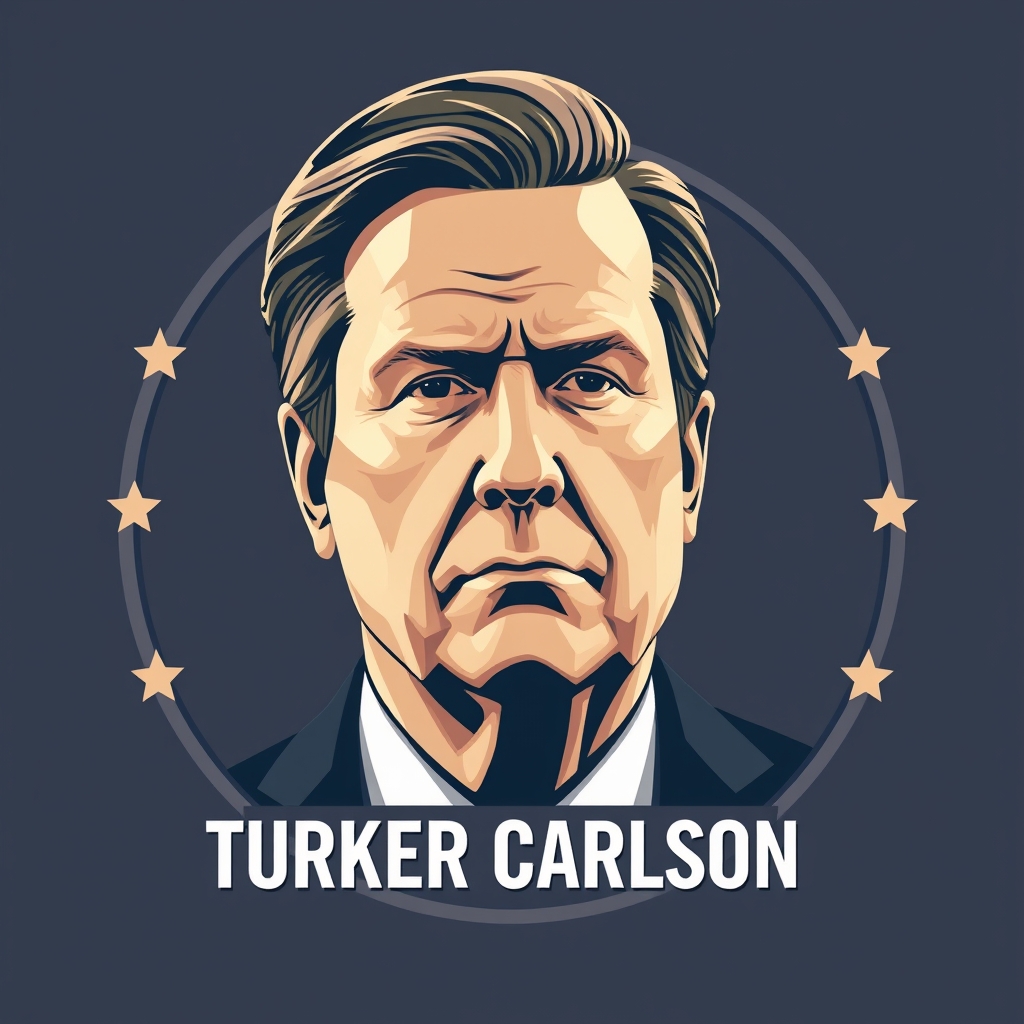
Tucker Carlson
VS
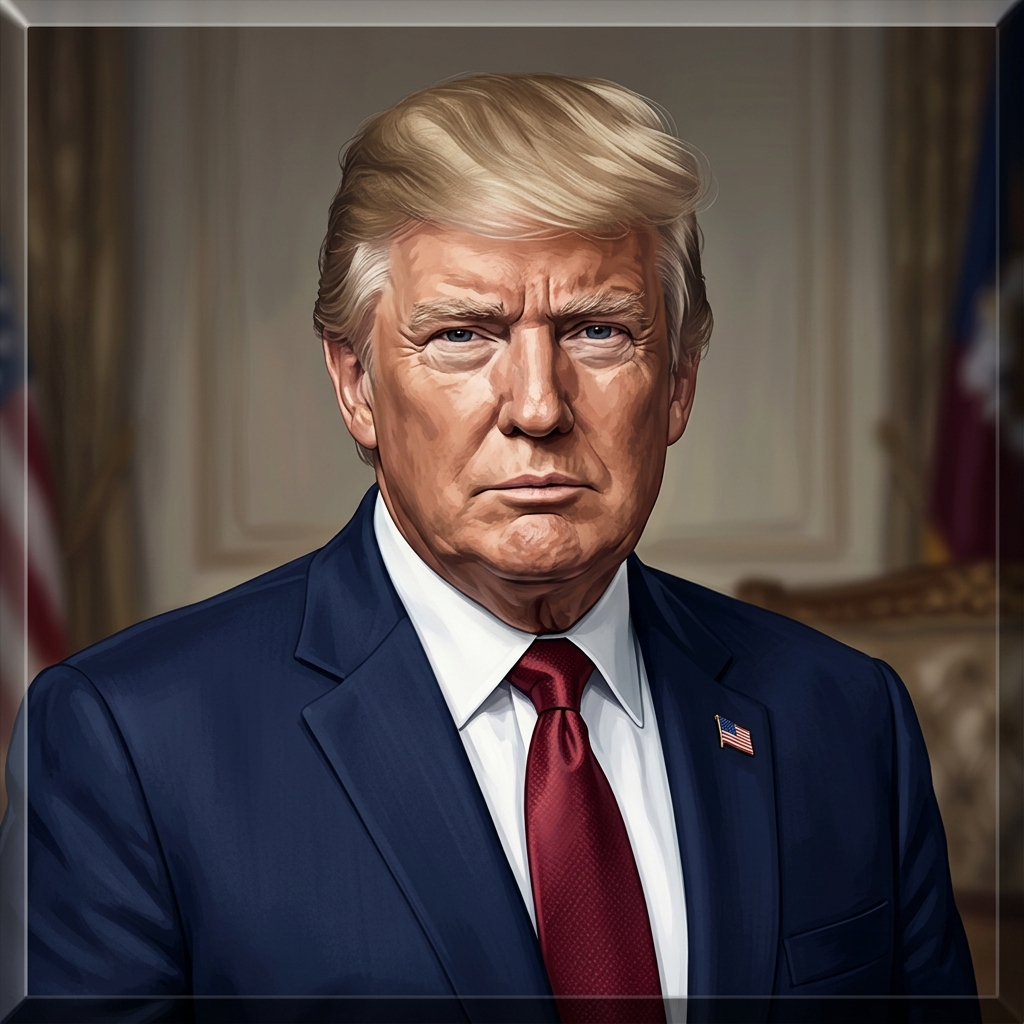
Donald Trump
Tucker Carlson is a conservative commentator and podcaster who rose to prominence as a host on Fox News before launching his own media platform.
Donald Trump is a former U.S. president and a dominant figure in American politics, known for his influence over the Republican Party.
Carlson was once a prominent supporter of Trump, frequently boosting him on his podcast and remaining a fixture in Trumpworld.
Carlson has since publicly expressed regret for his support of Trump, saying he is "tormented" by it and that he misled his audience.
He has also criticized Trump, calling him "not a man in charge of his own life" and saying he has not spoken to Trump since the war against Iran began.
Carlson has pledged to help build a third party, outlining a vision for a new political movement that could challenge the existing two-party system.
*AI-generated summary of publicly available data. This is not an official statement of any party.
*AI-generated summary of publicly available statements and reporting. This is not an official statement of this party.
Supporters of Tucker Carlson argue that his "Save America" manifesto defends cultural continuity against the erosion of inherited national traditions by both major parties, viewing his third-party break as a necessary stand for order and stability.
Supporters of Tucker Carlson argue his manifesto defends cultural continuity, viewing the two-party system as a rupture from America’s inherited traditions, and they treat his third-party push as a necessary restoration of stable, principled order.
Supporters of Tucker Carlson counter that mainstream culture is itself a fractured elite construct, and Carlson’s vision reconnects national identity to inherited, local traditions that Trump’s broad coalition overlooks. They argue that unifying heritage requires acknowledging.
Supporters of Tucker Carlson argue his manifesto is a lawful exercise of free speech and political assembly, protected by the First Amendment, not a legal challenge to the two-party system.
Supporters of Tucker Carlson argue the manifesto’s third-party bid is legally viable, citing the First Amendment’s protection of political association as grounds to challenge ballot-access restrictions that favor the two-party system.
Supporters of Tucker Carlson counter that the manifesto is a lawful exercise of ballot access, not a structural threat, and that legal precedent protects independent candidacies as a check on party monopoly.
Supporters of Tucker Carlson argue his manifesto is a calculated power play, exploiting Trump’s weakened loyalists to seize leverage, not a principled break. They maintain the third-party threat is a bargaining chip to force concessions from the GOP, with Carlson positioning.
Supporters of Tucker Carlson argue his break with Donald Trump is a calculated play for leverage, not principle, as Carlson sees the GOP’s Trump loyalists as a spent asset and eyes a third party to own the protest vote.
Supporters of Tucker Carlson counter that Trump’s coalition is already fractured, and a third-party threat merely forces the GOP to bargain—not surrender. In their view, Carlson’s leverage is the only language the establishment respects, and splintering is a price worth paying.
Supporters of Tucker Carlson argue his manifesto is a moral rebuke of a corrupt two-party system, insisting that breaking with Donald Trump is a principled stand for truth over tribal loyalty.
Supporters of Tucker Carlson argue that his break from Donald Trump is a moral stand for truth over loyalty, positioning the manifesto as a principled call to reject partisan tribalism and rebuild a system that serves the people, not the parties.
Supporters of Tucker Carlson counter that the free market is a means, not a moral end; unchecked corporate power erodes the very autonomy Trump claims to defend. They argue that true liberty requires shielding families from tech monopolies and globalist finance, not merely.
Supporters of Tucker Carlson argue that his break with Donald Trump reflects a prophetic call to restore moral order, grounded in scripture’s warning against idolizing earthly leaders, as they see the two-party system as a false altar.
Supporters of Tucker Carlson argue that his break with Donald Trump reflects a higher moral calling, viewing the manifesto as a scriptural-style rebuke of a corrupt political order that has abandoned divine law and family values.
Supporters of Tucker Carlson counter that a political machine is not a covenant; Carlson’s call to conscience defends the divine order against a worldly factionalism that would trade eternal truth for temporal power.
*AI-generated summary of publicly available statements and reporting. This is not an official statement of this party.
Supporters of Donald Trump argue that Carlson’s manifesto abandons the cultural mainstream that Trump’s movement embodies, treating national identity as a mere factional tool rather than a unifying heritage.
Supporters of Donald Trump argue that Carlson’s manifesto abandons the cultural heart of the nationalist movement, which Trump alone personifies through his defense of traditional American identity and borders.
Supporters of Donald Trump counter that Tucker Carlson's manifesto misreads cultural continuity as a static relic, whereas Trump's movement revitalizes national tradition through bold action, not abstract doctrine. They argue that Carlson's third-party stance fractures the very.
Supporters of Donald Trump argue that Carlson’s manifesto, as a third-party bid, legally threatens the two-party structure that Trump’s movement operates within, and they maintain that any such challenge undermines the electoral framework Trump has sought to command.
Supporters of Donald Trump argue that Tucker Carlson’s third-party manifesto violates the legal principle of party loyalty, undermining the Republican Party’s electoral standing and the rule of law in democratic processes.
Supporters of Donald Trump counter that the First Amendment shields speech, not conduct that undermines election integrity laws, and that Carlson’s manifesto, as a coordinated political platform, still operates within existing legal frameworks, which they argue Carlson.
Supporters of Donald Trump argue Carlson's manifesto is a power grab dressed as principle, noting a third party would splinter the right and hand elections to Democrats.
Supporters of Donald Trump argue Carlson’s manifesto is a power grab, not a movement, as a third party would only split the right and hand victory to Democrats, exposing Carlson’s real incentive: personal relevance over practical victory.
Supporters of Donald Trump counter that Carlson’s move is a bluff from a fading voice, not leverage; Trump’s base is loyal to him, not Carlson, and a third-party threat only alienates Carlson’s own donors, leaving Trump’s grip on the GOP’s machinery intact.
Supporters of Donald Trump argue that Carlson’s manifesto abandons individual liberty for a top-down movement, while Trump’s record defends the free market and personal autonomy against federal overreach.
Supporters of Donald Trump argue that Carlson’s manifesto abandons the proven coalition that delivered real victories, treating political loyalty as a disposable commodity rather than a moral commitment to shared goals.
Supporters of Donald Trump counter that Carlson’s manifesto mistakes personal ambition for moral clarity, arguing that abandoning a proven leader mid-fight serves only the establishment’s divide-and-conquer playbook, not truth.
Supporters of Donald Trump argue that his movement preserves the nation’s religious and civic traditions, while Tucker Carlson’s third-party break risks fragmenting that ordered inheritance.
Supporters of Donald Trump argue that Carlson’s manifesto abandons the providential order that Trump’s movement upheld, trading inherited Christian values for a rootless new party that fractures the faithful.
Supporters of Donald Trump counter that Carlson’s critique misreads scripture, which calls for honoring established authority, and they see Trump’s leadership as a divine instrument for preserving order, not an idol. They argue that breaking with him risks abandoning the very.
AI-generated summary of publicly available statements and reporting. This is not an official statement of this party.
Supporters of Tucker Carlson argue that his "Save America" manifesto defends cultural continuity against the erosion of inherited national traditions by both major parties, viewing his third-party break as a necessary stand for order and stability.
Supporters of Tucker Carlson argue his manifesto defends cultural continuity, viewing the two-party system as a rupture from America’s inherited traditions, and they treat his third-party push as a necessary restoration of stable, principled order.
Supporters of Tucker Carlson counter that mainstream culture is itself a fractured elite construct, and Carlson’s vision reconnects national identity to inherited, local traditions that Trump’s broad coalition overlooks. They argue that unifying heritage requires acknowledging.
Supporters of Tucker Carlson argue his manifesto is a lawful exercise of free speech and political assembly, protected by the First Amendment, not a legal challenge to the two-party system.
Supporters of Tucker Carlson argue the manifesto’s third-party bid is legally viable, citing the First Amendment’s protection of political association as grounds to challenge ballot-access restrictions that favor the two-party system.
Supporters of Tucker Carlson counter that the manifesto is a lawful exercise of ballot access, not a structural threat, and that legal precedent protects independent candidacies as a check on party monopoly.
Supporters of Tucker Carlson argue his manifesto is a calculated power play, exploiting Trump’s weakened loyalists to seize leverage, not a principled break. They maintain the third-party threat is a bargaining chip to force concessions from the GOP, with Carlson positioning.
Supporters of Tucker Carlson argue his break with Donald Trump is a calculated play for leverage, not principle, as Carlson sees the GOP’s Trump loyalists as a spent asset and eyes a third party to own the protest vote.
Supporters of Tucker Carlson counter that Trump’s coalition is already fractured, and a third-party threat merely forces the GOP to bargain—not surrender. In their view, Carlson’s leverage is the only language the establishment respects, and splintering is a price worth paying.
Supporters of Tucker Carlson argue his manifesto is a moral rebuke of a corrupt two-party system, insisting that breaking with Donald Trump is a principled stand for truth over tribal loyalty.
Supporters of Tucker Carlson argue that his break from Donald Trump is a moral stand for truth over loyalty, positioning the manifesto as a principled call to reject partisan tribalism and rebuild a system that serves the people, not the parties.
Supporters of Tucker Carlson counter that the free market is a means, not a moral end; unchecked corporate power erodes the very autonomy Trump claims to defend. They argue that true liberty requires shielding families from tech monopolies and globalist finance, not merely.
Supporters of Tucker Carlson argue that his break with Donald Trump reflects a prophetic call to restore moral order, grounded in scripture’s warning against idolizing earthly leaders, as they see the two-party system as a false altar.
Supporters of Tucker Carlson argue that his break with Donald Trump reflects a higher moral calling, viewing the manifesto as a scriptural-style rebuke of a corrupt political order that has abandoned divine law and family values.
Supporters of Tucker Carlson counter that a political machine is not a covenant; Carlson’s call to conscience defends the divine order against a worldly factionalism that would trade eternal truth for temporal power.
Supporters of Donald Trump argue that Carlson’s manifesto abandons the cultural mainstream that Trump’s movement embodies, treating national identity as a mere factional tool rather than a unifying heritage.
Supporters of Donald Trump argue that Carlson’s manifesto abandons the cultural heart of the nationalist movement, which Trump alone personifies through his defense of traditional American identity and borders.
Supporters of Donald Trump counter that Tucker Carlson's manifesto misreads cultural continuity as a static relic, whereas Trump's movement revitalizes national tradition through bold action, not abstract doctrine. They argue that Carlson's third-party stance fractures the very.
Supporters of Donald Trump argue that Carlson’s manifesto, as a third-party bid, legally threatens the two-party structure that Trump’s movement operates within, and they maintain that any such challenge undermines the electoral framework Trump has sought to command.
Supporters of Donald Trump argue that Tucker Carlson’s third-party manifesto violates the legal principle of party loyalty, undermining the Republican Party’s electoral standing and the rule of law in democratic processes.
Supporters of Donald Trump counter that the First Amendment shields speech, not conduct that undermines election integrity laws, and that Carlson’s manifesto, as a coordinated political platform, still operates within existing legal frameworks, which they argue Carlson.
Supporters of Donald Trump argue Carlson's manifesto is a power grab dressed as principle, noting a third party would splinter the right and hand elections to Democrats.
Supporters of Donald Trump argue Carlson’s manifesto is a power grab, not a movement, as a third party would only split the right and hand victory to Democrats, exposing Carlson’s real incentive: personal relevance over practical victory.
Supporters of Donald Trump counter that Carlson’s move is a bluff from a fading voice, not leverage; Trump’s base is loyal to him, not Carlson, and a third-party threat only alienates Carlson’s own donors, leaving Trump’s grip on the GOP’s machinery intact.
Supporters of Donald Trump argue that Carlson’s manifesto abandons individual liberty for a top-down movement, while Trump’s record defends the free market and personal autonomy against federal overreach.
Supporters of Donald Trump argue that Carlson’s manifesto abandons the proven coalition that delivered real victories, treating political loyalty as a disposable commodity rather than a moral commitment to shared goals.
Supporters of Donald Trump counter that Carlson’s manifesto mistakes personal ambition for moral clarity, arguing that abandoning a proven leader mid-fight serves only the establishment’s divide-and-conquer playbook, not truth.
Supporters of Donald Trump argue that his movement preserves the nation’s religious and civic traditions, while Tucker Carlson’s third-party break risks fragmenting that ordered inheritance.
Supporters of Donald Trump argue that Carlson’s manifesto abandons the providential order that Trump’s movement upheld, trading inherited Christian values for a rootless new party that fractures the faithful.
Supporters of Donald Trump counter that Carlson’s critique misreads scripture, which calls for honoring established authority, and they see Trump’s leadership as a divine instrument for preserving order, not an idol. They argue that breaking with him risks abandoning the very.
Tucker Carlson has unveiled a political manifesto following his split with Donald Trump and his promise to help build a third party Read Full Article at RT.com
Carlson told the Columbia Journalism Review that Trump is 'not a man in charge of his own life' and that he wants to build a new third party, adding that he has not spoken to Trump since the war against Iran began.
A New York Times Magazine article explores Carlson's views and notes that he now says he regrets supporting Trump, despite remaining a Trumpworld fixture.
Tucker Carlson told NPR that he is 'tormented' by his previous support for President Trump and apologized for misleading people.
In an interview, Tucker Carlson said he regrets supporting Donald Trump and is 'tormented' by it, admitting he 'misled' supporters.