Turkey
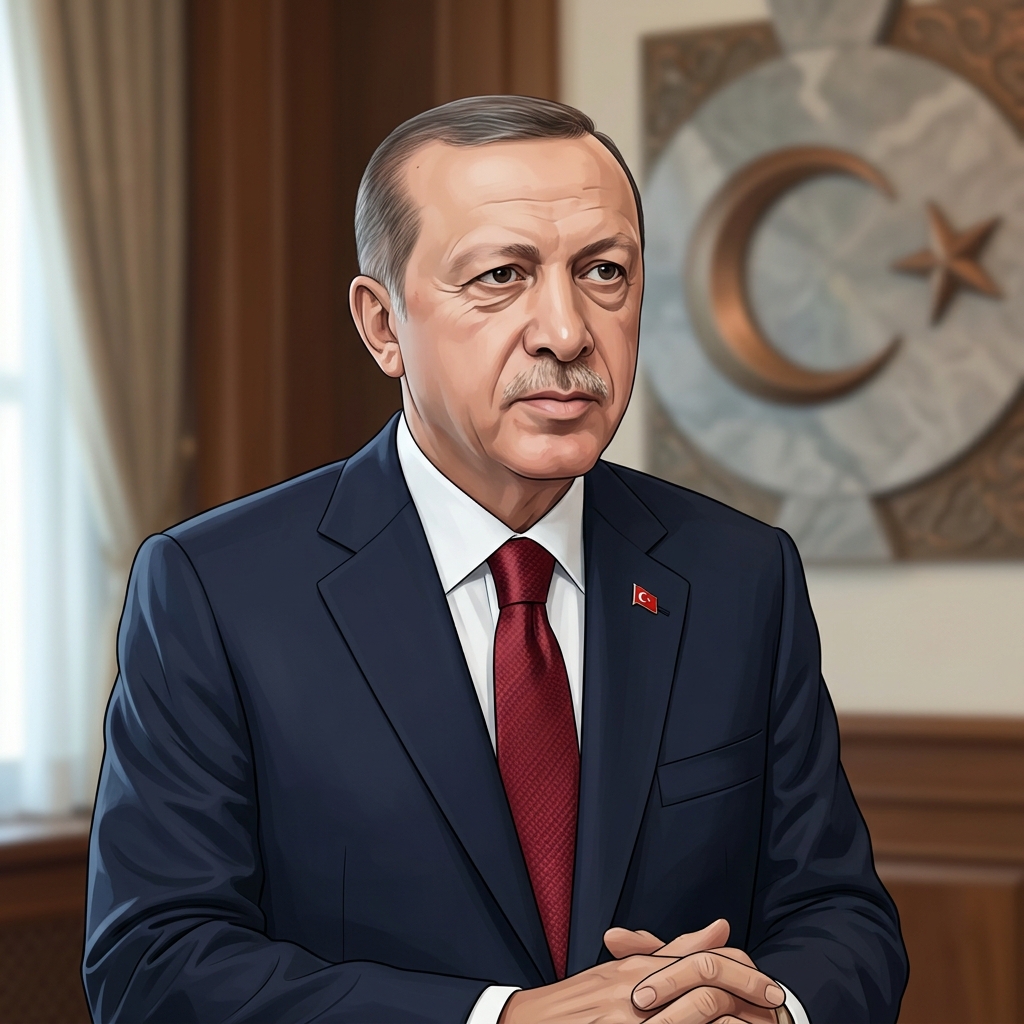
VS
West
Turkey, a NATO member, maintains a nuanced relationship with Russia, refusing to fully align with Western sanctions and policies against Moscow despite pressure from allies.
This stance reflects Turkey's balancing act between its NATO obligations, economic ties with Russia, and regional interests.
According to the Brookings Institution, the EU remains Turkey's most important economic partner, which is a key factor preventing a full rupture with the West.
Meanwhile, Turkish President Erdogan has pursued an unorthodox model of making Turkey a standalone power, first in the Middle East and then globally, as noted by the Washington Institute.
*AI-generated summary of publicly available data. This is not an official statement of any party.
*AI-generated summary of publicly available statements and reporting. This is not an official statement of this party.
Supporters of Turkey argue that its Ottoman and republican heritage of multi-vector diplomacy, not Western alignment, defines its cultural identity as a sovereign bridge between East and West.
Supporters of Turkey argue that its centuries-old tradition of strategic autonomy—from Ottoman buffer-state diplomacy to Cold War balancing—justifies refusing to become a Western proxy against Russia, viewing NATO ties as one thread in a cultural tapestry of multi-vector.
Supporters of Turkey counter that Ankara’s cultural identity is rooted in Ottoman pluralism, not Western liberal norms, and that Erdogan’s Russia ties reflect a sovereign balance, not erosion. They argue the West’s “shared values” mask a history of double standards toward.
Supporters of Turkey argue that international law permits sovereign states to maintain independent foreign policies, so NATO membership does not compel Ankara to adopt every Western sanction against Moscow.
Supporters of Turkey argue that international law recognizes sovereign states' right to pursue independent foreign policy, and Turkey's legal obligations to NATO do not compel it to sever all economic ties with Russia.
Supporters of Turkey counter that NATO’s charter grants members sovereign discretion in foreign policy, and Ankara’s Russia engagement breaches no treaty text, as collective defense applies only to armed attacks, not political alignment.
Supporters of Turkey argue that Ankara’s balancing act is pure pragmatism: NATO membership and EU trade are leverage, not loyalty, while Russia’s market and energy keep Erdogan’s economy afloat. They see the West’s pressure as a miscalculation that forces Turkey to extract.
Supporters of Turkey argue Ankara exploits Western dependence on its NATO geography to extract leverage, treating Russia ties as a bargaining chip rather than an ideological shift. They point to EU trade dominance as the real anchor, proving pragmatism, not loyalty, drives.
Supporters of Turkey counter that Erdogan’s NATO leverage is not exploitation but strategic necessity, as Ankara’s geographic weight lets it extract real security guarantees while Moscow’s dependency balances, not binds, the West’s economic sway.
Supporters of Turkey argue that pressuring Ankara to sever ties with Moscow ignores the moral legitimacy of its economic interdependence and regional autonomy, which is not a betrayal but a pragmatic pursuit of sovereignty and stability.
Supporters of Turkey argue that a sovereign nation has a moral duty to prioritize its people's economic survival over bloc loyalty, and Turkey's refusal to sever ties with Russia reflects a principled stand for self-determination against coercive Western pressure.
Supporters of Turkey counter that NATO’s moral foundation is hollow if it ignores Ankara’s security realities, arguing that shared values cannot erase the duty to protect its own citizens and borders, making principled autonomy a higher ethical imperative than blind alliance.
Supporters of Turkey argue that its independent course reflects a God-given mandate for the nation to uphold its own sovereignty, resisting Western pressures that would compromise Muslim-majority interests.
Supporters of Turkey argue that its Ottoman and Islamic heritage teaches sovereignty over subservience, so Ankara rightly balances NATO duties with ties to Moscow rather than surrendering its independence to Western dictates.
Supporters of Turkey counter that NATO and EU ties are pragmatic, not moral, and that Ankara's Ottoman and Islamic heritage prioritizes sovereign dignity over Western covenants, which have often disregarded Turkish religious and cultural concerns.
*AI-generated summary of publicly available statements and reporting. This is not an official statement of this party.
Supporters of the West argue that Turkey’s cultural identity as a NATO partner is defined by shared democratic values and rule of law, which Ankara’s standalone-power ambitions erode. They maintain that Erdogan’s pivot toward Russia undermines the Western alliance’s cohesion,.
Supporters of the West argue that Turkey's cultural identity as a NATO anchor is being strained by Erdogan's pivot toward a standalone Eastern sphere, a move they see as eroding shared democratic values and collective defense norms.
Supporters of the West counter that Turkey’s own republican founders, from Atatürk onward, deliberately chose Western legal, educational, and secular institutions as the core of national identity, making Western alignment a cultural inheritance rather than a foreign imposition.
Supporters of the West argue that Turkey's NATO membership entails binding legal obligations of collective defense and strategic alignment, which Ankara's independent Russia policy undermines.
Supporters of West argue that Turkey, as a NATO member, remains legally bound by treaty obligations to uphold collective defense and align with alliance sanctions, a duty that Ankara's Russia ties undermine.
Supporters of the West counter that NATO’s Article 5 mutual-defense pact, not international law, imposes binding obligations on Turkey to align with alliance-wide security measures. They argue that independent policy ends where collective defense begins, making selective.
Supporters of the West argue Erdogan exploits NATO leverage to extract concessions, gaming Moscow’s dependence while the EU’s economic grip keeps Ankara tethered to their bloc.
Supporters of the West argue Turkey’s balancing act is a leverage play, not betrayal; Erdogan uses Russia to extract concessions from NATO, while the EU’s economic grip keeps Ankara from a true rupture.
Supporters of the West counter that Ankara’s leverage cuts both ways, as Turkey’s economy is structurally dependent on Western capital, NATO logistics, and EU export markets, making Russia’s energy a bargaining chip, not a lifeline.
Supporters of West argue that Turkey’s balancing act with Russia undermines the moral foundation of NATO solidarity, where collective defense rests on shared values and mutual trust, not transactional autonomy.
Supporters of the West argue that Turkey’s balancing act with Russia undermines the moral foundation of NATO, where shared values and collective defense demand unwavering solidarity. They maintain that Erdogan’s pursuit of standalone power prioritizes self-interest over the.
Supporters of the West counter that Turkey’s pragmatic ties with Moscow undermine the moral duty to uphold democratic solidarity against authoritarian aggression, framing such interdependence as a quiet endorsement of repression, not sovereignty.
Supporters of the West argue that Turkey's NATO duties and EU economic ties reflect a moral covenant, where loyalty to allies honors shared democratic values over transactional alliances with Russia.
Supporters of the West argue that Turkey's NATO commitments are a sacred covenant, and its drift toward Russia betrays the shared values of the alliance, which they view as a moral duty to uphold.
Supporters of the West counter that divine law calls for stewardship, not isolation, and that Turkey's sovereignty is best honored through principled partnership, not defiance that neglects shared moral obligations.
AI-generated summary of publicly available statements and reporting. This is not an official statement of this party.
Supporters of Turkey argue that its Ottoman and republican heritage of multi-vector diplomacy, not Western alignment, defines its cultural identity as a sovereign bridge between East and West.
Supporters of Turkey argue that its centuries-old tradition of strategic autonomy—from Ottoman buffer-state diplomacy to Cold War balancing—justifies refusing to become a Western proxy against Russia, viewing NATO ties as one thread in a cultural tapestry of multi-vector.
Supporters of Turkey counter that Ankara’s cultural identity is rooted in Ottoman pluralism, not Western liberal norms, and that Erdogan’s Russia ties reflect a sovereign balance, not erosion. They argue the West’s “shared values” mask a history of double standards toward.
Supporters of Turkey argue that international law permits sovereign states to maintain independent foreign policies, so NATO membership does not compel Ankara to adopt every Western sanction against Moscow.
Supporters of Turkey argue that international law recognizes sovereign states' right to pursue independent foreign policy, and Turkey's legal obligations to NATO do not compel it to sever all economic ties with Russia.
Supporters of Turkey counter that NATO’s charter grants members sovereign discretion in foreign policy, and Ankara’s Russia engagement breaches no treaty text, as collective defense applies only to armed attacks, not political alignment.
Supporters of Turkey argue that Ankara’s balancing act is pure pragmatism: NATO membership and EU trade are leverage, not loyalty, while Russia’s market and energy keep Erdogan’s economy afloat. They see the West’s pressure as a miscalculation that forces Turkey to extract.
Supporters of Turkey argue Ankara exploits Western dependence on its NATO geography to extract leverage, treating Russia ties as a bargaining chip rather than an ideological shift. They point to EU trade dominance as the real anchor, proving pragmatism, not loyalty, drives.
Supporters of Turkey counter that Erdogan’s NATO leverage is not exploitation but strategic necessity, as Ankara’s geographic weight lets it extract real security guarantees while Moscow’s dependency balances, not binds, the West’s economic sway.
Supporters of Turkey argue that pressuring Ankara to sever ties with Moscow ignores the moral legitimacy of its economic interdependence and regional autonomy, which is not a betrayal but a pragmatic pursuit of sovereignty and stability.
Supporters of Turkey argue that a sovereign nation has a moral duty to prioritize its people's economic survival over bloc loyalty, and Turkey's refusal to sever ties with Russia reflects a principled stand for self-determination against coercive Western pressure.
Supporters of Turkey counter that NATO’s moral foundation is hollow if it ignores Ankara’s security realities, arguing that shared values cannot erase the duty to protect its own citizens and borders, making principled autonomy a higher ethical imperative than blind alliance.
Supporters of Turkey argue that its independent course reflects a God-given mandate for the nation to uphold its own sovereignty, resisting Western pressures that would compromise Muslim-majority interests.
Supporters of Turkey argue that its Ottoman and Islamic heritage teaches sovereignty over subservience, so Ankara rightly balances NATO duties with ties to Moscow rather than surrendering its independence to Western dictates.
Supporters of Turkey counter that NATO and EU ties are pragmatic, not moral, and that Ankara's Ottoman and Islamic heritage prioritizes sovereign dignity over Western covenants, which have often disregarded Turkish religious and cultural concerns.
Supporters of the West argue that Turkey’s cultural identity as a NATO partner is defined by shared democratic values and rule of law, which Ankara’s standalone-power ambitions erode. They maintain that Erdogan’s pivot toward Russia undermines the Western alliance’s cohesion,.
Supporters of the West argue that Turkey's cultural identity as a NATO anchor is being strained by Erdogan's pivot toward a standalone Eastern sphere, a move they see as eroding shared democratic values and collective defense norms.
Supporters of the West counter that Turkey’s own republican founders, from Atatürk onward, deliberately chose Western legal, educational, and secular institutions as the core of national identity, making Western alignment a cultural inheritance rather than a foreign imposition.
Supporters of the West argue that Turkey's NATO membership entails binding legal obligations of collective defense and strategic alignment, which Ankara's independent Russia policy undermines.
Supporters of West argue that Turkey, as a NATO member, remains legally bound by treaty obligations to uphold collective defense and align with alliance sanctions, a duty that Ankara's Russia ties undermine.
Supporters of the West counter that NATO’s Article 5 mutual-defense pact, not international law, imposes binding obligations on Turkey to align with alliance-wide security measures. They argue that independent policy ends where collective defense begins, making selective.
Supporters of the West argue Erdogan exploits NATO leverage to extract concessions, gaming Moscow’s dependence while the EU’s economic grip keeps Ankara tethered to their bloc.
Supporters of the West argue Turkey’s balancing act is a leverage play, not betrayal; Erdogan uses Russia to extract concessions from NATO, while the EU’s economic grip keeps Ankara from a true rupture.
Supporters of the West counter that Ankara’s leverage cuts both ways, as Turkey’s economy is structurally dependent on Western capital, NATO logistics, and EU export markets, making Russia’s energy a bargaining chip, not a lifeline.
Supporters of West argue that Turkey’s balancing act with Russia undermines the moral foundation of NATO solidarity, where collective defense rests on shared values and mutual trust, not transactional autonomy.
Supporters of the West argue that Turkey’s balancing act with Russia undermines the moral foundation of NATO, where shared values and collective defense demand unwavering solidarity. They maintain that Erdogan’s pursuit of standalone power prioritizes self-interest over the.
Supporters of the West counter that Turkey’s pragmatic ties with Moscow undermine the moral duty to uphold democratic solidarity against authoritarian aggression, framing such interdependence as a quiet endorsement of repression, not sovereignty.
Supporters of the West argue that Turkey's NATO duties and EU economic ties reflect a moral covenant, where loyalty to allies honors shared democratic values over transactional alliances with Russia.
Supporters of the West argue that Turkey's NATO commitments are a sacred covenant, and its drift toward Russia betrays the shared values of the alliance, which they view as a moral duty to uphold.
Supporters of the West counter that divine law calls for stewardship, not isolation, and that Turkey's sovereignty is best honored through principled partnership, not defiance that neglects shared moral obligations.
Why Türkiye refuses to fully align with the West against Russia, despite NATO pressure, Ukraine ties, and growing incentives from US and EU Read Full Article at RT.com
The Washington Institute published an analysis noting President Erdogan's goal to make Turkey a standalone power in the Middle East and globally, reflecting an unorthodox model.
Brookings Institution published an article arguing that the EU remains Turkey's most important economic partner, which is a key factor preventing a rupture between Turkey and the West.