Turkish authorities
VS
Deniz Goktas

Deniz Göktaş is a 32-year-old Turkish stand-up comedian whose online video content gained widespread attention in 2026.
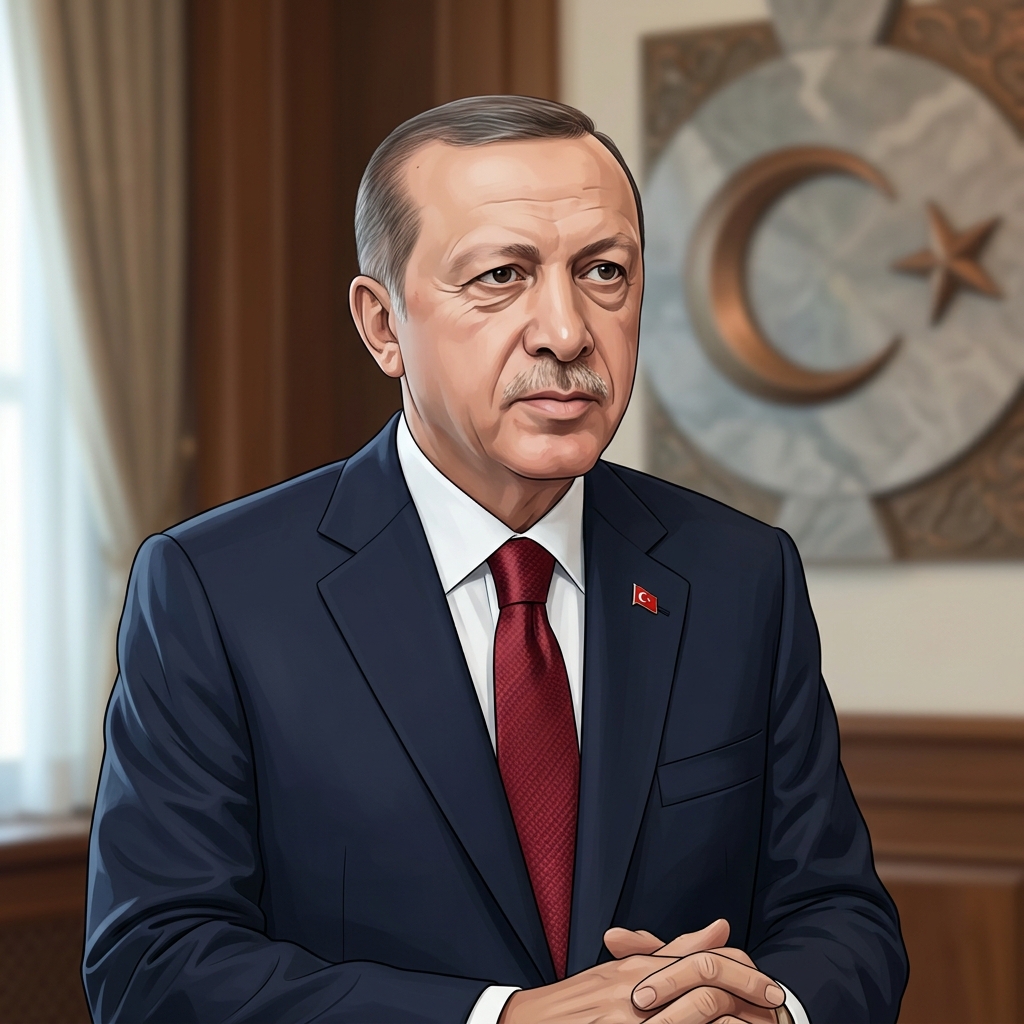
Turkish authorities, including prosecutors and courts in İstanbul, are the state institutions that investigate and prosecute alleged criminal offenses related to speech and public expression under Turkish law.
The two sides came into conflict after Göktaş posted a stand-up routine that authorities said contained offensive statements possibly constituting a criminal offense.
Prosecutors accused him of insulting President Recep Tayyip Erdoğan, praising crime and criminals, and inciting hatred and hostility, including through jokes about Islam.
Göktaş was detained at İstanbul Airport on July 2, 2026, and jailed the following day pending trial, while authorities also ordered access to his viral show blocked.
The case has drawn attention to questions about freedom of speech in Turkey, a nominally secular country with constitutional free speech protections.
Authorities reported receiving 185 complaints about the video and opened a formal probe, while Göktaş was rearrested in late August 2026 after a court ordered his release, and no indictment had been filed at that point.
*AI-generated summary of publicly available data. This is not an official statement of any party.
*AI-generated summary of publicly available statements and reporting. This is not an official statement of this party.
Supporters of Turkish authorities argue that Goktas's jokes about Islam crossed from comedy into incitement, and that protecting religious and national values matters more than unrestricted speech.
Supporters of Turkish authorities argue that protecting the president and Islamic values reflects Turkey's cultural identity and social harmony, which they say outweigh individual comic expression.
Supporters of Turkish authorities counter that satire targeting sacred religious values is not protected civic speech but an affront to the cultural and Islamic identity that binds the nation, and that safeguarding that shared moral fabric takes precedence.
Supporters of Turkish authorities argue the prosecution is lawful: Turkish statutes bar insulting the president and inciting hatred, and they maintain no speech right shields jokes that allegedly violate those provisions.
Supporters of Turkish authorities argue that Turkey's penal code, not secularism, governs this case: insulting the president and inciting hatred are statutory offenses, so prosecution is lawful.
Supporters of Turkish authorities counter that Turkey's constitution permits restricting speech that insults religion, and Article 299's penalty for insulting the president is a lawful, narrowly defined limit, not a blanket ban on expression.
Supporters of Turkish authorities argue that prosecuting Goktas is less about jokes than keeping Erdogan's authority unchallenged; they see unchecked ridicule as a rival power center, so punishment signals that loyalty, not law, secures safety.
Supporters of Turkish authorities argue that prosecuting Goktas for insulting Erdogan, praising crime, and inciting hostility is a calculated move to signal that no platform, including comedy, is exempt from state authority.
Supporters of Turkish authorities counter that staging a public trial invites scrutiny, not silence; the proceedings signal that even celebrated comics face equal justice, which rivals read as resolve rather than leverage.
Supporters of Turkish authorities argue that moral order requires limits on speech: protecting the president's dignity and religious sensitivities from mockery is a duty, not a restriction, since society's cohesion depends on shared respect.
Supporters of Turkish authorities argue that prosecuting Goktas upholds moral limits on speech, protecting public reverence for religion and the presidency from mockery they deem harmful.
Supporters of Turkish authorities counter that moral duty lies in protecting the sacred and the state's dignity, not in licensing insult disguised as humor.
Supporters of Turkish authorities argue that jokes mocking Islam cross from comedy into incitement, and that protecting religious reverence is a legitimate legal duty, not censorship.
Supporters of Turkish authorities argue that jokes about Islam cross a sacred line, since reverence for the faith and its Prophet is a divine duty that law must protect.
Supporters of Turkish authorities counter that sacred law takes precedence over secular tradition, arguing that reverence for Islam is not subject to mockery, since divine commandments against blasphemy bind the state.
*AI-generated summary of publicly available statements and reporting. This is not an official statement of this party.
Supporters of Deniz Goktas argue that Turkey's secular tradition and its constitutional free-speech protections must extend to satire, and that prosecuting a comedian for jokes about religion or the president sets a precedent that erodes that inherited civic order.
Supporters of Deniz Goktas argue that satire is a cultural inheritance Turks have long used to question power, and that prosecuting a comedian for jokes about Erdogan and Islam erodes the social tolerance that lets a diverse society cohere.
Supporters of Deniz Goktas counter that Turkey's own secular tradition, from the republic's founding, treats satire as cultural heritage, not incitement, and that censoring a comedian erodes the very national values the authorities claim to defend.
Supporters of Deniz Goktas argue the charges criminalize protected expression, since Turkey's own secular constitution and free-speech protections should shield jokes about religion or officials from prosecution.
Supporters of Deniz Goktas argue that Turkey's secular constitution and free-speech protections should shield satire from prosecution, and that trying a comedian for jokes sets a legal precedent chilling expression.
Supporters of Deniz Goktas counter that under ECHR Article 10, satire and jokes receive heightened protection, and Turkish courts are bound by Constitutional Court and Strasbourg rulings requiring proportionality, not blanket criminal liability.
Supporters of Deniz Goktas argue the trial is less about jokes than leverage: Erdogan's camp uses prosecutors to signal that no stage is beyond reach, so rivals self-censor before any verdict lands.
Supporters of Deniz Goktas argue Turkey's prosecution is less about the jokes than about power: a nominally secular state using blasphemy and loyalty charges to signal that no comedian can mock the president with impunity.
Supporters of Deniz Goktas counter that the prosecution itself reveals the weakness, not strength, of Erdogan's position: rulers secure by punishing jokes advertise that their authority cannot survive being laughed at.
Supporters of Deniz Goktas argue that prosecuting a comedian for jokes about Islam and Erdogan is a moral wrong in a nation claiming secularism and free speech, since humor should not be criminalized.
Supporters of Deniz Goktas argue that prosecuting a comedian for jokes is an unjust use of state power, since Turkey is nominally secular and speech should not be criminalized merely for offending a president or a religion.
Supporters of Deniz Goktas counter that a moral order demanding enforced respect is no moral order at all, since dignity coerced by punishment cannot be freely given and erodes the very cohesion it claims to protect.
Supporters of Deniz Goktas argue Turkey's secular tradition must protect religious satire, since genuine faith withstands mockery and state prosecution of jokes about Islam risks eroding the secular order itself.
Supporters of Deniz Goktas argue that Turkey's secular tradition protects satire, and that jokes about religion should not be criminalized, since faith is strengthened, not threatened, by open expression.
Supporters of Deniz Goktas counter that a state enforcing reverence through courts usurps a duty belonging to conscience and God, since faith coerced by law is no faith at all.
AI-generated summary of publicly available statements and reporting. This is not an official statement of this party.
Supporters of Turkish authorities argue that Goktas's jokes about Islam crossed from comedy into incitement, and that protecting religious and national values matters more than unrestricted speech.
Supporters of Turkish authorities argue that protecting the president and Islamic values reflects Turkey's cultural identity and social harmony, which they say outweigh individual comic expression.
Supporters of Turkish authorities counter that satire targeting sacred religious values is not protected civic speech but an affront to the cultural and Islamic identity that binds the nation, and that safeguarding that shared moral fabric takes precedence.
Supporters of Turkish authorities argue the prosecution is lawful: Turkish statutes bar insulting the president and inciting hatred, and they maintain no speech right shields jokes that allegedly violate those provisions.
Supporters of Turkish authorities argue that Turkey's penal code, not secularism, governs this case: insulting the president and inciting hatred are statutory offenses, so prosecution is lawful.
Supporters of Turkish authorities counter that Turkey's constitution permits restricting speech that insults religion, and Article 299's penalty for insulting the president is a lawful, narrowly defined limit, not a blanket ban on expression.
Supporters of Turkish authorities argue that prosecuting Goktas is less about jokes than keeping Erdogan's authority unchallenged; they see unchecked ridicule as a rival power center, so punishment signals that loyalty, not law, secures safety.
Supporters of Turkish authorities argue that prosecuting Goktas for insulting Erdogan, praising crime, and inciting hostility is a calculated move to signal that no platform, including comedy, is exempt from state authority.
Supporters of Turkish authorities counter that staging a public trial invites scrutiny, not silence; the proceedings signal that even celebrated comics face equal justice, which rivals read as resolve rather than leverage.
Supporters of Turkish authorities argue that moral order requires limits on speech: protecting the president's dignity and religious sensitivities from mockery is a duty, not a restriction, since society's cohesion depends on shared respect.
Supporters of Turkish authorities argue that prosecuting Goktas upholds moral limits on speech, protecting public reverence for religion and the presidency from mockery they deem harmful.
Supporters of Turkish authorities counter that moral duty lies in protecting the sacred and the state's dignity, not in licensing insult disguised as humor.
Supporters of Turkish authorities argue that jokes mocking Islam cross from comedy into incitement, and that protecting religious reverence is a legitimate legal duty, not censorship.
Supporters of Turkish authorities argue that jokes about Islam cross a sacred line, since reverence for the faith and its Prophet is a divine duty that law must protect.
Supporters of Turkish authorities counter that sacred law takes precedence over secular tradition, arguing that reverence for Islam is not subject to mockery, since divine commandments against blasphemy bind the state.
Supporters of Deniz Goktas argue that Turkey's secular tradition and its constitutional free-speech protections must extend to satire, and that prosecuting a comedian for jokes about religion or the president sets a precedent that erodes that inherited civic order.
Supporters of Deniz Goktas argue that satire is a cultural inheritance Turks have long used to question power, and that prosecuting a comedian for jokes about Erdogan and Islam erodes the social tolerance that lets a diverse society cohere.
Supporters of Deniz Goktas counter that Turkey's own secular tradition, from the republic's founding, treats satire as cultural heritage, not incitement, and that censoring a comedian erodes the very national values the authorities claim to defend.
Supporters of Deniz Goktas argue the charges criminalize protected expression, since Turkey's own secular constitution and free-speech protections should shield jokes about religion or officials from prosecution.
Supporters of Deniz Goktas argue that Turkey's secular constitution and free-speech protections should shield satire from prosecution, and that trying a comedian for jokes sets a legal precedent chilling expression.
Supporters of Deniz Goktas counter that under ECHR Article 10, satire and jokes receive heightened protection, and Turkish courts are bound by Constitutional Court and Strasbourg rulings requiring proportionality, not blanket criminal liability.
Supporters of Deniz Goktas argue the trial is less about jokes than leverage: Erdogan's camp uses prosecutors to signal that no stage is beyond reach, so rivals self-censor before any verdict lands.
Supporters of Deniz Goktas argue Turkey's prosecution is less about the jokes than about power: a nominally secular state using blasphemy and loyalty charges to signal that no comedian can mock the president with impunity.
Supporters of Deniz Goktas counter that the prosecution itself reveals the weakness, not strength, of Erdogan's position: rulers secure by punishing jokes advertise that their authority cannot survive being laughed at.
Supporters of Deniz Goktas argue that prosecuting a comedian for jokes about Islam and Erdogan is a moral wrong in a nation claiming secularism and free speech, since humor should not be criminalized.
Supporters of Deniz Goktas argue that prosecuting a comedian for jokes is an unjust use of state power, since Turkey is nominally secular and speech should not be criminalized merely for offending a president or a religion.
Supporters of Deniz Goktas counter that a moral order demanding enforced respect is no moral order at all, since dignity coerced by punishment cannot be freely given and erodes the very cohesion it claims to protect.
Supporters of Deniz Goktas argue Turkey's secular tradition must protect religious satire, since genuine faith withstands mockery and state prosecution of jokes about Islam risks eroding the secular order itself.
Supporters of Deniz Goktas argue that Turkey's secular tradition protects satire, and that jokes about religion should not be criminalized, since faith is strengthened, not threatened, by open expression.
Supporters of Deniz Goktas counter that a state enforcing reverence through courts usurps a duty belonging to conscience and God, since faith coerced by law is no faith at all.
Deniz Goktas is accused of "insulting" President Recep Tayyip Erdogan, "praising" crime and criminals, and "inciting hatred and hostility" with jokes about Islam. Nominally, Turkey is a secular country with free speech.
Göktaş was rearrested after a court ordered his release; no indictment had been filed by that point.
Turkish authorities ordered access to the viral stand-up show by jailed comedian Deniz Göktaş to be blocked.
Göktaş, 32, was arrested by an İstanbul court and jailed pending trial after prosecutors accused him of insulting President Recep Tayyip Erdoğan.
Turkish stand-up comedian Deniz Göktaş was detained on his return to Turkey, days after a video he posted online gained traction.