Former Libyan adversaries
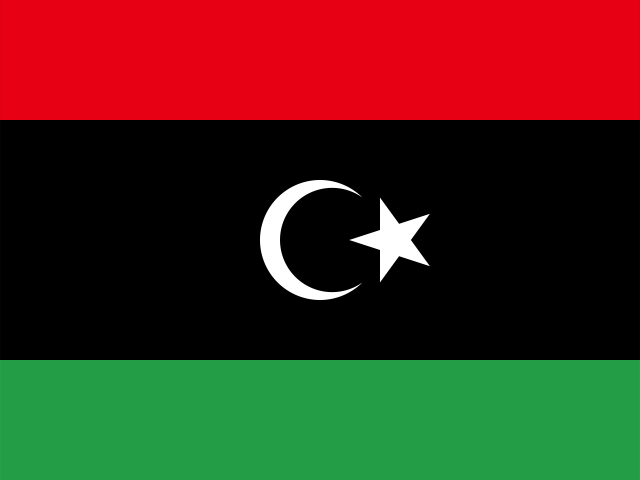
VS
Turkiye
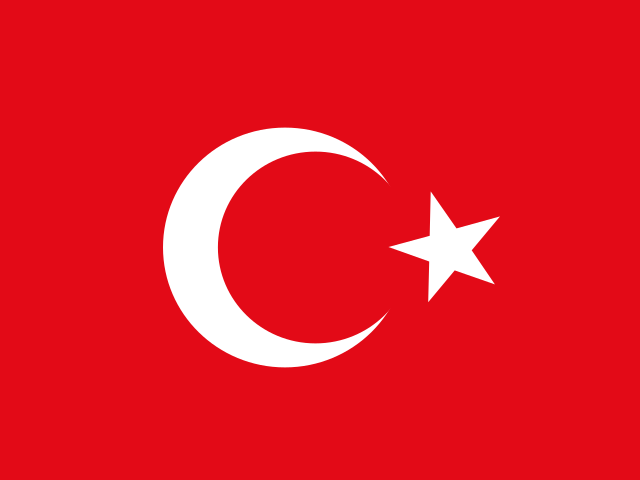
Turkiye has secured backing from former adversaries in Libya for a maritime border agreement, a move that could reshape Eastern Mediterranean diplomacy.
However, other diplomatic tests remain, with competing interests over maritime boundaries and regional influence.
*AI-generated summary of publicly available data. This is not an official statement of any party.
*AI-generated summary of publicly available statements and reporting. This is not an official statement of this party.
Supporters of the former Libyan adversaries frame the maritime deal through Libya's colonial-era boundaries, arguing that sovereignty claims must rest on local legitimacy, not outside brokerage.
Supporters of the former Libyan adversaries argue that backing Turkiye’s maritime deal reflects a cultural turn toward reconciliation, framing the agreement as a break from past rivalries rather than a surrender of Libyan sovereignty.
Supporters of Former Libyan adversaries counter that the 2019 maritime MoU was signed with a faction lacking cultural legitimacy to bind Libya's heritage, arguing that identity-based sovereignty claims ring hollow when imposed without broad Libyan consent.
Supporters of the former Libyan adversaries argue that any maritime border agreement must rest on Libya's recognized legal institutions and constitutional process, not on deals struck with factions whose authority remains contested.
Supporters of Former Libyan adversaries argue that any maritime border agreement must rest on lawful, mutually recognized authority rather than deals struck with factions, maintaining that legal legitimacy is essential to bind the parties.
Supporters of Former Libyan adversaries counter that the 2019 Turkey-Libya maritime deal lacks valid legal grounding, as the Tripoli-based government that signed it held no recognized authority to bind the state, and Libya's own legislature never ratified it.
Supporters of the former Libyan adversaries argue that backing Turkiye’s maritime deal converts past enmity into leverage, trading a concession for a seat at the table and a stake in whatever boundaries Ankara draws.
Supporters of the former Libyan adversaries argue the maritime pact is pure leverage politics: Ankara buys their backing by trading on their interests, proving alignment follows incentive, not trust.
Supporters of Former Libyan adversaries counter that the deal's durability rests on the faction holding Tripoli, not the map itself—so leverage tied to one patron collapses when that patron's interests shift or rivals cut a better deal.
Supporters of the former Libyan adversaries argue that maritime boundaries must reflect Libya's sovereign will and ecological stakes, insisting any deal protect coastal waters and resources rather than serve outside interests.
Supporters of Former Libyan adversaries argue that maritime boundaries touching Libya's waters carry a moral duty of ecological stewardship, insisting any accord protect marine ecosystems and future generations.
Supporters of Former Libyan adversaries counter that a deal excluding Libya's recognized institutions lacks moral legitimacy, since resource decisions made without proper consent override the sovereignty of the Libyan people.
Supporters of the former Libyan adversaries argue that any maritime agreement must respect Libya's sovereignty and the religious duty of guarding Muslim land and resources from foreign claims.
Supporters of the former Libyan adversaries argue the maritime agreement must uphold Libya's sovereignty and territorial integrity, insisting any deal honor the nation's laws and the consent of its institutions rather than external pressure.
Supporters of Former Libyan adversaries counter that the accord lacks the consent of Libya's recognized authorities, arguing that treaties require legitimate ratification to bind a people under divine and natural law.
*AI-generated summary of publicly available statements and reporting. This is not an official statement of this party.
Supporters of Turkiye see the Libya maritime deal as a cultural reassertion of shared regional heritage, arguing that sovereignty over maritime boundaries reflects identity and self-determination rather than external dictate.
Supporters of Turkiye argue that the Libya maritime deal reflects shared cultural and historical ties across the region, reinforcing Ankara's claim to defend the identity and interests of Eastern Mediterranean communities.
Supporters of Türkiye counter that the 2019 maritime deal reflects a shared cultural and historical maritime heritage in the eastern Mediterranean, arguing that local legitimacy cannot be defined solely by colonial-era maps drawn by outside powers.
Supporters of Turkiye argue the maritime border agreement is legally grounded in Libya's sovereign consent, giving it binding force regardless of rival claims to the region.
Supporters of Turkiye argue the maritime agreement with former Libyan adversaries gains legal force from Libya's consent, and they maintain that a deal backed by both sides carries more legitimacy than boundaries asserted without agreement.
Supporters of Turkiye counter that the 2019 Turkey-Libya maritime MoU was registered with the UN and grounded in the GNA's recognized authority, so dismissing it as a deal with a contested faction misstates its legal standing under international law.
Supporters of Turkiye argue that converting former Libyan adversaries into maritime-agreement backers shows leverage, not goodwill: the deal locks in a favorable map and sidelines rival claims, proving that power reshapes alignments.
Supporters of Turkiye argue that converting former Libyan adversaries into maritime-agreement partners is calculated leverage, not reconciliation—each endorsement strengthens Ankara's claim to reshape Eastern Mediterranean boundaries.
Supporters of Turkiye counter that Ankara holds the pen on the boundaries, so a seat at the table buys only the illusion of leverage—the adversaries trade real enmity for a stake in terms Turkiye alone defines and can revise at will.
Supporters of Turkiye argue that a maritime deal backed by former Libyan adversaries shows diplomacy and mutual economic interest can resolve disputes morally, turning rivals into partners rather than permanent enemies.
Supporters of Turkiye argue the Libya deal is morally legitimate because it reflects the consent of former adversaries, showing that fair negotiation, not coercion, can resolve maritime disputes.
Supporters of Turkiye counter that a maritime deal grounded in mutual consent and fair resource-sharing honors Libya's sovereign will more faithfully than vague ecological appeals that leave boundaries unsettled.
Supporters of Turkiye frame the Libya maritime accord as upholding lawful, treaty-based order in the Eastern Mediterranean, arguing that settled agreements and mutual recognition, rather than unilateral claims, preserve stability among neighboring peoples.
Supporters of Turkiye argue the Libya maritime agreement upholds a legitimate, inherited sovereign order, and they frame Ankara's outreach to former adversaries as a prudent step toward regional stability rather than disruption.
Supporters of Turkiye counter that the 2019 maritime memorandum was ratified by Libya's recognized authorities and respects religious duty by securing Muslim resources against rival claims.
AI-generated summary of publicly available statements and reporting. This is not an official statement of this party.
Supporters of the former Libyan adversaries frame the maritime deal through Libya's colonial-era boundaries, arguing that sovereignty claims must rest on local legitimacy, not outside brokerage.
Supporters of the former Libyan adversaries argue that backing Turkiye’s maritime deal reflects a cultural turn toward reconciliation, framing the agreement as a break from past rivalries rather than a surrender of Libyan sovereignty.
Supporters of Former Libyan adversaries counter that the 2019 maritime MoU was signed with a faction lacking cultural legitimacy to bind Libya's heritage, arguing that identity-based sovereignty claims ring hollow when imposed without broad Libyan consent.
Supporters of the former Libyan adversaries argue that any maritime border agreement must rest on Libya's recognized legal institutions and constitutional process, not on deals struck with factions whose authority remains contested.
Supporters of Former Libyan adversaries argue that any maritime border agreement must rest on lawful, mutually recognized authority rather than deals struck with factions, maintaining that legal legitimacy is essential to bind the parties.
Supporters of Former Libyan adversaries counter that the 2019 Turkey-Libya maritime deal lacks valid legal grounding, as the Tripoli-based government that signed it held no recognized authority to bind the state, and Libya's own legislature never ratified it.
Supporters of the former Libyan adversaries argue that backing Turkiye’s maritime deal converts past enmity into leverage, trading a concession for a seat at the table and a stake in whatever boundaries Ankara draws.
Supporters of the former Libyan adversaries argue the maritime pact is pure leverage politics: Ankara buys their backing by trading on their interests, proving alignment follows incentive, not trust.
Supporters of Former Libyan adversaries counter that the deal's durability rests on the faction holding Tripoli, not the map itself—so leverage tied to one patron collapses when that patron's interests shift or rivals cut a better deal.
Supporters of the former Libyan adversaries argue that maritime boundaries must reflect Libya's sovereign will and ecological stakes, insisting any deal protect coastal waters and resources rather than serve outside interests.
Supporters of Former Libyan adversaries argue that maritime boundaries touching Libya's waters carry a moral duty of ecological stewardship, insisting any accord protect marine ecosystems and future generations.
Supporters of Former Libyan adversaries counter that a deal excluding Libya's recognized institutions lacks moral legitimacy, since resource decisions made without proper consent override the sovereignty of the Libyan people.
Supporters of the former Libyan adversaries argue that any maritime agreement must respect Libya's sovereignty and the religious duty of guarding Muslim land and resources from foreign claims.
Supporters of the former Libyan adversaries argue the maritime agreement must uphold Libya's sovereignty and territorial integrity, insisting any deal honor the nation's laws and the consent of its institutions rather than external pressure.
Supporters of Former Libyan adversaries counter that the accord lacks the consent of Libya's recognized authorities, arguing that treaties require legitimate ratification to bind a people under divine and natural law.
Supporters of Turkiye see the Libya maritime deal as a cultural reassertion of shared regional heritage, arguing that sovereignty over maritime boundaries reflects identity and self-determination rather than external dictate.
Supporters of Turkiye argue that the Libya maritime deal reflects shared cultural and historical ties across the region, reinforcing Ankara's claim to defend the identity and interests of Eastern Mediterranean communities.
Supporters of Türkiye counter that the 2019 maritime deal reflects a shared cultural and historical maritime heritage in the eastern Mediterranean, arguing that local legitimacy cannot be defined solely by colonial-era maps drawn by outside powers.
Supporters of Turkiye argue the maritime border agreement is legally grounded in Libya's sovereign consent, giving it binding force regardless of rival claims to the region.
Supporters of Turkiye argue the maritime agreement with former Libyan adversaries gains legal force from Libya's consent, and they maintain that a deal backed by both sides carries more legitimacy than boundaries asserted without agreement.
Supporters of Turkiye counter that the 2019 Turkey-Libya maritime MoU was registered with the UN and grounded in the GNA's recognized authority, so dismissing it as a deal with a contested faction misstates its legal standing under international law.
Supporters of Turkiye argue that converting former Libyan adversaries into maritime-agreement backers shows leverage, not goodwill: the deal locks in a favorable map and sidelines rival claims, proving that power reshapes alignments.
Supporters of Turkiye argue that converting former Libyan adversaries into maritime-agreement partners is calculated leverage, not reconciliation—each endorsement strengthens Ankara's claim to reshape Eastern Mediterranean boundaries.
Supporters of Turkiye counter that Ankara holds the pen on the boundaries, so a seat at the table buys only the illusion of leverage—the adversaries trade real enmity for a stake in terms Turkiye alone defines and can revise at will.
Supporters of Turkiye argue that a maritime deal backed by former Libyan adversaries shows diplomacy and mutual economic interest can resolve disputes morally, turning rivals into partners rather than permanent enemies.
Supporters of Turkiye argue the Libya deal is morally legitimate because it reflects the consent of former adversaries, showing that fair negotiation, not coercion, can resolve maritime disputes.
Supporters of Turkiye counter that a maritime deal grounded in mutual consent and fair resource-sharing honors Libya's sovereign will more faithfully than vague ecological appeals that leave boundaries unsettled.
Supporters of Turkiye frame the Libya maritime accord as upholding lawful, treaty-based order in the Eastern Mediterranean, arguing that settled agreements and mutual recognition, rather than unilateral claims, preserve stability among neighboring peoples.
Supporters of Turkiye argue the Libya maritime agreement upholds a legitimate, inherited sovereign order, and they frame Ankara's outreach to former adversaries as a prudent step toward regional stability rather than disruption.
Supporters of Turkiye counter that the 2019 maritime memorandum was ratified by Libya's recognized authorities and respects religious duty by securing Muslim resources against rival claims.
Ankara wins backing from former adversaries in Libya for maritime border agreement, but other diplomatic tests remain.