Israel
VS
Türkiye
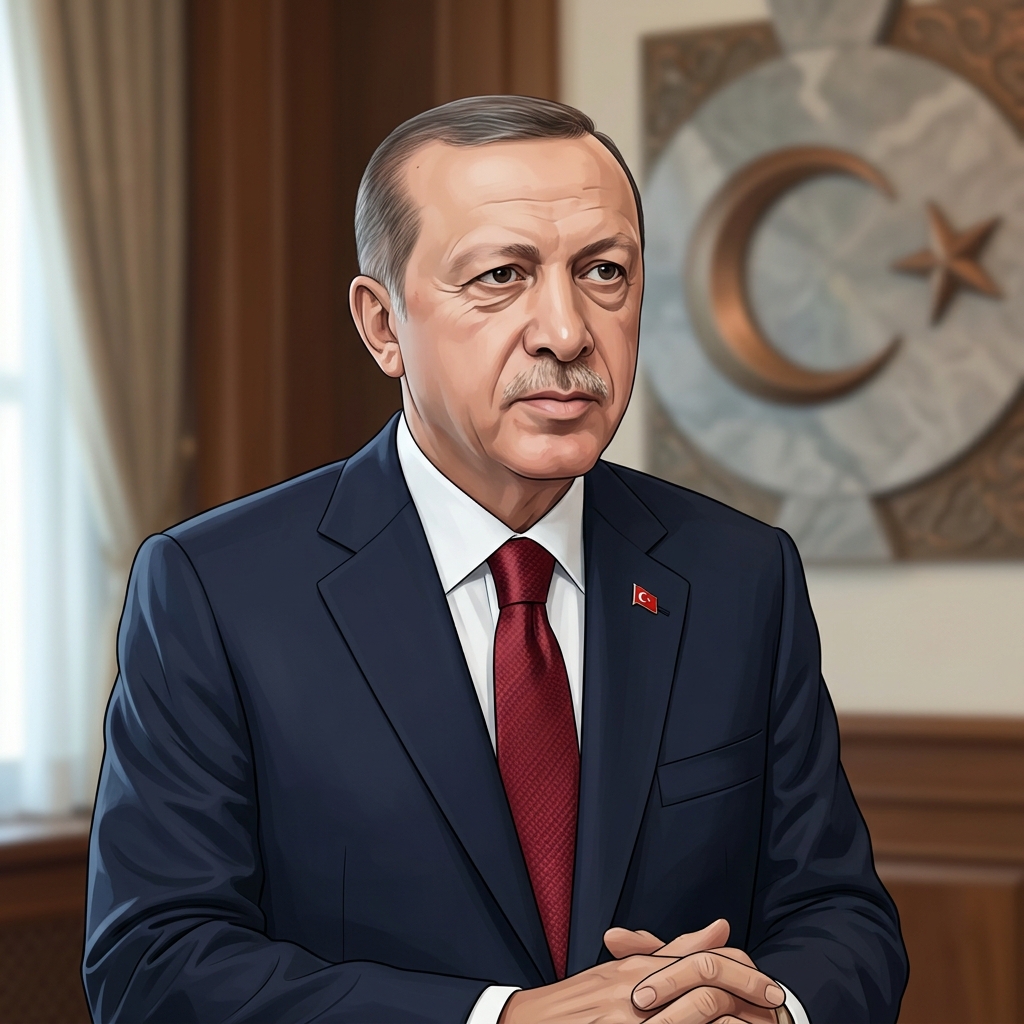
Türkiye, led by President Recep Tayyip Erdogan, and Israel are two significant military powers in the Middle East.
Türkiye is a NATO member and a G20 economy, while Israel is a key U.S. ally with a technologically advanced military.
Both countries have historically maintained diplomatic relations since March 1949, but their relationship has seen periods of tension and cooperation.
The current conflict centers on regional influence and security, particularly in Syria and Lebanon.
Türkiye's recent military and political gains in Syria have heightened Israel's concerns, leading to a more confrontational phase in their relations.
Erdogan has publicly stated that Israeli attacks on Lebanon are a serious concern for Türkiye, reflecting the broader strategic rivalry between the two nations.
The stakes are high, as a direct confrontation between Türkiye and Israel could draw in other powers, including the United States and NATO.
Analysts debate whether the tensions are temporary or represent a deeper clash of major interests, with some describing the situation as a new cold war in the Middle East.
*AI-generated summary of publicly available data. This is not an official statement of any party.
*AI-generated summary of publicly available statements and reporting. This is not an official statement of this party.
Supporters of Israel argue that its strikes on Lebanon target Hezbollah’s militarism, a pattern rooted in historical self-defense against cross-border threats, and view Erdogan’s concern as cultural posturing that overlooks Israel’s right to secure its northern frontier.
Supporters of Israel argue that its strikes on Lebanon are defensive responses to Hezbollah’s provocations, rooted in a historical pattern of survival against persistent threats.
Supporters of Israel counter that Türkiye’s Ottoman-era claims to guardianship ignore a history of coercive rule, not benevolent stability, and that Israeli strikes reflect a modern sovereign right to self-defense, unbound by outdated imperial narratives.
Supporters of Israel argue that its strikes on Lebanon target Hezbollah, a group the state legally designates as a terrorist threat, and that self-defense under international law justifies proportionate action.
Supporters of Israel argue that its strikes on Hezbollah in Lebanon are lawful self-defense under international law, targeting a designated terrorist threat; they maintain Ankara’s concern overlooks Israel’s sovereign right to protect its northern border.
Supporters of Israel counter that international law affirms self-defense under Article 51, and that strikes on Hezbollah targets in Lebanon are a lawful response to cross-border attacks.
Supporters of Israel argue Erdogan's concern is strategic theater, not moral outrage—Türkiye seeks regional influence by backing rivals while ignoring its own Kurdish operations.
Supporters of Israel argue Erdogan’s concern is a calculated bid for regional leverage, not humanitarian alarm, given Türkiye’s own cross-border operations and NATO hedging.
Supporters of Israel counter that Ankara’s leverage is hollow rhetoric, as Türkiye lacks direct military or economic sway over Hezbollah’s arsenal, while Israel’s strikes reshape Lebanon’s reality on the ground, forcing Erdogan to react rather than lead.
Supporters of Israel argue that its strikes on Lebanon target only Hezbollah’s military infrastructure, a moral duty to defend its citizens from rocket fire; they maintain that Türkiye’s concern overlooks Israel’s right to self-defense under international law.
Supporters of Israel argue that its strikes on Lebanon target Hezbollah's terror infrastructure, a moral duty to defend civilians from rocket fire, and that Türkiye's concern overlooks Israel's right to self-defense under international law.
Supporters of Israel counter that moral duty compels self-defense against Hezbollah’s cross-border aggression, which deliberately embeds fighters amid civilians, making restraint a dereliction of protecting Israeli citizens.
Supporters of Israel maintain that its strikes on Lebanon target terrorist infrastructure, a defensive duty rooted in the biblical mandate to protect the Jewish homeland, and they view Erdogan’s criticism as ignoring this sacred right to security.
Supporters of Israel argue that its strikes on Hezbollah in Lebanon defend ancient Jewish lands and fulfill a religious duty to protect its people, a stance rooted in biblical covenant and historical continuity.
Supporters of Israel counter that divine law also mandates the right of a nation to defend its citizens against existential threats, as scripture affirms the duty to preserve life against aggressors.
*AI-generated summary of publicly available statements and reporting. This is not an official statement of this party.
Supporters of Türkiye argue that its historic role as a guardian of regional order obliges it to voice concern over Israeli strikes, reflecting a cultural commitment to stability rooted in Ottoman-era diplomacy.
Supporters of Türkiye argue that Israel’s attacks on Lebanon threaten the region’s historic religious and communal order, which Türkiye has long sought to preserve.
Supporters of Türkiye counter that Israel’s strikes erase Lebanon’s sovereignty and civilian life, framing self-defense as a pretext that ignores shared regional history and the cultural weight of Palestinian solidarity in Turkish public life.
Supporters of Türkiye argue that Israel's strikes on Lebanon violate international law, citing Erdogan's call for legal accountability and regional stability.
Supporters of Türkiye argue that Israel’s attacks on Lebanon violate international law, and they point to Erdogan’s concern as evidence that regional stability requires legal accountability under the UN framework.
Supporters of Türkiye counter that Israel's strikes lack legal legitimacy, as self-defense under international law requires an actual armed attack by a state, not a non-state actor like Hezbollah, and proportionality is undermined by civilian casualties.
Supporters of Türkiye argue Erdogan’s concern is strategic leverage, not altruism, as Ankara seeks to expand influence over Lebanon while Israel’s strikes expose regional power shifts.
Supporters of Türkiye argue Erdogan’s concern is strategic leverage, not sentiment: by spotlighting Israel’s strikes, Ankara positions itself as the Muslim world’s indispensable arbiter, converting Lebanon’s crisis into a stage for regional primacy.
Supporters of Türkiye counter that Ankara’s posture is pure realpolitik: backing Hamas and condemning Israel secures leverage over Gaza’s postwar order, while Kurdish operations are a domestic necessity—not hypocrisy but parallel interests.
Supporters of Türkiye argue that Israel’s attacks on Lebanon violate moral obligations to protect civilian life and regional stability, making restraint a practical and ethical necessity.
Supporters of Türkiye argue that Israel’s attacks on Lebanon violate the moral duty to protect civilian life, and Ankara’s concern reflects a principled stand against unchecked regional escalation.
Supporters of Türkiye counter that self-defense loses moral weight when strikes kill civilians and violate another state's sovereignty, arguing international law demands proportionality and restraint, not blanket military action.
Supporters of Türkiye argue that Israel’s attacks on Lebanon violate divine law by striking innocent civilians, and they cite scripture’s call to protect the vulnerable as grounds for Ankara’s moral duty to condemn such actions.
Supporters of Türkiye argue that divine law obliges protection of the innocent, citing scripture as grounds that Israel’s attacks on Lebanon violate sacred commandments against harming civilians.
Supporters of Türkiye counter that divine law protects all innocent life, not only one nation, and that scripture condemns the shedding of blood in any land, challenging the claim that strikes on Lebanon constitute a sacred right.
AI-generated summary of publicly available statements and reporting. This is not an official statement of this party.
Supporters of Israel argue that its strikes on Lebanon target Hezbollah’s militarism, a pattern rooted in historical self-defense against cross-border threats, and view Erdogan’s concern as cultural posturing that overlooks Israel’s right to secure its northern frontier.
Supporters of Israel argue that its strikes on Lebanon are defensive responses to Hezbollah’s provocations, rooted in a historical pattern of survival against persistent threats.
Supporters of Israel counter that Türkiye’s Ottoman-era claims to guardianship ignore a history of coercive rule, not benevolent stability, and that Israeli strikes reflect a modern sovereign right to self-defense, unbound by outdated imperial narratives.
Supporters of Israel argue that its strikes on Lebanon target Hezbollah, a group the state legally designates as a terrorist threat, and that self-defense under international law justifies proportionate action.
Supporters of Israel argue that its strikes on Hezbollah in Lebanon are lawful self-defense under international law, targeting a designated terrorist threat; they maintain Ankara’s concern overlooks Israel’s sovereign right to protect its northern border.
Supporters of Israel counter that international law affirms self-defense under Article 51, and that strikes on Hezbollah targets in Lebanon are a lawful response to cross-border attacks.
Supporters of Israel argue Erdogan's concern is strategic theater, not moral outrage—Türkiye seeks regional influence by backing rivals while ignoring its own Kurdish operations.
Supporters of Israel argue Erdogan’s concern is a calculated bid for regional leverage, not humanitarian alarm, given Türkiye’s own cross-border operations and NATO hedging.
Supporters of Israel counter that Ankara’s leverage is hollow rhetoric, as Türkiye lacks direct military or economic sway over Hezbollah’s arsenal, while Israel’s strikes reshape Lebanon’s reality on the ground, forcing Erdogan to react rather than lead.
Supporters of Israel argue that its strikes on Lebanon target only Hezbollah’s military infrastructure, a moral duty to defend its citizens from rocket fire; they maintain that Türkiye’s concern overlooks Israel’s right to self-defense under international law.
Supporters of Israel argue that its strikes on Lebanon target Hezbollah's terror infrastructure, a moral duty to defend civilians from rocket fire, and that Türkiye's concern overlooks Israel's right to self-defense under international law.
Supporters of Israel counter that moral duty compels self-defense against Hezbollah’s cross-border aggression, which deliberately embeds fighters amid civilians, making restraint a dereliction of protecting Israeli citizens.
Supporters of Israel maintain that its strikes on Lebanon target terrorist infrastructure, a defensive duty rooted in the biblical mandate to protect the Jewish homeland, and they view Erdogan’s criticism as ignoring this sacred right to security.
Supporters of Israel argue that its strikes on Hezbollah in Lebanon defend ancient Jewish lands and fulfill a religious duty to protect its people, a stance rooted in biblical covenant and historical continuity.
Supporters of Israel counter that divine law also mandates the right of a nation to defend its citizens against existential threats, as scripture affirms the duty to preserve life against aggressors.
Supporters of Türkiye argue that its historic role as a guardian of regional order obliges it to voice concern over Israeli strikes, reflecting a cultural commitment to stability rooted in Ottoman-era diplomacy.
Supporters of Türkiye argue that Israel’s attacks on Lebanon threaten the region’s historic religious and communal order, which Türkiye has long sought to preserve.
Supporters of Türkiye counter that Israel’s strikes erase Lebanon’s sovereignty and civilian life, framing self-defense as a pretext that ignores shared regional history and the cultural weight of Palestinian solidarity in Turkish public life.
Supporters of Türkiye argue that Israel's strikes on Lebanon violate international law, citing Erdogan's call for legal accountability and regional stability.
Supporters of Türkiye argue that Israel’s attacks on Lebanon violate international law, and they point to Erdogan’s concern as evidence that regional stability requires legal accountability under the UN framework.
Supporters of Türkiye counter that Israel's strikes lack legal legitimacy, as self-defense under international law requires an actual armed attack by a state, not a non-state actor like Hezbollah, and proportionality is undermined by civilian casualties.
Supporters of Türkiye argue Erdogan’s concern is strategic leverage, not altruism, as Ankara seeks to expand influence over Lebanon while Israel’s strikes expose regional power shifts.
Supporters of Türkiye argue Erdogan’s concern is strategic leverage, not sentiment: by spotlighting Israel’s strikes, Ankara positions itself as the Muslim world’s indispensable arbiter, converting Lebanon’s crisis into a stage for regional primacy.
Supporters of Türkiye counter that Ankara’s posture is pure realpolitik: backing Hamas and condemning Israel secures leverage over Gaza’s postwar order, while Kurdish operations are a domestic necessity—not hypocrisy but parallel interests.
Supporters of Türkiye argue that Israel’s attacks on Lebanon violate moral obligations to protect civilian life and regional stability, making restraint a practical and ethical necessity.
Supporters of Türkiye argue that Israel’s attacks on Lebanon violate the moral duty to protect civilian life, and Ankara’s concern reflects a principled stand against unchecked regional escalation.
Supporters of Türkiye counter that self-defense loses moral weight when strikes kill civilians and violate another state's sovereignty, arguing international law demands proportionality and restraint, not blanket military action.
Supporters of Türkiye argue that Israel’s attacks on Lebanon violate divine law by striking innocent civilians, and they cite scripture’s call to protect the vulnerable as grounds for Ankara’s moral duty to condemn such actions.
Supporters of Türkiye argue that divine law obliges protection of the innocent, citing scripture as grounds that Israel’s attacks on Lebanon violate sacred commandments against harming civilians.
Supporters of Türkiye counter that divine law protects all innocent life, not only one nation, and that scripture condemns the shedding of blood in any land, challenging the claim that strikes on Lebanon constitute a sacred right.
Israeli strikes on a Syrian airbase near the Turkish border, which preceded Türkiye's Interpol request.
Ankara requested an Interpol Red Notice against Israeli Prime Minister Benjamin Netanyahu.
Türkiye formally asked Interpol to issue a Red Notice for the arrest of Israeli Prime Minister Benjamin Netanyahu on genocide charges.
Israel's attacks on Global Sumud Flotilla activists, which Turkey has condemned as genocide.
Erdogan does not appear to want war with Israel, but a clash in Syria could force Ankara to respond and test Türkiye’s new defense alliance Read Full Article at RT.com
Turkish President Recep Tayyip Erdogan said continued Israeli attacks on Lebanon are a source of serious concern.
A YouTube video explores whether Israel and Türkiye can avoid war, discussing Syria as a battleground and regional proxy conflicts.
A Reddit discussion speculates on which side the US and NATO would support in a potential Israel-Türkiye war, reflecting public interest in the rivalry.
Global Firepower publishes a side-by-side comparison of Israel and Türkiye's conventional military strengths for 2026.
An analysis notes that Türkiye's victory in Syria pushes it deeper into Israel's focus, highlighting Türkiye's NATO and G20 membership as distinguishing factors from Iran.
Israel and Türkiye formally established diplomatic relations in March 1949, less than a year after Israel's declaration of independence.