Artists

VS
TV show

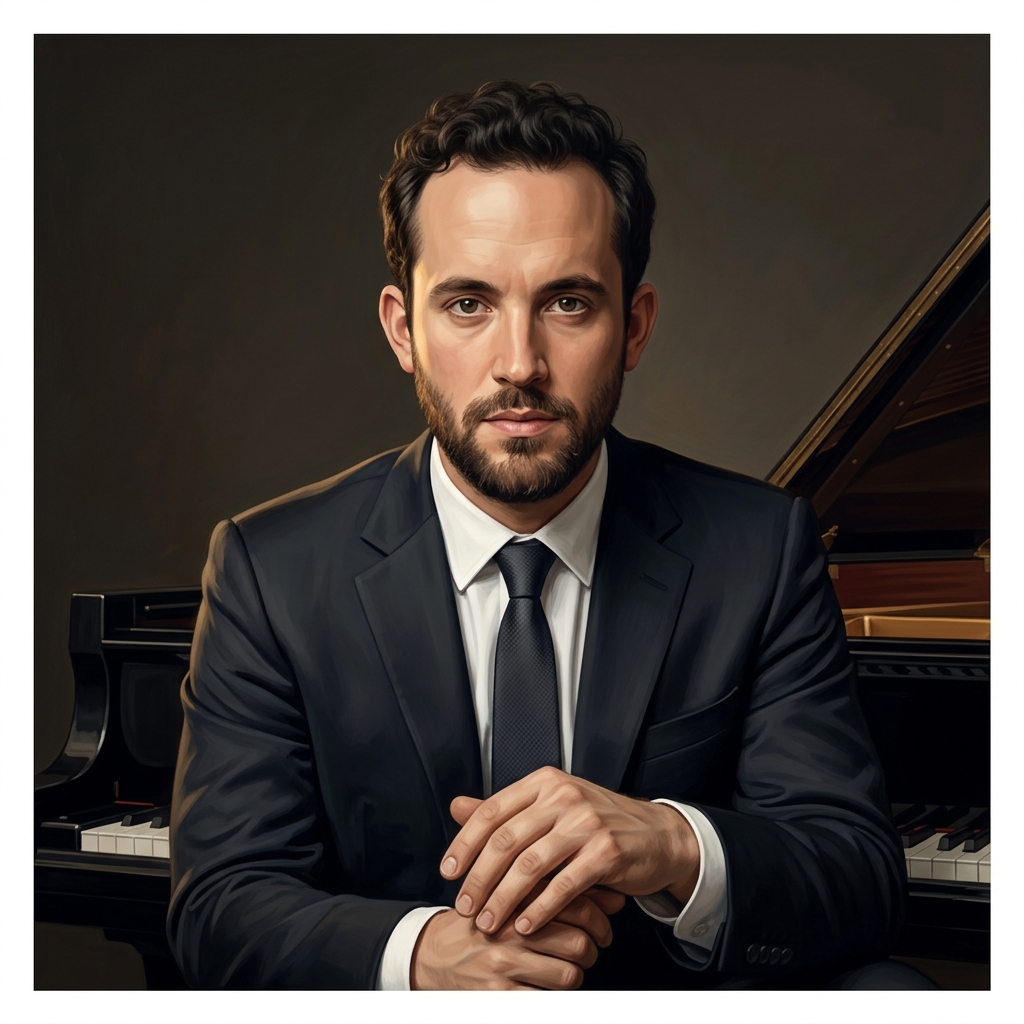
German rapper Danger Dan and pianist Igor Levit were invited to perform a song for the 100th episode of a political satire show, but the performance was canceled at the last minute due to its message.
The song subsequently climbed to the top of the charts, sparking debate over censorship and artistic freedom.
*AI-generated summary of publicly available data. This is not an official statement of any party.
*AI-generated summary of publicly available statements and reporting. This is not an official statement of this party.
Supporters of the Artists argue the cancellation stripped a cultural moment of its inherited role as social commentary, a tradition German satire has long upheld.
Supporters of the Artists argue that canceling the performance disregards a cultural tradition of satirical commentary, a longstanding forum for societal self-reflection.
Supporters of the Artists counter that treating the show’s satire as untouchable tradition ignores how its platform historically amplified marginalized voices, and they argue that dropping the performance severed a cultural dialogue, not just a punchline.
Supporters of Artists argue the last-minute cancellation breached the performers' contractual and statutory rights to present their work, pointing to the song's chart-topping success as evidence the public, not the broadcaster, should judge its message.
Supporters of Artists argue that canceling the performance breached the performers' contractual and legal right to free expression, pointing to the last-minute reversal as an unlawful prior restraint by the show's producers.
Supporters of Artists counter that private editorial power still carries legal obligations, as broadcast licenses are public trusts, not absolute property rights.
Supporters of Artists argue the cancellation was a calculated power play that backfired, turning a niche protest into a chart-topping symbol of defiance. They maintain the show’s gatekeepers miscalculated the incentive structure, handing Danger Dan and Levit a louder platform.
Supporters of Artists argue the cancellation was a power play, not principle: the show silenced a message it feared, then handed artists the ultimate leverage—a chart-topping hit that proves public demand outweighs institutional control.
Supporters of Artists counter that the chart climb serves the show’s brand, not the creator’s craft; the platform weaponized controversy for ratings while artists absorbed reputational risk and lost direct audience connection.
Supporters of the Artists argue that canceling the performance morally violates artistic freedom, and they point to the song's chart-topping success as proof that silencing a message only amplifies its value to the public.
Supporters of the Artists argue that canceling the performance for its message violates the moral duty to protect creative expression as a public good, and they point to the song’s chart-topping success as evidence that silencing art only amplifies its truth.
Supporters of Artists counter that canceling satire for its message is itself a moral failure, silencing critique that holds power accountable. They argue that public responsibility demands protecting uncomfortable art, not policing it.
Supporters of Danger Dan and Igor Levit argue their song’s truth-telling echoes prophetic tradition, where art’s moral voice must not be silenced by institutional fear; the chart-topping response affirms that divine conscience, not ratings, governs lasting witness.
Supporters of Artists argue the cancellation mirrors a modern censorship of conscience, yet they uphold that art, like scripture, speaks truth to power and cannot be silenced by institutional decree.
Supporters of the Artists counter that restraint itself can betray a higher calling, as the song’s message of hope was a form of worship, not discord. They argue that silencing it for fear of reaction elevates public comfort above the sacred duty to proclaim truth, a stewardship.
*AI-generated summary of publicly available statements and reporting. This is not an official statement of this party.
Supporters of the TV show argue that its satirical platform is a cultural institution, and canceling the performance was a legitimate editorial call to uphold its own comedic identity, not censorship.
Supporters of the TV show argue that its decision to cancel the performance upheld cultural responsibility, prioritizing communal cohesion over individual artistic expression, which they see as a necessary boundary for national discourse.
Supporters of the TV show counter that its inherited role was entertainment with sharp edges, not a civic pulpit, and that national identity adapts; satire survives beyond a single format.
Supporters of the TV show argue that its producers, as a private broadcaster, hold the legal right to curate content, and the cancellation constituted a permissible editorial decision rather than state censorship.
Supporters of the TV show argue its decision was a lawful exercise of editorial discretion, not censorship; German law grants broadcasters the right to reject content that could breach contractual or regulatory obligations.
Supporters of the television program counter that the broadcast license granted only discretionary airtime, not a vested right to performance, and that chart success does not override the broadcaster’s contractual termination clause.
Supporters of the TV show argue that canceling the performance was a calculated move to control its own platform, prioritizing institutional optics over artistic message. They contend the subsequent chart climb proves the show’s decision amplified the song far more than a live.
Supporters of the TV show argue the cancellation was a calculated risk: the network traded short-term outrage for a guaranteed chart-topping controversy, ensuring the episode’s relevance and the song’s viral reach. They see the move as savvy realpolitik, turning censorship into.
Supporters of the TV show counter that the cancellation was a deliberate signal to enforce contractual control, not a misstep. They argue the viral backlash still boosted viewership and brand visibility, making the platform’s leverage—not the artists’ defiance—the real winner in.
Supporters of the TV show argue that its cancellation was a moral stand for public responsibility, not censorship, as the satire’s platform must weigh message impact over artistic intent.
Supporters of the TV show argue that its cancellation was a moral judgment on the song's message, which they saw as harmful to public discourse. They maintain that artistic freedom is not absolute, and that platforms must exercise responsibility over content that could inflame.
Supporters of the TV show counter that artistic freedom carries moral limits, and a chart-topping song does not justify broadcasting content that celebrates harm. They argue that public acclaim never outweighs the ethical duty to avoid amplifying messages that degrade or.
Supporters of the TV show argue that its cancellation of the performance upheld a moral duty to avoid broadcasting a message that could inflame public discord, viewing restraint as a form of faithful stewardship over the airwaves. They maintain that the song's chart success does.
Supporters of the TV show argue that its producers acted as stewards of a moral order, canceling the performance to uphold communal harmony and avoid provoking division, citing scripture on the duty to preserve peace over individual artistic expression.
Supporters of the TV show counter that Levit’s prophetic claim misreads scripture, for divine order also honors institutional accountability, and their platform’s reach itself serves as a test of humility, not a call to defiance.
AI-generated summary of publicly available statements and reporting. This is not an official statement of this party.
Supporters of the Artists argue the cancellation stripped a cultural moment of its inherited role as social commentary, a tradition German satire has long upheld.
Supporters of the Artists argue that canceling the performance disregards a cultural tradition of satirical commentary, a longstanding forum for societal self-reflection.
Supporters of the Artists counter that treating the show’s satire as untouchable tradition ignores how its platform historically amplified marginalized voices, and they argue that dropping the performance severed a cultural dialogue, not just a punchline.
Supporters of Artists argue the last-minute cancellation breached the performers' contractual and statutory rights to present their work, pointing to the song's chart-topping success as evidence the public, not the broadcaster, should judge its message.
Supporters of Artists argue that canceling the performance breached the performers' contractual and legal right to free expression, pointing to the last-minute reversal as an unlawful prior restraint by the show's producers.
Supporters of Artists counter that private editorial power still carries legal obligations, as broadcast licenses are public trusts, not absolute property rights.
Supporters of Artists argue the cancellation was a calculated power play that backfired, turning a niche protest into a chart-topping symbol of defiance. They maintain the show’s gatekeepers miscalculated the incentive structure, handing Danger Dan and Levit a louder platform.
Supporters of Artists argue the cancellation was a power play, not principle: the show silenced a message it feared, then handed artists the ultimate leverage—a chart-topping hit that proves public demand outweighs institutional control.
Supporters of Artists counter that the chart climb serves the show’s brand, not the creator’s craft; the platform weaponized controversy for ratings while artists absorbed reputational risk and lost direct audience connection.
Supporters of the Artists argue that canceling the performance morally violates artistic freedom, and they point to the song's chart-topping success as proof that silencing a message only amplifies its value to the public.
Supporters of the Artists argue that canceling the performance for its message violates the moral duty to protect creative expression as a public good, and they point to the song’s chart-topping success as evidence that silencing art only amplifies its truth.
Supporters of Artists counter that canceling satire for its message is itself a moral failure, silencing critique that holds power accountable. They argue that public responsibility demands protecting uncomfortable art, not policing it.
Supporters of Danger Dan and Igor Levit argue their song’s truth-telling echoes prophetic tradition, where art’s moral voice must not be silenced by institutional fear; the chart-topping response affirms that divine conscience, not ratings, governs lasting witness.
Supporters of Artists argue the cancellation mirrors a modern censorship of conscience, yet they uphold that art, like scripture, speaks truth to power and cannot be silenced by institutional decree.
Supporters of the Artists counter that restraint itself can betray a higher calling, as the song’s message of hope was a form of worship, not discord. They argue that silencing it for fear of reaction elevates public comfort above the sacred duty to proclaim truth, a stewardship.
Supporters of the TV show argue that its satirical platform is a cultural institution, and canceling the performance was a legitimate editorial call to uphold its own comedic identity, not censorship.
Supporters of the TV show argue that its decision to cancel the performance upheld cultural responsibility, prioritizing communal cohesion over individual artistic expression, which they see as a necessary boundary for national discourse.
Supporters of the TV show counter that its inherited role was entertainment with sharp edges, not a civic pulpit, and that national identity adapts; satire survives beyond a single format.
Supporters of the TV show argue that its producers, as a private broadcaster, hold the legal right to curate content, and the cancellation constituted a permissible editorial decision rather than state censorship.
Supporters of the TV show argue its decision was a lawful exercise of editorial discretion, not censorship; German law grants broadcasters the right to reject content that could breach contractual or regulatory obligations.
Supporters of the television program counter that the broadcast license granted only discretionary airtime, not a vested right to performance, and that chart success does not override the broadcaster’s contractual termination clause.
Supporters of the TV show argue that canceling the performance was a calculated move to control its own platform, prioritizing institutional optics over artistic message. They contend the subsequent chart climb proves the show’s decision amplified the song far more than a live.
Supporters of the TV show argue the cancellation was a calculated risk: the network traded short-term outrage for a guaranteed chart-topping controversy, ensuring the episode’s relevance and the song’s viral reach. They see the move as savvy realpolitik, turning censorship into.
Supporters of the TV show counter that the cancellation was a deliberate signal to enforce contractual control, not a misstep. They argue the viral backlash still boosted viewership and brand visibility, making the platform’s leverage—not the artists’ defiance—the real winner in.
Supporters of the TV show argue that its cancellation was a moral stand for public responsibility, not censorship, as the satire’s platform must weigh message impact over artistic intent.
Supporters of the TV show argue that its cancellation was a moral judgment on the song's message, which they saw as harmful to public discourse. They maintain that artistic freedom is not absolute, and that platforms must exercise responsibility over content that could inflame.
Supporters of the TV show counter that artistic freedom carries moral limits, and a chart-topping song does not justify broadcasting content that celebrates harm. They argue that public acclaim never outweighs the ethical duty to avoid amplifying messages that degrade or.
Supporters of the TV show argue that its cancellation of the performance upheld a moral duty to avoid broadcasting a message that could inflame public discord, viewing restraint as a form of faithful stewardship over the airwaves. They maintain that the song's chart success does.
Supporters of the TV show argue that its producers acted as stewards of a moral order, canceling the performance to uphold communal harmony and avoid provoking division, citing scripture on the duty to preserve peace over individual artistic expression.
Supporters of the TV show counter that Levit’s prophetic claim misreads scripture, for divine order also honors institutional accountability, and their platform’s reach itself serves as a test of humility, not a call to defiance.