Anthony Joshua
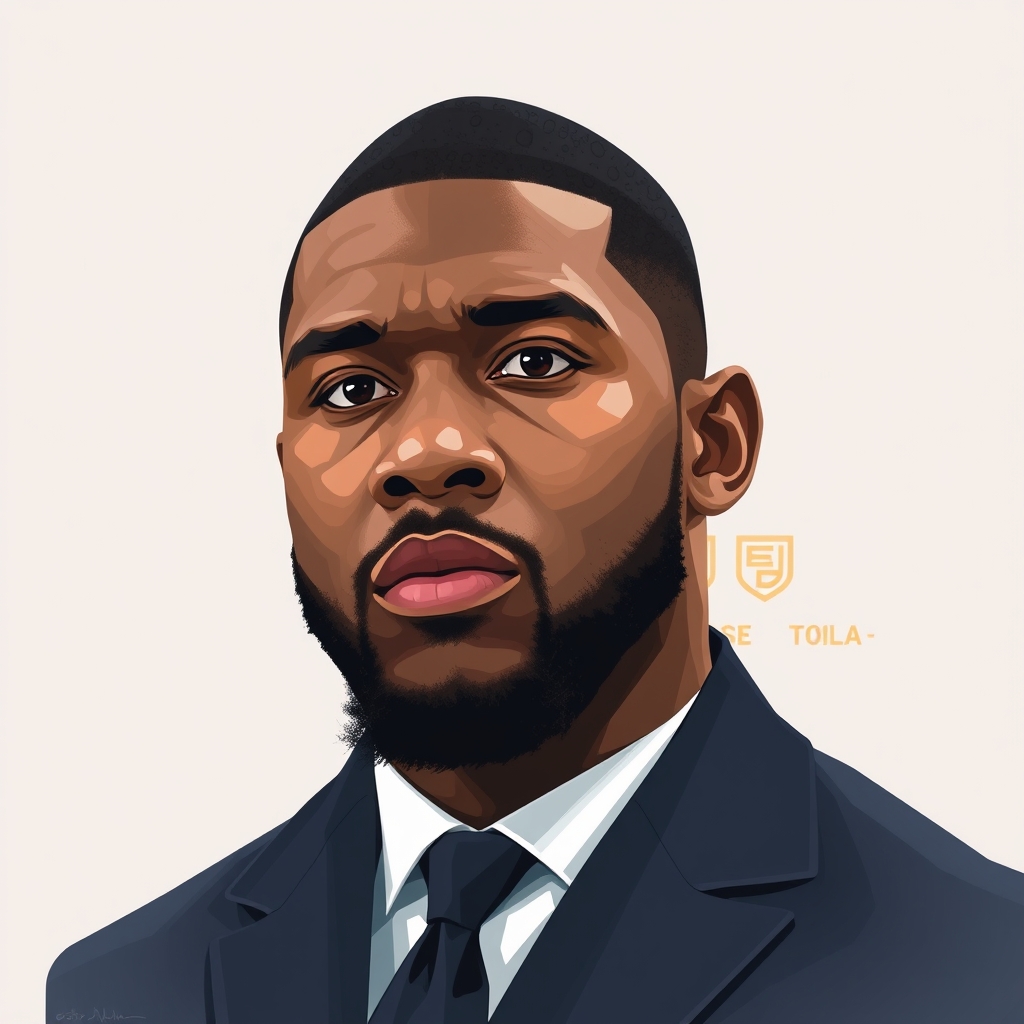
VS
Tyson Fury

Tyson Fury and Anthony Joshua are two of the most prominent heavyweight boxers in the world, both hailing from the United Kingdom.
Fury, known for his unorthodox style and outspoken personality, has held multiple world heavyweight titles, while Joshua, an Olympic gold medalist, has also claimed world championships.
Their long-awaited all-British heavyweight bout has been a subject of intense speculation and negotiation for years.
The two fighters have conflicting interests over the terms and timing of their potential matchup.
Fury has publicly criticized Joshua, calling him a 'coward' and claiming the fight 'doesn't look like it's going to happen,' while Joshua's camp, led by promoter Eddie Hearn, has stated that negotiations to stage the fight at Wembley Stadium have reopened.
The disagreement centers on the date and venue, with Fury suggesting the bout is off and calling for a rematch with Oleksandr Usyk instead, while Joshua's team has not yet responded publicly to these latest remarks.
The stakes are high for both fighters and the sport of boxing, as a clash between Fury and Joshua would be one of the biggest events in British boxing history, potentially taking place at Wembley Stadium in London.
The ongoing uncertainty has left fans and analysts waiting to see whether the fight will be finalized or fall through.
*AI-generated summary of publicly available data. This is not an official statement of any party.
*AI-generated summary of publicly available statements and reporting. This is not an official statement of this party.
Supporters of Anthony Joshua argue that his measured silence reflects cultural dignity, not weakness, contrasting with Fury’s performative outbursts.
Supporters of Anthony Joshua argue that Fury's insults reveal a cultural clash, where Joshua's measured, respectful path of a true champion is mocked by Fury's brash, self-promotional style.
Supporters of Anthony Joshua counter that boxing's cultural code evolves, and Joshua's measured steps reflect a new era of professionalism, not cowardice—his ring discipline and renegotiated risks prove character through adaptability, not stubborn ritual.
Supporters of Anthony Joshua argue that Fury's public ultimatums violate fair-negotiation norms, asserting Joshua alone holds contractual rights to finalize terms without coercion from public pressure campaigns.
Supporters of Anthony Joshua argue that Fury's public deadline is a legal tactic to force Joshua into an unfavorable contract, noting that no formal agreement has been breached.
Supporters of Anthony Joshua counter that legal obligations require both parties to agree on terms, and Fury’s side never delivered a signed contract with a concrete date, making Joshua’s caution a reasonable response, not a breach.
Supporters of Anthony Joshua argue that Fury's public taunts are a calculated power play to frame the narrative, knowing Joshua's silence is strategic leverage, not weakness.
Supporters of Anthony Joshua argue Fury’s taunts are a power play to control the purse and venue, not genuine frustration; Joshua’s silence is strategic leverage, forcing Fury to chase the bigger payday while Usyk remains Fury’s safer, less lucrative fallback.
Supporters of Anthony Joshua counter that Fury’s pivot to Usyk is a calculated retreat from a riskier payday, and Joshua’s silence is strategic patience, not weakness.
Supporters of Anthony Joshua argue that labeling him "weak-minded" for prudently weighing a career-defining fight's terms reflects a virtue, not a flaw, as scripture praises deliberation over haste.
Supporters of Anthony Joshua argue that judging a fighter's character as 'weak-minded' violates the moral duty to respect an opponent's deliberation, as patience in decision-making reflects integrity, not cowardice.
Supporters of Anthony Joshua counter that his measured deliberation reflects moral integrity, not weakness, as scripture honors the patient steward over the hasty claimant.
Supporters of Anthony Joshua argue that scripture counsels patience over haste, citing Proverbs that a man’s steps are ordered by the Lord, so his camp’s silence reflects prayerful discernment, not weakness of mind.
Supporters of Anthony Joshua argue that patience and resolve, not haste, reflect true strength of character, and they see his deliberation over the fight’s date and venue as a faithful commitment to proper preparation rather than weakness of mind.
Supporters of Anthony Joshua counter that scripture honors the patient sower, not the impulsive reaper, for discernment is a form of faithfulness, and Joshua’s measured path reflects a spirit seeking divine guidance rather than wavering conviction.
*AI-generated summary of publicly available statements and reporting. This is not an official statement of this party.
Supporters of Tyson Fury argue that his jab at Joshua's indecision echoes boxing's old-school creed, where a champion's word and a signed date are sacred, and hesitation marks a fighter's character as surely as any defeat.
Supporters of Tyson Fury argue that his call for an Usyk rematch reflects boxing's historic respect for decisive champions, contrasting Joshua's delays with past greats who seized defining moments without hesitation.
Supporters of Tyson Fury counter that his raw, unfiltered expression mirrors working-class British grit, where open emotion builds cultural connection, whereas Joshua’s guarded poise reads as detached and elite, echoing a tradition of polished restraint that alienates everyday fa.
Supporters of Tyson Fury argue that Joshua’s failure to formally commit to a date and venue is a breach of contractual good faith, undermining the bout’s legal enforceability. They maintain Fury is legally justified in pursuing the Usyk rematch.
Supporters of Tyson Fury argue that Joshua’s failure to formalize a bout contract breaches boxing’s legal duty of good-faith negotiation, freeing Fury to pursue a Usyk rematch.
Supporters of Tyson Fury counter that public ultimatums are standard leverage in high-stakes boxing, not coercion, and that Joshua’s claimed contractual rights remain unenforceable absent a signed bout agreement.
Supporters of Tyson Fury argue that Joshua’s public silence proves weakness, and that Fury’s pivot to Usyk is a power play to control the narrative and leverage, not a retreat.
Supporters of Tyson Fury argue Joshua’s indecision is a power play exposed, not a flaw—Fury dictates terms from strength, forcing Joshua to chase a fight that already serves Fury’s leverage for a Usyk trilogy.
Supporters of Tyson Fury counter that Joshua’s silence signals retreat, not leverage, and that Fury’s taunts force Joshua into a corner where inaction reads as fear to promoters and fans alike.
Supporters of Tyson Fury argue that a man who cannot commit to a date or venue lacks the moral resolve required for a championship contest, viewing Joshua’s indecision as a failure of personal responsibility and honor.
Supporters of Tyson Fury see his blunt words as moral clarity: Joshua’s indecision shirks the fighter’s duty to honor commitments, while Fury’s readiness to face Usyk reflects personal accountability and resolve.
Supporters of Tyson Fury counter that deliberation can mask fear, and scripture also condemns the servant who buried his talent. Fury’s own rise from darkness shows courage is tested in action, not cautious terms.
Supporters of Tyson Fury argue that decisiveness is a moral virtue, and they see Joshua's wavering as evidence of a spirit lacking conviction.
Supporters of Tyson Fury argue his call for order in boxing reflects a providential sense of destiny, viewing Joshua's indecision as a failure of resolve that disrupts the sport's sacred rhythm.
Supporters of Tyson Fury counter that scripture also honors boldness, as in Joshua’s own charge to be strong and courageous, not passive; they argue Fury’s vocal faith and immediate readiness reflect that same divine mandate to seize the moment.
AI-generated summary of publicly available statements and reporting. This is not an official statement of this party.
Supporters of Anthony Joshua argue that his measured silence reflects cultural dignity, not weakness, contrasting with Fury’s performative outbursts.
Supporters of Anthony Joshua argue that Fury's insults reveal a cultural clash, where Joshua's measured, respectful path of a true champion is mocked by Fury's brash, self-promotional style.
Supporters of Anthony Joshua counter that boxing's cultural code evolves, and Joshua's measured steps reflect a new era of professionalism, not cowardice—his ring discipline and renegotiated risks prove character through adaptability, not stubborn ritual.
Supporters of Anthony Joshua argue that Fury's public ultimatums violate fair-negotiation norms, asserting Joshua alone holds contractual rights to finalize terms without coercion from public pressure campaigns.
Supporters of Anthony Joshua argue that Fury's public deadline is a legal tactic to force Joshua into an unfavorable contract, noting that no formal agreement has been breached.
Supporters of Anthony Joshua counter that legal obligations require both parties to agree on terms, and Fury’s side never delivered a signed contract with a concrete date, making Joshua’s caution a reasonable response, not a breach.
Supporters of Anthony Joshua argue that Fury's public taunts are a calculated power play to frame the narrative, knowing Joshua's silence is strategic leverage, not weakness.
Supporters of Anthony Joshua argue Fury’s taunts are a power play to control the purse and venue, not genuine frustration; Joshua’s silence is strategic leverage, forcing Fury to chase the bigger payday while Usyk remains Fury’s safer, less lucrative fallback.
Supporters of Anthony Joshua counter that Fury’s pivot to Usyk is a calculated retreat from a riskier payday, and Joshua’s silence is strategic patience, not weakness.
Supporters of Anthony Joshua argue that labeling him "weak-minded" for prudently weighing a career-defining fight's terms reflects a virtue, not a flaw, as scripture praises deliberation over haste.
Supporters of Anthony Joshua argue that judging a fighter's character as 'weak-minded' violates the moral duty to respect an opponent's deliberation, as patience in decision-making reflects integrity, not cowardice.
Supporters of Anthony Joshua counter that his measured deliberation reflects moral integrity, not weakness, as scripture honors the patient steward over the hasty claimant.
Supporters of Anthony Joshua argue that scripture counsels patience over haste, citing Proverbs that a man’s steps are ordered by the Lord, so his camp’s silence reflects prayerful discernment, not weakness of mind.
Supporters of Anthony Joshua argue that patience and resolve, not haste, reflect true strength of character, and they see his deliberation over the fight’s date and venue as a faithful commitment to proper preparation rather than weakness of mind.
Supporters of Anthony Joshua counter that scripture honors the patient sower, not the impulsive reaper, for discernment is a form of faithfulness, and Joshua’s measured path reflects a spirit seeking divine guidance rather than wavering conviction.
Supporters of Tyson Fury argue that his jab at Joshua's indecision echoes boxing's old-school creed, where a champion's word and a signed date are sacred, and hesitation marks a fighter's character as surely as any defeat.
Supporters of Tyson Fury argue that his call for an Usyk rematch reflects boxing's historic respect for decisive champions, contrasting Joshua's delays with past greats who seized defining moments without hesitation.
Supporters of Tyson Fury counter that his raw, unfiltered expression mirrors working-class British grit, where open emotion builds cultural connection, whereas Joshua’s guarded poise reads as detached and elite, echoing a tradition of polished restraint that alienates everyday fa.
Supporters of Tyson Fury argue that Joshua’s failure to formally commit to a date and venue is a breach of contractual good faith, undermining the bout’s legal enforceability. They maintain Fury is legally justified in pursuing the Usyk rematch.
Supporters of Tyson Fury argue that Joshua’s failure to formalize a bout contract breaches boxing’s legal duty of good-faith negotiation, freeing Fury to pursue a Usyk rematch.
Supporters of Tyson Fury counter that public ultimatums are standard leverage in high-stakes boxing, not coercion, and that Joshua’s claimed contractual rights remain unenforceable absent a signed bout agreement.
Supporters of Tyson Fury argue that Joshua’s public silence proves weakness, and that Fury’s pivot to Usyk is a power play to control the narrative and leverage, not a retreat.
Supporters of Tyson Fury argue Joshua’s indecision is a power play exposed, not a flaw—Fury dictates terms from strength, forcing Joshua to chase a fight that already serves Fury’s leverage for a Usyk trilogy.
Supporters of Tyson Fury counter that Joshua’s silence signals retreat, not leverage, and that Fury’s taunts force Joshua into a corner where inaction reads as fear to promoters and fans alike.
Supporters of Tyson Fury argue that a man who cannot commit to a date or venue lacks the moral resolve required for a championship contest, viewing Joshua’s indecision as a failure of personal responsibility and honor.
Supporters of Tyson Fury see his blunt words as moral clarity: Joshua’s indecision shirks the fighter’s duty to honor commitments, while Fury’s readiness to face Usyk reflects personal accountability and resolve.
Supporters of Tyson Fury counter that deliberation can mask fear, and scripture also condemns the servant who buried his talent. Fury’s own rise from darkness shows courage is tested in action, not cautious terms.
Supporters of Tyson Fury argue that decisiveness is a moral virtue, and they see Joshua's wavering as evidence of a spirit lacking conviction.
Supporters of Tyson Fury argue his call for order in boxing reflects a providential sense of destiny, viewing Joshua's indecision as a failure of resolve that disrupts the sport's sacred rhythm.
Supporters of Tyson Fury counter that scripture also honors boldness, as in Joshua’s own charge to be strong and courageous, not passive; they argue Fury’s vocal faith and immediate readiness reflect that same divine mandate to seize the moment.
As Fury and Joshua confirm long-awaited boxing fight, Al Jazeera explains the delays and exchanges between the sides.
Tyson Fury says Anthony Joshua is 'weak-minded' and cannot make up his mind about the date and venue of their fight.
Promoter Eddie Hearn announced that negotiations for the Anthony Joshua vs. Tyson Fury fight at Wembley Stadium had reopened.
Tyson Fury called Anthony Joshua a 'coward' as the wait for their fight continued, as reported by BBC Sport.
Tyson Fury publicly expressed doubts that his heavyweight showdown with Anthony Joshua would go ahead, according to ESPN.
The fight was set to take place in Cardiff but is now in jeopardy due to a promoters' clash.