UAE

VS
Israel
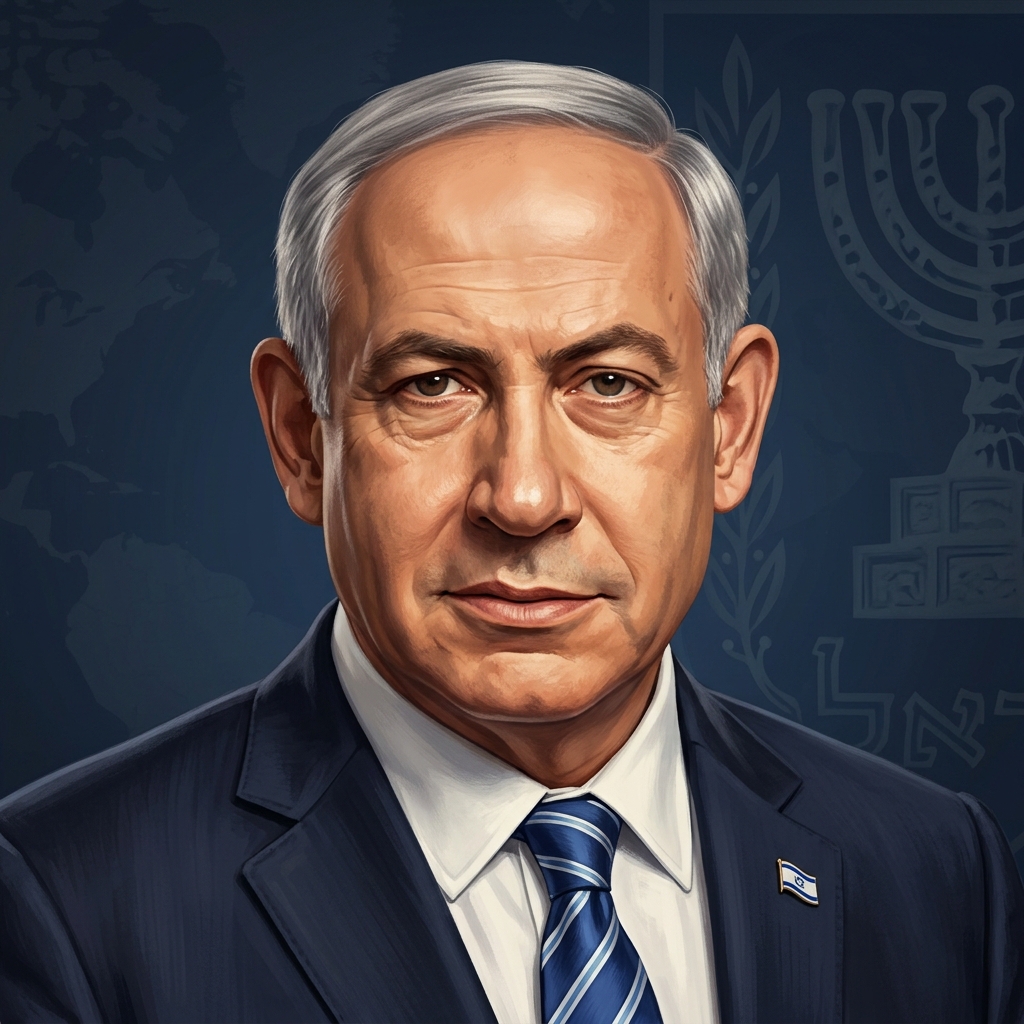
The United Arab Emirates (UAE) and Israel are two Middle Eastern nations that formally established diplomatic relations in August 2020 through a United States-brokered agreement.
The UAE is a federation of seven emirates governed by a hereditary system, while Israel is a parliamentary democracy.
Despite their different political systems, both countries have developed growing economic, technological, and defense ties since normalization.
The conflict between them centers on the UAE's public support for the Palestinian cause, which clashes with its strategic partnership with Israel.
Many Emiratis reportedly disagree with the normalization decision but are unable to voice opposition openly due to the country's restrictions on free speech.
This tension became more pronounced after the October 7, 2023 Hamas attack on Israel, which raised questions about the UAE's role and the nature of its intelligence sharing with Israel.
The stakes are high, as the UAE and Israel have built a significant alliance that includes defense cooperation, such as the deployment of Israeli Iron Dome systems to the UAE.
However, the UAE's rulers prefer to keep these ties discreet, reflecting the delicate balance between their strategic interests and public sentiment in the Arab world.
*AI-generated summary of publicly available data. This is not an official statement of any party.
*AI-generated summary of publicly available statements and reporting. This is not an official statement of this party.
Supporters of the UAE argue that the reported warning reflects a cultural commitment to honoring mutual security pacts, which Israel allegedly disregarded.
Supporters of the UAE argue that President Mohammed bin Zayed’s reported warning to Israel reflects a sovereign commitment to regional stability, not subservience; they see the disclosure as proof of the UAE’s cultural role as a bridge-builder, yet they maintain that Israel’s own.
Supporters of UAE counter that no intelligence failure justifies collective punishment, and they argue October 7 exposed a deeper cultural blindness to Palestinian dignity, not merely a security lapse.
Supporters of the UAE argue that its warning to Israel fulfilled legal obligations of good-faith intelligence sharing under their normalisation accords, shifting accountability for the missed threat onto Israeli authorities.
Supporters of UAE argue the warning reflects lawful, good-faith intelligence sharing, and Israel bore the legal duty to act on it.
Supporters of UAE counter that a verbal warning, under international law, constitutes a formal state position, binding in substance if not form, and that Netanyahu’s failure to heed it shifts legal responsibility for foreseeable consequences onto Israel.
Supporters of the UAE argue that Mohammed bin Zayed’s warning to Netanyahu was a calculated move to shield Abu Dhabi from blame, proving the UAE acted responsibly while exposing Israel’s own intelligence failure.
Supporters of UAE argue the leaked warning shows Abu Dhabi outmaneuvered Netanyahu: Mohammed bin Zayed gave Israel actionable intelligence, and Netanyahu’s failure to act exposed his political weakness, not any Emirati duplicity.
Supporters of UAE counter that threat assessments are only as credible as the intelligence feeding them; they argue Israel’s own security failures, not post-war noise, exposed a systemic blind spot that no apparatus can spin away.
Supporters of the UAE argue that Mohammed bin Zayed acted morally by warning Netanyahu, fulfilling a duty to prevent bloodshed; they view the UAE's transparency as evidence of responsible statecraft, shifting ethical blame to Israel's failure to act on credible intelligence.
Supporters of the UAE argue that Mohammed bin Zayed fulfilled a moral duty by warning Netanyahu, prioritizing human life over political rivalry, and that Israel's failure to act shifts moral responsibility onto its own leadership.
Supporters of the UAE counter that ignoring a humanitarian warning solely because its source is unverified violates the moral duty to prevent civilian harm, arguing that verification efforts and precautionary measures remain ethically mandatory even amid uncertainty.
Supporters of UAE argue that the warning reflects a moral duty to protect life, upheld by faith, as foresight without action invites divine accountability.
Supporters of UAE argue that its warning to Israel reflects a divinely guided duty to uphold covenants and prevent bloodshed, as scripture commands truthful counsel among allies.
Supporters of the UAE counter that divine providence is manifest through measured stewardship, not through reliance on warnings that risk normalizing conflict.
*AI-generated summary of publicly available statements and reporting. This is not an official statement of this party.
Supporters of Israel argue the Haaretz report undervalues the sacred duty of a sovereign state to act on verified intelligence, not unconfirmed foreign whispers, and they view October 7 as a tragic failure of internal vigilance.
Supporters of Israel argue the Haaretz report overlooks the sovereign duty of Israeli leaders to weigh all intelligence, not just one ally’s warning, within a framework of proven operational caution.
Supporters of Israel counter that the UAE’s warning misreads cultural duty, as Jewish tradition prioritizes survival over static pacts, viewing security as earned through shared sacrifice, not inherited obligation.
Supporters of Israel argue that a verbal warning from the UAE, absent actionable specifics, carries no legal obligation to act, and that Netanyahu’s response remains a matter of policy, not legal culpability.
Supporters of Israel argue that legal accountability rests on verified intelligence, not unconfirmed media reports; they note the Haaretz claim lacks official documentation, and Israel’s security protocols require formal threat assessments before action.
Supporters of Israel counter that the UAE's warning lacked actionable specificity, failing to meet the legal standard of good-faith intelligence sharing, which requires clear, timely threat details, not general alerts that leave Israeli authorities to guess at the imminent risk.
Supporters of Israel argue the Haaretz report is a post-war distraction, noting Netanyahu’s government had ample security apparatus and still acted on its own threat assessments.
Supporters of Israel argue the Haaretz report proves nothing, since vague warnings without tactical specifics are worthless in realpolitik; Netanyahu's calculus rests on intelligence he trusted, not unsolicited UAE chatter.
Supporters of Israel counter that Abu Dhabi’s warning was self-serving theater, not responsibility; the UAE leaked selectively to protect its own image while still failing to act decisively, and Israel’s intelligence gap does not erase the Emirates’ choice to prioritize optics ov.
Supporters of Israel argue that receiving a warning carries no moral weight if its source and substance remain unverified, and that Israel alone bears responsibility for acting on credible intelligence.
Supporters of Israel argue that any pre-attack warning, even from the UAE, obligates a state to act on credible intelligence, and that Israel’s failure to do so reflects a moral duty to protect its citizens.
Supporters of Israel counter that credible intelligence alone cannot prevent threats; acting on it requires risk-laden decisions, and Netanyahu’s restraint avoided a regional escalation that the UAE, safely distant, never had to bear.
Supporters of Israel argue that such warnings must be weighed against divine providence, where faith in God's protection does not negate human vigilance but rather frames it within a sacred covenant.
Supporters of Israel argue that divine providence shields the nation, yet human vigilance remains a sacred duty, and they see the reported warning as a test of faith that Israeli leaders prayerfully weighed.
Supporters of Israel counter that divine accountability also rests on those who ignore binding covenants, as faith demands honoring promises to the land, not conditional warnings that undermine an ally's right to self-defense.
AI-generated summary of publicly available statements and reporting. This is not an official statement of this party.
Supporters of the UAE argue that the reported warning reflects a cultural commitment to honoring mutual security pacts, which Israel allegedly disregarded.
Supporters of the UAE argue that President Mohammed bin Zayed’s reported warning to Israel reflects a sovereign commitment to regional stability, not subservience; they see the disclosure as proof of the UAE’s cultural role as a bridge-builder, yet they maintain that Israel’s own.
Supporters of UAE counter that no intelligence failure justifies collective punishment, and they argue October 7 exposed a deeper cultural blindness to Palestinian dignity, not merely a security lapse.
Supporters of the UAE argue that its warning to Israel fulfilled legal obligations of good-faith intelligence sharing under their normalisation accords, shifting accountability for the missed threat onto Israeli authorities.
Supporters of UAE argue the warning reflects lawful, good-faith intelligence sharing, and Israel bore the legal duty to act on it.
Supporters of UAE counter that a verbal warning, under international law, constitutes a formal state position, binding in substance if not form, and that Netanyahu’s failure to heed it shifts legal responsibility for foreseeable consequences onto Israel.
Supporters of the UAE argue that Mohammed bin Zayed’s warning to Netanyahu was a calculated move to shield Abu Dhabi from blame, proving the UAE acted responsibly while exposing Israel’s own intelligence failure.
Supporters of UAE argue the leaked warning shows Abu Dhabi outmaneuvered Netanyahu: Mohammed bin Zayed gave Israel actionable intelligence, and Netanyahu’s failure to act exposed his political weakness, not any Emirati duplicity.
Supporters of UAE counter that threat assessments are only as credible as the intelligence feeding them; they argue Israel’s own security failures, not post-war noise, exposed a systemic blind spot that no apparatus can spin away.
Supporters of the UAE argue that Mohammed bin Zayed acted morally by warning Netanyahu, fulfilling a duty to prevent bloodshed; they view the UAE's transparency as evidence of responsible statecraft, shifting ethical blame to Israel's failure to act on credible intelligence.
Supporters of the UAE argue that Mohammed bin Zayed fulfilled a moral duty by warning Netanyahu, prioritizing human life over political rivalry, and that Israel's failure to act shifts moral responsibility onto its own leadership.
Supporters of the UAE counter that ignoring a humanitarian warning solely because its source is unverified violates the moral duty to prevent civilian harm, arguing that verification efforts and precautionary measures remain ethically mandatory even amid uncertainty.
Supporters of UAE argue that the warning reflects a moral duty to protect life, upheld by faith, as foresight without action invites divine accountability.
Supporters of UAE argue that its warning to Israel reflects a divinely guided duty to uphold covenants and prevent bloodshed, as scripture commands truthful counsel among allies.
Supporters of the UAE counter that divine providence is manifest through measured stewardship, not through reliance on warnings that risk normalizing conflict.
Supporters of Israel argue the Haaretz report undervalues the sacred duty of a sovereign state to act on verified intelligence, not unconfirmed foreign whispers, and they view October 7 as a tragic failure of internal vigilance.
Supporters of Israel argue the Haaretz report overlooks the sovereign duty of Israeli leaders to weigh all intelligence, not just one ally’s warning, within a framework of proven operational caution.
Supporters of Israel counter that the UAE’s warning misreads cultural duty, as Jewish tradition prioritizes survival over static pacts, viewing security as earned through shared sacrifice, not inherited obligation.
Supporters of Israel argue that a verbal warning from the UAE, absent actionable specifics, carries no legal obligation to act, and that Netanyahu’s response remains a matter of policy, not legal culpability.
Supporters of Israel argue that legal accountability rests on verified intelligence, not unconfirmed media reports; they note the Haaretz claim lacks official documentation, and Israel’s security protocols require formal threat assessments before action.
Supporters of Israel counter that the UAE's warning lacked actionable specificity, failing to meet the legal standard of good-faith intelligence sharing, which requires clear, timely threat details, not general alerts that leave Israeli authorities to guess at the imminent risk.
Supporters of Israel argue the Haaretz report is a post-war distraction, noting Netanyahu’s government had ample security apparatus and still acted on its own threat assessments.
Supporters of Israel argue the Haaretz report proves nothing, since vague warnings without tactical specifics are worthless in realpolitik; Netanyahu's calculus rests on intelligence he trusted, not unsolicited UAE chatter.
Supporters of Israel counter that Abu Dhabi’s warning was self-serving theater, not responsibility; the UAE leaked selectively to protect its own image while still failing to act decisively, and Israel’s intelligence gap does not erase the Emirates’ choice to prioritize optics ov.
Supporters of Israel argue that receiving a warning carries no moral weight if its source and substance remain unverified, and that Israel alone bears responsibility for acting on credible intelligence.
Supporters of Israel argue that any pre-attack warning, even from the UAE, obligates a state to act on credible intelligence, and that Israel’s failure to do so reflects a moral duty to protect its citizens.
Supporters of Israel counter that credible intelligence alone cannot prevent threats; acting on it requires risk-laden decisions, and Netanyahu’s restraint avoided a regional escalation that the UAE, safely distant, never had to bear.
Supporters of Israel argue that such warnings must be weighed against divine providence, where faith in God's protection does not negate human vigilance but rather frames it within a sacred covenant.
Supporters of Israel argue that divine providence shields the nation, yet human vigilance remains a sacred duty, and they see the reported warning as a test of faith that Israeli leaders prayerfully weighed.
Supporters of Israel counter that divine accountability also rests on those who ignore binding covenants, as faith demands honoring promises to the land, not conditional warnings that undermine an ally's right to self-defense.
The UAE and Israel announced they would establish full diplomatic ties, and Israel had sent Iron Dome air-defense weapons and personnel to the UAE, highlighting growing defense cooperation.
UAE president warned Israeli PM about a major Hamas operation, according to Haaretz.
Israel and the United Arab Emirates formally agreed to establish diplomatic relations in a United States-brokered deal, marking a historic shift in Middle Eastern alliances.