UK and EU countries
VS
US, Russia and Ukraine

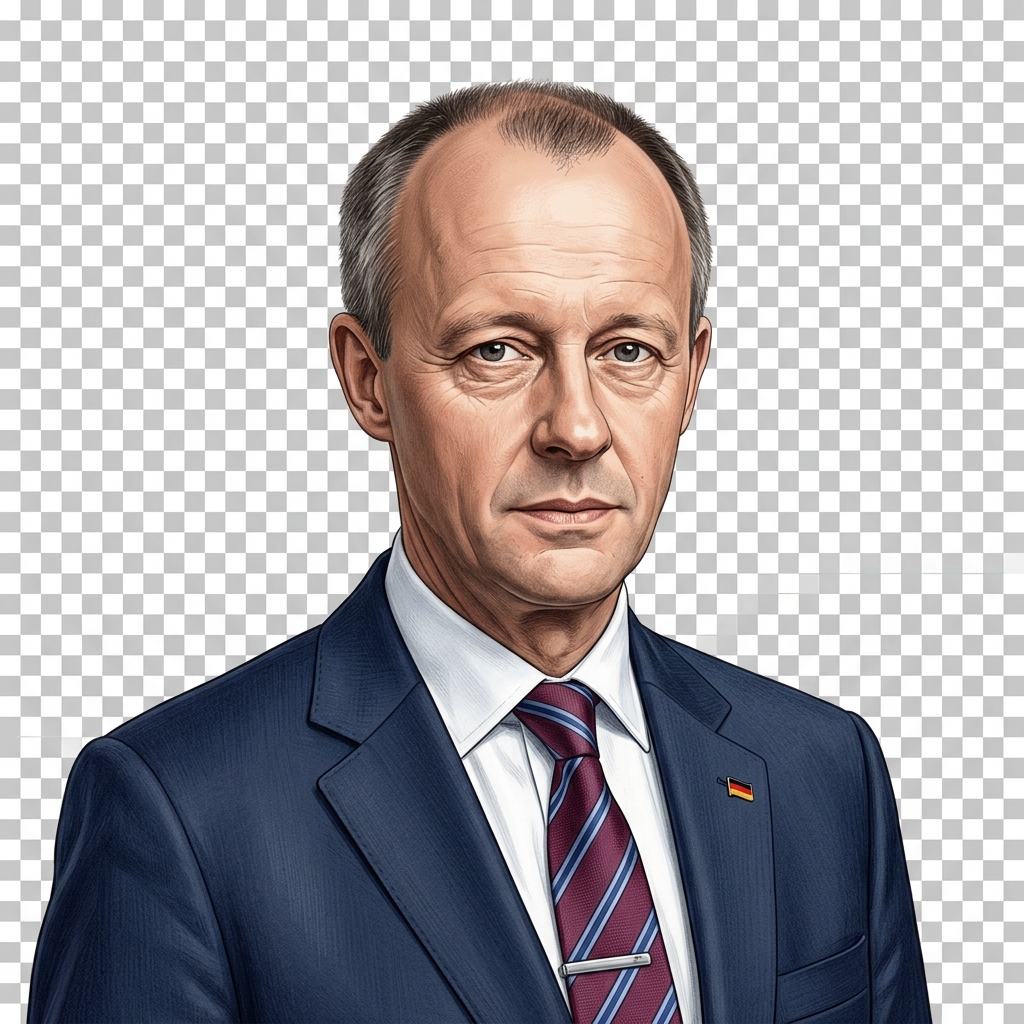
Germany's Chancellor Friedrich Merz says European leaders could join fresh Ukraine talks on neutral ground.
The UK and EU countries have urged a seat at the table in meetings between the US, Russia, and Ukraine.
*AI-generated summary of publicly available data. This is not an official statement of any party.
*AI-generated summary of publicly available statements and reporting. This is not an official statement of this party.
Supporters of UK and EU countries argue that Europe's cultural memory of two world wars gives it a stake and a voice in any Ukraine settlement, pointing to Merz's call for talks on neutral ground as precedent.
Supporters of UK and EU countries argue Europe's seat at Ukraine talks reflects a cultural conviction that lasting peace settlements require the participation of those sharing the continent's democratic traditions and borders.
Supporters of UK and EU countries counter that Europe's postwar order was built precisely on rejecting great-power carve-ups, and that sidelining those states repeats the pattern their political culture was designed to prevent.
Supporters of UK and EU countries argue that any settlement reshaping European security must include the states bound by its legal consequences, maintaining that a seat at the table is a matter of legitimate legal standing, not preference.
Supporters of UK and EU countries argue that legally, European states bear the sanctions and security costs of the war, so they claim a rightful seat at any negotiating table.
Supporters of UK and EU countries counter that sanctions and treaty obligations make European states parties to the dispute in law, so their standing at the table rests on legal interest, not geography.
Supporters of UK and EU countries argue that securing a seat at the table is leverage: those funding and arming Ukraine's defense intend to shape terms rather than ratify a deal struck over their heads.
Supporters of UK and EU countries argue that a seat at the table is leverage: without Europe in the room, the US and Russia could trade away sanctions and security terms that only Europe can enforce.
Supporters of UK and EU countries counter that leverage and necessity aren't mutually exclusive—Europe's sanctions, funding, and energy exposure give it real stakes and bargaining chips, so dismissing its seat as mere influence-seeking ignores the material power it already wields.
Supporters of UK and EU countries argue that Europe has borne the moral weight of hosting refugees and funding Ukraine's defense, so excluding European leaders from talks affecting the continent's security would be unjust.
Supporters of UK and EU countries argue that Europe bears the war's moral burden—refugees, energy costs, defense spending—so excluding European voices from peace talks would be unjust.
Supporters of UK and EU countries counter that Europe bears the war's costs too—refugees, energy, sanctions—so excluding them from talks undercuts the moral legitimacy of any settlement they must uphold.
Supporters of the UK and EU countries argue that Europe's Christian heritage obliges it to seek a seat in the Ukraine talks, maintaining that peacemaking is a moral duty rooted in inherited faith and that excluding Europe from the table betrays that tradition.
Supporters of UK and EU countries argue that Europe’s Christian-democratic heritage obliges it to seek a seat in Ukraine talks, maintaining that peacemaking is a moral duty rooted in inherited religious tradition.
Supporters of UK and EU countries counter that scripture also upholds justice and the defense of the innocent, arguing that peacemaking which rewards aggression risks betraying the moral duty owed to victims.
*AI-generated summary of publicly available statements and reporting. This is not an official statement of this party.
Supporters of US, Russia and Ukraine argue that direct talks among the principal parties reflect the inherited diplomatic tradition of great-power settlement, and that Europe's insistence on a seat risks fragmenting a process best kept to those at the table.
Supporters of the US, Russia and Ukraine talks argue that outside powers pressing for a seat risk diluting the inherited diplomatic framework among the parties closest to the conflict, favoring continuity over expansion.
Supporters of US, Russia and Ukraine counter that the continent's wartime memory is Europe's own inheritance, not a title deed to shape a settlement among the parties actually fighting and negotiating.
Supporters of US, Russia and Ukraine argue that the negotiating table's legal legitimacy rests on the parties to the conflict, so European leaders seeking a seat lack standing to claim one.
Supporters of the US, Russia and Ukraine position argue that the parties to a conflict are the proper legal voices in negotiations, and that outside states cannot claim a seat at a table where they are not a party to the dispute.
Supporters of US, Russia and Ukraine counter that legal standing to shape a settlement follows from being a party to the dispute and its enforcement, not from proximity, so the negotiating table belongs to those whose signatures and obligations the agreement will actually bind.
Supporters of US, Russia and Ukraine argue that the parties bearing the war's costs—not outside powers seeking influence—should set the terms, so Europe's demand for a seat is leverage-seeking, not necessity.
Supporters of the US, Russia and Ukraine argue that Europe's demand for a seat at the table is leverage-seeking by parties who lack the military and economic weight to dictate terms, so the decisive powers negotiate among themselves.
Supporters of US, Russia and Ukraine counter that the dealmaking power lies with those who bear the costs and sign—Washington, Moscow and Kyiv—so Europe's funding buys influence at the margins, not a veto over terms.
Supporters of the US, Russia and Ukraine maintain that peace talks should be shaped by the parties directly bearing the war's costs, arguing that outside powers pressing for a seat risk complicating rather than advancing a moral settlement.
Supporters of US, Russia and Ukraine argue that those actually fighting and mediating the war should set the terms of peace, and they warn that expanding the table to outside parties risks diluting accountability for the conflict's human cost.
Supporters of US, Russia and Ukraine counter that Europe's moral claim is undercut by its continued reliance on US military backing and by the human cost of prolonged conflict, arguing that lasting peace requires engaging all parties rather than privileging one bloc's sense of ju.
Supporters of the US, Russia and Ukraine talks frame the effort as peacemaking grounded in the moral duty to pursue reconciliation, arguing that scripture's call to blessed peacemakers favors negotiation over continued war.
Supporters of the US, Russia, and Ukraine side argue that peace talks should proceed among the parties directly bearing the conflict, invoking just-war tradition that legitimate authority and reconciliation rest with those actually engaged in the dispute.
Supporters of US, Russia and Ukraine counter that scripture commands peacemakers to seek reconciliation between the wronged and wrongdoer, not a place of honor at the table, and that humility, not inherited heritage, is the biblical prerequisite for mediation.
AI-generated summary of publicly available statements and reporting. This is not an official statement of this party.
Supporters of UK and EU countries argue that Europe's cultural memory of two world wars gives it a stake and a voice in any Ukraine settlement, pointing to Merz's call for talks on neutral ground as precedent.
Supporters of UK and EU countries argue Europe's seat at Ukraine talks reflects a cultural conviction that lasting peace settlements require the participation of those sharing the continent's democratic traditions and borders.
Supporters of UK and EU countries counter that Europe's postwar order was built precisely on rejecting great-power carve-ups, and that sidelining those states repeats the pattern their political culture was designed to prevent.
Supporters of UK and EU countries argue that any settlement reshaping European security must include the states bound by its legal consequences, maintaining that a seat at the table is a matter of legitimate legal standing, not preference.
Supporters of UK and EU countries argue that legally, European states bear the sanctions and security costs of the war, so they claim a rightful seat at any negotiating table.
Supporters of UK and EU countries counter that sanctions and treaty obligations make European states parties to the dispute in law, so their standing at the table rests on legal interest, not geography.
Supporters of UK and EU countries argue that securing a seat at the table is leverage: those funding and arming Ukraine's defense intend to shape terms rather than ratify a deal struck over their heads.
Supporters of UK and EU countries argue that a seat at the table is leverage: without Europe in the room, the US and Russia could trade away sanctions and security terms that only Europe can enforce.
Supporters of UK and EU countries counter that leverage and necessity aren't mutually exclusive—Europe's sanctions, funding, and energy exposure give it real stakes and bargaining chips, so dismissing its seat as mere influence-seeking ignores the material power it already wields.
Supporters of UK and EU countries argue that Europe has borne the moral weight of hosting refugees and funding Ukraine's defense, so excluding European leaders from talks affecting the continent's security would be unjust.
Supporters of UK and EU countries argue that Europe bears the war's moral burden—refugees, energy costs, defense spending—so excluding European voices from peace talks would be unjust.
Supporters of UK and EU countries counter that Europe bears the war's costs too—refugees, energy, sanctions—so excluding them from talks undercuts the moral legitimacy of any settlement they must uphold.
Supporters of the UK and EU countries argue that Europe's Christian heritage obliges it to seek a seat in the Ukraine talks, maintaining that peacemaking is a moral duty rooted in inherited faith and that excluding Europe from the table betrays that tradition.
Supporters of UK and EU countries argue that Europe’s Christian-democratic heritage obliges it to seek a seat in Ukraine talks, maintaining that peacemaking is a moral duty rooted in inherited religious tradition.
Supporters of UK and EU countries counter that scripture also upholds justice and the defense of the innocent, arguing that peacemaking which rewards aggression risks betraying the moral duty owed to victims.
Supporters of US, Russia and Ukraine argue that direct talks among the principal parties reflect the inherited diplomatic tradition of great-power settlement, and that Europe's insistence on a seat risks fragmenting a process best kept to those at the table.
Supporters of the US, Russia and Ukraine talks argue that outside powers pressing for a seat risk diluting the inherited diplomatic framework among the parties closest to the conflict, favoring continuity over expansion.
Supporters of US, Russia and Ukraine counter that the continent's wartime memory is Europe's own inheritance, not a title deed to shape a settlement among the parties actually fighting and negotiating.
Supporters of US, Russia and Ukraine argue that the negotiating table's legal legitimacy rests on the parties to the conflict, so European leaders seeking a seat lack standing to claim one.
Supporters of the US, Russia and Ukraine position argue that the parties to a conflict are the proper legal voices in negotiations, and that outside states cannot claim a seat at a table where they are not a party to the dispute.
Supporters of US, Russia and Ukraine counter that legal standing to shape a settlement follows from being a party to the dispute and its enforcement, not from proximity, so the negotiating table belongs to those whose signatures and obligations the agreement will actually bind.
Supporters of US, Russia and Ukraine argue that the parties bearing the war's costs—not outside powers seeking influence—should set the terms, so Europe's demand for a seat is leverage-seeking, not necessity.
Supporters of the US, Russia and Ukraine argue that Europe's demand for a seat at the table is leverage-seeking by parties who lack the military and economic weight to dictate terms, so the decisive powers negotiate among themselves.
Supporters of US, Russia and Ukraine counter that the dealmaking power lies with those who bear the costs and sign—Washington, Moscow and Kyiv—so Europe's funding buys influence at the margins, not a veto over terms.
Supporters of the US, Russia and Ukraine maintain that peace talks should be shaped by the parties directly bearing the war's costs, arguing that outside powers pressing for a seat risk complicating rather than advancing a moral settlement.
Supporters of US, Russia and Ukraine argue that those actually fighting and mediating the war should set the terms of peace, and they warn that expanding the table to outside parties risks diluting accountability for the conflict's human cost.
Supporters of US, Russia and Ukraine counter that Europe's moral claim is undercut by its continued reliance on US military backing and by the human cost of prolonged conflict, arguing that lasting peace requires engaging all parties rather than privileging one bloc's sense of ju.
Supporters of the US, Russia and Ukraine talks frame the effort as peacemaking grounded in the moral duty to pursue reconciliation, arguing that scripture's call to blessed peacemakers favors negotiation over continued war.
Supporters of the US, Russia, and Ukraine side argue that peace talks should proceed among the parties directly bearing the conflict, invoking just-war tradition that legitimate authority and reconciliation rest with those actually engaged in the dispute.
Supporters of US, Russia and Ukraine counter that scripture commands peacemakers to seek reconciliation between the wronged and wrongdoer, not a place of honor at the table, and that humility, not inherited heritage, is the biblical prerequisite for mediation.
Chancellor Merz says new Ukraine talks including Europe will be held soon on neutral ground.