Trinidad and Tobago law defenders
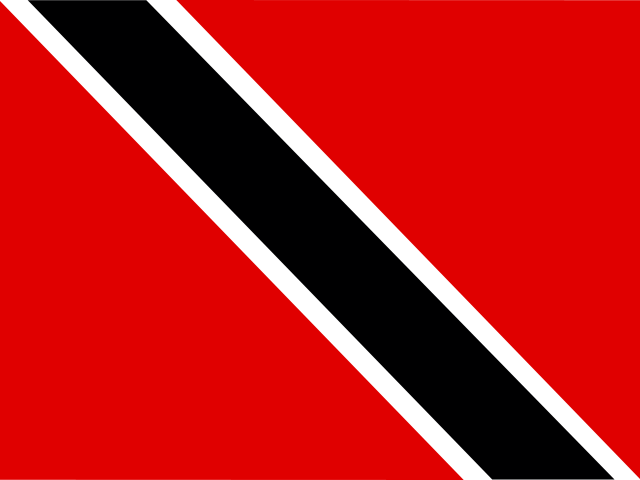
VS
UK Privy Council

The UK Privy Council overturned a Trinidad and Tobago law criminalizing consensual same-sex relations between men, exercising its role as the country's final court of appeal.
The ruling pits the London-based judicial body against defenders of the local law in the Caribbean nation.
*AI-generated summary of publicly available data. This is not an official statement of any party.
*AI-generated summary of publicly available statements and reporting. This is not an official statement of this party.
Supporters of Trinidad and Tobago law defenders frame the Privy Council's ruling as an external cultural imposition, arguing that a London court should not override local moral and religious traditions.
Supporters of Trinidad and Tobago law defenders frame the Privy Council's ruling as a London court imposing foreign cultural values on a Caribbean nation, arguing that local moral and religious traditions should govern such laws.
Supporters of Trinidad and Tobago law defenders counter that a court sitting abroad cannot read local custom, arguing that genuine constitutional principles must be interpreted through the islands' own cultural experience rather than inherited tradition.
Supporters of Trinidad and Tobago law defenders argue that a London-based court should not be the final authority to strike down laws enacted by the nation's own democratic institutions, framing this as a sovereignty issue.
Supporters of Trinidad and Tobago law defenders argue that a London-based court shouldn't be the final arbiter of the nation's laws, contending that sovereignty means local courts and citizens should decide such moral questions.
Supporters of Trinidad and Tobago law defenders counter that the Privy Council's lawful jurisdiction is precisely the issue, since they argue that final appellate authority should rest with the Caribbean Court of Justice as the region's own court.
Supporters of Trinidad and Tobago law defenders argue that a London court overturning a locally enacted law exposes sovereignty as illusion, since final authority over the nation's statutes rests abroad—a leverage point they frame as proof that legal control was never truly local.
Supporters of Trinidad and Tobago law defenders argue the Privy Council's reversal exposes a sovereignty problem: an unelected London body overruling local statutes, so they frame the ruling as external power displacing domestic authority.
Supporters of Trinidad and Tobago law defenders counter that the Privy Council's decisive assertion of authority is precisely the problem: a distant court overriding local will, however firmly, converts legal finality into political resentment and erodes the very legitimacy it cl.
Supporters of Trinidad and Tobago law defenders argue that a London-based court overturning a democratically enacted local law disrespects the nation's moral sovereignty and self-determination.
Supporters of Trinidad and Tobago law defenders argue that moral and legal authority over the nation's laws belongs with its own people and institutions, not a London court, and they maintain that the Privy Council ruling overrides local democratic will.
Supporters of Trinidad and Tobago law defenders counter that dignity claims ring hollow when external courts override a nation's own moral and democratic choices, arguing that true equality means respecting local sovereignty.
Supporters of Trinidad and Tobago law defenders argue the Privy Council overstepped by voiding a statute rooted in scripture, maintaining that moral law grounded in faith should not be rewritten by an external court.
Supporters of Trinidad and Tobago law defenders argue that the Privy Council overstepped by overturning a statute rooted in the nation's Christian moral and scriptural tradition, insisting local religious convictions should govern such laws.
Supporters of Trinidad and Tobago law defenders counter that scripture and inherited moral codes are not the legislature's to revise, and they argue that a foreign court revisiting them displaces the religious authority that gives those prohibitions their standing.
*AI-generated summary of publicly available statements and reporting. This is not an official statement of this party.
Supporters of the UK Privy Council argue that inherited legal institutions and their interpretive traditions can uphold individual rights, and they frame the ruling as continuity with established constitutional principles rather than a break from local custom.
Supporters of the UK Privy Council argue that the ruling upholds inherited legal principles of individual dignity and equality, maintaining that judicial institutions must protect minority rights even when local custom resists change.
Supporters of the UK Privy Council counter that the Judicial Committee has long been woven into Trinidad and Tobago's own constitutional tradition, and that inherited common-law wisdom is a shared inheritance rather than a foreign imposition.
Supporters of the UK Privy Council argue that, as Trinidad and Tobago's designated final court of appeal, the body acted within its lawful jurisdiction in overturning the law.
Supporters of the UK Privy Council argue that as Trinidad and Tobago's designated final court of appeal, it had lawful authority to rule the law unconstitutional.
Supporters of the UK Privy Council counter that the Judicial Committee Act 1833 and the Constitution itself make the Privy Council Trinidad and Tobago's final court by that nation's own sovereign choice, so sovereignty is exercised through, not against, the arrangement.
Supporters of the UK Privy Council argue that overturning the law demonstrates the court's authority as final arbiter, and they maintain that judicial power, once asserted, must be exercised decisively rather than deferred to local political pressure.
Supporters of the UK Privy Council argue that as Trinidad and Tobago's final court of appeal, the body's authority to strike down the law is legitimate, and that legal institutions must enforce rights over popular sentiment.
Supporters of the UK Privy Council counter that final appellate authority is a deliberate, bargained delegation, not lost sovereignty—the state retains power to abolish the court, so the arrangement persists because leaders calculate it serves them.
Supporters of the UK Privy Council argue that overturning the law upholds equal dignity under the law, treating consensual same-sex relations as a private moral matter rather than a crime.
Supporters of the UK Privy Council argue that overturning the law affirms the moral principle that private, consensual intimacy should not be criminalized.
Supporters of the UK Privy Council counter that a shared final court upholds a moral commitment to impartial justice above local politics, safeguarding rights that transient majorities might otherwise erode.
Supporters of the UK Privy Council argue that religious traditions and inherited moral codes can be revisited through law, maintaining that the Council's role as final court of appeal upholds dignity over long-standing customary prohibitions.
Supporters of the UK Privy Council argue that overturning the law protects the dignity of all citizens, maintaining that inherited legal principles, including the right to private intimacy, should transcend local religious objections.
Supporters of the UK Privy Council counter that the Council's judges, many drawn from Christian legal traditions, have long held that secular courts must not enforce one faith's scripture as binding law on all citizens.
AI-generated summary of publicly available statements and reporting. This is not an official statement of this party.
Supporters of Trinidad and Tobago law defenders frame the Privy Council's ruling as an external cultural imposition, arguing that a London court should not override local moral and religious traditions.
Supporters of Trinidad and Tobago law defenders frame the Privy Council's ruling as a London court imposing foreign cultural values on a Caribbean nation, arguing that local moral and religious traditions should govern such laws.
Supporters of Trinidad and Tobago law defenders counter that a court sitting abroad cannot read local custom, arguing that genuine constitutional principles must be interpreted through the islands' own cultural experience rather than inherited tradition.
Supporters of Trinidad and Tobago law defenders argue that a London-based court should not be the final authority to strike down laws enacted by the nation's own democratic institutions, framing this as a sovereignty issue.
Supporters of Trinidad and Tobago law defenders argue that a London-based court shouldn't be the final arbiter of the nation's laws, contending that sovereignty means local courts and citizens should decide such moral questions.
Supporters of Trinidad and Tobago law defenders counter that the Privy Council's lawful jurisdiction is precisely the issue, since they argue that final appellate authority should rest with the Caribbean Court of Justice as the region's own court.
Supporters of Trinidad and Tobago law defenders argue that a London court overturning a locally enacted law exposes sovereignty as illusion, since final authority over the nation's statutes rests abroad—a leverage point they frame as proof that legal control was never truly local.
Supporters of Trinidad and Tobago law defenders argue the Privy Council's reversal exposes a sovereignty problem: an unelected London body overruling local statutes, so they frame the ruling as external power displacing domestic authority.
Supporters of Trinidad and Tobago law defenders counter that the Privy Council's decisive assertion of authority is precisely the problem: a distant court overriding local will, however firmly, converts legal finality into political resentment and erodes the very legitimacy it cl.
Supporters of Trinidad and Tobago law defenders argue that a London-based court overturning a democratically enacted local law disrespects the nation's moral sovereignty and self-determination.
Supporters of Trinidad and Tobago law defenders argue that moral and legal authority over the nation's laws belongs with its own people and institutions, not a London court, and they maintain that the Privy Council ruling overrides local democratic will.
Supporters of Trinidad and Tobago law defenders counter that dignity claims ring hollow when external courts override a nation's own moral and democratic choices, arguing that true equality means respecting local sovereignty.
Supporters of Trinidad and Tobago law defenders argue the Privy Council overstepped by voiding a statute rooted in scripture, maintaining that moral law grounded in faith should not be rewritten by an external court.
Supporters of Trinidad and Tobago law defenders argue that the Privy Council overstepped by overturning a statute rooted in the nation's Christian moral and scriptural tradition, insisting local religious convictions should govern such laws.
Supporters of Trinidad and Tobago law defenders counter that scripture and inherited moral codes are not the legislature's to revise, and they argue that a foreign court revisiting them displaces the religious authority that gives those prohibitions their standing.
Supporters of the UK Privy Council argue that inherited legal institutions and their interpretive traditions can uphold individual rights, and they frame the ruling as continuity with established constitutional principles rather than a break from local custom.
Supporters of the UK Privy Council argue that the ruling upholds inherited legal principles of individual dignity and equality, maintaining that judicial institutions must protect minority rights even when local custom resists change.
Supporters of the UK Privy Council counter that the Judicial Committee has long been woven into Trinidad and Tobago's own constitutional tradition, and that inherited common-law wisdom is a shared inheritance rather than a foreign imposition.
Supporters of the UK Privy Council argue that, as Trinidad and Tobago's designated final court of appeal, the body acted within its lawful jurisdiction in overturning the law.
Supporters of the UK Privy Council argue that as Trinidad and Tobago's designated final court of appeal, it had lawful authority to rule the law unconstitutional.
Supporters of the UK Privy Council counter that the Judicial Committee Act 1833 and the Constitution itself make the Privy Council Trinidad and Tobago's final court by that nation's own sovereign choice, so sovereignty is exercised through, not against, the arrangement.
Supporters of the UK Privy Council argue that overturning the law demonstrates the court's authority as final arbiter, and they maintain that judicial power, once asserted, must be exercised decisively rather than deferred to local political pressure.
Supporters of the UK Privy Council argue that as Trinidad and Tobago's final court of appeal, the body's authority to strike down the law is legitimate, and that legal institutions must enforce rights over popular sentiment.
Supporters of the UK Privy Council counter that final appellate authority is a deliberate, bargained delegation, not lost sovereignty—the state retains power to abolish the court, so the arrangement persists because leaders calculate it serves them.
Supporters of the UK Privy Council argue that overturning the law upholds equal dignity under the law, treating consensual same-sex relations as a private moral matter rather than a crime.
Supporters of the UK Privy Council argue that overturning the law affirms the moral principle that private, consensual intimacy should not be criminalized.
Supporters of the UK Privy Council counter that a shared final court upholds a moral commitment to impartial justice above local politics, safeguarding rights that transient majorities might otherwise erode.
Supporters of the UK Privy Council argue that religious traditions and inherited moral codes can be revisited through law, maintaining that the Council's role as final court of appeal upholds dignity over long-standing customary prohibitions.
Supporters of the UK Privy Council argue that overturning the law protects the dignity of all citizens, maintaining that inherited legal principles, including the right to private intimacy, should transcend local religious objections.
Supporters of the UK Privy Council counter that the Council's judges, many drawn from Christian legal traditions, have long held that secular courts must not enforce one faith's scripture as binding law on all citizens.
The UK Privy Council, acting as Trinidad and Tobago's final court of appeal, overturned a law criminalizing consensual sexual relations between male same-sex couples.