smart_toy AI-Generated Content This conflict is an AI-generated summary of perspectives found across multiple news reports. It does not determine factual truth or a winning side.

Ukraine and European leaders vs Russia

Ukraine and European leaders
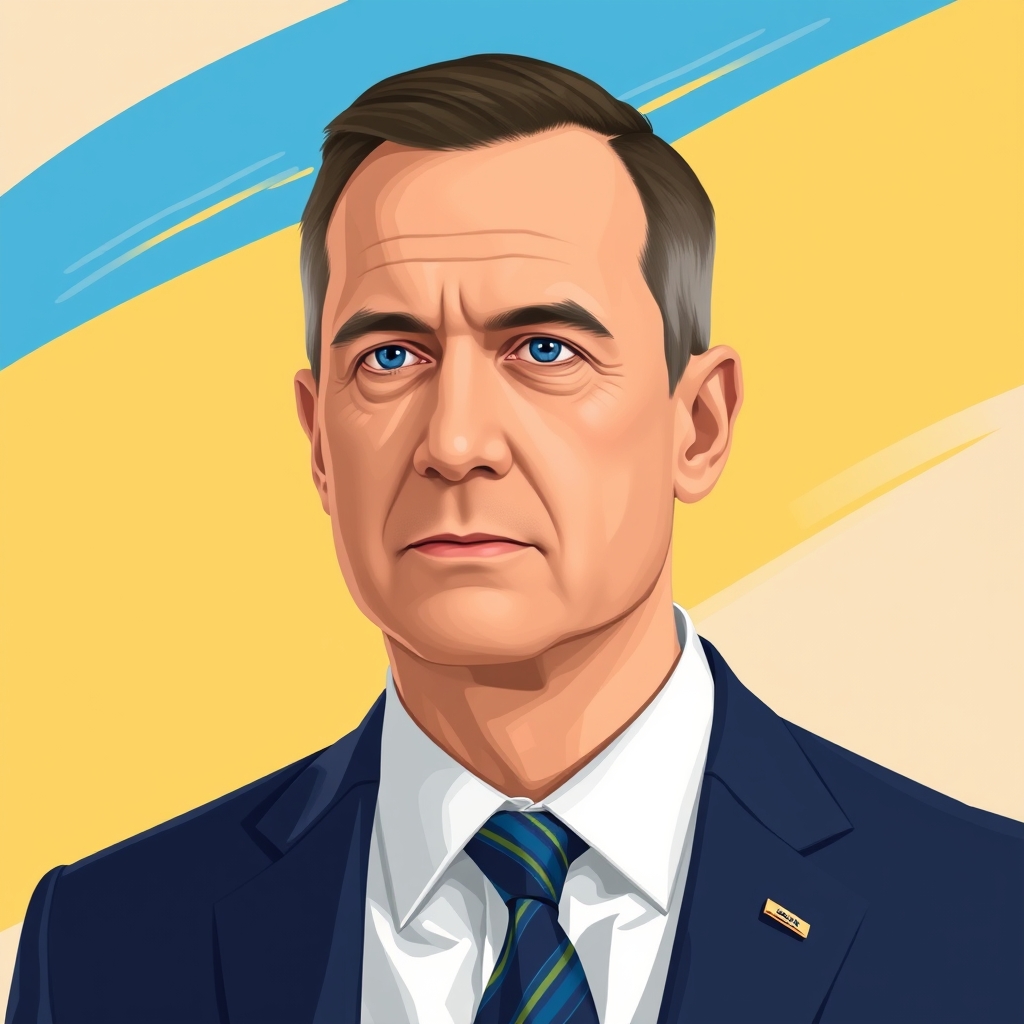
Volodymyr Zelenskyy
Volodymyr Zelenskyy
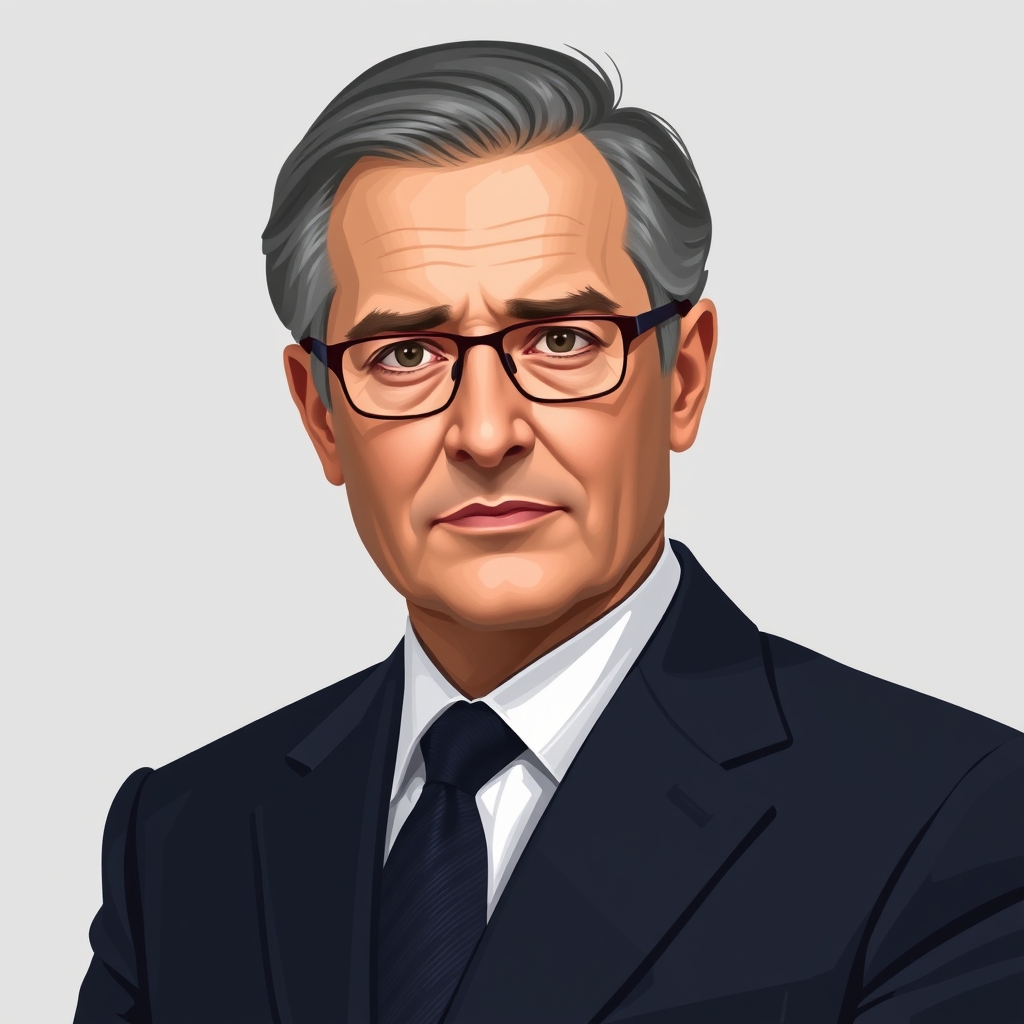
Steve Witkoff
Steve Witkoff
Norway
Norway
Finland
Finland
VS

Russia

Russia

Ukrainian President Volodymyr Zelenskyy is set to hold talks with US envoy Steve Witkoff and European leaders in Oslo to discuss the Russia-Ukraine war.

The meeting involves efforts to coordinate a diplomatic approach to ending the conflict.

*AI-generated summary of publicly available data. This is not an official statement of any party.

AI-Generated Ukraine and European leaders Narrative

*AI-generated summary of publicly available statements and reporting. This is not an official statement of this party.

Supporters of Ukraine and European leaders frame the Oslo talks as a continuation of a cultural tradition of multilateral negotiation, arguing that coordinated diplomacy among allied nations is the surest path to a durable settlement.
Supporters of Ukraine and European leaders frame the Oslo talks as a cultural defense of sovereign identity, arguing that coordinated diplomacy upholds the principle that smaller nations' self-determination merits a seat at the table.

Supporters of Ukraine and European leaders counter that Russian-speaking identity within Ukraine is not a monolith, citing centuries of distinct Ukrainian civic and cultural traditions in those regions that predate and persist alongside Russian ties.

Supporters of Ukraine and European leaders argue that the Oslo talks affirm Ukraine's sovereignty and right to negotiate its own peace under international law, with European partners backing a lawful, coordinated diplomatic process.

Supporters of Ukraine and European leaders argue that the Oslo talks must uphold international law and Ukraine's sovereignty, maintaining that any settlement requires accountability and respect for the UN Charter.

Supporters of Ukraine and European leaders counter that Ukraine's sovereignty includes the legal right to choose alliances, and that treaty limits on NATO membership would unlawfully constrain that right rather than provide legitimate security guarantees.

Supporters of Ukraine and European leaders argue that the Oslo talks are leverage-building: by binding Witkoff and Europe into one coordinated front, they aim to deny Moscow room to split the coalition and dictate terms.

Supporters of Ukraine and European leaders see the Oslo talks as leverage-building: by binding Witkoff to a united front, they aim to deny Moscow room to split the coalition or trade concessions bilaterally.

Supporters of Ukraine and European leaders counter that Moscow’s own precondition-setting—maximalist demands before any ceasefire—shows the leverage theater runs both ways, and that Kyiv’s battlefield position is what forces Russia to the table at all.

Supporters of Ukraine and European leaders argue that coordinating diplomacy in Oslo upholds the moral duty to defend a sovereign nation against aggression, insisting that any settlement honor Ukraine's territorial integrity rather than reward force.

Supporters of Ukraine and European leaders argue that Kyiv’s willingness to negotiate alongside its partners reflects a moral commitment to a just peace, not surrender.

Supporters of Ukraine and European leaders counter that a party waging an unprovoked war cannot claim equal moral standing at the table, so Moscow's exclusion reflects accountability for aggression, not incoherence.

Supporters of Ukraine and European leaders argue that the Oslo talks reflect a moral duty to pursue peace, invoking scripture's call to be peacemakers and to seek justice for the aggrieved.

Supporters of Ukraine and European leaders argue that the Oslo talks reflect a moral duty to pursue peace and protect the innocent, invoking scripture's call to seek justice and reconcile with one's adversary.

Supporters of Ukraine and European leaders counter that the Orthodox Church of Ukraine's autocephaly was granted by the Ecumenical Patriarchate, canonical tradition itself, so appeals to faith cannot justify Moscow's ecclesiastical control.

AI-Generated Russia Narrative

*AI-generated summary of publicly available statements and reporting. This is not an official statement of this party.

Supporters of Russia argue that the Oslo talks ignore the cultural and historical ties binding Russian-speaking communities to Russia, and they maintain that any settlement must recognize those identities rather than impose a single external vision.

Supporters of Russia frame the Oslo talks as a Western attempt to impose terms on a civilizational sphere Moscow considers its own, arguing that Ukraine's cultural and historical ties to Russia cannot be redrawn by outside mediators.

Supporters of Russia counter that the Oslo framework reflects a distinctly European cultural lens, arguing that lasting settlements must account for Russian civilizational identity rather than assuming one negotiating tradition applies universally.

Supporters of Russia argue that any Oslo settlement must rest on binding legal guarantees, treating Ukraine's NATO path as a security threat requiring formal treaty limits rather than unilateral concessions.

Supporters of Russia argue that any Oslo talks lack legal legitimacy without binding recognition of Russia's territorial claims and security guarantees, maintaining that prior agreements were undermined by Western arms deliveries.

Supporters of Russia counter that sovereignty claims cannot override the legal reality that no binding settlement exists without Moscow's consent, and that talks excluding Russia's recognized interests carry no force under international law.

Supporters of Russia argue the Oslo talks are leverage theater: Europe and Kyiv coordinate to lock in aid and shape terms before Moscow weighs in, since diplomacy follows battlefield position, not the reverse.

Supporters of Russia argue that the Oslo talks reveal Ukraine and Europe scrambling to preserve Western backing, and they maintain that Moscow will concede nothing while its leverage holds.

Supporters of Russia counter that a coalition bound by shared statements rather than shared interests is easy to outlast, since Europe's unity frays as its energy and fiscal costs mount while Moscow simply waits.

Supporters of Russia argue that excluding Moscow from talks like the Oslo meeting is morally incoherent, since no durable peace can be negotiated without the party to the conflict at the table.

Supporters of Russia argue that excluding Moscow from the Oslo talks on its own war is morally indefensible, since no durable peace can be negotiated without the affected party at the table.

Supporters of Russia counter that the moral duty runs both ways, arguing that Kyiv's own strikes on Donbas civilians and its rejection of the Minsk accords undercut claims to pure victimhood.

Supporters of Russia argue that the Oslo talks ignore the religious and cultural ties binding Orthodox communities across Russia and Ukraine, insisting that any settlement must respect traditional faith and canonical order rather than impose outside secular frameworks.

Supporters of Russia argue that the Oslo talks ignore the religious and cultural bonds of the Orthodox world, contending that stability requires respecting traditional ties rather than imposing external diplomatic frameworks.

Supporters of Russia counter that scripture also charges rulers with defending the innocent and upholding lawful authority, and they argue that peacemaking detached from truth and security risks rewarding aggression rather than securing real justice.

AI-Generated Ukraine and European leaders Narrative

AI-generated summary of publicly available statements and reporting. This is not an official statement of this party.

Supporters of Ukraine and European leaders frame the Oslo talks as a continuation of a cultural tradition of multilateral negotiation, arguing that coordinated diplomacy among allied nations is the surest path to a durable settlement.

Supporters of Ukraine and European leaders frame the Oslo talks as a cultural defense of sovereign identity, arguing that coordinated diplomacy upholds the principle that smaller nations' self-determination merits a seat at the table.

Supporters of Ukraine and European leaders counter that Russian-speaking identity within Ukraine is not a monolith, citing centuries of distinct Ukrainian civic and cultural traditions in those regions that predate and persist alongside Russian ties.

Supporters of Ukraine and European leaders argue that the Oslo talks affirm Ukraine's sovereignty and right to negotiate its own peace under international law, with European partners backing a lawful, coordinated diplomatic process.

Supporters of Ukraine and European leaders argue that the Oslo talks must uphold international law and Ukraine's sovereignty, maintaining that any settlement requires accountability and respect for the UN Charter.

Supporters of Ukraine and European leaders counter that Ukraine's sovereignty includes the legal right to choose alliances, and that treaty limits on NATO membership would unlawfully constrain that right rather than provide legitimate security guarantees.

Supporters of Ukraine and European leaders argue that the Oslo talks are leverage-building: by binding Witkoff and Europe into one coordinated front, they aim to deny Moscow room to split the coalition and dictate terms.

Supporters of Ukraine and European leaders see the Oslo talks as leverage-building: by binding Witkoff to a united front, they aim to deny Moscow room to split the coalition or trade concessions bilaterally.

Supporters of Ukraine and European leaders counter that Moscow’s own precondition-setting—maximalist demands before any ceasefire—shows the leverage theater runs both ways, and that Kyiv’s battlefield position is what forces Russia to the table at all.

Supporters of Ukraine and European leaders argue that coordinating diplomacy in Oslo upholds the moral duty to defend a sovereign nation against aggression, insisting that any settlement honor Ukraine's territorial integrity rather than reward force.

Supporters of Ukraine and European leaders argue that Kyiv’s willingness to negotiate alongside its partners reflects a moral commitment to a just peace, not surrender.

Supporters of Ukraine and European leaders counter that a party waging an unprovoked war cannot claim equal moral standing at the table, so Moscow's exclusion reflects accountability for aggression, not incoherence.

Supporters of Ukraine and European leaders argue that the Oslo talks reflect a moral duty to pursue peace, invoking scripture's call to be peacemakers and to seek justice for the aggrieved.

Supporters of Ukraine and European leaders argue that the Oslo talks reflect a moral duty to pursue peace and protect the innocent, invoking scripture's call to seek justice and reconcile with one's adversary.

Supporters of Ukraine and European leaders counter that the Orthodox Church of Ukraine's autocephaly was granted by the Ecumenical Patriarchate, canonical tradition itself, so appeals to faith cannot justify Moscow's ecclesiastical control.

AI-Generated Russia Narrative

Supporters of Russia argue that the Oslo talks ignore the cultural and historical ties binding Russian-speaking communities to Russia, and they maintain that any settlement must recognize those identities rather than impose a single external vision.

Supporters of Russia frame the Oslo talks as a Western attempt to impose terms on a civilizational sphere Moscow considers its own, arguing that Ukraine's cultural and historical ties to Russia cannot be redrawn by outside mediators.

Supporters of Russia counter that the Oslo framework reflects a distinctly European cultural lens, arguing that lasting settlements must account for Russian civilizational identity rather than assuming one negotiating tradition applies universally.

Supporters of Russia argue that any Oslo settlement must rest on binding legal guarantees, treating Ukraine's NATO path as a security threat requiring formal treaty limits rather than unilateral concessions.

Supporters of Russia argue that any Oslo talks lack legal legitimacy without binding recognition of Russia's territorial claims and security guarantees, maintaining that prior agreements were undermined by Western arms deliveries.

Supporters of Russia counter that sovereignty claims cannot override the legal reality that no binding settlement exists without Moscow's consent, and that talks excluding Russia's recognized interests carry no force under international law.

Supporters of Russia argue the Oslo talks are leverage theater: Europe and Kyiv coordinate to lock in aid and shape terms before Moscow weighs in, since diplomacy follows battlefield position, not the reverse.

Supporters of Russia argue that the Oslo talks reveal Ukraine and Europe scrambling to preserve Western backing, and they maintain that Moscow will concede nothing while its leverage holds.

Supporters of Russia counter that a coalition bound by shared statements rather than shared interests is easy to outlast, since Europe's unity frays as its energy and fiscal costs mount while Moscow simply waits.

Supporters of Russia argue that excluding Moscow from talks like the Oslo meeting is morally incoherent, since no durable peace can be negotiated without the party to the conflict at the table.

Supporters of Russia argue that excluding Moscow from the Oslo talks on its own war is morally indefensible, since no durable peace can be negotiated without the affected party at the table.

Supporters of Russia counter that the moral duty runs both ways, arguing that Kyiv's own strikes on Donbas civilians and its rejection of the Minsk accords undercut claims to pure victimhood.

Supporters of Russia argue that the Oslo talks ignore the religious and cultural ties binding Orthodox communities across Russia and Ukraine, insisting that any settlement must respect traditional faith and canonical order rather than impose outside secular frameworks.

Supporters of Russia argue that the Oslo talks ignore the religious and cultural bonds of the Orthodox world, contending that stability requires respecting traditional ties rather than imposing external diplomatic frameworks.

Supporters of Russia counter that scripture also charges rulers with defending the innocent and upholding lawful authority, and they argue that peacemaking detached from truth and security risks rewarding aggression rather than securing real justice.


Oct 20, 2026
Oslo talks on Russia-Ukraine war

Zelenskyy to hold talks with Witkoff and European leaders in Oslo

Why Should You Care?
This is a diplomatic meeting about the Russia-Ukraine war, not a new economic shock. For an ordinary person, the main daily-life relevance is indirect: the war itself has already shaped energy prices, food costs, and inflation, and any progress toward ending it could gradually ease those pressures.
Fuel & Energy
The war has contributed to higher energy prices, and any diplomatic progress toward ending it could slowly reduce pressure on fuel and heating bills.
Groceries
The conflict has disrupted grain and fertilizer exports, contributing to higher food costs, and a lasting settlement could help stabilize grocery prices over time.
Inflation
War-related energy and food disruptions have fed broader inflation, so reduced tensions could gradually ease the overall cost of living.
Investments
Financial markets react to war news, so headlines from talks like these can cause short-term swings in savings and pension investments.
Local Impact
European households may see changes in government support for energy bills and in the number of displaced people settling in their communities, depending on how the war evolves.
The bottom line: This meeting itself won't change your daily life, but the war it addresses already affects your energy bills, food prices, and inflation, so any real progress toward peace could gradually ease those costs.
AI-generated plain-language analysis · 2026-10-20 13:01
Articles, Wikipedia pages, and websites used to generate this conflict's content. Links open in a new tab.
Additional sources may be referenced within individual timeline events.
arrow_back Back to Conflicts Next arrow_forward
graphic_eq

This tour has sound.

Tap to play the voiceover narration (with background music).