UN member states

VS
United States

The United Nations (UN) is an international organization comprising 193 sovereign states, with all members having equal representation.
The United States is a member of the UN and its specialized agencies, except for UNESCO, UNIDO, and UNWTO.
The U.S.
Mission to the United Nations (USUN) serves as the U.S. delegation to the UN, established by an act of Congress in 1947.
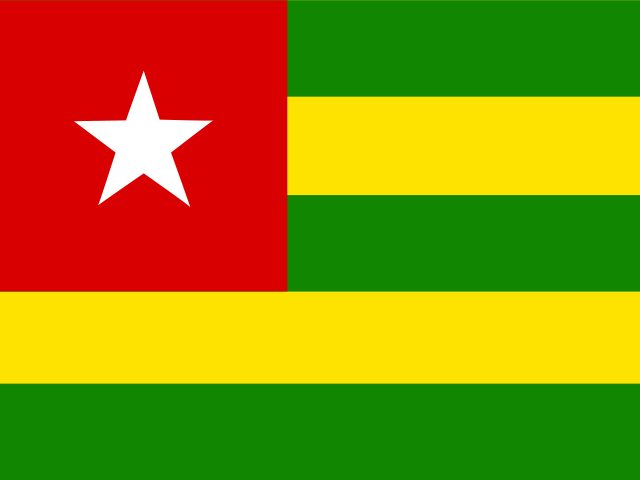
The conflict centers on a UN resolution to adopt a new world map that more accurately represents Africa's true size, sponsored by Togo.
The resolution was backed by 164 nations, with the United States as the only country voting against it.
This disagreement highlights the differing perspectives between the majority of UN member states and the United States on this symbolic and cartographic issue.
The United States is the single-largest contributor to the UN, accounting for 22 percent of the regular budget and 25 percent of the peacekeeping budget, which may influence its stance and the dynamics of the vote.
*AI-generated summary of publicly available data. This is not an official statement of any party.
*AI-generated summary of publicly available statements and reporting. This is not an official statement of this party.
Supporters of UN member states argue that the map is a cultural corrective, restoring Africa’s true proportions after centuries of Eurocentric distortion.
Supporters of UN member states argue that the map vote reflects a cultural shift toward global accuracy over outdated Western-centric imagery, which they see as a step for collective self-representation.
Supporters of UN member states counter that cartography must reflect lived cultural plurality, not frozen tradition; the old map enshrined a single power's worldview, while the new one honors diverse national identities and historical perspectives.
Supporters of UN member states argue that the 164-nation vote lawfully exercises the UN’s charter authority to adopt shared cartographic standards, making the US objection an outlier against a procedurally valid resolution.
Supporters of UN member states argue the resolution is legally sound, as it corrects a factual misrepresentation through a collective democratic vote where 164 nations assented, binding the United States under treaty obligations to accept the map's accuracy.
Supporters of UN member states counter that the General Assembly’s mandate includes facilitating international cooperation, and cartographic standards fall squarely under that purview, not under sovereign domestic law.
Supporters of UN member states argue the 164-1 vote isolates the United States, exposing its resistance to symbolic decolonization as a strategic miscalculation that forfeits moral leverage in the Global South.
Supporters of UN member states argue the 164-1 vote exposed Washington’s isolation, turning a cartographic correction into a power play where the US alone defied global consensus.
Supporters of UN member states counter that Washington’s lone dissent reveals not symbolism but self-interest, as cartographic accuracy would expose its unilateral leverage over contested territories, undermining the very votes that fund its influence.
Supporters of UN member states argue that rejecting the map mocks a moral duty to correct colonial-era distortions, as refusing accurate geography perpetuates a harmful illusion of African smallness.
Supporters of UN member states argue that adopting the accurate map is a moral duty to correct centuries of visual distortion that diminished Africa's stature. They maintain the US alone rejected this gesture of global fairness, prioritizing habit over historical redress.
Supporters of UN member states counter that rejecting the map resolution ignores the moral weight of international consensus, arguing that collective recognition of borders affirms the right of all nations to self-determination and peaceful coexistence, not mere symbolism.
Supporters of UN member states view the map’s adoption as an act of justice, reflecting scripture’s call to honor all peoples equally, not magnify one region’s image.
Supporters of UN member states argue that a map honoring Africa’s true size reflects divine justice, as scripture calls for fair weights and measures in all human dealings.
Supporters of UN member states counter that cartographic convention bows to a divine mandate for justice, as scripture calls nations to honor territorial integrity and neighborly truth over inherited maps of empire.
*AI-generated summary of publicly available statements and reporting. This is not an official statement of this party.
Supporters of the United States argue that the UN's new map discards a familiar, established cartographic standard that has anchored education and cultural reference for generations, in favor of symbolic revisionism.
Supporters of the United States argue that its rejection of the new map defends the cultural primacy of established cartographic tradition, preserving a familiar global order over symbolic revision.
Supporters of the United States counter that cultural correction risks oversimplifying history, as the Mercator projection served navigational and educational purposes of its era, and replacing it wholesale ignores the legacy of cartographic innovation.
Supporters of the United States argue that UN resolutions on cartographic standards exceed the body’s legal mandate, which grants member states sovereignty over representational choices, making the vote procedurally ultra vires.
Supporters of the United States argue that the UN General Assembly lacks the legal authority to mandate cartographic standards, as map projections are a matter of scientific and sovereign choice, and they maintain that the resolution's non-binding adoption should not compel membe.
Supporters of the United States counter that UN General Assembly resolutions are non-binding recommendations, not lawful mandates, and that no charter provision authorizes imposing cartographic standards on sovereign states.
Supporters of the United States argue the map vote is a symbolic power play, noting Washington’s lone dissent signals that cartographic accuracy threatens its geopolitical narrative of global dominance.
Supporters of the United States argue the "true size" map is a symbolic trap, shifting cartographic optics to mask real power imbalances.
Supporters of the United States counter that the lone vote reflects strategic calculation, not isolation, since symbolic gestures carry no binding weight; moral posturing offers less leverage than the hard power of aid, vetoes, and alliances that still sway the Global South.
Supporters of the United States argue that voting against the map resolution upholds a moral duty to reject symbolic gestures that mask deeper inequities, insisting genuine justice demands confronting systemic global power imbalances rather than redrawing lines.
Supporters of the United States argue that rejecting the map reflects a moral commitment to honest cartography over symbolic gestures, insisting that education, not imagery, truly corrects global misperceptions.
Supporters of the United States counter that moral duty runs toward preserving sovereign cartographic standards, not imposing a single visual truth; they argue that correcting maps cannot erase colonial history, only reframe it, and that true justice lies in economic equity, not.
Supporters of the United States argue that its opposition to the new map reflects a commitment to established cartographic convention, viewing the world through a lens of inherited order rather than revisionist measures.
Supporters of the United States argue that the world map reflects a God-given order, where historical proportions and established cartographic traditions are not to be overturned by a secular majority.
Supporters of the United States counter that the map’s design reflects a providential inheritance, not pride, since scripture affirms specific covenants and promised lands as part of divine order.
AI-generated summary of publicly available statements and reporting. This is not an official statement of this party.
Supporters of UN member states argue that the map is a cultural corrective, restoring Africa’s true proportions after centuries of Eurocentric distortion.
Supporters of UN member states argue that the map vote reflects a cultural shift toward global accuracy over outdated Western-centric imagery, which they see as a step for collective self-representation.
Supporters of UN member states counter that cartography must reflect lived cultural plurality, not frozen tradition; the old map enshrined a single power's worldview, while the new one honors diverse national identities and historical perspectives.
Supporters of UN member states argue that the 164-nation vote lawfully exercises the UN’s charter authority to adopt shared cartographic standards, making the US objection an outlier against a procedurally valid resolution.
Supporters of UN member states argue the resolution is legally sound, as it corrects a factual misrepresentation through a collective democratic vote where 164 nations assented, binding the United States under treaty obligations to accept the map's accuracy.
Supporters of UN member states counter that the General Assembly’s mandate includes facilitating international cooperation, and cartographic standards fall squarely under that purview, not under sovereign domestic law.
Supporters of UN member states argue the 164-1 vote isolates the United States, exposing its resistance to symbolic decolonization as a strategic miscalculation that forfeits moral leverage in the Global South.
Supporters of UN member states argue the 164-1 vote exposed Washington’s isolation, turning a cartographic correction into a power play where the US alone defied global consensus.
Supporters of UN member states counter that Washington’s lone dissent reveals not symbolism but self-interest, as cartographic accuracy would expose its unilateral leverage over contested territories, undermining the very votes that fund its influence.
Supporters of UN member states argue that rejecting the map mocks a moral duty to correct colonial-era distortions, as refusing accurate geography perpetuates a harmful illusion of African smallness.
Supporters of UN member states argue that adopting the accurate map is a moral duty to correct centuries of visual distortion that diminished Africa's stature. They maintain the US alone rejected this gesture of global fairness, prioritizing habit over historical redress.
Supporters of UN member states counter that rejecting the map resolution ignores the moral weight of international consensus, arguing that collective recognition of borders affirms the right of all nations to self-determination and peaceful coexistence, not mere symbolism.
Supporters of UN member states view the map’s adoption as an act of justice, reflecting scripture’s call to honor all peoples equally, not magnify one region’s image.
Supporters of UN member states argue that a map honoring Africa’s true size reflects divine justice, as scripture calls for fair weights and measures in all human dealings.
Supporters of UN member states counter that cartographic convention bows to a divine mandate for justice, as scripture calls nations to honor territorial integrity and neighborly truth over inherited maps of empire.
Supporters of the United States argue that the UN's new map discards a familiar, established cartographic standard that has anchored education and cultural reference for generations, in favor of symbolic revisionism.
Supporters of the United States argue that its rejection of the new map defends the cultural primacy of established cartographic tradition, preserving a familiar global order over symbolic revision.
Supporters of the United States counter that cultural correction risks oversimplifying history, as the Mercator projection served navigational and educational purposes of its era, and replacing it wholesale ignores the legacy of cartographic innovation.
Supporters of the United States argue that UN resolutions on cartographic standards exceed the body’s legal mandate, which grants member states sovereignty over representational choices, making the vote procedurally ultra vires.
Supporters of the United States argue that the UN General Assembly lacks the legal authority to mandate cartographic standards, as map projections are a matter of scientific and sovereign choice, and they maintain that the resolution's non-binding adoption should not compel membe.
Supporters of the United States counter that UN General Assembly resolutions are non-binding recommendations, not lawful mandates, and that no charter provision authorizes imposing cartographic standards on sovereign states.
Supporters of the United States argue the map vote is a symbolic power play, noting Washington’s lone dissent signals that cartographic accuracy threatens its geopolitical narrative of global dominance.
Supporters of the United States argue the "true size" map is a symbolic trap, shifting cartographic optics to mask real power imbalances.
Supporters of the United States counter that the lone vote reflects strategic calculation, not isolation, since symbolic gestures carry no binding weight; moral posturing offers less leverage than the hard power of aid, vetoes, and alliances that still sway the Global South.
Supporters of the United States argue that voting against the map resolution upholds a moral duty to reject symbolic gestures that mask deeper inequities, insisting genuine justice demands confronting systemic global power imbalances rather than redrawing lines.
Supporters of the United States argue that rejecting the map reflects a moral commitment to honest cartography over symbolic gestures, insisting that education, not imagery, truly corrects global misperceptions.
Supporters of the United States counter that moral duty runs toward preserving sovereign cartographic standards, not imposing a single visual truth; they argue that correcting maps cannot erase colonial history, only reframe it, and that true justice lies in economic equity, not.
Supporters of the United States argue that its opposition to the new map reflects a commitment to established cartographic convention, viewing the world through a lens of inherited order rather than revisionist measures.
Supporters of the United States argue that the world map reflects a God-given order, where historical proportions and established cartographic traditions are not to be overturned by a secular majority.
Supporters of the United States counter that the map’s design reflects a providential inheritance, not pride, since scripture affirms specific covenants and promised lands as part of divine order.
The UN adopted a resolution to adopt a new world map reflecting Africa's true size, with 164 nations in favor and the US against.