Netanyahu
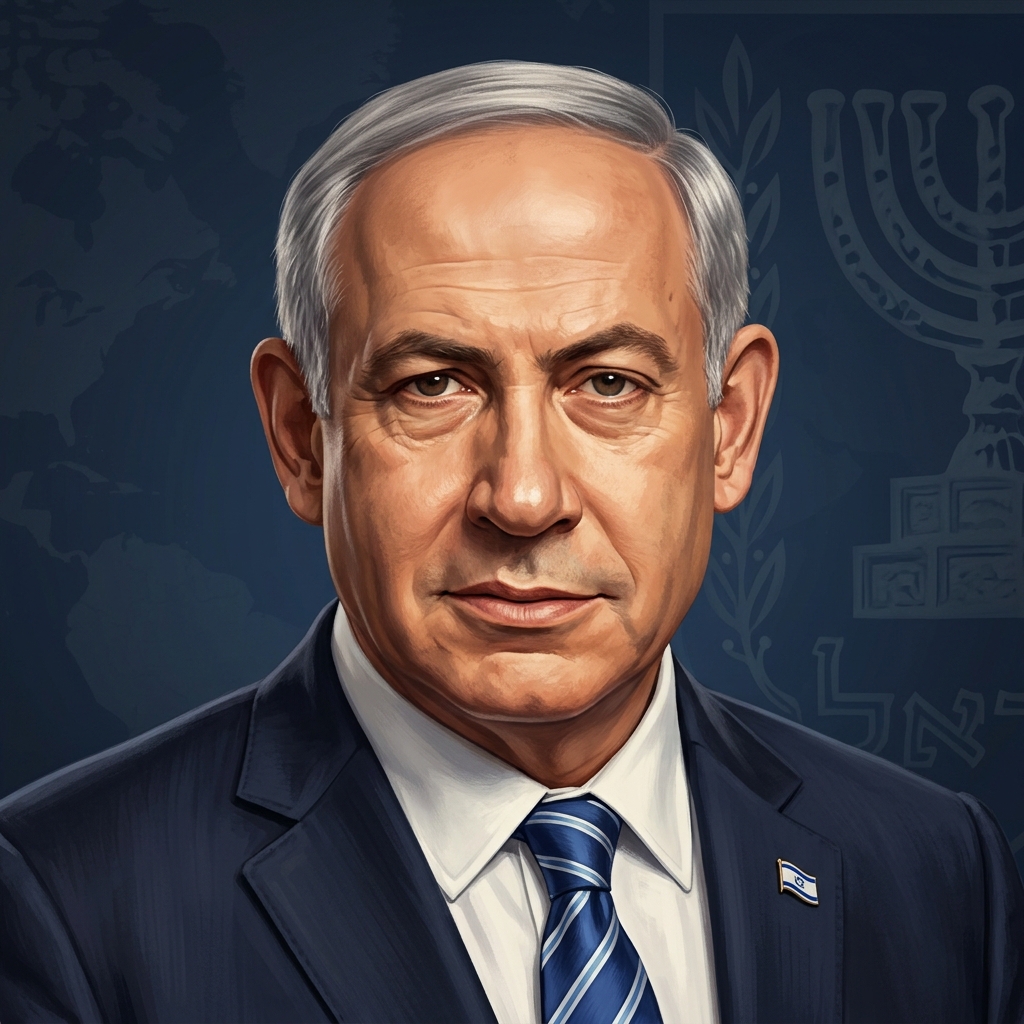
VS
UN
The UN has called on Israel to do more to stop settler violence, while Israeli Prime Minister Benjamin Netanyahu has warned of enemies planning an attack before upcoming elections.
The two sides present opposing views on Israel's actions and the nature of the threats it faces.
*AI-generated summary of publicly available data. This is not an official statement of any party.
*AI-generated summary of publicly available statements and reporting. This is not an official statement of this party.
Supporters of Netanyahu argue that external demands ignore Israel's cultural right to self-defense and sovereignty, framing settler violence concerns as secondary to what they call existential threats facing the nation.
Supporters of Netanyahu argue that external demands like the UN's ignore Israel's cultural right to self-defense, insisting sovereign identity and security must come before international pressure.
Supporters of Netanyahu counter that this framing reflects a cultural double standard, since the UN's members routinely shield their own violations while singling out Israel for scrutiny.
Supporters of Netanyahu argue that Israeli law already criminalizes settler violence and that Israel's courts, not UN political bodies, are the proper venue for enforcement.
Supporters of Netanyahu argue that Israel has a legal duty to defend its citizens against imminent threats, so security measures before elections take precedence over UN calls on settler violence.
Supporters of Netanyahu counter that the Oslo Accords assign security and law enforcement in Palestinian population centers to the Palestinian Authority, so the legal duty to police settler violence falls outside Israel's jurisdiction.
Supporters of Netanyahu argue the UN's settler-violence demand is leverage, not principle: pressing Israel before elections to weaken him, while he warns of real attack plots, betting that security fear, not censure, decides votes.
Supporters of Netanyahu argue the UN's settler-violence demand is pressure politics, and that warning of pre-election attacks signals resolve to deter enemies—concessions invite more demands, not security.
Supporters of Netanyahu counter that electoral survival requires a security threat, so highlighting one is rational statecraft, not deflection; settler violence draws scrutiny regardless.
Supporters of Netanyahu argue that moral priority belongs to defending citizens against imminent attack, and they point to the UN's silence on those threats as evidence of a double standard.
Supporters of Netanyahu argue that condemning settler violence while ignoring threats against Israel is a moral double standard, holding the state accountable for isolated acts but not its enemies' stated intent.
Supporters of Netanyahu counter that moral duty is reciprocal: Palestinian leadership must first renounce violence and incitement, since accountability cannot apply to Israel alone while terror goes unpunished.
Supporters of Netanyahu invoke scripture and divine mandate, arguing that the land covenant with Israel predates the UN, and that Israel's security against enemies planning attacks reflects a religious duty to defend God's chosen people.
Supporters of Netanyahu argue that Israel's security is a divine mandate, citing scripture where God commands the Jewish people to inherit and defend the land, so warnings of enemy attacks reflect a sacred duty to protect the nation.
Supporters of Netanyahu counter that Scripture grants Israel the land as an eternal inheritance, so the covenant to guard it rests with Israel alone, not the UN.
*AI-generated summary of publicly available statements and reporting. This is not an official statement of this party.
Supporters of the UN invoke historical precedent, arguing that settler violence has long gone unpunished, and that holding Israel accountable reflects a consistent cultural commitment to international law over impunity.
Supporters of UN argue that settler violence has deep historical roots, and they cite past cycles where unchecked attacks fueled wider conflict, maintaining that addressing this pattern protects cultural coexistence.
Supporters of the UN counter that sovereignty claims cannot override the cultural heritage of Palestinian communities under occupation, noting the UN's 1948 genocide convention arose precisely because cultural erasure was invoked as self-defense before.
Supporters of the UN argue that international law obligates Israel to protect Palestinians from settler violence, and that Netanyahu's warnings do not excuse failing that legal duty.
Supporters of the UN argue that international law obligates Israel to protect civilians in occupied territory and to hold settler attackers accountable, so calls for stronger action reflect legal duty, not politics.
Supporters of the UN counter that Israel's courts have rarely convicted settlers, and that the Security Council has a legal mandate under international law to address violations in occupied territory.
Supporters of UN argue Netanyahu's election-time threat warning conveniently deflects scrutiny from settler violence, letting Israel trade accountability for political survival.
Supporters of UN read Netanyahu's election-season warning as a bid to rally votes and deflect scrutiny from settler violence, arguing the threat talk buys Israel cover to stall the demanded action.
Supporters of the UN counter that leverage cuts both ways: pressing Israel before elections signals the body answers to its members' politics, not law, so Netanyahu gains by casting censure as interference, letting security fear and sovereignty outrage decide votes.
Supporters of UN argue that Israel bears a moral duty to protect Palestinian communities and halt settler violence, maintaining that accountability for harm to civilians cannot be deferred.
Supporters of the UN argue that protecting civilians from settler violence is a moral duty, and that Israel must uphold international law and steward the land justly.
Supporters of the UN counter that moral priority also binds the powerful: protecting citizens cannot license ignoring civilian harm, and the UN's charter obliges equal concern for every life, not only those of one side.
Supporters of the UN invoke the shared religious reverence for the Holy Land, arguing that protecting worshippers and holy sites from settler violence upholds each faith's inherited moral duty to preserve sacred ground.
Supporters of the UN invoke the religious duty to protect the stranger and the sanctity of law, arguing that settler violence violates the moral order Israel's own tradition commands.
Supporters of the UN counter that the covenant promises were conditional on obedience and never granted sovereign license to dispossess others, so scripture cannot nullify international law or Palestinian claims.
AI-generated summary of publicly available statements and reporting. This is not an official statement of this party.
Supporters of Netanyahu argue that external demands ignore Israel's cultural right to self-defense and sovereignty, framing settler violence concerns as secondary to what they call existential threats facing the nation.
Supporters of Netanyahu argue that external demands like the UN's ignore Israel's cultural right to self-defense, insisting sovereign identity and security must come before international pressure.
Supporters of Netanyahu counter that this framing reflects a cultural double standard, since the UN's members routinely shield their own violations while singling out Israel for scrutiny.
Supporters of Netanyahu argue that Israeli law already criminalizes settler violence and that Israel's courts, not UN political bodies, are the proper venue for enforcement.
Supporters of Netanyahu argue that Israel has a legal duty to defend its citizens against imminent threats, so security measures before elections take precedence over UN calls on settler violence.
Supporters of Netanyahu counter that the Oslo Accords assign security and law enforcement in Palestinian population centers to the Palestinian Authority, so the legal duty to police settler violence falls outside Israel's jurisdiction.
Supporters of Netanyahu argue the UN's settler-violence demand is leverage, not principle: pressing Israel before elections to weaken him, while he warns of real attack plots, betting that security fear, not censure, decides votes.
Supporters of Netanyahu argue the UN's settler-violence demand is pressure politics, and that warning of pre-election attacks signals resolve to deter enemies—concessions invite more demands, not security.
Supporters of Netanyahu counter that electoral survival requires a security threat, so highlighting one is rational statecraft, not deflection; settler violence draws scrutiny regardless.
Supporters of Netanyahu argue that moral priority belongs to defending citizens against imminent attack, and they point to the UN's silence on those threats as evidence of a double standard.
Supporters of Netanyahu argue that condemning settler violence while ignoring threats against Israel is a moral double standard, holding the state accountable for isolated acts but not its enemies' stated intent.
Supporters of Netanyahu counter that moral duty is reciprocal: Palestinian leadership must first renounce violence and incitement, since accountability cannot apply to Israel alone while terror goes unpunished.
Supporters of Netanyahu invoke scripture and divine mandate, arguing that the land covenant with Israel predates the UN, and that Israel's security against enemies planning attacks reflects a religious duty to defend God's chosen people.
Supporters of Netanyahu argue that Israel's security is a divine mandate, citing scripture where God commands the Jewish people to inherit and defend the land, so warnings of enemy attacks reflect a sacred duty to protect the nation.
Supporters of Netanyahu counter that Scripture grants Israel the land as an eternal inheritance, so the covenant to guard it rests with Israel alone, not the UN.
Supporters of the UN invoke historical precedent, arguing that settler violence has long gone unpunished, and that holding Israel accountable reflects a consistent cultural commitment to international law over impunity.
Supporters of UN argue that settler violence has deep historical roots, and they cite past cycles where unchecked attacks fueled wider conflict, maintaining that addressing this pattern protects cultural coexistence.
Supporters of the UN counter that sovereignty claims cannot override the cultural heritage of Palestinian communities under occupation, noting the UN's 1948 genocide convention arose precisely because cultural erasure was invoked as self-defense before.
Supporters of the UN argue that international law obligates Israel to protect Palestinians from settler violence, and that Netanyahu's warnings do not excuse failing that legal duty.
Supporters of the UN argue that international law obligates Israel to protect civilians in occupied territory and to hold settler attackers accountable, so calls for stronger action reflect legal duty, not politics.
Supporters of the UN counter that Israel's courts have rarely convicted settlers, and that the Security Council has a legal mandate under international law to address violations in occupied territory.
Supporters of UN argue Netanyahu's election-time threat warning conveniently deflects scrutiny from settler violence, letting Israel trade accountability for political survival.
Supporters of UN read Netanyahu's election-season warning as a bid to rally votes and deflect scrutiny from settler violence, arguing the threat talk buys Israel cover to stall the demanded action.
Supporters of the UN counter that leverage cuts both ways: pressing Israel before elections signals the body answers to its members' politics, not law, so Netanyahu gains by casting censure as interference, letting security fear and sovereignty outrage decide votes.
Supporters of UN argue that Israel bears a moral duty to protect Palestinian communities and halt settler violence, maintaining that accountability for harm to civilians cannot be deferred.
Supporters of the UN argue that protecting civilians from settler violence is a moral duty, and that Israel must uphold international law and steward the land justly.
Supporters of the UN counter that moral priority also binds the powerful: protecting citizens cannot license ignoring civilian harm, and the UN's charter obliges equal concern for every life, not only those of one side.
Supporters of the UN invoke the shared religious reverence for the Holy Land, arguing that protecting worshippers and holy sites from settler violence upholds each faith's inherited moral duty to preserve sacred ground.
Supporters of the UN invoke the religious duty to protect the stranger and the sanctity of law, arguing that settler violence violates the moral order Israel's own tradition commands.
Supporters of the UN counter that the covenant promises were conditional on obedience and never granted sovereign license to dispossess others, so scripture cannot nullify international law or Palestinian claims.
The United Nations calls on Israel to take stronger action against settler violence.
Israeli Prime Minister Benjamin Netanyahu warns that Israel's enemies are planning an attack ahead of upcoming elections.