United Nations
VS
Itamar Ben-Gvir
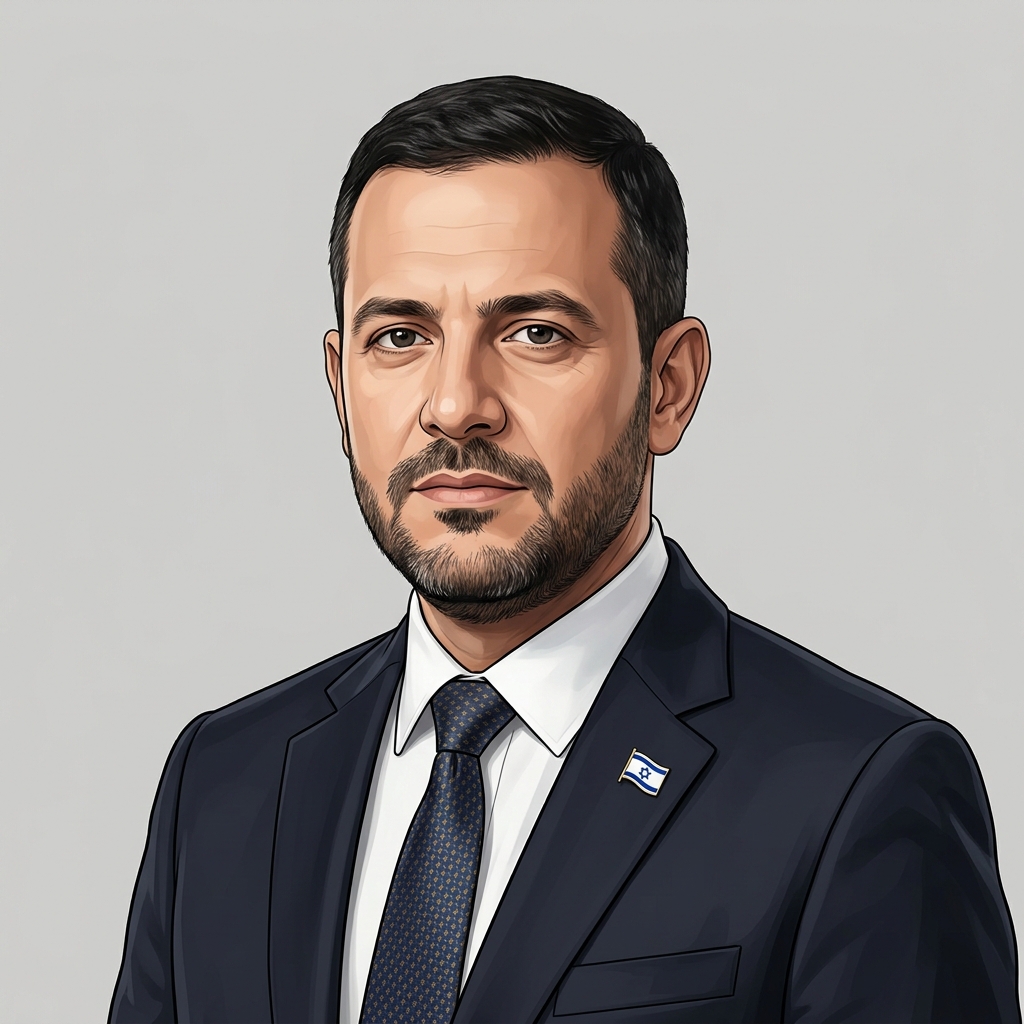
Itamar Ben-Gvir is an Israeli politician and lawyer who has served as Israel's minister of national security since 2022, except for a two-month gap in early 2025.
The United Nations is an international organization that has repeatedly addressed Israeli practices in the occupied territories, including through reports by its Special Committee to Investigate Israeli Practices Affecting the Human Rights of the Palestinian People and Other Arabs of the Occupied Territories.
The conflict between Ben-Gvir and the United Nations centers on his statements advocating intentional killing in Gaza, which the UN has condemned.
The dispute also extends to Ben-Gvir's planned participation in UN events, such as the UN Chiefs of Police Summit, which he has canceled amid legal pressure and calls for his prosecution.
These tensions highlight a broader disagreement over acceptable conduct in the Israeli-Palestinian conflict, with the UN documenting the influence of Israeli settlers on human rights in the occupied territories.
*AI-generated summary of publicly available data. This is not an official statement of any party.
*AI-generated summary of publicly available statements and reporting. This is not an official statement of this party.
Supporters of the United Nations argue that Ben-Gvir’s remarks violate the cultural norm of restraint, which has historically separated lawful combat from indiscriminate vengeance, and that such rhetoric erodes the moral precedent set by past peace efforts.
Supporters of the United Nations argue that Ben-Gvir's call for deliberate killing in Gaza breaks a generational taboo, invoking the post-1945 cultural norm that war must not celebrate civilian death.
Supporters of the United Nations counter that cultural survival cannot justify rhetoric that erodes universal human rights, arguing that historical cycles show such framing has enabled past atrocities.
Supporters of the United Nations argue that Ben-Gvir’s remarks violate international humanitarian law, which prohibits intentional killing of civilians, and that such statements undermine legal accountability in conflict.
Supporters of the United Nations argue that Ben-Gvir's remarks violate international humanitarian law, which prohibits intentional killing of civilians, making his statements a clear breach of legal obligations.
Supporters of the United Nations counter that Ben-Gvir’s remarks, though rhetorical, still breach UN Charter obligations on racial incitement, and legal self-defense does not shield inflammatory speech from international scrutiny.
Supporters of the United Nations argue Ben-Gvir’s remarks expose a raw power play, not justice; condemning them is a pragmatic bid to keep moral leverage while Israel’s military dominance proceeds unchecked.
Supporters of the United Nations argue Ben-Gvir’s rhetoric hands Israel’s enemies a propaganda victory, eroding hard-won legitimacy while offering no tactical gain.
Supporters of the United Nations counter that Ben-Gvir’s deterrence gambit is a power play that backfires, as it hands adversaries moral leverage and unites hostile coalitions, whereas UN resolutions, however symbolic, shape the diplomatic arena where Israel’s long-term security.
Supporters of the United Nations argue that Ben-Gvir's call to intentionally kill in Gaza violates the moral duty to distinguish combatants from civilians, a standard grounded in international law and empirical evidence of conflict norms.
Supporters of the United Nations argue that Ben-Gvir's remarks violate the moral duty to protect civilians, as international humanitarian law forbids intentional killings in conflict.
Supporters of the United Nations counter that moral condemnation is not a luxury but a legal and ethical baseline, citing international humanitarian law which requires distinguishing combatants from civilians even amid security threats.
Supporters of the United Nations argue that no earthly authority, including Minister Ben-Gvir, may claim divine license to decree killing, for scripture holds that life’s sanctity is God’s alone to grant or take.
Supporters of the United Nations argue that scripture’s command to preserve life, not vengeance, binds all nations, and that Ben-Gvir’s call to kill contradicts divine law.
Supporters of the United Nations counter that divine mandate does not negate universal moral law, as scripture itself commands mercy toward the stranger and the vulnerable, which Israel’s forceful actions in Gaza violate.
*AI-generated summary of publicly available statements and reporting. This is not an official statement of this party.
Supporters of Itamar Ben-Gvir argue that the UN’s condemnation ignores Israel’s cultural duty to defend its people, framing his remarks as a blunt expression of national survival rather than a policy directive.
Supporters of Itamar Ben-Gvir argue that the UN's condemnation ignores Israel's cultural right to defend its sovereignty, viewing the minister's remarks as a frank expression of national resolve against existential threats.
Supporters of Itamar Ben-Gvir counter that the UN’s cultural norm of restraint ignores Jewish historical trauma, where restraint against enemies enabled repeated massacres, and that Ben-Gvir’s rhetoric defends a sovereign right to deter existential threats.
Supporters of Itamar Ben-Gvir argue that the UN's condemnation ignores Israel's legal right to self-defense under international law, viewing the minister's remarks as rhetorical, not policy, and unverified by any official directive.
Supporters of Itamar Ben-Gvir argue that the UN's condemnation misapplies legal norms, as Israel's actions in Gaza fall under self-defense under international law, and his remarks reflect operational reality rather than unlawful intent.
Supporters of Itamar Ben-Gvir counter that international humanitarian law applies only to lawful combatants, not to armed terrorist groups, and that legal accountability rests on distinguishing civilian status from active hostilities.
Supporters of Itamar Ben-Gvir argue the UN’s condemnation is empty posturing, as its moral authority collapses before power realities, and they see his blunt talk as a pragmatic signal that deterrence, not diplomacy, secures Israel’s interests.
Supporters of Itamar Ben-Gvir argue the UN's condemnation is empty moralizing from a body with no stake in Israel's survival, pointing to the UN's silence on Hamas's tactics as evidence of its selective outrage.
Supporters of Itamar Ben-Gvir counter that the UN’s moral outrage is itself a power play, a tool to restrain Israeli sovereignty while ignoring its own failures; condemning rhetoric costs nothing, but acknowledging Ben-Gvir’s blunt realism about deterrence would force the UN to a.
Supporters of Itamar Ben-Gvir argue that the UN’s moral condemnation ignores Israel’s duty to safeguard its citizens from existential threats, viewing his remarks as a stark, pragmatic stance on self-defense rather than a call for indiscriminate harm.
Supporters of Itamar Ben-Gvir argue that Israel’s moral duty to protect its citizens outweighs UN censure, viewing the condemnation as detached from the reality of Hamas’s ongoing threat.
Supporters of Itamar Ben-Gvir counter that Hamas weaponizes civilian shields, making distinction a lethal illusion.
Supporters of Itamar Ben-Gvir argue that Israel’s biblical mandate to defend its land justifies forceful action in Gaza, viewing UN condemnation as a rejection of divine order.
Supporters of Itamar Ben-Gvir argue that Israel’s biblical mandate to defend its people supersedes UN moralizing, viewing Gaza’s threats as a divine test of resolve.
Supporters of Itamar Ben-Gvir counter that the UN’s claim misreads scripture, for the Torah itself commands Israel’s leaders to execute divine judgment against enemies, as seen in ancient wars of deliverance.
AI-generated summary of publicly available statements and reporting. This is not an official statement of this party.
Supporters of the United Nations argue that Ben-Gvir’s remarks violate the cultural norm of restraint, which has historically separated lawful combat from indiscriminate vengeance, and that such rhetoric erodes the moral precedent set by past peace efforts.
Supporters of the United Nations argue that Ben-Gvir's call for deliberate killing in Gaza breaks a generational taboo, invoking the post-1945 cultural norm that war must not celebrate civilian death.
Supporters of the United Nations counter that cultural survival cannot justify rhetoric that erodes universal human rights, arguing that historical cycles show such framing has enabled past atrocities.
Supporters of the United Nations argue that Ben-Gvir’s remarks violate international humanitarian law, which prohibits intentional killing of civilians, and that such statements undermine legal accountability in conflict.
Supporters of the United Nations argue that Ben-Gvir's remarks violate international humanitarian law, which prohibits intentional killing of civilians, making his statements a clear breach of legal obligations.
Supporters of the United Nations counter that Ben-Gvir’s remarks, though rhetorical, still breach UN Charter obligations on racial incitement, and legal self-defense does not shield inflammatory speech from international scrutiny.
Supporters of the United Nations argue Ben-Gvir’s remarks expose a raw power play, not justice; condemning them is a pragmatic bid to keep moral leverage while Israel’s military dominance proceeds unchecked.
Supporters of the United Nations argue Ben-Gvir’s rhetoric hands Israel’s enemies a propaganda victory, eroding hard-won legitimacy while offering no tactical gain.
Supporters of the United Nations counter that Ben-Gvir’s deterrence gambit is a power play that backfires, as it hands adversaries moral leverage and unites hostile coalitions, whereas UN resolutions, however symbolic, shape the diplomatic arena where Israel’s long-term security.
Supporters of the United Nations argue that Ben-Gvir's call to intentionally kill in Gaza violates the moral duty to distinguish combatants from civilians, a standard grounded in international law and empirical evidence of conflict norms.
Supporters of the United Nations argue that Ben-Gvir's remarks violate the moral duty to protect civilians, as international humanitarian law forbids intentional killings in conflict.
Supporters of the United Nations counter that moral condemnation is not a luxury but a legal and ethical baseline, citing international humanitarian law which requires distinguishing combatants from civilians even amid security threats.
Supporters of the United Nations argue that no earthly authority, including Minister Ben-Gvir, may claim divine license to decree killing, for scripture holds that life’s sanctity is God’s alone to grant or take.
Supporters of the United Nations argue that scripture’s command to preserve life, not vengeance, binds all nations, and that Ben-Gvir’s call to kill contradicts divine law.
Supporters of the United Nations counter that divine mandate does not negate universal moral law, as scripture itself commands mercy toward the stranger and the vulnerable, which Israel’s forceful actions in Gaza violate.
Supporters of Itamar Ben-Gvir argue that the UN’s condemnation ignores Israel’s cultural duty to defend its people, framing his remarks as a blunt expression of national survival rather than a policy directive.
Supporters of Itamar Ben-Gvir argue that the UN's condemnation ignores Israel's cultural right to defend its sovereignty, viewing the minister's remarks as a frank expression of national resolve against existential threats.
Supporters of Itamar Ben-Gvir counter that the UN’s cultural norm of restraint ignores Jewish historical trauma, where restraint against enemies enabled repeated massacres, and that Ben-Gvir’s rhetoric defends a sovereign right to deter existential threats.
Supporters of Itamar Ben-Gvir argue that the UN's condemnation ignores Israel's legal right to self-defense under international law, viewing the minister's remarks as rhetorical, not policy, and unverified by any official directive.
Supporters of Itamar Ben-Gvir argue that the UN's condemnation misapplies legal norms, as Israel's actions in Gaza fall under self-defense under international law, and his remarks reflect operational reality rather than unlawful intent.
Supporters of Itamar Ben-Gvir counter that international humanitarian law applies only to lawful combatants, not to armed terrorist groups, and that legal accountability rests on distinguishing civilian status from active hostilities.
Supporters of Itamar Ben-Gvir argue the UN’s condemnation is empty posturing, as its moral authority collapses before power realities, and they see his blunt talk as a pragmatic signal that deterrence, not diplomacy, secures Israel’s interests.
Supporters of Itamar Ben-Gvir argue the UN's condemnation is empty moralizing from a body with no stake in Israel's survival, pointing to the UN's silence on Hamas's tactics as evidence of its selective outrage.
Supporters of Itamar Ben-Gvir counter that the UN’s moral outrage is itself a power play, a tool to restrain Israeli sovereignty while ignoring its own failures; condemning rhetoric costs nothing, but acknowledging Ben-Gvir’s blunt realism about deterrence would force the UN to a.
Supporters of Itamar Ben-Gvir argue that the UN’s moral condemnation ignores Israel’s duty to safeguard its citizens from existential threats, viewing his remarks as a stark, pragmatic stance on self-defense rather than a call for indiscriminate harm.
Supporters of Itamar Ben-Gvir argue that Israel’s moral duty to protect its citizens outweighs UN censure, viewing the condemnation as detached from the reality of Hamas’s ongoing threat.
Supporters of Itamar Ben-Gvir counter that Hamas weaponizes civilian shields, making distinction a lethal illusion.
Supporters of Itamar Ben-Gvir argue that Israel’s biblical mandate to defend its land justifies forceful action in Gaza, viewing UN condemnation as a rejection of divine order.
Supporters of Itamar Ben-Gvir argue that Israel’s biblical mandate to defend its people supersedes UN moralizing, viewing Gaza’s threats as a divine test of resolve.
Supporters of Itamar Ben-Gvir counter that the UN’s claim misreads scripture, for the Torah itself commands Israel’s leaders to execute divine judgment against enemies, as seen in ancient wars of deliverance.
After Ben-Gvir cancelled his UN appearance, more than 150 protesters gathered outside the venue to celebrate the cancellation.
Reports confirmed that Ben-Gvir would skip the UN police summit in New York after rights groups urged US authorities to investigate and arrest him over prison-related issues.
Ben-Gvir was scheduled to lead a National Security Ministry delegation to the UN Chiefs of Police Summit 2026, but he canceled the visit amid calls to prosecute him.
UN spokesperson condemns Ben-Gvir's remarks about killing people in Gaza.