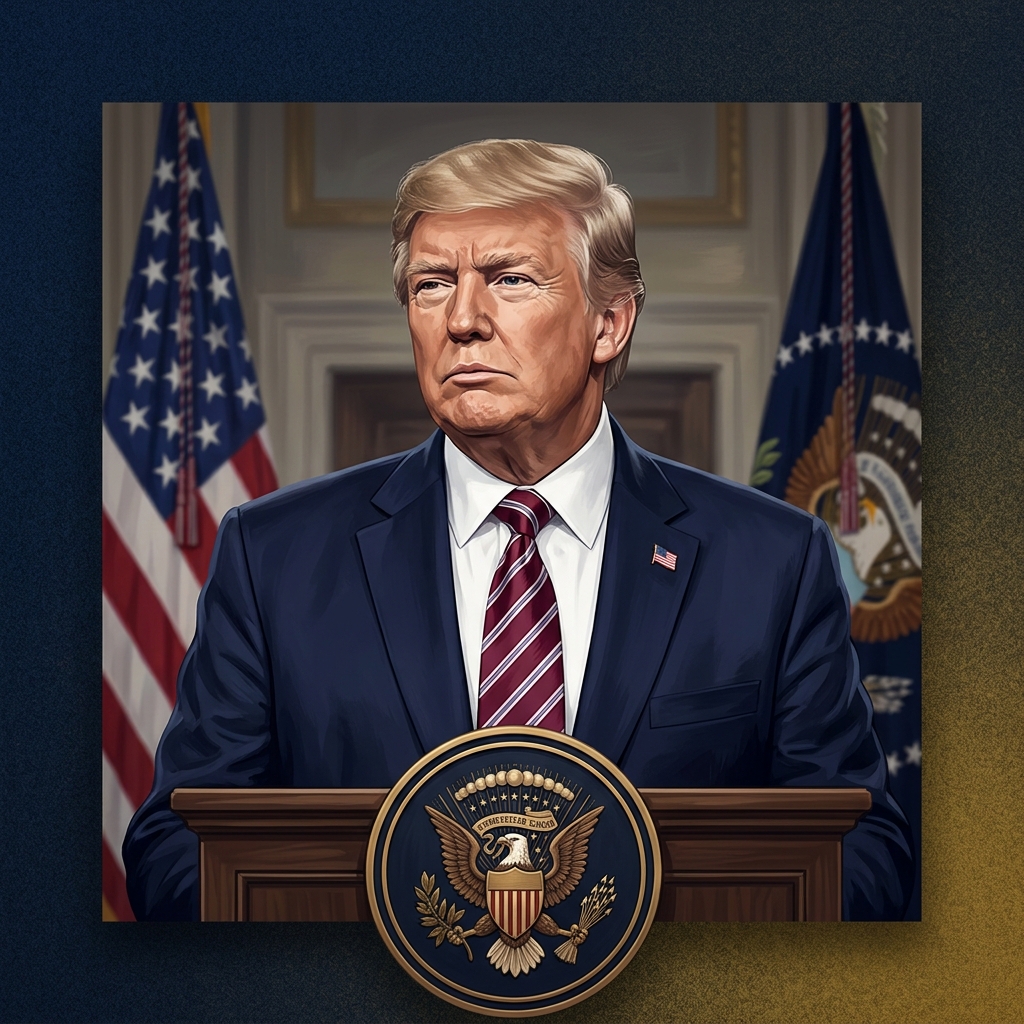
United States
VS
China and Russia

The United States is a global superpower with significant military and economic influence.
China is a major economic power with a rapidly modernizing military, while Russia is a nuclear-armed state with a large arsenal and substantial military capabilities.
Both China and Russia have deep economic ties with Iran, including trade relationships that could complicate U.S. efforts to isolate Iran economically.
The United States and its allies often seek to counter the influence of China and Russia, viewing them as strategic competitors.
The U.S. has imposed sanctions on Iran, aiming to limit its economic activities, but China and Russia have maintained and even strengthened their economic partnerships with Iran.
This creates a potential geopolitical contest between U.S. sanctions policy and the economic alliances Iran holds with Beijing and Moscow.
Analysts suggest that these deep trade relationships could make it difficult for the U.S. to fully isolate Iran economically.
The broader strategic rivalry involves questions of military strength and nuclear capabilities.
Russia possesses a significantly larger nuclear arsenal than China, but China's military is growing and focuses on domestic weapons design while still importing some military products from Russia.
The challenge for the United States is to counter China without driving it closer to Russia, and to counter Russia without pushing it toward China, a dynamic sometimes described as a "three-body problem."
*AI-generated summary of publicly available data. This is not an official statement of any party.
*AI-generated summary of publicly available statements and reporting. This is not an official statement of this party.
Supporters of the United States argue that economic isolation of Iran upholds a rules-based order, preserving cultural stability against destabilizing partnerships.
Supporters of the United States argue that its sanctions policy upholds a rules-based international order, preserving cultural and economic norms that China and Russia undermine through transactional partnerships.
Supporters of the United States counter that cultural traditions of partnership cannot justify enabling a regime whose own history of coercion and repression isolates it from its people, arguing that sanctions uphold a principled order over transactional loyalty.
Supporters of the United States argue that sanctions are legal instruments of sovereign policy, and they maintain that Washington’s actions target state conduct, not trade per se; they point to the law as the proper arbiter of economic coercion.
Supporters of the United States argue that sanctions are lawful sovereign tools, and Washington’s legal authority to penalize Iran’s nuclear program remains intact regardless of foreign trade.
Supporters of the United States counter that sovereign trade rights do not immunize nations from UN Security Council resolutions, which authorize sanctions on Iran’s nuclear program; lawful partnerships must respect binding international legal obligations.
Supporters of the United States argue that sanctions only work when rivals lack alternatives, and China’s and Russia’s trade lifelines to Iran reveal a hard power check on Washington’s leverage.
Supporters of the United States argue that raw trade ties do not equal loyalty, and Washington’s sanctions leverage still bends Beijing and Moscow through financial access, not volume.
Supporters of the United States counter that sanctions are not about severing trade but about raising its cost, and Beijing’s and Moscow’s self-interest is precisely the lever Washington exploits, since their dependence on dollar access and global markets outlasts Tehran’s region.
Supporters of the United States argue that sanctions aim to deter Iran’s destabilizing actions, a moral imperative that outweighs economic ties with China and Russia, which they view as enabling that behavior.
Supporters of the United States argue that morally, economic pressure on Iran is justified to deter its destabilizing acts, and they view China’s and Russia’s trade ties as enabling that behavior, not as a legitimate shield.
Supporters of the United States counter that commerce enabling Iran’s nuclear program is not neutral trade but complicity in a threat to global security, arguing that moral duty demands refusing to profit from proliferation.
Supporters of the United States argue that economic isolation reflects a moral order, where enduring alliances and principled sanctions preserve stability against transactional partnerships.
Supporters of the United States argue that economic sanctions uphold a moral order against Iran's destabilizing actions, viewing trade ties with China and Russia as a challenge to that righteous stance.
Supporters of the United States counter that righteous sovereignty is not free trade under coercion, but the upholding of divinely ordered law against the spread of violence, citing Iran’s sanction-evading trade as a defiance of that moral order.
*AI-generated summary of publicly available statements and reporting. This is not an official statement of this party.
Supporters of China and Russia argue that their enduring trade ties with Iran reflect a cultural tradition of sovereign partnership, unlike US sanctions that repeat a failed history of coercive isolation.
Supporters of China and Russia argue that Iran’s trade ties reflect a cultural tradition of sovereign partnership, not coercion, echoing centuries of Eurasian exchange that US sanctions cannot erase.
Supporters of China and Russia counter that economic isolation of Iran erodes cultural sovereignty, as sanctions-driven hardship fuels extremism and regional fragmentation, destabilizing the very order the United States claims to protect.
Supporters of China and Russia argue that US sanctions on Iran violate the legal principle of sovereign economic partnership, as Beijing and Moscow's trade ties are lawful under international law.
Supporters of China and Russia argue that US sanctions lack legal legitimacy when they attempt to override sovereign trade agreements, pointing to international law’s respect for bilateral economic pacts as evidence that Washington’s coercive measures infringe on the rights of na.
Supporters of China and Russia counter that sanctions exceed lawful coercion when wielded unilaterally, arguing international law requires multilateral approval through the UN Charter, not one state's sovereign fiat.
Supporters of China and Russia argue that Washington’s sanctions are a blunt tool, since Tehran’s trade lifelines to Beijing and Moscow are anchored in mutual self-interest, not goodwill.
Supporters of China and Russia argue that Washington’s sanctions are a bluff against hard economic gravity, since Tehran’s trade with Beijing and Moscow gives Iran leverage that no decree can erase.
Supporters of China and Russia counter that sanctions simply re-route trade, and their lifelines to Iran prove Washington’s leverage is a self-imposed illusion, not a hard check.
Supporters of China and Russia argue that economic bonds are a moral duty to resist coercive isolation, viewing trade with Iran as just commerce that upholds sovereign nations' right to sustenance over punitive domination.
Supporters of China and Russia argue that economic engagement, not isolation, honors the moral duty of nations to foster mutual prosperity and stability, viewing trade ties with Iran as a righteous counter to coercive unilateralism.
Supporters of China and Russia counter that punitive sanctions are not a moral imperative but a self-righteous act that harms ordinary Iranians, while the U.S. and its allies ignore their own complicity in regional instability.
Supporters of China and Russia argue that their economic bonds with Iran reflect a divine principle of righteous sovereignty, where nations may trade freely without yielding to external coercion.
Supporters of China and Russia argue that economic bonds, not coercion, reflect a moral order where nations honor mutual sustenance over unilateral punishment.
Supporters of China and Russia counter that moral order flows from divine sovereignty, not human alliances; they argue that sanctions defy the sacred duty of neighborly compassion, as scripture warns against hoarding abundance while others hunger.
AI-generated summary of publicly available statements and reporting. This is not an official statement of this party.
Supporters of the United States argue that economic isolation of Iran upholds a rules-based order, preserving cultural stability against destabilizing partnerships.
Supporters of the United States argue that its sanctions policy upholds a rules-based international order, preserving cultural and economic norms that China and Russia undermine through transactional partnerships.
Supporters of the United States counter that cultural traditions of partnership cannot justify enabling a regime whose own history of coercion and repression isolates it from its people, arguing that sanctions uphold a principled order over transactional loyalty.
Supporters of the United States argue that sanctions are legal instruments of sovereign policy, and they maintain that Washington’s actions target state conduct, not trade per se; they point to the law as the proper arbiter of economic coercion.
Supporters of the United States argue that sanctions are lawful sovereign tools, and Washington’s legal authority to penalize Iran’s nuclear program remains intact regardless of foreign trade.
Supporters of the United States counter that sovereign trade rights do not immunize nations from UN Security Council resolutions, which authorize sanctions on Iran’s nuclear program; lawful partnerships must respect binding international legal obligations.
Supporters of the United States argue that sanctions only work when rivals lack alternatives, and China’s and Russia’s trade lifelines to Iran reveal a hard power check on Washington’s leverage.
Supporters of the United States argue that raw trade ties do not equal loyalty, and Washington’s sanctions leverage still bends Beijing and Moscow through financial access, not volume.
Supporters of the United States counter that sanctions are not about severing trade but about raising its cost, and Beijing’s and Moscow’s self-interest is precisely the lever Washington exploits, since their dependence on dollar access and global markets outlasts Tehran’s region.
Supporters of the United States argue that sanctions aim to deter Iran’s destabilizing actions, a moral imperative that outweighs economic ties with China and Russia, which they view as enabling that behavior.
Supporters of the United States argue that morally, economic pressure on Iran is justified to deter its destabilizing acts, and they view China’s and Russia’s trade ties as enabling that behavior, not as a legitimate shield.
Supporters of the United States counter that commerce enabling Iran’s nuclear program is not neutral trade but complicity in a threat to global security, arguing that moral duty demands refusing to profit from proliferation.
Supporters of the United States argue that economic isolation reflects a moral order, where enduring alliances and principled sanctions preserve stability against transactional partnerships.
Supporters of the United States argue that economic sanctions uphold a moral order against Iran's destabilizing actions, viewing trade ties with China and Russia as a challenge to that righteous stance.
Supporters of the United States counter that righteous sovereignty is not free trade under coercion, but the upholding of divinely ordered law against the spread of violence, citing Iran’s sanction-evading trade as a defiance of that moral order.
Supporters of China and Russia argue that their enduring trade ties with Iran reflect a cultural tradition of sovereign partnership, unlike US sanctions that repeat a failed history of coercive isolation.
Supporters of China and Russia argue that Iran’s trade ties reflect a cultural tradition of sovereign partnership, not coercion, echoing centuries of Eurasian exchange that US sanctions cannot erase.
Supporters of China and Russia counter that economic isolation of Iran erodes cultural sovereignty, as sanctions-driven hardship fuels extremism and regional fragmentation, destabilizing the very order the United States claims to protect.
Supporters of China and Russia argue that US sanctions on Iran violate the legal principle of sovereign economic partnership, as Beijing and Moscow's trade ties are lawful under international law.
Supporters of China and Russia argue that US sanctions lack legal legitimacy when they attempt to override sovereign trade agreements, pointing to international law’s respect for bilateral economic pacts as evidence that Washington’s coercive measures infringe on the rights of na.
Supporters of China and Russia counter that sanctions exceed lawful coercion when wielded unilaterally, arguing international law requires multilateral approval through the UN Charter, not one state's sovereign fiat.
Supporters of China and Russia argue that Washington’s sanctions are a blunt tool, since Tehran’s trade lifelines to Beijing and Moscow are anchored in mutual self-interest, not goodwill.
Supporters of China and Russia argue that Washington’s sanctions are a bluff against hard economic gravity, since Tehran’s trade with Beijing and Moscow gives Iran leverage that no decree can erase.
Supporters of China and Russia counter that sanctions simply re-route trade, and their lifelines to Iran prove Washington’s leverage is a self-imposed illusion, not a hard check.
Supporters of China and Russia argue that economic bonds are a moral duty to resist coercive isolation, viewing trade with Iran as just commerce that upholds sovereign nations' right to sustenance over punitive domination.
Supporters of China and Russia argue that economic engagement, not isolation, honors the moral duty of nations to foster mutual prosperity and stability, viewing trade ties with Iran as a righteous counter to coercive unilateralism.
Supporters of China and Russia counter that punitive sanctions are not a moral imperative but a self-righteous act that harms ordinary Iranians, while the U.S. and its allies ignore their own complicity in regional instability.
Supporters of China and Russia argue that their economic bonds with Iran reflect a divine principle of righteous sovereignty, where nations may trade freely without yielding to external coercion.
Supporters of China and Russia argue that economic bonds, not coercion, reflect a moral order where nations honor mutual sustenance over unilateral punishment.
Supporters of China and Russia counter that moral order flows from divine sovereignty, not human alliances; they argue that sanctions defy the sacred duty of neighborly compassion, as scripture warns against hoarding abundance while others hunger.
Iran's deep trade ties with Beijing and Moscow could prove difficult for the US to disrupt, say analysts.
A Reddit thread discussed the hypothetical scenario of China and Russia deciding to attack the U.S., concluding that while they could hurt the U.S., they lack the capability to invade and maintain control.
The Atlantic Council published an analysis arguing that Russia is a bigger threat to the United States than China, citing Russia's vastly superior nuclear arsenal of 5,580 warheads compared to China's roughly 600.
A Quora discussion addressed whether Russia and China combined have a stronger military than the United States alone, with responses noting that the U.S. military is more powerful overall, but the outcome depends on various factors.
A YouTube video compared the military strengths of the United States versus Russia and China, noting that the U.S. has a larger budget for defense.