United States
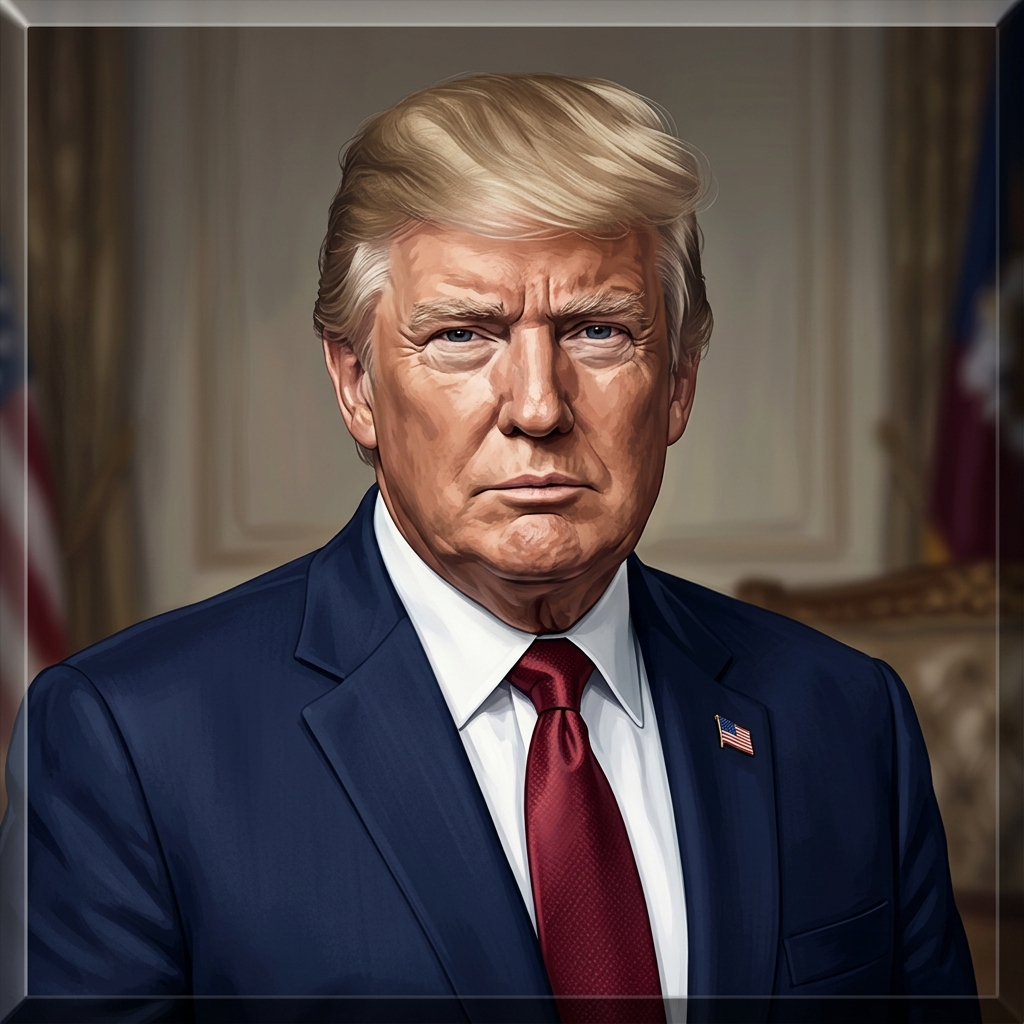
VS
China
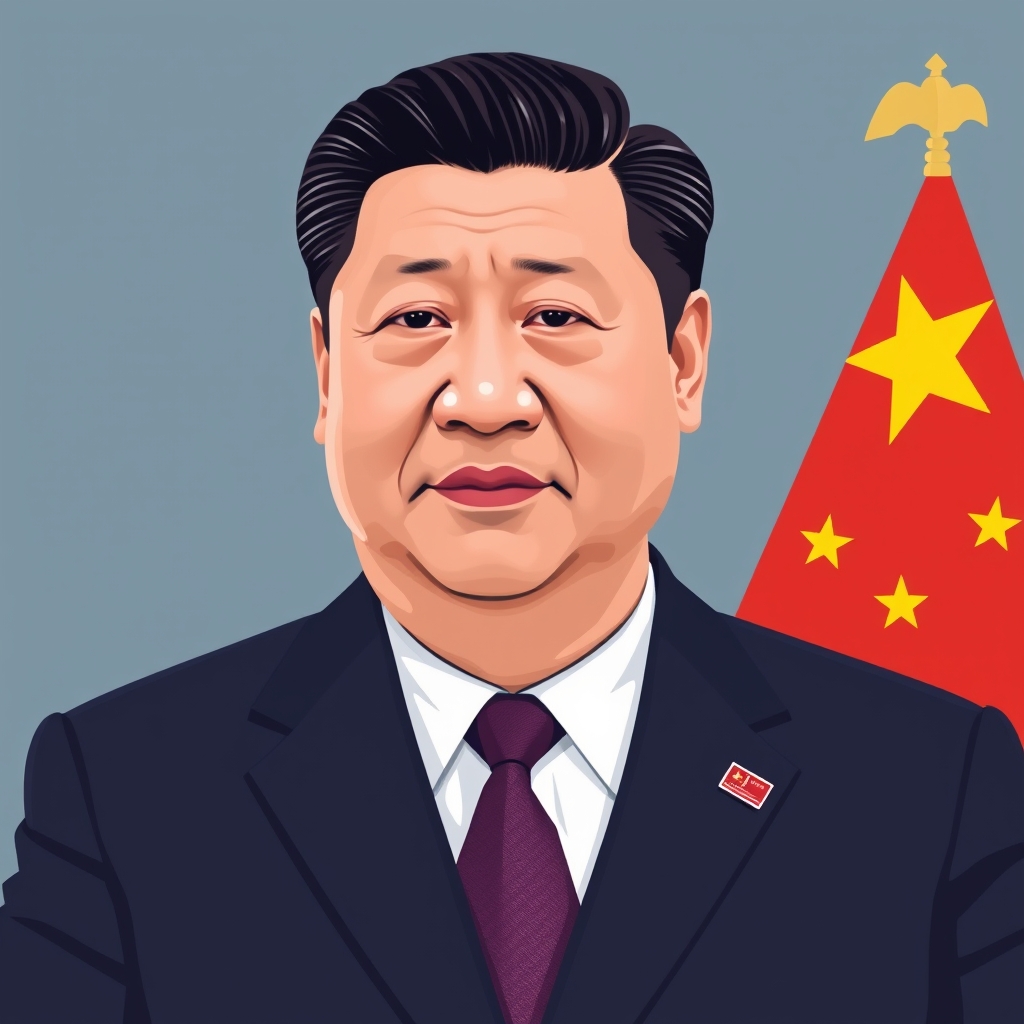
The United States, China, and the European Union are the world's three largest economic powers.
The United States is a liberal democracy with a market economy and a long-standing role in shaping global trade rules.
China is a one-party state whose economy has grown rapidly through export-led industrialization and state-directed investment.
The European Union is a political and economic union of 27 member states that operates as a single market and shares many values with the United States, though its China policies differ substantially from those of the US.
Their interests conflict over trade, technology, and global influence.
The US and China are engaged in a trade rivalry that is reshaping global trade, with the EU caught between erratic US trade policy and China's export machine.
European countries share many values with the US, but the China policies of the EU and some of its member states differ substantially, leaving Europe to navigate its own path.
Xi Jinping's upcoming talks with Trump may not resolve Europe's dilemma.
As China represents a far greater threat to Europe's prosperity, security, and way of life than the United States, the EU faces pressure to define its own approach to both powers.
*AI-generated summary of publicly available data. This is not an official statement of any party.
*AI-generated summary of publicly available statements and reporting. This is not an official statement of this party.
Supporters of United States argue that Xi Jinping's Washington visit should showcase American cultural resolve, insisting trade policy must reflect national identity and sovereignty rather than cede ground to China's export model.
Supporters of United States argue that Xi Jinping's Washington visit should reaffirm American cultural sovereignty, insisting trade terms protect domestic identity and values rather than cede them to China's export model.
Supporters of United States counter that American diplomacy draws on its own civic creed—individual liberty, rule of law, and open contest—which treats patience as delay, not virtue, and prefers candid negotiation to managed harmony.
Supporters of United States counter that America's cultural memory runs the opposite way: a nation born rejecting crown and empire prizes sovereign self-rule over Brussels' supranational rules.
Supporters of the United States argue that Xi's Washington visit shows bilateral tariffs and deals, not Brussels, set global trade rules, so the EU must accept that lawful US market power, not multilateral bodies, drives outcomes.
Supporters of the United States argue that Xi's Washington visit gives Trump leverage to enforce fair-trade rules and rebalance a system tilted against American workers, framing tariffs as lawful tools to protect US interests.
Supporters of United States counter that the WTO agreements bind members to enforceable rules, so bilateral deals cannot override multilateral legal commitments.
Supporters of the United States counter that WTO rules permit bilateral agreements and that national security exceptions allow the US to act outside non-discrimination obligations.
Supporters of the United States argue that Xi's Washington visit is leverage, not diplomacy: by bargaining bilaterally, Washington forces China to concede directly while leaving the EU sidelined and dependent.
Supporters of the United States argue that forcing Xi to Washington lets Trump set terms bilaterally, keeping the EU dependent on US security and unable to broker its own deal with China.
Supporters of the United States counter that the EU's exclusion is precisely the point: Washington prefers bilateral leverage over multilateral dilution, so Brussels' absence from the table reflects its own weak hand, not US failure.
Supporters of United States counter that strategic autonomy is a costly fiction: Europe's security still depends on American power, so Washington expects alignment, not maneuvering, from allies who cannot defend themselves.
Supporters of United States argue that fair trade requires confronting China's subsidized overcapacity, and that Xi's Washington visit is a chance to enforce reciprocal rules, not a favor to Europe.
Supporters of United States argue that fair trade requires reciprocity and rule enforcement, contending that China's export practices and industrial subsidies distort markets and harm workers, and that firm US pressure is a moral necessity.
Supporters of the United States counter that a rules-based order must rest on reciprocity, not one-sided advantage, and that defending fair terms for American workers is a moral obligation, not coercion.
Supporters of United States counter that legitimacy flows from outcomes, not process—bilateral deals that lower barriers and deliver for workers serve people directly, and no nation forfeits its sovereignty by declining to wait on a stalled multilateral table.
Supporters of the United States invoke providence and national covenant, arguing that fair, reciprocal trade reflects God-ordained justice between nations, and that Xi's Washington talks must yield moral accountability.
Supporters of the United States argue that fair trade reflects a moral order rooted in reciprocity and stewardship, and they maintain that Xi Jinping's Washington talks should uphold justice for workers rather than reward unfair export practices.
Supporters of the United States counter that moral authority flows from God to the individual conscience, not the state, so no government inherits divine sanction for unchecked central power.
Supporters of United States counter that America's covenant theology and revivalist faith birthed a moral order too, one grounding liberty in divine law rather than an EU bureaucracy.
*AI-generated summary of publicly available statements and reporting. This is not an official statement of this party.
Supporters of China argue that Xi's Washington talks reflect a cultural preference for patient, relationship-based diplomacy over confrontation, upholding stability and long-term order as inherited virtues.
Supporters of China argue that Xi’s Washington talks uphold sovereign dialogue and stable trade, framing China as a defender of orderly state-to-state relations against disruptive unilateral pressure.
Supporters of China counter that cultural identity is not threatened by trade, since China's export model rests on continuity and mutual benefit, and exchanges have long coexisted with sovereignty.
Supporters of China argue that trade policy falls within each nation's sovereign legal authority, so bilateral talks like Xi's Washington visit are the proper forum, not external pressure from the EU.
Supporters of China argue that its sovereignty and national-interest laws justify managing trade ties on its own terms, and that the Xi-Trump talks are a legal negotiation between sovereign states, not a venue for third parties to set terms.
Supporters of China counter that WTO law, not any single power's market leverage, governs global trade, so the lawful basis for tariff terms rests on multilateral rules rather than US bargaining strength.
Supporters of China argue that Xi’s Washington talks serve China’s interests by managing US rivalry directly, while the EU, lacking leverage, remains squeezed between two powers and gets no seat at the table.
Supporters of China argue that Xi's Washington talks are leverage, not concession: by dealing directly with Trump, Beijing shows the EU it must bargain bilaterally too, since appeals to rules offer no protection against power.
Supporters of China counter that Beijing's willingness to meet bilaterally is itself the concession Washington needs, letting China trade symbolic talks for real relief while keeping the EU dependent on both powers.
Supporters of China argue the US tariff record shows its real motive is dominance, not fairness, so they maintain Xi's Washington talks defend a rules-based trading order against unilateral coercion.
Supporters of China argue that Xi's Washington talks show China negotiates in good faith, while US tariffs are the coercive, destabilizing force; they maintain China's export growth reflects fair competition, not unfair practice.
Supporters of China counter that the moral standing to enforce reciprocal rules is undermined when the accuser itself subsidizes semiconductors and green tech; they argue fairness demands consistency, not selective enforcement.
Supporters of China argue that its state-led model reflects a deeper civilizational continuity, where duty to the collective and respect for central authority are inherited virtues, not flaws.
Supporters of China argue that stable, sovereign leadership and long-horizon planning reflect a Confucian order that keeps trade predictable, whereas US policy shifts with each election.
Supporters of China counter that its civilization sees harmony among nations as heaven-endowed order, so reciprocity must honor each state's sovereign path rather than impose one covenant.
AI-generated summary of publicly available statements and reporting. This is not an official statement of this party.
Supporters of United States argue that Xi Jinping's Washington visit should showcase American cultural resolve, insisting trade policy must reflect national identity and sovereignty rather than cede ground to China's export model.
Supporters of United States argue that Xi Jinping's Washington visit should reaffirm American cultural sovereignty, insisting trade terms protect domestic identity and values rather than cede them to China's export model.
Supporters of United States counter that American diplomacy draws on its own civic creed—individual liberty, rule of law, and open contest—which treats patience as delay, not virtue, and prefers candid negotiation to managed harmony.
Supporters of United States counter that America's cultural memory runs the opposite way: a nation born rejecting crown and empire prizes sovereign self-rule over Brussels' supranational rules.
Supporters of the United States argue that Xi's Washington visit shows bilateral tariffs and deals, not Brussels, set global trade rules, so the EU must accept that lawful US market power, not multilateral bodies, drives outcomes.
Supporters of the United States argue that Xi's Washington visit gives Trump leverage to enforce fair-trade rules and rebalance a system tilted against American workers, framing tariffs as lawful tools to protect US interests.
Supporters of United States counter that the WTO agreements bind members to enforceable rules, so bilateral deals cannot override multilateral legal commitments.
Supporters of the United States counter that WTO rules permit bilateral agreements and that national security exceptions allow the US to act outside non-discrimination obligations.
Supporters of the United States argue that Xi's Washington visit is leverage, not diplomacy: by bargaining bilaterally, Washington forces China to concede directly while leaving the EU sidelined and dependent.
Supporters of the United States argue that forcing Xi to Washington lets Trump set terms bilaterally, keeping the EU dependent on US security and unable to broker its own deal with China.
Supporters of the United States counter that the EU's exclusion is precisely the point: Washington prefers bilateral leverage over multilateral dilution, so Brussels' absence from the table reflects its own weak hand, not US failure.
Supporters of United States counter that strategic autonomy is a costly fiction: Europe's security still depends on American power, so Washington expects alignment, not maneuvering, from allies who cannot defend themselves.
Supporters of United States argue that fair trade requires confronting China's subsidized overcapacity, and that Xi's Washington visit is a chance to enforce reciprocal rules, not a favor to Europe.
Supporters of United States argue that fair trade requires reciprocity and rule enforcement, contending that China's export practices and industrial subsidies distort markets and harm workers, and that firm US pressure is a moral necessity.
Supporters of the United States counter that a rules-based order must rest on reciprocity, not one-sided advantage, and that defending fair terms for American workers is a moral obligation, not coercion.
Supporters of United States counter that legitimacy flows from outcomes, not process—bilateral deals that lower barriers and deliver for workers serve people directly, and no nation forfeits its sovereignty by declining to wait on a stalled multilateral table.
Supporters of the United States invoke providence and national covenant, arguing that fair, reciprocal trade reflects God-ordained justice between nations, and that Xi's Washington talks must yield moral accountability.
Supporters of the United States argue that fair trade reflects a moral order rooted in reciprocity and stewardship, and they maintain that Xi Jinping's Washington talks should uphold justice for workers rather than reward unfair export practices.
Supporters of the United States counter that moral authority flows from God to the individual conscience, not the state, so no government inherits divine sanction for unchecked central power.
Supporters of United States counter that America's covenant theology and revivalist faith birthed a moral order too, one grounding liberty in divine law rather than an EU bureaucracy.
Supporters of China argue that Xi's Washington talks reflect a cultural preference for patient, relationship-based diplomacy over confrontation, upholding stability and long-term order as inherited virtues.
Supporters of China argue that Xi’s Washington talks uphold sovereign dialogue and stable trade, framing China as a defender of orderly state-to-state relations against disruptive unilateral pressure.
Supporters of China counter that cultural identity is not threatened by trade, since China's export model rests on continuity and mutual benefit, and exchanges have long coexisted with sovereignty.
Supporters of China argue that trade policy falls within each nation's sovereign legal authority, so bilateral talks like Xi's Washington visit are the proper forum, not external pressure from the EU.
Supporters of China argue that its sovereignty and national-interest laws justify managing trade ties on its own terms, and that the Xi-Trump talks are a legal negotiation between sovereign states, not a venue for third parties to set terms.
Supporters of China counter that WTO law, not any single power's market leverage, governs global trade, so the lawful basis for tariff terms rests on multilateral rules rather than US bargaining strength.
Supporters of China argue that Xi’s Washington talks serve China’s interests by managing US rivalry directly, while the EU, lacking leverage, remains squeezed between two powers and gets no seat at the table.
Supporters of China argue that Xi's Washington talks are leverage, not concession: by dealing directly with Trump, Beijing shows the EU it must bargain bilaterally too, since appeals to rules offer no protection against power.
Supporters of China counter that Beijing's willingness to meet bilaterally is itself the concession Washington needs, letting China trade symbolic talks for real relief while keeping the EU dependent on both powers.
Supporters of China argue the US tariff record shows its real motive is dominance, not fairness, so they maintain Xi's Washington talks defend a rules-based trading order against unilateral coercion.
Supporters of China argue that Xi's Washington talks show China negotiates in good faith, while US tariffs are the coercive, destabilizing force; they maintain China's export growth reflects fair competition, not unfair practice.
Supporters of China counter that the moral standing to enforce reciprocal rules is undermined when the accuser itself subsidizes semiconductors and green tech; they argue fairness demands consistency, not selective enforcement.
Supporters of China argue that its state-led model reflects a deeper civilizational continuity, where duty to the collective and respect for central authority are inherited virtues, not flaws.
Supporters of China argue that stable, sovereign leadership and long-horizon planning reflect a Confucian order that keeps trade predictable, whereas US policy shifts with each election.
Supporters of China counter that its civilization sees harmony among nations as heaven-endowed order, so reciprocity must honor each state's sovereign path rather than impose one covenant.
Xi Jinping travels to Washington for talks with US President Trump.
The Carnegie Endowment for International Peace published an analysis stating that China represents a far greater threat to Europe's prosperity, security, and way of life than the United States.