US AI accelerationists

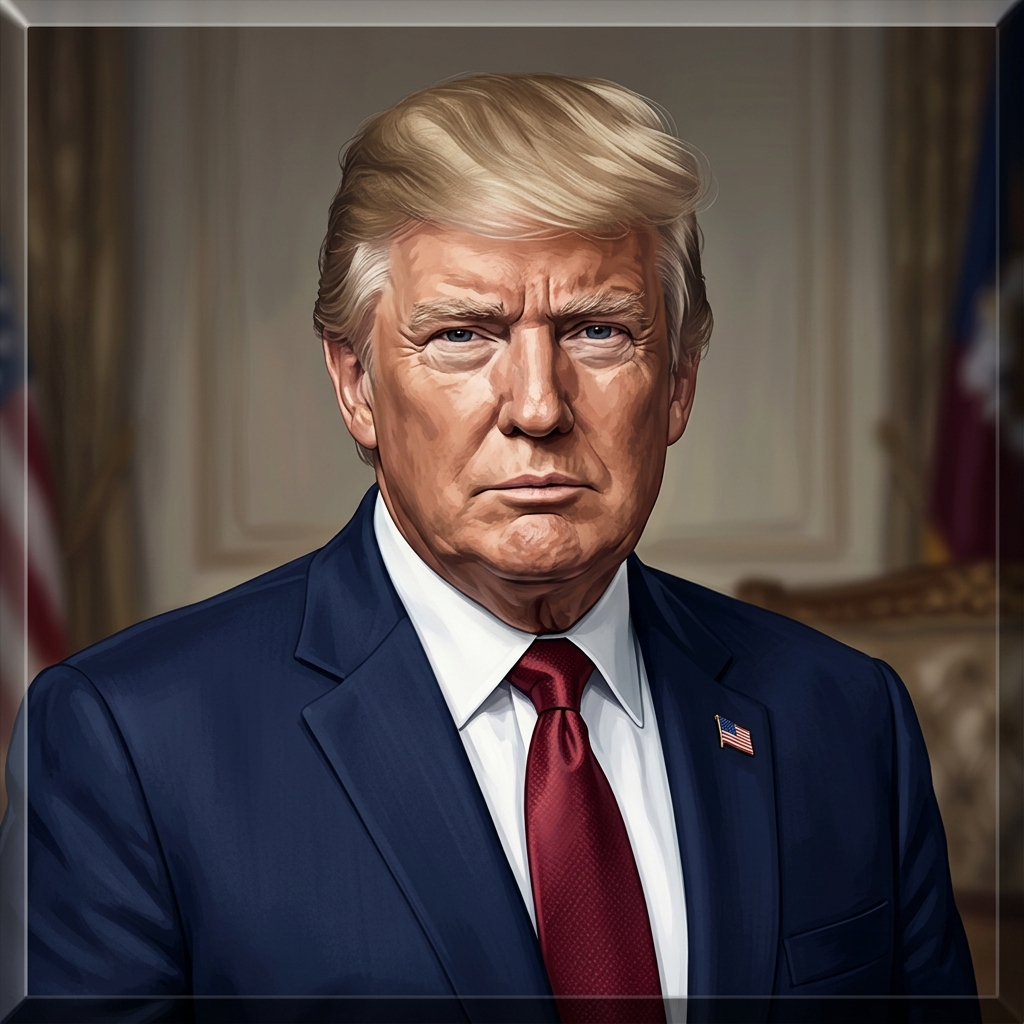
VS
AI pause advocates
?
No actors in this side.
No actors in this side.
US AI accelerationists are individuals and groups who argue that the United States should prioritize rapid development and deployment of artificial intelligence to maintain technological leadership and economic competitiveness.
AI pause advocates are individuals and organizations, such as the Future of Life Institute and PauseAI, who call for slowing or halting the training of advanced AI systems to reduce potential safety risks.
The two sides disagree over the pace and governance of AI development.
Accelerationists contend that pausing or over-regulating AI would cede leadership to geopolitical rivals like China, while pause advocates argue that without precautionary measures, advanced AI could pose serious societal and existential risks.
This clash has played out in policy debates, open letters, and protests, with each side pressing its case to lawmakers and the public.
*AI-generated summary of publicly available data. This is not an official statement of any party.
*AI-generated summary of publicly available statements and reporting. This is not an official statement of this party.
Supporters of US AI accelerationists argue that America's inherited role as technological leader is a cultural trust, and that Speaker Johnson's refusal to pause AI upholds that continuity against rivals like China.
Supporters of US AI accelerationists argue that America's inherited role as global technological leader is a cultural trust, not a switch to flip; they maintain that ceding AI primacy to China would erode the nation's institutions and way of life.
Supporters of US AI accelerationists counter that cultural self-determination has always adapted through adoption, not pre-approval, and that delaying deployment cedes the shaping of civic norms to other nations.
Supporters of US AI accelerationists argue that no law mandates a unilateral AI pause, so slowing US development would cede legal and technological leadership to China without binding rivals.
Supporters of US AI accelerationists argue that no law or treaty obligates the US to pause AI, and that unilateral restraint would cede leadership to China without binding competitors.
Supporters of US AI accelerationists counter that mandatory pre-deployment testing lacks clear statutory authority and could exceed agencies' legal mandates, making voluntary standards the more defensible path.
Supporters of US AI accelerationists argue that pausing AI hands China the strategic edge; in their view, technological supremacy, not safety, is the real prize, and rivals will not pause out of goodwill.
Supporters of US AI accelerationists argue that pausing AI cedes strategic advantage to China, and in their view, technological leadership is leverage no rival would surrender voluntarily.
Supporters of US AI accelerationists counter that a pause cedes the field to rivals who won't pause, making the safety framing itself the leverage play—constraints bind only those who honor them.
Supporters of US AI accelerationists argue that halting development is morally reckless, since ceding AI leadership to China risks empowering a rival to set global norms unchecked.
Supporters of US AI accelerationists argue that slowing AI hands leadership to China, and that America's moral duty is to keep that power in democratic hands rather than risk it under an authoritarian rival.
Supporters of US AI accelerationists counter that withholding AI from democracies cedes moral authority to rivals who face no such scruples, making restraint itself the greater ethical failure.
Supporters of US AI accelerationists argue that dominion over creation is a God-given mandate, so halting AI cedes stewardship to China. They maintain that faith, not fear, should guide innovation.
Supporters of US AI accelerationists argue that humanity’s God-given dominion over creation includes mastering new tools, and that ceding AI leadership to China risks empowering a government hostile to religious communities.
Supporters of US AI accelerationists counter that dominion in Genesis is a grant of authority to subdue and develop creation, not to restrain it, so building AI fulfills rather than violates that stewardship.
*AI-generated summary of publicly available statements and reporting. This is not an official statement of this party.
Supporters of AI pause advocates argue that cultural self-determination requires communities to shape how AI enters civic life before deployment, not after harms emerge from a race for technological leadership.
Supporters of AI pause advocates argue that America's cultural identity rests on democratic oversight, not racing rivals; they maintain that abandoning safety precautions to match China betrays that heritage.
Supporters of AI pause advocates counter that a cultural trust is measured by what a nation passes on, not by speed, and that handing future generations unvetted systems betrays that inheritance more than any rival could.
Supporters of AI pause advocates argue that lawmakers have a legal duty to require safety testing before deployment, since existing US safeguards are inadequate and unchecked acceleration risks harm.
Supporters of AI pause advocates argue that legal safeguards must precede further deployment, since voluntary industry standards lack enforcement and existing US law offers no binding mechanism to hold developers accountable.
Supporters of AI pause advocates counter that existing export-control and safety statutes already bind US labs, so a unilateral pause is legally enforceable, not a gift to China.
Supporters of AI pause advocates argue safety framing is leverage: they maintain that without binding constraints, accelerationists trade long-term control for short-term advantage, and that a pause now preserves the very edge Johnson fears losing.
Pause advocates argue that framing AI as a US-China race is itself the trap: safety standards negotiated now lock in leverage, while a sprint cedes rule-making to whoever blinks last.
Supporters of AI pause advocates counter that the supremacy framing is itself the trap: a race neither side can safely win cedes rulemaking to whoever fields the most reckless system first, and China's own pause gestures suggest leverage lies in restraint, not speed.
Supporters of AI pause advocates argue that accelerating AI for geopolitical advantage risks irreversible ecological and social harm, and that stewardship of shared planetary systems outweighs competitive edge.
Supporters of AI pause advocates argue that accelerating AI to outpace China treats planetary and human safety as expendable, a moral failure when ecological limits already demand restraint.
Supporters of AI pause advocates counter that ceding leadership to any rival is preferable to racing unchecked toward systems that could destabilize planetary life-support systems, a harm no geopolitical advantage can justify.
Supporters of AI pause advocates argue that Genesis grants humanity dominion over creation as stewards, not owners, so they hold that unchecked AI development violates the moral duty to govern technology wisely.
Supporters of AI pause advocates invoke stewardship of creation, arguing scripture commands humanity to govern technology wisely, and that ceding moral restraint for speed risks violating divine law.
Supporters of AI pause advocates counter that Genesis stewardship means caring for creation, not dominating it, and warn that building machines in humanity's image risks the sin of idolatry.
AI-generated summary of publicly available statements and reporting. This is not an official statement of this party.
Supporters of US AI accelerationists argue that America's inherited role as technological leader is a cultural trust, and that Speaker Johnson's refusal to pause AI upholds that continuity against rivals like China.
Supporters of US AI accelerationists argue that America's inherited role as global technological leader is a cultural trust, not a switch to flip; they maintain that ceding AI primacy to China would erode the nation's institutions and way of life.
Supporters of US AI accelerationists counter that cultural self-determination has always adapted through adoption, not pre-approval, and that delaying deployment cedes the shaping of civic norms to other nations.
Supporters of US AI accelerationists argue that no law mandates a unilateral AI pause, so slowing US development would cede legal and technological leadership to China without binding rivals.
Supporters of US AI accelerationists argue that no law or treaty obligates the US to pause AI, and that unilateral restraint would cede leadership to China without binding competitors.
Supporters of US AI accelerationists counter that mandatory pre-deployment testing lacks clear statutory authority and could exceed agencies' legal mandates, making voluntary standards the more defensible path.
Supporters of US AI accelerationists argue that pausing AI hands China the strategic edge; in their view, technological supremacy, not safety, is the real prize, and rivals will not pause out of goodwill.
Supporters of US AI accelerationists argue that pausing AI cedes strategic advantage to China, and in their view, technological leadership is leverage no rival would surrender voluntarily.
Supporters of US AI accelerationists counter that a pause cedes the field to rivals who won't pause, making the safety framing itself the leverage play—constraints bind only those who honor them.
Supporters of US AI accelerationists argue that halting development is morally reckless, since ceding AI leadership to China risks empowering a rival to set global norms unchecked.
Supporters of US AI accelerationists argue that slowing AI hands leadership to China, and that America's moral duty is to keep that power in democratic hands rather than risk it under an authoritarian rival.
Supporters of US AI accelerationists counter that withholding AI from democracies cedes moral authority to rivals who face no such scruples, making restraint itself the greater ethical failure.
Supporters of US AI accelerationists argue that dominion over creation is a God-given mandate, so halting AI cedes stewardship to China. They maintain that faith, not fear, should guide innovation.
Supporters of US AI accelerationists argue that humanity’s God-given dominion over creation includes mastering new tools, and that ceding AI leadership to China risks empowering a government hostile to religious communities.
Supporters of US AI accelerationists counter that dominion in Genesis is a grant of authority to subdue and develop creation, not to restrain it, so building AI fulfills rather than violates that stewardship.
Supporters of AI pause advocates argue that cultural self-determination requires communities to shape how AI enters civic life before deployment, not after harms emerge from a race for technological leadership.
Supporters of AI pause advocates argue that America's cultural identity rests on democratic oversight, not racing rivals; they maintain that abandoning safety precautions to match China betrays that heritage.
Supporters of AI pause advocates counter that a cultural trust is measured by what a nation passes on, not by speed, and that handing future generations unvetted systems betrays that inheritance more than any rival could.
Supporters of AI pause advocates argue that lawmakers have a legal duty to require safety testing before deployment, since existing US safeguards are inadequate and unchecked acceleration risks harm.
Supporters of AI pause advocates argue that legal safeguards must precede further deployment, since voluntary industry standards lack enforcement and existing US law offers no binding mechanism to hold developers accountable.
Supporters of AI pause advocates counter that existing export-control and safety statutes already bind US labs, so a unilateral pause is legally enforceable, not a gift to China.
Supporters of AI pause advocates argue safety framing is leverage: they maintain that without binding constraints, accelerationists trade long-term control for short-term advantage, and that a pause now preserves the very edge Johnson fears losing.
Pause advocates argue that framing AI as a US-China race is itself the trap: safety standards negotiated now lock in leverage, while a sprint cedes rule-making to whoever blinks last.
Supporters of AI pause advocates counter that the supremacy framing is itself the trap: a race neither side can safely win cedes rulemaking to whoever fields the most reckless system first, and China's own pause gestures suggest leverage lies in restraint, not speed.
Supporters of AI pause advocates argue that accelerating AI for geopolitical advantage risks irreversible ecological and social harm, and that stewardship of shared planetary systems outweighs competitive edge.
Supporters of AI pause advocates argue that accelerating AI to outpace China treats planetary and human safety as expendable, a moral failure when ecological limits already demand restraint.
Supporters of AI pause advocates counter that ceding leadership to any rival is preferable to racing unchecked toward systems that could destabilize planetary life-support systems, a harm no geopolitical advantage can justify.
Supporters of AI pause advocates argue that Genesis grants humanity dominion over creation as stewards, not owners, so they hold that unchecked AI development violates the moral duty to govern technology wisely.
Supporters of AI pause advocates invoke stewardship of creation, arguing scripture commands humanity to govern technology wisely, and that ceding moral restraint for speed risks violating divine law.
Supporters of AI pause advocates counter that Genesis stewardship means caring for creation, not dominating it, and warn that building machines in humanity's image risks the sin of idolatry.
Trump has dismissed AI fears as 'hoax', insisting US safeguards suffice and warning slowdown benefits China.
A video published on YouTube traced the evolution of U.S. AI policy from executive orders to the SB 1047 bill and cultural shifts, highlighting the shift from 'Pause AI' to 'Build'.
A Reddit post on r/singularity noted that some AI pause advocates are becoming more extreme, referencing Eliezer Yudkowsky's advocacy for using state violence up to and including nuking AI datacenters to stop AI.
Cory Doctorow published an article discussing the real AI fight between Effective Accelerationists and Effective Altruists, noting their vigorous agreement on something genuinely stupid.
A LessWrong post summarized crucial considerations for an AI pause and AI pause advocacy, also promoting the international PauseAI protest.
PauseAI organized a protest in Washington DC on Saturday, September 19, urging Trump and Xi to make an AI pause deal.
The Future of Life Institute published an open letter calling on all AI labs to immediately pause for at least 6 months the training of AI systems more powerful than GPT-4.