US and Iran

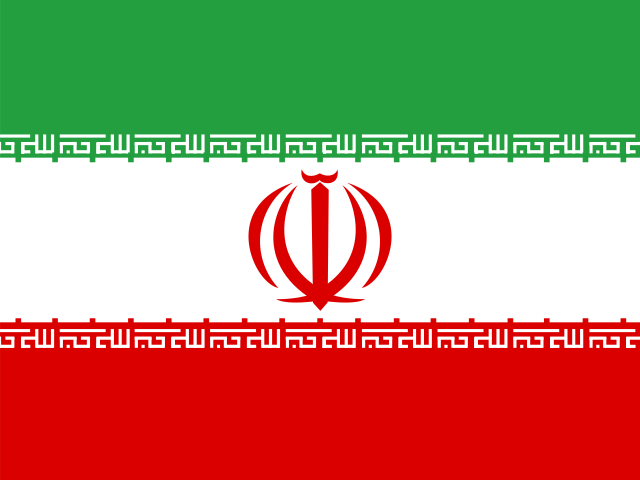
VS
Pakistan

Amid renewed talk of escalation between the United States and Iran, Pakistan's army chief has traveled to Tehran as Islamabad attempts to revive negotiations while balancing its ties with Tehran, Riyadh, and Washington.
*AI-generated summary of publicly available data. This is not an official statement of any party.
*AI-generated summary of publicly available statements and reporting. This is not an official statement of this party.
Supporters of US and Iran frame the conflict as a cultural contest over sovereignty, arguing that outside mediators like Pakistan cannot resolve a rivalry rooted in each nation's distinct historical identity.
Supporters of US and Iran argue that Islamabad's mediation bid recalls Pakistan's long tradition of hedging between Washington and Tehran, and they doubt a broker with ties to Riyadh can be seen as neutral.
Supporters of the US and Iran counter that Pakistan’s mediation tradition is itself a product of Saudi and Gulf patronage, so the army chief’s Tehran visit reflects shifting patrons rather than an inherited Islamic-solidarity role.
Supporters of US and Iran argue that legally, Pakistan's army chief's mediation in Tehran must respect the sovereignty of both states and existing diplomatic frameworks, not substitute for binding agreements between the parties themselves.
Supporters of US and Iran argue that Pakistan's mediation lacks legal neutrality, since Islamabad's own ties to Riyadh and Washington may compromise its role as an impartial broker.
Supporters of the US and Iran counter that a mediator with documented ties to one party's security establishment cannot satisfy the UN Charter's impartiality requirement, so Pakistan's role fails the legal test for genuine peaceful settlement.
Supporters of US and Iran argue that Pakistan's mediation is self-interested leverage-seeking, not peacemaking—Islamabad balancing Riyadh and Washington to extract concessions, so its broker role serves its own interests.
Supporters of US and Iran argue Pakistan's mediation is self-interested positioning, not peacemaking—Islamabad hedging between Riyadh, Tehran, and Washington to extract concessions from all three.
Supporters of the US-Iran side counter that broker status cuts both ways: by courting both capitals, Pakistan's army chief makes every extracted concession visible and reversible, letting Washington and Tehran price his leverage and quietly route around him.
Supporters of US and Iran argue that Pakistan's mediation cannot substitute for addressing the underlying grievances driving escalation, and that durable peace requires fairness to both parties' security concerns rather than external pressure to defer confrontation.
Supporters of US and Iran argue that Pakistan's mediation is no substitute for addressing the underlying grievances driving the standoff, insisting that a fair resolution requires both powers to confront the grievances fueling escalation.
Supporters of the US and Iran counter that a mediator cannot claim moral authority while shielding its own double game, arguing that genuine peacemaking demands accountability, not impartiality that quietly serves one side's interests.
Supporters of US and Iran frame Pakistan's mediation as defending religious sovereignty, arguing that outside powers should not dictate the fate of Islamic nations or override their faith traditions.
Supporters of US and Iran frame Pakistan's army chief's Tehran visit as upholding the religious duty of mediation, arguing that Islamic teaching honors peacemakers who prevent bloodshed between nations.
Supporters of US and Iran counter that a mediation mission which yields no binding constraint on Pakistan's nuclear program cannot fulfill the Quranic duty to reconcile, since religious peacemaking requires a just and enforceable settlement rather than a symbolic visit.
*AI-generated summary of publicly available statements and reporting. This is not an official statement of this party.
Supporters of Pakistan argue that Islamabad’s mediating role reflects a long-standing tradition of regional diplomacy rooted in Islamic solidarity and neighborly obligation, and they view the army chief’s Tehran visit as upholding that inherited role.
Supporters of Pakistan frame the army chief's Tehran visit as upholding a traditional mediating role, arguing that cultural continuity and regional stability matter more than taking sides in US-Iran tensions.
Supporters of Pakistan counter that Pakistan's own cultural heritage—rooted in shared Islamic traditions and regional ties with both nations—gives it a legitimate, trusted standing as mediator, not an outside imposition.
Supporters of Pakistan's mediation argue that its army chief's Tehran visit upholds the legal duty of states under the UN Charter to pursue peaceful settlement of disputes and prevent escalation between the US and Iran.
Supporters of Pakistan argue its mediation in Tehran is lawful diplomacy under the UN Charter, which obliges states to pursue peaceful settlement of disputes and refrain from threats or force.
Supporters of Pakistan counter that the army chief's mediation in Tehran falls within established diplomatic practice, since good-offices facilitation by a third party doesn't substitute for binding agreements and remains consistent with state sovereignty.
Supporters of Pakistan argue that the army chief's Tehran trip is leverage, not peacemaking: by positioning itself as the indispensable broker between Washington and Tehran, Pakistan extracts concessions and keeps rivals dependent on its good offices.
Supporters of Pakistan argue that the army chief’s Tehran trip is leverage, not charity: by positioning Islamabad as the only party both Washington and Tehran will still talk to, Pakistan converts its hedging into indispensability and influence.
Supporters of Pakistan counter that all mediation is leverage-seeking—Washington and Tehran seek outcomes too—so singling out Islamabad for pursuing interests merely describes diplomacy, not a disqualifying flaw.
Supporters of Pakistan argue that Islamabad's mediation is a moral duty: reviving talks between the US and Iran serves peace and civilian protection, and they cast Pakistan's impartial diplomacy as upholding regional stability over confrontation.
Supporters of Pakistan argue that Islamabad's mediation in Tehran reflects a moral duty to prevent war, upholding diplomacy and civilian protection over escalation between the US and Iran.
Supporters of Pakistan counter that fairness demands consistency: a mediator cannot be dismissed as "external pressure" while the same parties demand its good offices, and they argue that ignoring a willing broker's moral standing undermines the very equity the critics claim to s.
Supporters of Pakistan frame the army chief's Tehran mission as obedience to Islamic teachings on peacemaking, citing the Quran's command to reconcile between believers and arguing that preventing war fulfills a religious duty.
Supporters of Pakistan frame the army chief's Tehran mission as faithful peacemaking, citing scripture's command to reconcile disputing parties and arguing that mediating between Washington and Tehran honors Islamic duties of justice and mercy.
Supporters of Pakistan counter that the Quran commands believers to pursue reconciliation between disputing parties, so mediation is itself a religious duty rather than an outside imposition on Islamic sovereignty.
AI-generated summary of publicly available statements and reporting. This is not an official statement of this party.
Supporters of US and Iran frame the conflict as a cultural contest over sovereignty, arguing that outside mediators like Pakistan cannot resolve a rivalry rooted in each nation's distinct historical identity.
Supporters of US and Iran argue that Islamabad's mediation bid recalls Pakistan's long tradition of hedging between Washington and Tehran, and they doubt a broker with ties to Riyadh can be seen as neutral.
Supporters of the US and Iran counter that Pakistan’s mediation tradition is itself a product of Saudi and Gulf patronage, so the army chief’s Tehran visit reflects shifting patrons rather than an inherited Islamic-solidarity role.
Supporters of US and Iran argue that legally, Pakistan's army chief's mediation in Tehran must respect the sovereignty of both states and existing diplomatic frameworks, not substitute for binding agreements between the parties themselves.
Supporters of US and Iran argue that Pakistan's mediation lacks legal neutrality, since Islamabad's own ties to Riyadh and Washington may compromise its role as an impartial broker.
Supporters of the US and Iran counter that a mediator with documented ties to one party's security establishment cannot satisfy the UN Charter's impartiality requirement, so Pakistan's role fails the legal test for genuine peaceful settlement.
Supporters of US and Iran argue that Pakistan's mediation is self-interested leverage-seeking, not peacemaking—Islamabad balancing Riyadh and Washington to extract concessions, so its broker role serves its own interests.
Supporters of US and Iran argue Pakistan's mediation is self-interested positioning, not peacemaking—Islamabad hedging between Riyadh, Tehran, and Washington to extract concessions from all three.
Supporters of the US-Iran side counter that broker status cuts both ways: by courting both capitals, Pakistan's army chief makes every extracted concession visible and reversible, letting Washington and Tehran price his leverage and quietly route around him.
Supporters of US and Iran argue that Pakistan's mediation cannot substitute for addressing the underlying grievances driving escalation, and that durable peace requires fairness to both parties' security concerns rather than external pressure to defer confrontation.
Supporters of US and Iran argue that Pakistan's mediation is no substitute for addressing the underlying grievances driving the standoff, insisting that a fair resolution requires both powers to confront the grievances fueling escalation.
Supporters of the US and Iran counter that a mediator cannot claim moral authority while shielding its own double game, arguing that genuine peacemaking demands accountability, not impartiality that quietly serves one side's interests.
Supporters of US and Iran frame Pakistan's mediation as defending religious sovereignty, arguing that outside powers should not dictate the fate of Islamic nations or override their faith traditions.
Supporters of US and Iran frame Pakistan's army chief's Tehran visit as upholding the religious duty of mediation, arguing that Islamic teaching honors peacemakers who prevent bloodshed between nations.
Supporters of US and Iran counter that a mediation mission which yields no binding constraint on Pakistan's nuclear program cannot fulfill the Quranic duty to reconcile, since religious peacemaking requires a just and enforceable settlement rather than a symbolic visit.
Supporters of Pakistan argue that Islamabad’s mediating role reflects a long-standing tradition of regional diplomacy rooted in Islamic solidarity and neighborly obligation, and they view the army chief’s Tehran visit as upholding that inherited role.
Supporters of Pakistan frame the army chief's Tehran visit as upholding a traditional mediating role, arguing that cultural continuity and regional stability matter more than taking sides in US-Iran tensions.
Supporters of Pakistan counter that Pakistan's own cultural heritage—rooted in shared Islamic traditions and regional ties with both nations—gives it a legitimate, trusted standing as mediator, not an outside imposition.
Supporters of Pakistan's mediation argue that its army chief's Tehran visit upholds the legal duty of states under the UN Charter to pursue peaceful settlement of disputes and prevent escalation between the US and Iran.
Supporters of Pakistan argue its mediation in Tehran is lawful diplomacy under the UN Charter, which obliges states to pursue peaceful settlement of disputes and refrain from threats or force.
Supporters of Pakistan counter that the army chief's mediation in Tehran falls within established diplomatic practice, since good-offices facilitation by a third party doesn't substitute for binding agreements and remains consistent with state sovereignty.
Supporters of Pakistan argue that the army chief's Tehran trip is leverage, not peacemaking: by positioning itself as the indispensable broker between Washington and Tehran, Pakistan extracts concessions and keeps rivals dependent on its good offices.
Supporters of Pakistan argue that the army chief’s Tehran trip is leverage, not charity: by positioning Islamabad as the only party both Washington and Tehran will still talk to, Pakistan converts its hedging into indispensability and influence.
Supporters of Pakistan counter that all mediation is leverage-seeking—Washington and Tehran seek outcomes too—so singling out Islamabad for pursuing interests merely describes diplomacy, not a disqualifying flaw.
Supporters of Pakistan argue that Islamabad's mediation is a moral duty: reviving talks between the US and Iran serves peace and civilian protection, and they cast Pakistan's impartial diplomacy as upholding regional stability over confrontation.
Supporters of Pakistan argue that Islamabad's mediation in Tehran reflects a moral duty to prevent war, upholding diplomacy and civilian protection over escalation between the US and Iran.
Supporters of Pakistan counter that fairness demands consistency: a mediator cannot be dismissed as "external pressure" while the same parties demand its good offices, and they argue that ignoring a willing broker's moral standing undermines the very equity the critics claim to s.
Supporters of Pakistan frame the army chief's Tehran mission as obedience to Islamic teachings on peacemaking, citing the Quran's command to reconcile between believers and arguing that preventing war fulfills a religious duty.
Supporters of Pakistan frame the army chief's Tehran mission as faithful peacemaking, citing scripture's command to reconcile disputing parties and arguing that mediating between Washington and Tehran honors Islamic duties of justice and mercy.
Supporters of Pakistan counter that the Quran commands believers to pursue reconciliation between disputing parties, so mediation is itself a religious duty rather than an outside imposition on Islamic sovereignty.
Pakistan's army chief travels to Tehran as part of diplomatic efforts to revive negotiations and prevent new US-Iran fighting.