US and NATO
VS
Andrej Babis
The United States and NATO are pressing Czechia to increase its defense spending more rapidly, citing the threat from Russia.
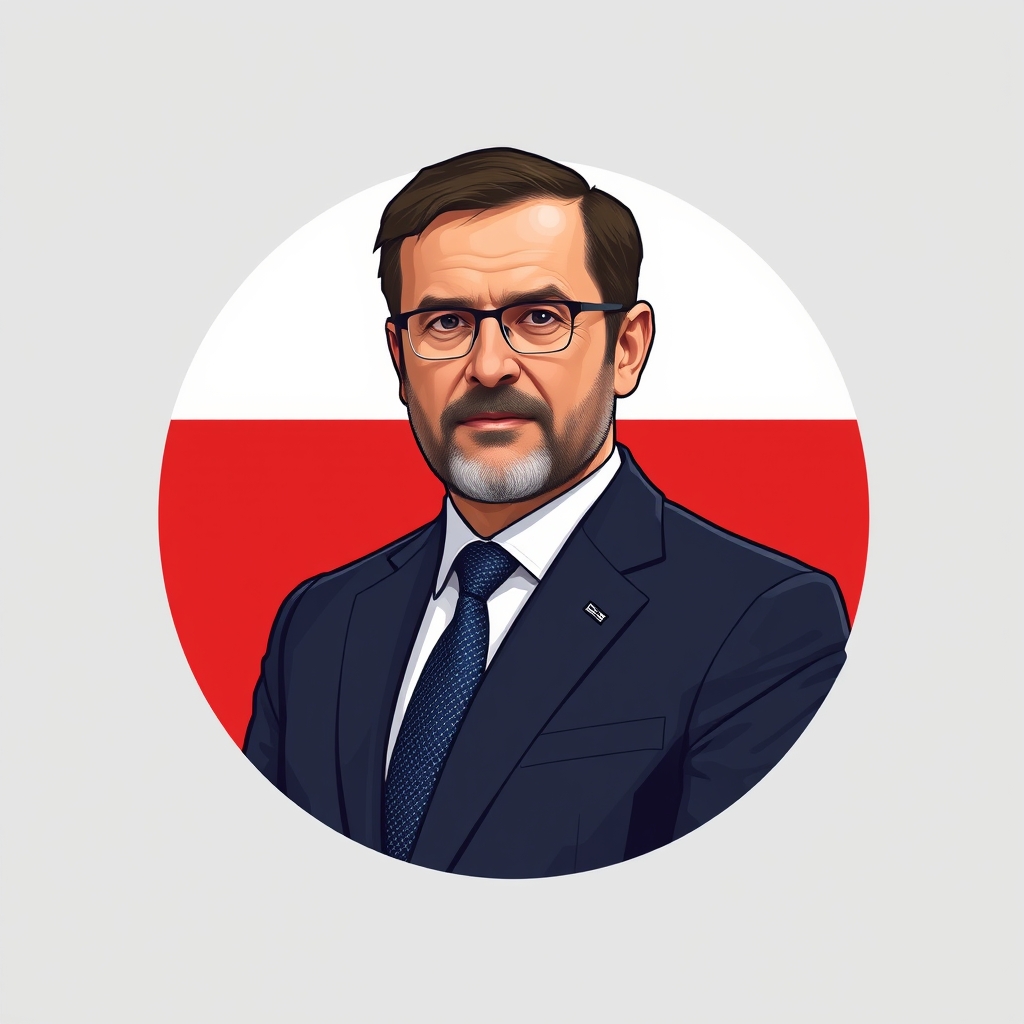
Czech Prime Minister Andrej Babiš insists Prague cannot afford faster increases, while reaffirming the importance of NATO membership.
NATO Secretary General Mark Rutte met with Babiš in Prague on 16 April 2026 to discuss the alliance's expectations on defense spending.
Babiš has publicly vowed that Czechia will "do everything" for its NATO commitment as global tensions rise, but has also rejected calls to accelerate spending increases.
In April 2026, Babiš said he hoped the US would remain loyal to its commitments and that "we need the United States in NATO," while acknowledging uncertainty around Donald Trump's position.
The dispute reflects a broader tension within the alliance over burden-sharing and the pace at which members meet spending targets, with Czechia balancing fiscal constraints against allied pressure.
*AI-generated summary of publicly available data. This is not an official statement of any party.
*AI-generated summary of publicly available statements and reporting. This is not an official statement of this party.
Supporters of US and NATO invoke Cold War precedent, arguing that Czechia's cultural memory of Soviet domination makes collective defense a moral duty, not just a budget line.
Supporters of US and NATO argue that shared cultural values of collective security obligate Czechia to honor its alliance commitments, recalling how past inaction invited aggression.
Supporters of US and NATO counter that shared democratic and cultural values bind the alliance, so Prague's defense pledge reflects collective identity, not outside control.
Supporters of US and NATO argue that allied defense spending pledges are legal commitments under NATO's 2014 Wales framework, and that Czechia, as a treaty member, is obligated to meet them.
Supporters of US and NATO argue that alliance commitments carry legal obligations to share collective defense burdens, and that Czechia's membership entails meeting agreed spending targets.
Supporters of US and NATO counter that the 2014 Wales Pledge was signed by Czech heads of state as a formal allied commitment, so Prague's "non-binding" framing strains the legal reading of that mutual defense compact.
Supporters of US and NATO argue that Russia's threat makes faster Czech defense spending a necessity, not a favor—alliance credibility depends on members paying in.
Supporters of US and NATO argue that alliance security is a currency: those who pay more get more protection, and Babis's budget excuses quietly trade Czech influence for Russian leverage.
Supporters of US and NATO counter that Babis's "survival without paying" rests on American willingness to subsidize allies indefinitely; they argue Washington's patience is the scarce resource, and free-riding erodes it faster than any budget line.
Supporters of US and NATO argue that collective defense imposes a moral duty: allies who benefit from NATO's shield must share its burden fairly, especially when Russia poses a credible threat to all members.
Supporters of US and NATO argue that alliance membership carries a moral duty: shared defense against Russian aggression requires every member, including Czechia, to contribute its fair share.
Supporters of US and NATO counter that honoring fiscal limits cannot excuse abandoning a moral duty to collective defense, since treaties bind nations to protect the vulnerable beyond their own borders.
Supporters of US and NATO frame collective defense as a moral duty, arguing that honoring spending pledges protects the inherited security order their nations have long upheld.
Supporters of US and NATO argue that honoring defense commitments is a moral duty rooted in shared civilizational values, and that Czechia's NATO membership obliges Prague to contribute fairly to the common defense.
Supporters of US and NATO counter that allied security guarantees underpin the stable civic order in which churches and charities operate, so honoring collective defense commitments is itself a form of stewardship.
*AI-generated summary of publicly available statements and reporting. This is not an official statement of this party.
Supporters of Andrej Babis argue that Czech sovereignty means Prague, not NATO or Washington, should decide how fast its defense budget rises, since national priorities and identity come first.
Supporters of Andrej Babis argue that Czech sovereignty means Prague alone should set its defense budget pace, not external allies, preserving national priorities over foreign spending demands.
Supporters of Andrej Babis counter that invoking Soviet-era memory to justify current NATO commitments conflates past occupation with present alliances, and argue Czech cultural identity should shape defense policy rather than Cold War nostalgia.
Supporters of Andrej Babis argue that NATO's spending targets are political commitments, not binding legal obligations, so Prague may set its own pace without breaching any treaty.
Supporters of Andrej Babis argue that NATO's spending targets are political commitments, not binding legal obligations, so Czechia's sovereignty lets Prague set its own budget pace without breaching any treaty.
Supporters of Andrej Babis counter that the Wales pledge is a political declaration, not a binding treaty obligation, so no legal duty compels Czechia to hit the 2% target.
Supporters of Andrej Babis argue that NATO membership secures Czechia's survival while faster spending only drains resources; keeping the US satisfied without paying more is the pragmatic win.
Supporters of Andrej Babis argue that NATO membership secures Czechia's survival while faster spending is a luxury Prague cannot afford; they maintain that loyalty without payment is the smarter bargain.
Supporters of Andrej Babis counter that alliance credibility is leverage, not charity; they argue Prague gains more by timing its spending to extract concessions than by paying early to please Washington.
Supporters of Andrej Babis argue that moral governance means honoring fiscal limits at home over foreign pressure, insisting Czechia cannot afford faster defense hikes without harming its own people.
Supporters of Andrej Babis argue that funneling scarce public funds into faster military buildup diverts resources from pressing social and ecological needs, prioritizing armaments over stewardship of people and land.
Supporters of Andrej Babis counter that the moral duty runs the other way: sending Czech soldiers to die in conflicts far from home, while wealthier allies under-spend, shifts the burden onto those least able to refuse.
Supporters of Andrej Babis invoke a moral duty to steward limited national resources for the vulnerable at home, arguing that faith calls for prudence and care for one's own before meeting NATO's faster spending demands.
Supporters of Andrej Babis argue that NATO membership remains vital, yet Czechia cannot afford faster defense increases without harming its people, and they insist that moral duty to citizens must balance allied demands.
Supporters of Andrej Babis counter that the security order is not sacred—peacemaking, not arms budgets, is the moral duty, and scripture warns against trusting in chariots and horses.
AI-generated summary of publicly available statements and reporting. This is not an official statement of this party.
Supporters of US and NATO invoke Cold War precedent, arguing that Czechia's cultural memory of Soviet domination makes collective defense a moral duty, not just a budget line.
Supporters of US and NATO argue that shared cultural values of collective security obligate Czechia to honor its alliance commitments, recalling how past inaction invited aggression.
Supporters of US and NATO counter that shared democratic and cultural values bind the alliance, so Prague's defense pledge reflects collective identity, not outside control.
Supporters of US and NATO argue that allied defense spending pledges are legal commitments under NATO's 2014 Wales framework, and that Czechia, as a treaty member, is obligated to meet them.
Supporters of US and NATO argue that alliance commitments carry legal obligations to share collective defense burdens, and that Czechia's membership entails meeting agreed spending targets.
Supporters of US and NATO counter that the 2014 Wales Pledge was signed by Czech heads of state as a formal allied commitment, so Prague's "non-binding" framing strains the legal reading of that mutual defense compact.
Supporters of US and NATO argue that Russia's threat makes faster Czech defense spending a necessity, not a favor—alliance credibility depends on members paying in.
Supporters of US and NATO argue that alliance security is a currency: those who pay more get more protection, and Babis's budget excuses quietly trade Czech influence for Russian leverage.
Supporters of US and NATO counter that Babis's "survival without paying" rests on American willingness to subsidize allies indefinitely; they argue Washington's patience is the scarce resource, and free-riding erodes it faster than any budget line.
Supporters of US and NATO argue that collective defense imposes a moral duty: allies who benefit from NATO's shield must share its burden fairly, especially when Russia poses a credible threat to all members.
Supporters of US and NATO argue that alliance membership carries a moral duty: shared defense against Russian aggression requires every member, including Czechia, to contribute its fair share.
Supporters of US and NATO counter that honoring fiscal limits cannot excuse abandoning a moral duty to collective defense, since treaties bind nations to protect the vulnerable beyond their own borders.
Supporters of US and NATO frame collective defense as a moral duty, arguing that honoring spending pledges protects the inherited security order their nations have long upheld.
Supporters of US and NATO argue that honoring defense commitments is a moral duty rooted in shared civilizational values, and that Czechia's NATO membership obliges Prague to contribute fairly to the common defense.
Supporters of US and NATO counter that allied security guarantees underpin the stable civic order in which churches and charities operate, so honoring collective defense commitments is itself a form of stewardship.
Supporters of Andrej Babis argue that Czech sovereignty means Prague, not NATO or Washington, should decide how fast its defense budget rises, since national priorities and identity come first.
Supporters of Andrej Babis argue that Czech sovereignty means Prague alone should set its defense budget pace, not external allies, preserving national priorities over foreign spending demands.
Supporters of Andrej Babis counter that invoking Soviet-era memory to justify current NATO commitments conflates past occupation with present alliances, and argue Czech cultural identity should shape defense policy rather than Cold War nostalgia.
Supporters of Andrej Babis argue that NATO's spending targets are political commitments, not binding legal obligations, so Prague may set its own pace without breaching any treaty.
Supporters of Andrej Babis argue that NATO's spending targets are political commitments, not binding legal obligations, so Czechia's sovereignty lets Prague set its own budget pace without breaching any treaty.
Supporters of Andrej Babis counter that the Wales pledge is a political declaration, not a binding treaty obligation, so no legal duty compels Czechia to hit the 2% target.
Supporters of Andrej Babis argue that NATO membership secures Czechia's survival while faster spending only drains resources; keeping the US satisfied without paying more is the pragmatic win.
Supporters of Andrej Babis argue that NATO membership secures Czechia's survival while faster spending is a luxury Prague cannot afford; they maintain that loyalty without payment is the smarter bargain.
Supporters of Andrej Babis counter that alliance credibility is leverage, not charity; they argue Prague gains more by timing its spending to extract concessions than by paying early to please Washington.
Supporters of Andrej Babis argue that moral governance means honoring fiscal limits at home over foreign pressure, insisting Czechia cannot afford faster defense hikes without harming its own people.
Supporters of Andrej Babis argue that funneling scarce public funds into faster military buildup diverts resources from pressing social and ecological needs, prioritizing armaments over stewardship of people and land.
Supporters of Andrej Babis counter that the moral duty runs the other way: sending Czech soldiers to die in conflicts far from home, while wealthier allies under-spend, shifts the burden onto those least able to refuse.
Supporters of Andrej Babis invoke a moral duty to steward limited national resources for the vulnerable at home, arguing that faith calls for prudence and care for one's own before meeting NATO's faster spending demands.
Supporters of Andrej Babis argue that NATO membership remains vital, yet Czechia cannot afford faster defense increases without harming its people, and they insist that moral duty to citizens must balance allied demands.
Supporters of Andrej Babis counter that the security order is not sacred—peacemaking, not arms budgets, is the moral duty, and scripture warns against trusting in chariots and horses.
The US and NATO want Czechia to spend more on defense. Czech Prime Minister Andrej Babis says Prague cannot afford faster increases, despite growing warnings about the threat from Russia.
Czech Prime Minister Andrej Babiš said he hoped the US would remain loyal to its commitments and that "we need the United States in NATO," while acknowledging uncertainty around Donald Trump.
NATO Secretary General Mark Rutte held talks in Prague with Czech Prime Minister Andrej Babiš on 16 April 2026, followed by a joint press conference.