Critics of the deal

VS
US and Venezuela officials

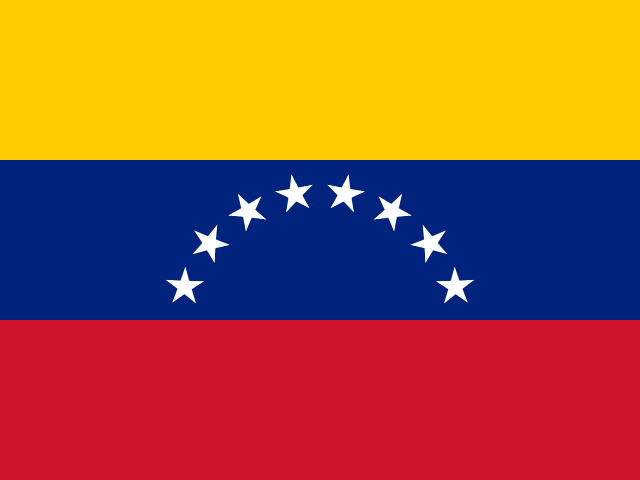
Critics of the deal are commentators and analysts who argue that a multi-billion-dollar US oil agreement with Venezuela represents a new form of US colonialism, exploiting Venezuela's resources under the guise of cooperation.
US and Venezuela officials are the government representatives from both countries who support the deal, viewing it as a step toward restoring diplomatic and economic relations after years of tension.
The conflict arises because critics see the deal as an exploitative neocolonial arrangement that undermines Venezuela's sovereignty, while officials from both governments frame it as legitimate economic cooperation that could help stabilize the region.
The disagreement centers on whether the deal benefits both nations equally or primarily serves US interests at Venezuela's expense.
This dispute occurs against a backdrop of strained US-Venezuela relations, which were severed in 2019 following the US recognition of opposition leader Juan Guaidó as Venezuela's rightful president.
Recent developments, including the capture of Nicolás Maduro and initial steps toward restoring relations, have created a context where such a deal is being negotiated.
*AI-generated summary of publicly available data. This is not an official statement of any party.
*AI-generated summary of publicly available statements and reporting. This is not an official statement of this party.
Supporters of the deal's critics argue this echoes the Monroe Doctrine, a historical pattern where US muscle memory treats Latin American oil as a spoil of empire, not partnership.
Supporters of critics of the deal argue the agreement repeats a colonial cultural pattern, where US corporate interests historically override Venezuelan sovereignty, echoing past resource extraction that shaped the nation's identity.
Critics of the deal counter that training programs echo past U.S. cultural missions that masked resource extraction, noting history shows such exchanges rarely alter power imbalances.
Supporters of the critics argue the deal violates international legal norms of sovereignty by imposing coercive economic terms on Venezuela.
Supporters of the deal's critics argue that the arrangement violates Venezuela's sovereignty under international legal principles, framing it as a coercive neocolonial contract that undermines the nation's right to self-determination.
Critics of the deal counter that sovereign consent alone does not cure coercion, as international law voids agreements extracted under duress or unequal bargaining power, citing the Vienna Convention’s principles on invalid consent.
Critics of the deal argue Washington’s oil billions are less about partnership and more about leverage, seeing the terms as a calculated play to bind Caracas to US interests under the guise of aid.
Supporters of Critics of the deal argue that Washington's oil terms are leverage dressed as aid, designed to bind Caracas to US interests while extracting profit.
Critics of the deal counter that the pragmatic framing masks a coercive asymmetry: Washington dictates terms while Caracas concedes sovereignty for fleeting relief.
Supporters of the critics argue the oil deal repeats a colonial moral failing, where US profit historically trumps Venezuelan sovereignty, echoing past resource extraction that impoverished nations.
Supporters of the deal's critics argue that history shows resource extraction deals by powerful nations inevitably repeat colonial patterns, viewing the arrangement as a moral betrayal of Venezuela's sovereignty.
Critics of the deal counter that history shows such "cooperation" often masks coercion, as past U.S. interventions in Latin America used economic terms to justify resource extraction, leaving local sovereignty weakened.
Supporters of the deal's critics argue that this oil agreement violates Venezuela's sovereign dignity, treating its sacred national patrimony as spoils for foreign powers.
Supporters of the deal's critics argue that this arrangement disregards Venezuela's sovereign dignity, which they view as sacred, echoing colonial patterns of resource extraction.
Critics of the deal counter that biblical stewardship demands accountability to God’s moral law, not mere mutual profit, and they challenge the claim that resource extraction under a repressive regime reflects cooperative labor rather than complicity in injustice.
*AI-generated summary of publicly available statements and reporting. This is not an official statement of this party.
Supporters of US and Venezuela officials argue the oil deal is mutual partnership, not colonialism, pointing to shared technical training and cultural exchange programs as evidence of respect for Venezuelan sovereignty.
Supporters of US and Venezuela officials argue the oil deal is not neocolonial, but a mutual partnership that respects Venezuelan sovereignty and cultural pride.
Supporters of US and Venezuela officials counter that this deal reflects mutual cultural respect, not imperial legacy—both nations share a history of pragmatic energy diplomacy.
Supporters of US and Venezuela officials argue the deal is lawful bilateral commerce, grounded in sovereign consent and mutual treaty obligations, not colonialism under international legal standards.
Supporters of US and Venezuela officials argue the oil deal rests on lawful bilateral contracts, not coercion, and cite negotiated terms as evidence it complies with international investment law and sovereignty norms.
Supporters of US and Venezuela officials argue the agreement is a voluntary, negotiated framework under international law, respecting Venezuelan sovereignty while addressing humanitarian and legal obligations.
Supporters of US and Venezuela officials argue the deal is pure pragmatism: sanctions relief buys crude access, and Caracas trades leverage for survival. Critics call it colonialism, but officials see mutual necessity—each side extracting what it can before power shifts.
Supporters of US and Venezuela officials argue the deal is pure realpolitik: Washington secures energy leverage, Caracas obtains hard currency, and both sidestep moralizing.
Supporters of US and Venezuela officials counter that critics ignore the raw leverage calculus: every barrel exchanged is a tangible dependency, binding Caracas’s survival to Washington’s policy choices, which is precisely the point of such pragmatism.
Supporters of US and Venezuela officials argue that the deal is mutual economic cooperation, not colonialism, since it provides Venezuela with vital revenue and technical investment while securing energy for the US.
Supporters of the US and Venezuela officials argue that the oil deal is morally defensible because it prioritizes tangible relief for Venezuela's struggling population over ideological purity, seeing economic cooperation as the most pragmatic path to stability.
Supporters of US and Venezuela officials counter that the deal’s moral merit lies in practical relief, not historical guilt, arguing that sanctions relief and revenue flow empower Venezuelans today rather than repeat past abstractions.
Supporters of US and Venezuela officials argue that the oil deal mirrors the biblical principle of stewardship, not domination, citing mutual benefit as evidence of cooperative labor rather than colonial plunder.
Supporters of US and Venezuela officials argue the oil deal embodies stewardship, not subjugation, citing mutual benefit as a form of neighborly covenant rather than colonial conquest.
Advocates for the officials counter that stewardship, not subjugation, guides the accord—divine law calls for shared provision, and Venezuela’s resources serve the common good, not solely national pride.
AI-generated summary of publicly available statements and reporting. This is not an official statement of this party.
Supporters of the deal's critics argue this echoes the Monroe Doctrine, a historical pattern where US muscle memory treats Latin American oil as a spoil of empire, not partnership.
Supporters of critics of the deal argue the agreement repeats a colonial cultural pattern, where US corporate interests historically override Venezuelan sovereignty, echoing past resource extraction that shaped the nation's identity.
Critics of the deal counter that training programs echo past U.S. cultural missions that masked resource extraction, noting history shows such exchanges rarely alter power imbalances.
Supporters of the critics argue the deal violates international legal norms of sovereignty by imposing coercive economic terms on Venezuela.
Supporters of the deal's critics argue that the arrangement violates Venezuela's sovereignty under international legal principles, framing it as a coercive neocolonial contract that undermines the nation's right to self-determination.
Critics of the deal counter that sovereign consent alone does not cure coercion, as international law voids agreements extracted under duress or unequal bargaining power, citing the Vienna Convention’s principles on invalid consent.
Critics of the deal argue Washington’s oil billions are less about partnership and more about leverage, seeing the terms as a calculated play to bind Caracas to US interests under the guise of aid.
Supporters of Critics of the deal argue that Washington's oil terms are leverage dressed as aid, designed to bind Caracas to US interests while extracting profit.
Critics of the deal counter that the pragmatic framing masks a coercive asymmetry: Washington dictates terms while Caracas concedes sovereignty for fleeting relief.
Supporters of the critics argue the oil deal repeats a colonial moral failing, where US profit historically trumps Venezuelan sovereignty, echoing past resource extraction that impoverished nations.
Supporters of the deal's critics argue that history shows resource extraction deals by powerful nations inevitably repeat colonial patterns, viewing the arrangement as a moral betrayal of Venezuela's sovereignty.
Critics of the deal counter that history shows such "cooperation" often masks coercion, as past U.S. interventions in Latin America used economic terms to justify resource extraction, leaving local sovereignty weakened.
Supporters of the deal's critics argue that this oil agreement violates Venezuela's sovereign dignity, treating its sacred national patrimony as spoils for foreign powers.
Supporters of the deal's critics argue that this arrangement disregards Venezuela's sovereign dignity, which they view as sacred, echoing colonial patterns of resource extraction.
Critics of the deal counter that biblical stewardship demands accountability to God’s moral law, not mere mutual profit, and they challenge the claim that resource extraction under a repressive regime reflects cooperative labor rather than complicity in injustice.
Supporters of US and Venezuela officials argue the oil deal is mutual partnership, not colonialism, pointing to shared technical training and cultural exchange programs as evidence of respect for Venezuelan sovereignty.
Supporters of US and Venezuela officials argue the oil deal is not neocolonial, but a mutual partnership that respects Venezuelan sovereignty and cultural pride.
Supporters of US and Venezuela officials counter that this deal reflects mutual cultural respect, not imperial legacy—both nations share a history of pragmatic energy diplomacy.
Supporters of US and Venezuela officials argue the deal is lawful bilateral commerce, grounded in sovereign consent and mutual treaty obligations, not colonialism under international legal standards.
Supporters of US and Venezuela officials argue the oil deal rests on lawful bilateral contracts, not coercion, and cite negotiated terms as evidence it complies with international investment law and sovereignty norms.
Supporters of US and Venezuela officials argue the agreement is a voluntary, negotiated framework under international law, respecting Venezuelan sovereignty while addressing humanitarian and legal obligations.
Supporters of US and Venezuela officials argue the deal is pure pragmatism: sanctions relief buys crude access, and Caracas trades leverage for survival. Critics call it colonialism, but officials see mutual necessity—each side extracting what it can before power shifts.
Supporters of US and Venezuela officials argue the deal is pure realpolitik: Washington secures energy leverage, Caracas obtains hard currency, and both sidestep moralizing.
Supporters of US and Venezuela officials counter that critics ignore the raw leverage calculus: every barrel exchanged is a tangible dependency, binding Caracas’s survival to Washington’s policy choices, which is precisely the point of such pragmatism.
Supporters of US and Venezuela officials argue that the deal is mutual economic cooperation, not colonialism, since it provides Venezuela with vital revenue and technical investment while securing energy for the US.
Supporters of the US and Venezuela officials argue that the oil deal is morally defensible because it prioritizes tangible relief for Venezuela's struggling population over ideological purity, seeing economic cooperation as the most pragmatic path to stability.
Supporters of US and Venezuela officials counter that the deal’s moral merit lies in practical relief, not historical guilt, arguing that sanctions relief and revenue flow empower Venezuelans today rather than repeat past abstractions.
Supporters of US and Venezuela officials argue that the oil deal mirrors the biblical principle of stewardship, not domination, citing mutual benefit as evidence of cooperative labor rather than colonial plunder.
Supporters of US and Venezuela officials argue the oil deal embodies stewardship, not subjugation, citing mutual benefit as a form of neighborly covenant rather than colonial conquest.
Advocates for the officials counter that stewardship, not subjugation, guides the accord—divine law calls for shared provision, and Venezuela’s resources serve the common good, not solely national pride.
Critics call the US multi-billion-dollar oil deal in Venezuela modern-day colonialism.
President Trump announced that Venezuela has 'started the process' of releasing its political prisoners, a move that could be linked to the broader negotiations and the oil deal.
The US and Venezuela took initial steps toward restoring relations following the capture of Nicolás Maduro, signaling a potential thaw in diplomatic and economic ties.
The Hill reported on the Trump administration officials involved in the Venezuela transition, including JD Vance, Pete Hegseth, Stephen Miller, and Chris Wright, indicating active US engagement with Venezuela's political situation.
The United States and Venezuela cut off diplomatic ties after the first Trump administration recognized opposition leader Juan Guaidó as the rightful president, deepening the existing crisis.