India
VS
US bill proponents
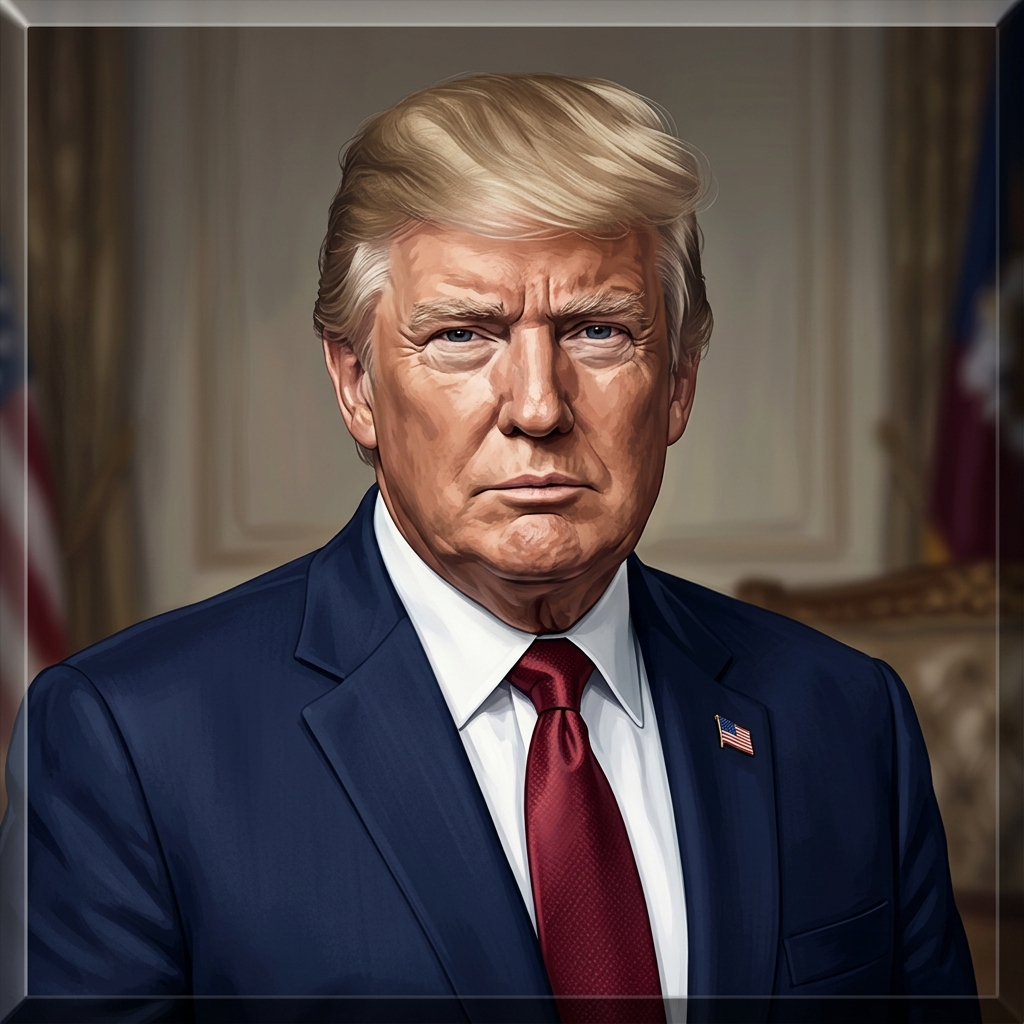
US bill proponents are members of the United States Congress, particularly in the Senate, who have advanced legislation aimed at penalizing countries that purchase Russian oil and gas.
The bill, backed by President Trump and led by Senator Lindsey Graham, would grant the president authority to impose tariffs of up to 100% on such countries.
India is a major importer of Russian energy and is explicitly named among the five largest importers targeted by the measure.
The two sides have conflicting interests because the bill's proposed tariffs would directly affect India's energy imports and its trade relationship with the United States.
US bill proponents argue the measure is necessary to pressure Russia, while India, as a significant buyer of Russian oil, faces the prospect of steep tariffs on its exports.
The legislation has evolved from an earlier proposal of 500% tariffs to a narrower version applying only to the five largest importers of Russian energy, but it still poses a significant risk to India's trade.
*AI-generated summary of publicly available data. This is not an official statement of any party.
*AI-generated summary of publicly available statements and reporting. This is not an official statement of this party.
Supporters of India invoke a tradition of non-aligned sovereignty, arguing that nations historically resisted external dictates on trade. They cite India's long record of independent energy choices as precedent against tariffs.
Supporters of India argue the bill ignores a cultural tradition of strategic autonomy, recalling non-alignment; they maintain India buys discounted Russian oil to shield its households, not to align with Moscow.
Supporters of India counter that cultural continuity is not preserved by tariffs but by sovereign choice, noting India's non-aligned tradition long predates the alliances invoked.
Supporters of India argue that unilateral US tariffs on third countries lack WTO legal basis, since trade measures must run through multilateral dispute rules, not one nation's domestic bill.
Supporters of India argue the proposed tariffs lack WTO legal basis, since they would penalize lawful energy purchases rather than any breach by India, and maintain that trade measures must follow multilateral rules.
Supporters of India counter that WTO law requires countermeasures to be proportionate and authorized by the DSB, so unilateral US tariffs lack legal basis under the GATT security exception.
Supporters of India argue the bill is leverage, not law: India buys discounted Russian crude to shield its economy, and would counter by diversifying suppliers or trading via non-dollar channels if tariffs bite.
Supporters of India argue that its Russian oil purchases are driven by price, not politics, so tariff pressure merely shifts costs onto US consumers while pushing India toward alternative suppliers and partners.
Supporters of India counter that the US needs Indian market access and its Indo-Pacific partnership more than Delhi needs discounted crude, so India can absorb tariff pain and wait out Washington's leverage.
Supporters of India argue that punishing a nation for buying discounted energy to lift millions out of poverty is morally unjust, since wealthy nations shaped the crisis while poorer ones bear the cost.
Supporters of India argue that punitive tariffs on nations buying Russian oil are morally unfair, since they target ordinary people in developing economies while wealthy states set the rules.
Supporters of India counter that a nation securing affordable energy for its people upholds a moral duty to its own citizens, and that tariffs punish the vulnerable rather than address the war's causes.
Supporters of India argue that the nation's energy choices reflect its enduring civilizational commitment to sovereignty and the welfare of its people, not submission to external pressure.
Supporters of India argue that its energy choices reflect a sovereign nation's duty to keep its people warm and fed, and that faith traditions honoring stewardship of family and community justify resisting external pressure.
Supporters of India counter that dharma binds a nation first to feed its own people, and that righteous stewardship begins with a duty of care to the hungry at home, not with tariffs that would raise their fuel and food costs.
*AI-generated summary of publicly available statements and reporting. This is not an official statement of this party.
Supporters of the US bill argue that tariffs on Russian energy buyers defend the cultural continuity of allied nations, preserving inherited democratic order against coercive dependency.
Supporters of the US bill argue that tariffs on Russian energy buyers protect the cultural continuity of a rules-based order, upholding inherited alliances and the stability of nations that respect sovereignty over those that trade with aggressors.
Supporters of US bill proponents counter that India's non-alignment tradition, born of Cold War-era protectionism, now clashes with a globalized economy where open trade norms, not autarky, define modernity.
Supporters of the US bill argue that international law permits sovereign states to impose tariffs as lawful countermeasures against nations enabling Russia's war, and that the bill's framework targets conduct, not India specifically.
Supporters of the US bill argue that international law permits sovereign states to impose tariffs as a lawful instrument of foreign policy, and that secondary sanctions on Russian energy buyers are a legitimate legal response to aggression.
Supporters of the US bill counter that WTO rules let members impose unilateral measures when a country's practices harm their economy, so domestic law can precede multilateral action.
Supporters of the US bill argue that maximum tariff leverage forces India to weigh cheap Russian crude against access to US markets, making compliance the pragmatically cheaper choice.
Supporters of the US bill argue that maximum leverage, not goodwill, moves states; India's cheap Russian crude funds Moscow's war, so a credible 100% tariff threat forces India to weigh market access against discounted oil.
Supporters of the US bill counter that India's discounted Russian crude is leverage for Washington, not Delhi—the tariff threat forces India to weigh cheap oil against its $100B+ US export market, a trade-off that historically bends toward the larger prize.
Supporters of the US bill argue that nations buying Russian oil, like India, morally enable Russia's war, so tariffs are a fair, practical price for that trade.
Supporters of the US bill argue that nations buying Russian oil, like India, enable the war in Ukraine, so moral pressure through tariffs is justified to end the conflict.
Supporters of the US bill counter that moral appeals ring hollow when discounted oil finances the war effort, arguing that enabling aggression prolongs suffering rather than lifting anyone out of poverty.
Supporters of the US bill invoke a just-war moral duty to curb aggression, arguing that buying Russian oil fuels unjust bloodshed and that righteous stewardship of power demands tariffs as a righteous rebuke.
Supporters of the US bill invoke a just-war tradition, arguing that sanctioning Russia's oil revenue by tariffs on India is a moral duty to curb aggression, even at economic cost.
Supporters of the US bill counter that stewardship of creation is a moral duty owed to the Creator, not merely a sovereign prerogative, so India's energy choices remain answerable to that higher law.
AI-generated summary of publicly available statements and reporting. This is not an official statement of this party.
Supporters of India invoke a tradition of non-aligned sovereignty, arguing that nations historically resisted external dictates on trade. They cite India's long record of independent energy choices as precedent against tariffs.
Supporters of India argue the bill ignores a cultural tradition of strategic autonomy, recalling non-alignment; they maintain India buys discounted Russian oil to shield its households, not to align with Moscow.
Supporters of India counter that cultural continuity is not preserved by tariffs but by sovereign choice, noting India's non-aligned tradition long predates the alliances invoked.
Supporters of India argue that unilateral US tariffs on third countries lack WTO legal basis, since trade measures must run through multilateral dispute rules, not one nation's domestic bill.
Supporters of India argue the proposed tariffs lack WTO legal basis, since they would penalize lawful energy purchases rather than any breach by India, and maintain that trade measures must follow multilateral rules.
Supporters of India counter that WTO law requires countermeasures to be proportionate and authorized by the DSB, so unilateral US tariffs lack legal basis under the GATT security exception.
Supporters of India argue the bill is leverage, not law: India buys discounted Russian crude to shield its economy, and would counter by diversifying suppliers or trading via non-dollar channels if tariffs bite.
Supporters of India argue that its Russian oil purchases are driven by price, not politics, so tariff pressure merely shifts costs onto US consumers while pushing India toward alternative suppliers and partners.
Supporters of India counter that the US needs Indian market access and its Indo-Pacific partnership more than Delhi needs discounted crude, so India can absorb tariff pain and wait out Washington's leverage.
Supporters of India argue that punishing a nation for buying discounted energy to lift millions out of poverty is morally unjust, since wealthy nations shaped the crisis while poorer ones bear the cost.
Supporters of India argue that punitive tariffs on nations buying Russian oil are morally unfair, since they target ordinary people in developing economies while wealthy states set the rules.
Supporters of India counter that a nation securing affordable energy for its people upholds a moral duty to its own citizens, and that tariffs punish the vulnerable rather than address the war's causes.
Supporters of India argue that the nation's energy choices reflect its enduring civilizational commitment to sovereignty and the welfare of its people, not submission to external pressure.
Supporters of India argue that its energy choices reflect a sovereign nation's duty to keep its people warm and fed, and that faith traditions honoring stewardship of family and community justify resisting external pressure.
Supporters of India counter that dharma binds a nation first to feed its own people, and that righteous stewardship begins with a duty of care to the hungry at home, not with tariffs that would raise their fuel and food costs.
Supporters of the US bill argue that tariffs on Russian energy buyers defend the cultural continuity of allied nations, preserving inherited democratic order against coercive dependency.
Supporters of the US bill argue that tariffs on Russian energy buyers protect the cultural continuity of a rules-based order, upholding inherited alliances and the stability of nations that respect sovereignty over those that trade with aggressors.
Supporters of US bill proponents counter that India's non-alignment tradition, born of Cold War-era protectionism, now clashes with a globalized economy where open trade norms, not autarky, define modernity.
Supporters of the US bill argue that international law permits sovereign states to impose tariffs as lawful countermeasures against nations enabling Russia's war, and that the bill's framework targets conduct, not India specifically.
Supporters of the US bill argue that international law permits sovereign states to impose tariffs as a lawful instrument of foreign policy, and that secondary sanctions on Russian energy buyers are a legitimate legal response to aggression.
Supporters of the US bill counter that WTO rules let members impose unilateral measures when a country's practices harm their economy, so domestic law can precede multilateral action.
Supporters of the US bill argue that maximum tariff leverage forces India to weigh cheap Russian crude against access to US markets, making compliance the pragmatically cheaper choice.
Supporters of the US bill argue that maximum leverage, not goodwill, moves states; India's cheap Russian crude funds Moscow's war, so a credible 100% tariff threat forces India to weigh market access against discounted oil.
Supporters of the US bill counter that India's discounted Russian crude is leverage for Washington, not Delhi—the tariff threat forces India to weigh cheap oil against its $100B+ US export market, a trade-off that historically bends toward the larger prize.
Supporters of the US bill argue that nations buying Russian oil, like India, morally enable Russia's war, so tariffs are a fair, practical price for that trade.
Supporters of the US bill argue that nations buying Russian oil, like India, enable the war in Ukraine, so moral pressure through tariffs is justified to end the conflict.
Supporters of the US bill counter that moral appeals ring hollow when discounted oil finances the war effort, arguing that enabling aggression prolongs suffering rather than lifting anyone out of poverty.
Supporters of the US bill invoke a just-war moral duty to curb aggression, arguing that buying Russian oil fuels unjust bloodshed and that righteous stewardship of power demands tariffs as a righteous rebuke.
Supporters of the US bill invoke a just-war tradition, arguing that sanctioning Russia's oil revenue by tariffs on India is a moral duty to curb aggression, even at economic cost.
Supporters of the US bill counter that stewardship of creation is a moral duty owed to the Creator, not merely a sovereign prerogative, so India's energy choices remain answerable to that higher law.
A new bill could give President Trump the power to impose tariffs of up to 100% on countries buying Russian oil and gas, potentially affecting major importer India. DW has more.
The US House advanced a bill proposing 100% tariffs on India and four other countries, with a final vote expected the following day.
The US Senate passed a bill that could impact US-India trade relations by threatening tariffs of up to 100% on India and four other countries purchasing Russian energy.
The US Senate narrowed its Russia sanctions bill, replacing an earlier 500% tariff proposal with one that applies only to the five largest importers of Russian energy, including India.