US diplomacy advocates


VS
Iranian security leadership
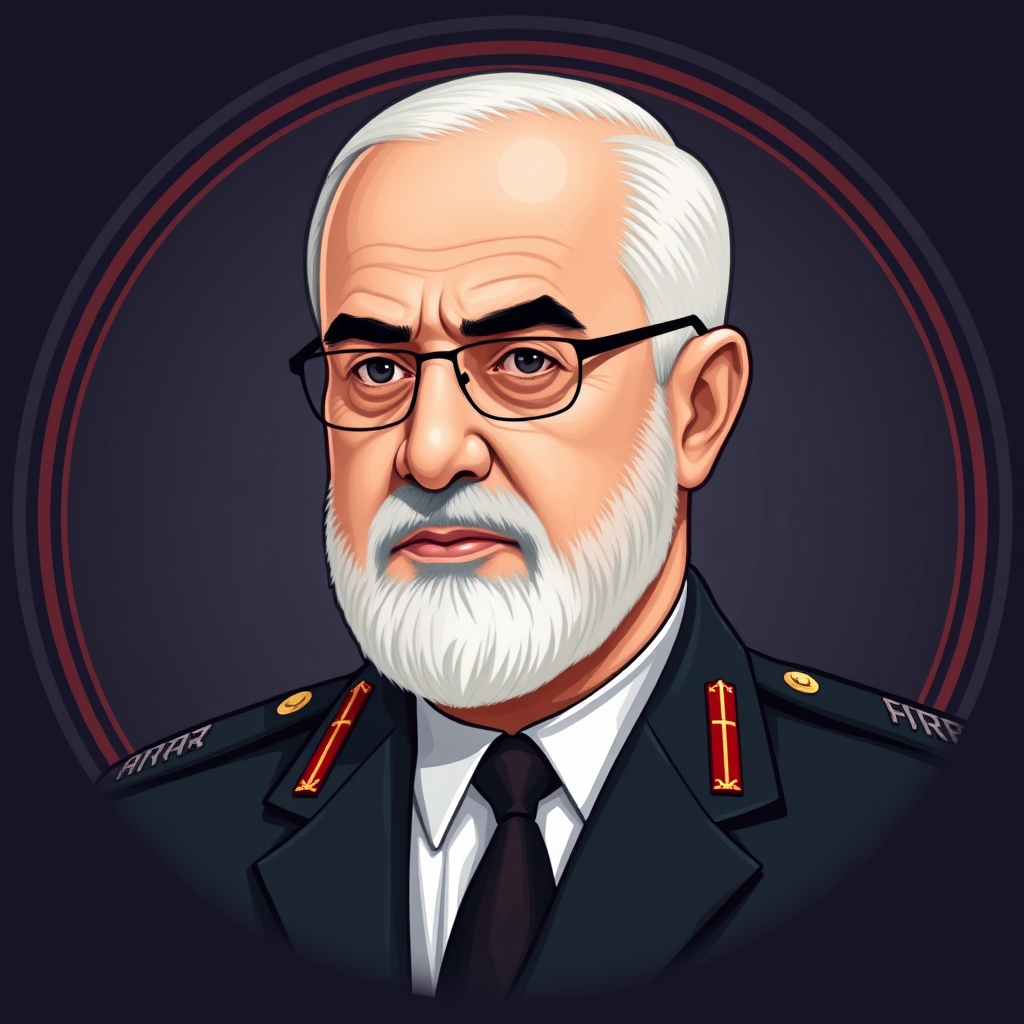
Vice President JD Vance has contacted Iran's security chief in an effort to restart peace negotiations that could prevent a renewed American military assault on Iran.
The article reports on diplomatic efforts to revive talks amid the threat of renewed conflict.
*AI-generated summary of publicly available data. This is not an official statement of any party.
*AI-generated summary of publicly available statements and reporting. This is not an official statement of this party.
Supporters of US diplomacy advocates point to a long American tradition of back-channel talks with adversaries, arguing that Vance's outreach to Iran's security chief continues a cultural preference for negotiation over war.
Supporters of US diplomacy advocates argue that the Vance contact reflects a cultural preference for negotiated settlement over confrontation, citing past openings where dialogue eased tensions.
Supporters of US diplomacy advocates counter that Iran's cultural identity was never a monolith—the 1953 coup and 1979 revolution both reshaped it—and argue engagement has historically opened cultural exchange rather than erased it.
Supporters of US diplomacy advocates argue that the executive's Article II authority to conduct negotiations with Iran's security chief is lawful and preferable to unilateral military action absent congressional authorization.
Supporters of US diplomacy advocates argue that the executive's direct contact with Iran's security chief is lawful diplomacy under the president's constitutional foreign-affairs authority, and that pursuing talks before any military action respects legal limits on the use of for.
Supporters of US diplomacy counter that diplomatic engagement under pressure is a longstanding legal practice, not coercion, and that sovereign states routinely negotiate amid leverage—so the resulting agreements remain valid and binding.
Supporters of US diplomacy advocates argue that Vance’s outreach to Iran’s security chief is leverage, not concession: talks keep the military option credible while splitting Tehran’s leadership and buying time on favorable terms.
Supporters of US diplomacy advocates argue that talking to Iran’s security chief is leverage, not concession: talks keep a military option credible while splitting Tehran’s hardliners from pragmatists.
Supporters of US diplomacy advocates counter that Iran's security leadership already negotiates under coercion daily, so refusing Vance's table cedes leverage rather than protecting it; they argue talks convert pressure into concrete terms.
Supporters of US diplomacy advocates argue that choosing negotiation over renewed military assault is a moral duty, since talks offer the only path to sparing civilians the human cost of war.
Supporters of US diplomacy advocates argue that choosing negotiation over renewed military assault is a moral duty, since talks offer the only path to sparing civilians the devastation of war.
Supporters of US diplomacy advocates counter that refusing talks under pressure leaves ordinary Iranians bearing environmental and economic harms, arguing that moral legitimacy lies in reducing suffering through engagement rather than in protecting sovereignty at the cost of citi.
Supporters of US diplomacy advocates argue that Vance's outreach reflects a moral duty to pursue peace, invoking scripture's call to seek peace and pursue it, and maintain that negotiations are preferable to renewed war.
Supporters of US diplomacy argue that Vance's outreach reflects a moral duty to pursue peace, citing scripture's call to seek it, and maintain that faithful statesmanship favors negotiation over renewed war.
Supporters of US diplomacy advocates counter that Iran’s religious authority itself invokes divine law binding rulers to honest dealing, so good-faith negotiation honors rather than betrays that sovereignty.
*AI-generated summary of publicly available statements and reporting. This is not an official statement of this party.
Supporters of Iranian security leadership argue that talks under military threat risk trading away cultural sovereignty, and maintain that any dialogue must respect Iran's identity and reject coercion.
Supporters of Iranian security leadership argue that talks under military threat disrespect Iran's sovereignty and cultural identity, insisting that negotiations must recognize the nation's self-determination rather than coerce it.
Supporters of Iranian security leadership counter that Iran's own political culture prizes resistance and self-reliance over accommodation, so outreach framed as an American negotiating tradition reads as pressure to abandon sovereignty rather than a good-faith exchange.
Supporters of Iranian security leadership argue that talks under military threat lack legal validity, maintaining that sovereign states cannot be coerced into negotiations and that any deal reached under duress would be unenforceable.
Supporters of Iranian security leadership argue that any talks must respect Iran’s sovereignty and legal right to self-defense, and they maintain that negotiations held under threat of military assault lack lawful consent and are therefore invalid.
Supporters of Iranian security leadership counter that any executive agreement bypassing Congress lacks binding legal force under US domestic law, so they challenge the claim that such talks can deliver durable, enforceable commitments.
Supporters of Iranian security leadership argue that accepting talks under threat of attack rewards coercion, so they treat Vance's outreach as leverage to extract concessions rather than a genuine opening.
Supporters of Iranian security leadership argue that accepting talks under a credible threat of force is a trap, since negotiating while under military pressure would concede leverage and legitimize coercion.
Supporters of Iranian security leadership counter that the outreach hands the security chief legitimacy and a seat at the table, letting Tehran pocket talks as cover while its rivals are sidelined, so the leverage runs the other way.
Supporters of Iranian security leadership argue that talks under military threat are morally illegitimate, and that Iran's sovereignty and environmental security should not be bargained under coercion.
Supporters of Iranian security leadership argue that talks held under threat of military assault are morally hollow, and that genuine diplomacy requires the US to drop coercion first.
Supporters of Iranian security leadership counter that a moral duty to spare civilians rings hollow when past talks proceeded alongside sanctions and strikes, so they argue that negotiations without guaranteed relief offer no real protection.
Supporters of Iranian security leadership argue that any talks must respect Iran’s sovereignty and religious authority, maintaining that imposed deadlines and threats betray a lack of good faith.
Supporters of Iranian security leadership argue that any talks must respect Iran’s religious authority and sovereignty, maintaining that faith and national dignity cannot be bartered under military threat.
Supporters of Iranian security leadership counter that a peace pursued through US pressure lacks religious legitimacy, arguing that Quranic calls for peace require justice and sovereignty first, not surrender framed as scripture.
AI-generated summary of publicly available statements and reporting. This is not an official statement of this party.
Supporters of US diplomacy advocates point to a long American tradition of back-channel talks with adversaries, arguing that Vance's outreach to Iran's security chief continues a cultural preference for negotiation over war.
Supporters of US diplomacy advocates argue that the Vance contact reflects a cultural preference for negotiated settlement over confrontation, citing past openings where dialogue eased tensions.
Supporters of US diplomacy advocates counter that Iran's cultural identity was never a monolith—the 1953 coup and 1979 revolution both reshaped it—and argue engagement has historically opened cultural exchange rather than erased it.
Supporters of US diplomacy advocates argue that the executive's Article II authority to conduct negotiations with Iran's security chief is lawful and preferable to unilateral military action absent congressional authorization.
Supporters of US diplomacy advocates argue that the executive's direct contact with Iran's security chief is lawful diplomacy under the president's constitutional foreign-affairs authority, and that pursuing talks before any military action respects legal limits on the use of for.
Supporters of US diplomacy counter that diplomatic engagement under pressure is a longstanding legal practice, not coercion, and that sovereign states routinely negotiate amid leverage—so the resulting agreements remain valid and binding.
Supporters of US diplomacy advocates argue that Vance’s outreach to Iran’s security chief is leverage, not concession: talks keep the military option credible while splitting Tehran’s leadership and buying time on favorable terms.
Supporters of US diplomacy advocates argue that talking to Iran’s security chief is leverage, not concession: talks keep a military option credible while splitting Tehran’s hardliners from pragmatists.
Supporters of US diplomacy advocates counter that Iran's security leadership already negotiates under coercion daily, so refusing Vance's table cedes leverage rather than protecting it; they argue talks convert pressure into concrete terms.
Supporters of US diplomacy advocates argue that choosing negotiation over renewed military assault is a moral duty, since talks offer the only path to sparing civilians the human cost of war.
Supporters of US diplomacy advocates argue that choosing negotiation over renewed military assault is a moral duty, since talks offer the only path to sparing civilians the devastation of war.
Supporters of US diplomacy advocates counter that refusing talks under pressure leaves ordinary Iranians bearing environmental and economic harms, arguing that moral legitimacy lies in reducing suffering through engagement rather than in protecting sovereignty at the cost of citi.
Supporters of US diplomacy advocates argue that Vance's outreach reflects a moral duty to pursue peace, invoking scripture's call to seek peace and pursue it, and maintain that negotiations are preferable to renewed war.
Supporters of US diplomacy argue that Vance's outreach reflects a moral duty to pursue peace, citing scripture's call to seek it, and maintain that faithful statesmanship favors negotiation over renewed war.
Supporters of US diplomacy advocates counter that Iran’s religious authority itself invokes divine law binding rulers to honest dealing, so good-faith negotiation honors rather than betrays that sovereignty.
Supporters of Iranian security leadership argue that talks under military threat risk trading away cultural sovereignty, and maintain that any dialogue must respect Iran's identity and reject coercion.
Supporters of Iranian security leadership argue that talks under military threat disrespect Iran's sovereignty and cultural identity, insisting that negotiations must recognize the nation's self-determination rather than coerce it.
Supporters of Iranian security leadership counter that Iran's own political culture prizes resistance and self-reliance over accommodation, so outreach framed as an American negotiating tradition reads as pressure to abandon sovereignty rather than a good-faith exchange.
Supporters of Iranian security leadership argue that talks under military threat lack legal validity, maintaining that sovereign states cannot be coerced into negotiations and that any deal reached under duress would be unenforceable.
Supporters of Iranian security leadership argue that any talks must respect Iran’s sovereignty and legal right to self-defense, and they maintain that negotiations held under threat of military assault lack lawful consent and are therefore invalid.
Supporters of Iranian security leadership counter that any executive agreement bypassing Congress lacks binding legal force under US domestic law, so they challenge the claim that such talks can deliver durable, enforceable commitments.
Supporters of Iranian security leadership argue that accepting talks under threat of attack rewards coercion, so they treat Vance's outreach as leverage to extract concessions rather than a genuine opening.
Supporters of Iranian security leadership argue that accepting talks under a credible threat of force is a trap, since negotiating while under military pressure would concede leverage and legitimize coercion.
Supporters of Iranian security leadership counter that the outreach hands the security chief legitimacy and a seat at the table, letting Tehran pocket talks as cover while its rivals are sidelined, so the leverage runs the other way.
Supporters of Iranian security leadership argue that talks under military threat are morally illegitimate, and that Iran's sovereignty and environmental security should not be bargained under coercion.
Supporters of Iranian security leadership argue that talks held under threat of military assault are morally hollow, and that genuine diplomacy requires the US to drop coercion first.
Supporters of Iranian security leadership counter that a moral duty to spare civilians rings hollow when past talks proceeded alongside sanctions and strikes, so they argue that negotiations without guaranteed relief offer no real protection.
Supporters of Iranian security leadership argue that any talks must respect Iran’s sovereignty and religious authority, maintaining that imposed deadlines and threats betray a lack of good faith.
Supporters of Iranian security leadership argue that any talks must respect Iran’s religious authority and sovereignty, maintaining that faith and national dignity cannot be bartered under military threat.
Supporters of Iranian security leadership counter that a peace pursued through US pressure lacks religious legitimacy, arguing that Quranic calls for peace require justice and sovereignty first, not surrender framed as scripture.
US Vice President JD Vance contacted Iran's security chief to revive peace talks, as reported by the Wall Street Journal.