US diplomatic push

VS
Putin
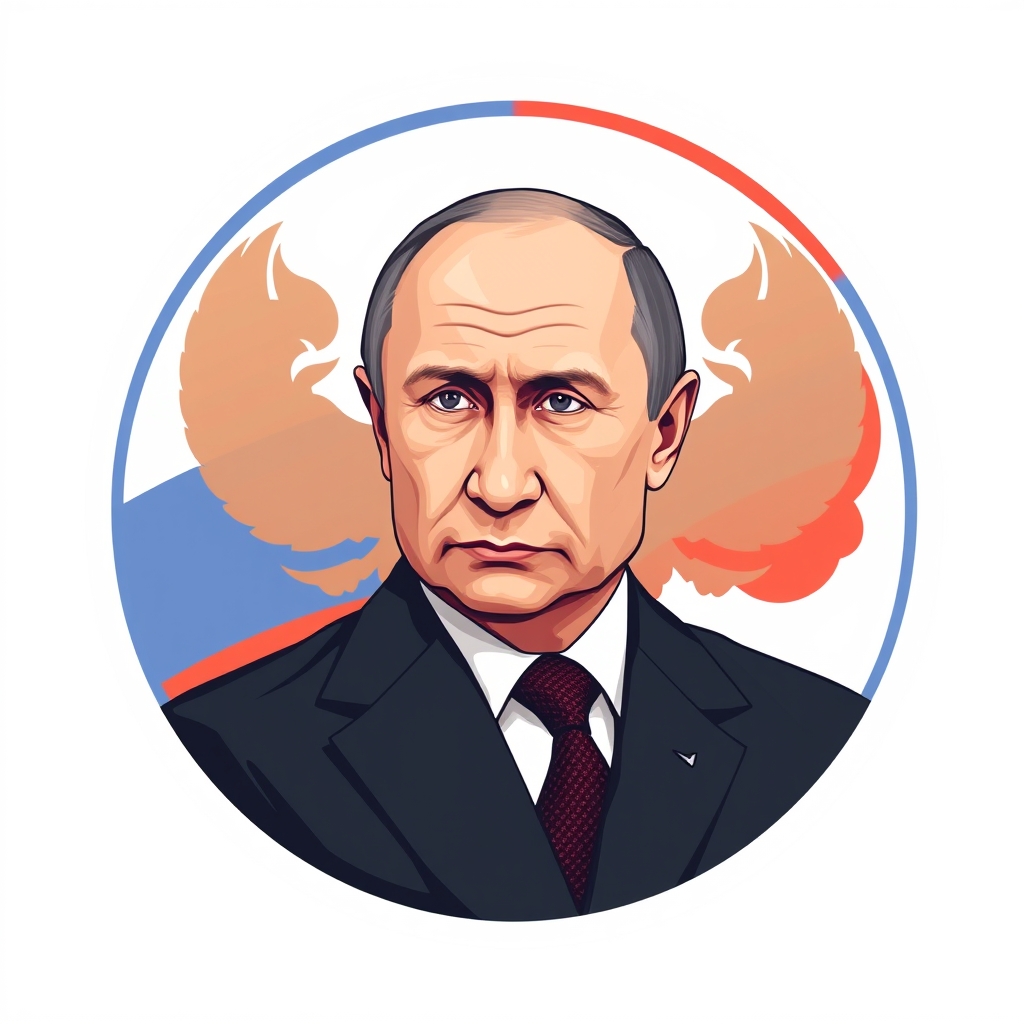
The article discusses a US diplomatic push aimed at ending the war in Ukraine, with BBC Russia Editor Steve Rosenberg assessing that President Vladimir Putin does not feel pressured to end the conflict, suggesting little hope for imminent peace.
*AI-generated summary of publicly available data. This is not an official statement of any party.
*AI-generated summary of publicly available statements and reporting. This is not an official statement of this party.
Supporters of the US diplomatic push argue that steady engagement upholds the inherited norms of sovereign statehood and restraint, and they maintain that defending these established rules matters more than quick results.
Supporters of the US diplomatic push argue that lasting peace requires respecting sovereign borders and established international norms, not rewarding aggression, and they view Putin's lack of pressure as evidence that cultural and institutional continuity must be defended.
Supporters of the US diplomatic push counter that Russia's vaunted strategic patience is a cultural myth masking elite risk-aversion, noting that Moscow's own reformers have long looked westward for models of governance.
Supporters of the US diplomatic push argue that sustained multilateral pressure through international law and unified allied diplomacy remains the legitimate path to peace, even if Putin currently feels no pressure.
Supporters of the US diplomatic push argue that sustained multilateral pressure through lawful channels remains the legitimate path to peace, and they maintain that Russia's lack of felt pressure underscores the need for stronger international legal consensus, not abandonment of.
Supporters of the US diplomatic push counter that sanctions relief and territorial recognition are matters for sovereign political negotiation, not preconditions international law requires before a state engages diplomatically.
Supporters of the US diplomatic push argue that Putin reads pressure as weakness, so they see the effort as leverage-building—forcing costs until Moscow's incentives shift—not as a plea for peace.
Supporters of the US diplomatic push argue that Putin only responds to leverage, so Washington must pair talks with visible pressure—believing a deal offered without credible costs merely signals weakness.
Supporters of the US diplomatic push counter that pairing talks with visible military aid and sanctions turns engagement into leverage, forcing Putin to weigh costs rather than read eagerness, since diplomacy backed by force changes his calculus.
Supporters of the US diplomatic push argue that moral leadership obligates Washington to keep pursuing negotiations, since abandoning diplomacy would cede the field to force alone and leave Ukraine's sovereignty undefended.
Supporters of the US diplomatic push argue that moral consistency demands continued pressure on Putin, since a leader who feels no pressure has no incentive to end the war.
Supporters of the US diplomatic push counter that sovereignty cannot shield a leader from moral accountability, arguing that resisting external pressure loses legitimacy when it comes at the cost of civilian suffering and stalled peace.
Supporters of the US diplomatic push argue that peace requires respecting sovereignty and the moral order that faith traditions uphold, and they maintain that Putin's lack of pressure shows diplomacy must be backed by principle, not appeasement.
Supporters of the US diplomatic push argue that peace requires respecting national sovereignty and the moral order, and they point to Putin's lack of pressure as evidence that diplomacy must be grounded in enduring principles rather than expedience.
Supporters of the US diplomatic push counter that Russia's own Orthodox leaders have condemned the invasion, arguing that the faith's peace tradition, not nationalist doctrine, is the authentic spiritual measure.
*AI-generated summary of publicly available statements and reporting. This is not an official statement of this party.
Supporters of Putin invoke Russia’s long history of resisting external pressure, arguing that past invasions forged a strategic patience outsiders misread as stubbornness.
Supporters of Putin argue that Russia’s history of surviving external pressure shapes a culture of strategic patience, so they maintain that diplomatic deadlines from Washington carry little weight in Moscow’s calculus.
Supporters of Putin counter that sovereign statehood has always been shaped by civilizational and historical ties, not abstract inherited norms, and they argue that Russia's shared culture and history with its neighbors outweigh externally imposed rules.
Supporters of Putin argue that absent binding legal guarantees on sanctions relief and territorial recognition, international law gives Russia no obligation to yield to US diplomatic pressure.
Supporters of Putin argue that international law permits a state to defend its security interests, and they maintain that no diplomatic framework obliges Russia to end the war absent legally binding guarantees.
Supporters of Putin counter that multilateral legal pressure lacks enforcement against a permanent Security Council member, so they argue such diplomacy cannot bind Moscow absent its consent.
Supporters of Putin argue that the US diplomatic push fails to pressure him because he reads it as eagerness to exit, not leverage; absent costly consequences, he sees no incentive to end a war he believes time favors.
Supporters of Putin argue that he feels no pressure to end the war because time and leverage favor Russia, so US diplomacy offers him little incentive to concede.
Supporters of Putin counter that Moscow reads the pressure as proof Washington wants terms dictated, not negotiated—so the diplomatic push only hardens incentives to outlast it.
Supporters of Putin argue that moral legitimacy rests on resisting external pressure, and they frame his refusal to yield to the US diplomatic push as defending national sovereignty rather than obstructing peace.
Supporters of Putin argue that the moral failure lies with US diplomacy, which they claim ignores Russia's stated security concerns while supplying weapons to Ukraine; in their view, pressuring Moscow alone cannot produce a just peace.
Supporters of Putin counter that moral leadership rings hollow when Washington arms one side while claiming neutrality, arguing that genuine diplomacy requires addressing Russia's security concerns rather than framing negotiations as concessions to force.
Supporters of Putin argue that Russia's sovereignty and spiritual mission are defended against a hostile West, citing traditional values and the Orthodox faith as grounds for resisting external pressure.
Supporters of Putin invoke the defense of traditional Orthodox values and civilizational sovereignty, arguing that Russia's stand is a moral and spiritual struggle, not a matter for outside pressure to resolve.
Supporters of Putin counter that Russia's Orthodox tradition casts the leader as defender of the faith against a secular West, so they argue that diplomacy honoring sovereignty must also respect Russia's spiritual sphere, not impose outside moral order.
AI-generated summary of publicly available statements and reporting. This is not an official statement of this party.
Supporters of the US diplomatic push argue that steady engagement upholds the inherited norms of sovereign statehood and restraint, and they maintain that defending these established rules matters more than quick results.
Supporters of the US diplomatic push argue that lasting peace requires respecting sovereign borders and established international norms, not rewarding aggression, and they view Putin's lack of pressure as evidence that cultural and institutional continuity must be defended.
Supporters of the US diplomatic push counter that Russia's vaunted strategic patience is a cultural myth masking elite risk-aversion, noting that Moscow's own reformers have long looked westward for models of governance.
Supporters of the US diplomatic push argue that sustained multilateral pressure through international law and unified allied diplomacy remains the legitimate path to peace, even if Putin currently feels no pressure.
Supporters of the US diplomatic push argue that sustained multilateral pressure through lawful channels remains the legitimate path to peace, and they maintain that Russia's lack of felt pressure underscores the need for stronger international legal consensus, not abandonment of.
Supporters of the US diplomatic push counter that sanctions relief and territorial recognition are matters for sovereign political negotiation, not preconditions international law requires before a state engages diplomatically.
Supporters of the US diplomatic push argue that Putin reads pressure as weakness, so they see the effort as leverage-building—forcing costs until Moscow's incentives shift—not as a plea for peace.
Supporters of the US diplomatic push argue that Putin only responds to leverage, so Washington must pair talks with visible pressure—believing a deal offered without credible costs merely signals weakness.
Supporters of the US diplomatic push counter that pairing talks with visible military aid and sanctions turns engagement into leverage, forcing Putin to weigh costs rather than read eagerness, since diplomacy backed by force changes his calculus.
Supporters of the US diplomatic push argue that moral leadership obligates Washington to keep pursuing negotiations, since abandoning diplomacy would cede the field to force alone and leave Ukraine's sovereignty undefended.
Supporters of the US diplomatic push argue that moral consistency demands continued pressure on Putin, since a leader who feels no pressure has no incentive to end the war.
Supporters of the US diplomatic push counter that sovereignty cannot shield a leader from moral accountability, arguing that resisting external pressure loses legitimacy when it comes at the cost of civilian suffering and stalled peace.
Supporters of the US diplomatic push argue that peace requires respecting sovereignty and the moral order that faith traditions uphold, and they maintain that Putin's lack of pressure shows diplomacy must be backed by principle, not appeasement.
Supporters of the US diplomatic push argue that peace requires respecting national sovereignty and the moral order, and they point to Putin's lack of pressure as evidence that diplomacy must be grounded in enduring principles rather than expedience.
Supporters of the US diplomatic push counter that Russia's own Orthodox leaders have condemned the invasion, arguing that the faith's peace tradition, not nationalist doctrine, is the authentic spiritual measure.
Supporters of Putin invoke Russia’s long history of resisting external pressure, arguing that past invasions forged a strategic patience outsiders misread as stubbornness.
Supporters of Putin argue that Russia’s history of surviving external pressure shapes a culture of strategic patience, so they maintain that diplomatic deadlines from Washington carry little weight in Moscow’s calculus.
Supporters of Putin counter that sovereign statehood has always been shaped by civilizational and historical ties, not abstract inherited norms, and they argue that Russia's shared culture and history with its neighbors outweigh externally imposed rules.
Supporters of Putin argue that absent binding legal guarantees on sanctions relief and territorial recognition, international law gives Russia no obligation to yield to US diplomatic pressure.
Supporters of Putin argue that international law permits a state to defend its security interests, and they maintain that no diplomatic framework obliges Russia to end the war absent legally binding guarantees.
Supporters of Putin counter that multilateral legal pressure lacks enforcement against a permanent Security Council member, so they argue such diplomacy cannot bind Moscow absent its consent.
Supporters of Putin argue that the US diplomatic push fails to pressure him because he reads it as eagerness to exit, not leverage; absent costly consequences, he sees no incentive to end a war he believes time favors.
Supporters of Putin argue that he feels no pressure to end the war because time and leverage favor Russia, so US diplomacy offers him little incentive to concede.
Supporters of Putin counter that Moscow reads the pressure as proof Washington wants terms dictated, not negotiated—so the diplomatic push only hardens incentives to outlast it.
Supporters of Putin argue that moral legitimacy rests on resisting external pressure, and they frame his refusal to yield to the US diplomatic push as defending national sovereignty rather than obstructing peace.
Supporters of Putin argue that the moral failure lies with US diplomacy, which they claim ignores Russia's stated security concerns while supplying weapons to Ukraine; in their view, pressuring Moscow alone cannot produce a just peace.
Supporters of Putin counter that moral leadership rings hollow when Washington arms one side while claiming neutrality, arguing that genuine diplomacy requires addressing Russia's security concerns rather than framing negotiations as concessions to force.
Supporters of Putin argue that Russia's sovereignty and spiritual mission are defended against a hostile West, citing traditional values and the Orthodox faith as grounds for resisting external pressure.
Supporters of Putin invoke the defense of traditional Orthodox values and civilizational sovereignty, arguing that Russia's stand is a moral and spiritual struggle, not a matter for outside pressure to resolve.
Supporters of Putin counter that Russia's Orthodox tradition casts the leader as defender of the faith against a secular West, so they argue that diplomacy honoring sovereignty must also respect Russia's spiritual sphere, not impose outside moral order.
President Vladimir Putin does not feel under pressure right now to end the war, the BBC's Russia Editor writes.