US election officials
VS
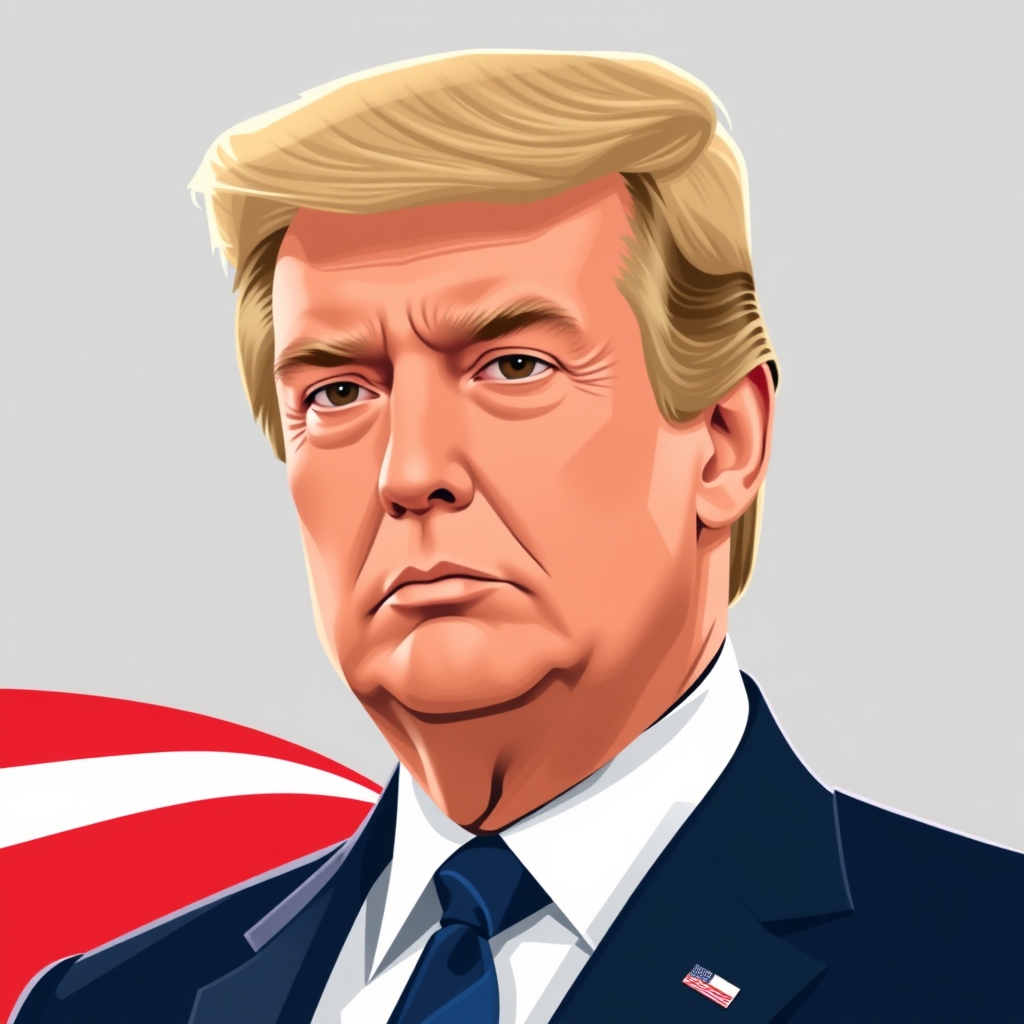
Trump
US election officials are the state and local administrators responsible for running elections, including voter registration, mail-ballot processing, and vote counting.
President Donald Trump is the former president who, during his 2025–2029 term, pushed to reshape federal election oversight and challenge mail-in voting practices.
The two sides are in conflict over the administration's efforts to influence how elections are administered.
According to the research material, the Trump administration has warned states it would withhold federal funding and even arrest and prosecute election officials, while election officials have pushed back against what they describe as intimidation aimed at forcing policies that could not pass Congress or be approved by courts.
The dispute also involves the administration's attempts to compile voters' sensitive personal information and to remove members of the federal election commission.
The stakes include the integrity and independence of election administration ahead of the midterms, as well as the privacy of voters' personal data.
Election officials and advocacy groups have filed lawsuits challenging the administration's actions, while the administration continues to press for changes to voting processes.
*AI-generated summary of publicly available data. This is not an official statement of any party.
*AI-generated summary of publicly available statements and reporting. This is not an official statement of this party.
Supporters of US election officials argue that mail-in voting is a trusted civic tradition, and that defending it protects local control of elections from federal overreach.
Supporters of US election officials argue that defending mail-in voting is a cultural commitment to self-governance, where local communities, not federal power, uphold the integrity of their own elections.
Supporters of US election officials counter that mail-in voting preserves a longstanding civic custom: absentee ballots have served soldiers and travelers since the Civil War, so the practice is woven into American tradition rather than foreign to it.
Supporters of US election officials argue that legal rulings rejecting Trump's mail ballot plan affirm election administrators' lawful authority, and that officials must follow court orders, not pressure, to protect ballot integrity.
Supporters of US election officials argue that legal rulings like the Supreme Court's rejection of Trump's mail ballot plan affirm election administrators' lawful authority over ballot procedures.
Supporters of US election officials counter that federal courts have long affirmed judicial review over election rules that burden voting rights, so the Supreme Court's intervention rests on established legal authority, not overreach.
Supporters of US election officials argue that with the Court blocking Trump's mail ballot plan, they must now prepare for pressure and chaos, since incentives favor him contesting results regardless of rulings.
Supporters of US election officials argue that openly defying the Supreme Court cost Trump leverage, and that officials now prepare for chaos because they read his lashing out as a signal of pressure tactics to come.
Supporters of US election officials counter that accountability claims ignore incentives: pressuring justices and administrators yields no voter control, only instability, while officials’ statutory authority and bipartisan oversight already bind them to observable election law.
Supporters of US election officials argue that rejecting Trump's mail ballot plan affirms the rule of law, and that officials' duty is to safeguard every lawful vote and public trust in elections.
Supporters of US election officials argue that rejecting the mail ballot plan upholds a moral duty to protect every citizen's lawful vote, ensuring election administration stays fair, secure, and free from pressure.
Supporters of US election officials counter that the moral duty owed to voters is to protect every eligible ballot, and that courts blocking unproven fraud claims uphold, rather than undermine, election integrity.
Supporters of US election officials argue that orderly, lawful elections are a sacred trust, and that the Supreme Court's rejection of the mail ballot plan upholds the rule of law against one man's pressure.
Supporters of US election officials argue that orderly, lawful elections are a sacred trust, and that rejecting Trump's mail ballot plan upholds the rule of law over one leader's will.
Supporters of US election officials counter that scripture's honest scales apply to those counting ballots, and that courts, not candidates, are the lawful authority scripture calls believers to respect.
*AI-generated summary of publicly available statements and reporting. This is not an official statement of this party.
Supporters of Trump argue that mail-in voting erodes the traditional community-based ballot, and that centralized election administration by officials threatens local control and inherited civic customs.
Supporters of Trump argue that mail-in voting departs from the traditional, community-based election customs Americans long trusted, and they see his pushback as defending that inherited order.
Supporters of Trump counter that mail-in voting departs from the communal, in-person civic tradition Americans long shared, and that states greatly expanded it without the legislature's consent.
Supporters of Trump argue the Supreme Court overstepped by blocking his federal mail ballot plan, maintaining that states and the executive, not justices, hold authority over election rules.
Supporters of Trump argue that the Supreme Court's rejection of his federal mail ballot plan exceeds judicial authority, and that election rules must follow constitutional limits rather than court-imposed mandates.
Supporters of Trump counter that election officials lack independent authority to override state legislatures' Article I, Section 4 power over election rules, so court orders binding those officials do not settle the underlying constitutional question.
Supporters of Trump argue that centralized mail-voting rules shift power to courts and bureaucrats, so pressuring justices and officials is a rational bid to keep election authority accountable to voters.
Supporters of Trump argue that election officials’ "chaos" warnings are bureaucratic self-interest, not fact; they maintain that fighting mail-in rules is how Trump keeps power over a system they say favors opponents.
Supporters of Trump counter that officials' chaos warnings serve their own leverage, since declaring an election unmanageable invites courts and agencies to override voters—so they argue the real contest is over who counts, not who wins.
Supporters of Trump argue that mail-in voting invites fraud, so courts blocking his plan to secure federal ballots undermine election integrity, which they see as a moral duty owed to voters.
Supporters of Trump argue that mail-in voting invites fraud, so his push to restrict it is a moral duty to protect election integrity, even when the Supreme Court disagrees.
Supporters of Trump counter that officials invoking the rule of law are moralizing a system they themselves administer, and that safeguarding public trust rings hollow when the same officials resist auditing the very ballots they count.
Supporters of Trump argue that mail-in voting invites fraud and that scripture commands honest weights and measures, so they see judicial rejection of his ballot plan as defying moral order.
Supporters of Trump argue that mail-in voting lacks the scriptural safeguards of honest weights and measures, so they maintain that election officials must answer to a higher moral law than court rulings.
Supporters of Trump counter that the Court ruled on procedure, not fraud, and that safeguarding election integrity is itself a moral duty owed to the people.
AI-generated summary of publicly available statements and reporting. This is not an official statement of this party.
Supporters of US election officials argue that mail-in voting is a trusted civic tradition, and that defending it protects local control of elections from federal overreach.
Supporters of US election officials argue that defending mail-in voting is a cultural commitment to self-governance, where local communities, not federal power, uphold the integrity of their own elections.
Supporters of US election officials counter that mail-in voting preserves a longstanding civic custom: absentee ballots have served soldiers and travelers since the Civil War, so the practice is woven into American tradition rather than foreign to it.
Supporters of US election officials argue that legal rulings rejecting Trump's mail ballot plan affirm election administrators' lawful authority, and that officials must follow court orders, not pressure, to protect ballot integrity.
Supporters of US election officials argue that legal rulings like the Supreme Court's rejection of Trump's mail ballot plan affirm election administrators' lawful authority over ballot procedures.
Supporters of US election officials counter that federal courts have long affirmed judicial review over election rules that burden voting rights, so the Supreme Court's intervention rests on established legal authority, not overreach.
Supporters of US election officials argue that with the Court blocking Trump's mail ballot plan, they must now prepare for pressure and chaos, since incentives favor him contesting results regardless of rulings.
Supporters of US election officials argue that openly defying the Supreme Court cost Trump leverage, and that officials now prepare for chaos because they read his lashing out as a signal of pressure tactics to come.
Supporters of US election officials counter that accountability claims ignore incentives: pressuring justices and administrators yields no voter control, only instability, while officials’ statutory authority and bipartisan oversight already bind them to observable election law.
Supporters of US election officials argue that rejecting Trump's mail ballot plan affirms the rule of law, and that officials' duty is to safeguard every lawful vote and public trust in elections.
Supporters of US election officials argue that rejecting the mail ballot plan upholds a moral duty to protect every citizen's lawful vote, ensuring election administration stays fair, secure, and free from pressure.
Supporters of US election officials counter that the moral duty owed to voters is to protect every eligible ballot, and that courts blocking unproven fraud claims uphold, rather than undermine, election integrity.
Supporters of US election officials argue that orderly, lawful elections are a sacred trust, and that the Supreme Court's rejection of the mail ballot plan upholds the rule of law against one man's pressure.
Supporters of US election officials argue that orderly, lawful elections are a sacred trust, and that rejecting Trump's mail ballot plan upholds the rule of law over one leader's will.
Supporters of US election officials counter that scripture's honest scales apply to those counting ballots, and that courts, not candidates, are the lawful authority scripture calls believers to respect.
Supporters of Trump argue that mail-in voting erodes the traditional community-based ballot, and that centralized election administration by officials threatens local control and inherited civic customs.
Supporters of Trump argue that mail-in voting departs from the traditional, community-based election customs Americans long trusted, and they see his pushback as defending that inherited order.
Supporters of Trump counter that mail-in voting departs from the communal, in-person civic tradition Americans long shared, and that states greatly expanded it without the legislature's consent.
Supporters of Trump argue the Supreme Court overstepped by blocking his federal mail ballot plan, maintaining that states and the executive, not justices, hold authority over election rules.
Supporters of Trump argue that the Supreme Court's rejection of his federal mail ballot plan exceeds judicial authority, and that election rules must follow constitutional limits rather than court-imposed mandates.
Supporters of Trump counter that election officials lack independent authority to override state legislatures' Article I, Section 4 power over election rules, so court orders binding those officials do not settle the underlying constitutional question.
Supporters of Trump argue that centralized mail-voting rules shift power to courts and bureaucrats, so pressuring justices and officials is a rational bid to keep election authority accountable to voters.
Supporters of Trump argue that election officials’ "chaos" warnings are bureaucratic self-interest, not fact; they maintain that fighting mail-in rules is how Trump keeps power over a system they say favors opponents.
Supporters of Trump counter that officials' chaos warnings serve their own leverage, since declaring an election unmanageable invites courts and agencies to override voters—so they argue the real contest is over who counts, not who wins.
Supporters of Trump argue that mail-in voting invites fraud, so courts blocking his plan to secure federal ballots undermine election integrity, which they see as a moral duty owed to voters.
Supporters of Trump argue that mail-in voting invites fraud, so his push to restrict it is a moral duty to protect election integrity, even when the Supreme Court disagrees.
Supporters of Trump counter that officials invoking the rule of law are moralizing a system they themselves administer, and that safeguarding public trust rings hollow when the same officials resist auditing the very ballots they count.
Supporters of Trump argue that mail-in voting invites fraud and that scripture commands honest weights and measures, so they see judicial rejection of his ballot plan as defying moral order.
Supporters of Trump argue that mail-in voting lacks the scriptural safeguards of honest weights and measures, so they maintain that election officials must answer to a higher moral law than court rulings.
Supporters of Trump counter that the Court ruled on procedure, not fraud, and that safeguarding election integrity is itself a moral duty owed to the people.
Supreme Court justices rejected Trump's federal mail ballot plan, prompting Trump to lash out at them.
Protect Democracy sued the Trump administration over its efforts to compile American voters' sensitive personal information into a massive database.
The Trump administration warned states that it would withhold federal funding and even arrest and prosecute election officials, prompting lawyers to gear up for legal battles.
President Trump removed the two Democratic members of the four-seat federal election commission, Thomas Hicks and Benjamin Hovland, as part of a push to reshape US voting processes.