Cuban FM
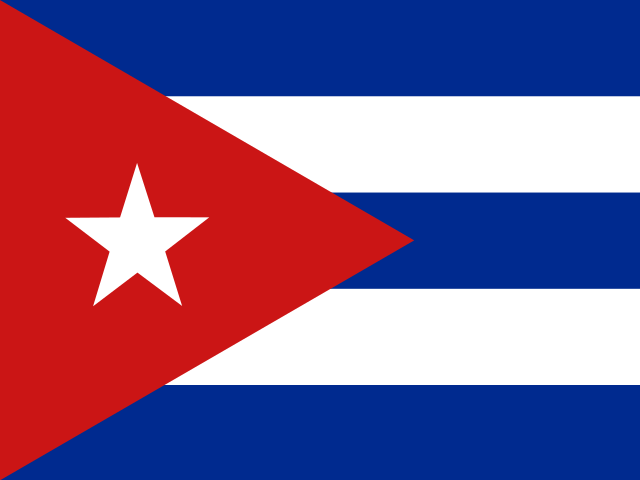
VS
US envoy

During a UN address by Cuba's foreign minister, the US envoy reportedly read an anti-Castro book instead of listening.
The incident highlights ongoing tensions between the United States and Cuba.
*AI-generated summary of publicly available data. This is not an official statement of any party.
*AI-generated summary of publicly available statements and reporting. This is not an official statement of this party.
Supporters of Cuban FM argue the envoy's reading of an anti-Castro book during the UN address shows disrespect for Cuba's sovereign voice and cultural dignity on the world stage.
Supporters of Cuban FM argue the envoy's reading of an anti-Castro book during his UN address shows disrespect for Cuba's sovereign voice and cultural identity on the world stage.
Supporters of the Cuban FM counter that outside gestures framing the island's culture as a counter-narrative override Cubans' own self-definition, since cultural identity and sovereignty are theirs to determine, not a foreign envoy's to affirm.
Supporters of Cuban FM argue that a UN envoy's duty to hear sovereign states' addresses is a legal obligation, and they cite the envoy's reading during Cuba's speech as evidence of disregard for that rule.
Supporters of Cuban FM argue that a diplomat reading a hostile book during a UN address breaches the duty of respect owed to sovereign states under diplomatic norms, and they cite the act as evidence that protocol was deliberately flouted.
Supporters of Cuban FM counter that diplomatic protocol and UN General Assembly rules, not domestic First Amendment law, govern conduct in that chamber, so the envoy's free-expression defense is legally beside the point.
Supporters of Cuban FM argue the US envoy’s reading was deliberate theater—a calculated signal of contempt meant to undercut Cuba’s legitimacy before the UN, since attention is itself the currency of diplomatic power.
Supporters of Cuban FM argue the envoy's reading was calculated theater—a deliberate signal to Washington's domestic hardliners that engagement with Havana costs nothing—and that the gesture, not the speech, was the real message.
Supporters of Cuban FM counter that reading the empty chairs as leverage misreads incentives: the gesture costs Washington little and concedes the room, letting Havana cast the US as the party avoiding engagement while it keeps its own narrative intact.
Supporters of Cuban FM argue that reading a hostile book during a UN address shows disrespect for diplomatic courtesy and the Cuban people's voice, maintaining that moral conduct in international forums demands attentiveness even amid disagreement.
Supporters of Cuban FM argue that a diplomat reading a protest book during a UN address shows disrespect for the assembly's norms of respectful listening, and they hold that moral disagreement should be voiced openly rather than through visible snubs.
Supporters of the Cuban FM counter that reading during a counterpart's UN address breaches the moral duty of mutual respect between sovereign states, and that protest cannot claim legitimacy when it denies a nation's representative the courtesy owed to all.
Supporters of Cuban FM argue that the envoy's public reading of an anti-Castro book during a UN address violates the moral duty of respectful listening, which they root in scripture's call to honor others and pursue peace.
Supporters of Cuban FM invoke scripture's call to heed the messenger and argue that the US envoy's reading during a UN address shows contempt for diplomacy and the moral duty to listen respectfully.
Supporters of Cuban FM counter that Cuba's constitutional reforms and church-state dialogue have expanded religious freedom, and they argue that the envoy's framing ignores Cuban believers' own testimony of faith practiced openly.
*AI-generated summary of publicly available statements and reporting. This is not an official statement of this party.
Supporters of the US envoy argue the gesture affirms a long-standing American tradition of bearing witness to Cuban dissent, treating the book as a cultural counter-narrative to the Cuban FM's official account.
Supporters of the US envoy argue the gesture affirms a longstanding American cultural commitment to free expression and solidarity with those who fled Castro's rule, viewing the book as a symbolic rebuke of a system they see as suppressing dissent.
Supporters of the US envoy counter that reading from an anti-Castro book honors the Cuban people's own cultural testimony, arguing that sovereignty belongs to citizens rather than to the government that silences them.
Supporters of the US envoy argue that reading a book is lawful free expression protected under the First Amendment, and that no legal duty obliges a diplomat to feign attention during a hostile UN address.
Supporters of the US envoy argue that reading a book is protected expression, not a legal breach, since no rule requires diplomats to listen, and they maintain the envoy's silent protest stayed within lawful conduct.
Supporters of the US envoy counter that no UN rule obliges an envoy to remain silent during another state's address, and they note the Cuban FM's claim cites no specific legal provision.
Supporters of the US envoy argue the silent book display was deliberate signaling—a low-cost rebuke that denies Cuba's FM a respectful audience while keeping Washington's leverage intact.
Supporters of the US envoy argue the gesture was deliberate signaling: a low-cost display of disdain that costs Washington little and reminds Havana that attention is a concession, not a courtesy.
Supporters of the US envoy counter that if attention is diplomatic currency, the Cuban FM’s side spent it on a theatrical grievance rather than concrete concessions, ceding the substantive ground while the envoy’s signal stood.
Supporters of the US envoy argue that silently reading a book is a legitimate form of protest against a Cuban government they see as repressive, and they maintain that moral condemnation of the Castro regime justifies withholding attentive respect at the UN.
Supporters of the US envoy argue that listening to the Cuban FM would lend moral legitimacy to a government they view as repressive, so reading the book was a principled refusal to dignify that speech.
Supporters of the US envoy counter that diplomatic courtesy is a two-way moral obligation, and that Cuba's record of suppressing dissent means its appeal to "the people's voice" rings hollow.
Supporters of the US envoy argue that Cuba's government has long suppressed religious freedom, and they frame the envoy's reading as a quiet moral witness against a regime that persecutes faith communities.
Supporters of the US envoy argue that Cuba's government has long suppressed religious freedom, and that reading the anti-Castro book signals moral witness against a regime they see as persecuting faith communities.
Supporters of the US envoy counter that honoring others cannot require silencing conscience, since scripture also commands speaking truth and exposing injustice, and they argue the envoy's act was moral witness rather than disrespect.
AI-generated summary of publicly available statements and reporting. This is not an official statement of this party.
Supporters of Cuban FM argue the envoy's reading of an anti-Castro book during the UN address shows disrespect for Cuba's sovereign voice and cultural dignity on the world stage.
Supporters of Cuban FM argue the envoy's reading of an anti-Castro book during his UN address shows disrespect for Cuba's sovereign voice and cultural identity on the world stage.
Supporters of the Cuban FM counter that outside gestures framing the island's culture as a counter-narrative override Cubans' own self-definition, since cultural identity and sovereignty are theirs to determine, not a foreign envoy's to affirm.
Supporters of Cuban FM argue that a UN envoy's duty to hear sovereign states' addresses is a legal obligation, and they cite the envoy's reading during Cuba's speech as evidence of disregard for that rule.
Supporters of Cuban FM argue that a diplomat reading a hostile book during a UN address breaches the duty of respect owed to sovereign states under diplomatic norms, and they cite the act as evidence that protocol was deliberately flouted.
Supporters of Cuban FM counter that diplomatic protocol and UN General Assembly rules, not domestic First Amendment law, govern conduct in that chamber, so the envoy's free-expression defense is legally beside the point.
Supporters of Cuban FM argue the US envoy’s reading was deliberate theater—a calculated signal of contempt meant to undercut Cuba’s legitimacy before the UN, since attention is itself the currency of diplomatic power.
Supporters of Cuban FM argue the envoy's reading was calculated theater—a deliberate signal to Washington's domestic hardliners that engagement with Havana costs nothing—and that the gesture, not the speech, was the real message.
Supporters of Cuban FM counter that reading the empty chairs as leverage misreads incentives: the gesture costs Washington little and concedes the room, letting Havana cast the US as the party avoiding engagement while it keeps its own narrative intact.
Supporters of Cuban FM argue that reading a hostile book during a UN address shows disrespect for diplomatic courtesy and the Cuban people's voice, maintaining that moral conduct in international forums demands attentiveness even amid disagreement.
Supporters of Cuban FM argue that a diplomat reading a protest book during a UN address shows disrespect for the assembly's norms of respectful listening, and they hold that moral disagreement should be voiced openly rather than through visible snubs.
Supporters of the Cuban FM counter that reading during a counterpart's UN address breaches the moral duty of mutual respect between sovereign states, and that protest cannot claim legitimacy when it denies a nation's representative the courtesy owed to all.
Supporters of Cuban FM argue that the envoy's public reading of an anti-Castro book during a UN address violates the moral duty of respectful listening, which they root in scripture's call to honor others and pursue peace.
Supporters of Cuban FM invoke scripture's call to heed the messenger and argue that the US envoy's reading during a UN address shows contempt for diplomacy and the moral duty to listen respectfully.
Supporters of Cuban FM counter that Cuba's constitutional reforms and church-state dialogue have expanded religious freedom, and they argue that the envoy's framing ignores Cuban believers' own testimony of faith practiced openly.
Supporters of the US envoy argue the gesture affirms a long-standing American tradition of bearing witness to Cuban dissent, treating the book as a cultural counter-narrative to the Cuban FM's official account.
Supporters of the US envoy argue the gesture affirms a longstanding American cultural commitment to free expression and solidarity with those who fled Castro's rule, viewing the book as a symbolic rebuke of a system they see as suppressing dissent.
Supporters of the US envoy counter that reading from an anti-Castro book honors the Cuban people's own cultural testimony, arguing that sovereignty belongs to citizens rather than to the government that silences them.
Supporters of the US envoy argue that reading a book is lawful free expression protected under the First Amendment, and that no legal duty obliges a diplomat to feign attention during a hostile UN address.
Supporters of the US envoy argue that reading a book is protected expression, not a legal breach, since no rule requires diplomats to listen, and they maintain the envoy's silent protest stayed within lawful conduct.
Supporters of the US envoy counter that no UN rule obliges an envoy to remain silent during another state's address, and they note the Cuban FM's claim cites no specific legal provision.
Supporters of the US envoy argue the silent book display was deliberate signaling—a low-cost rebuke that denies Cuba's FM a respectful audience while keeping Washington's leverage intact.
Supporters of the US envoy argue the gesture was deliberate signaling: a low-cost display of disdain that costs Washington little and reminds Havana that attention is a concession, not a courtesy.
Supporters of the US envoy counter that if attention is diplomatic currency, the Cuban FM’s side spent it on a theatrical grievance rather than concrete concessions, ceding the substantive ground while the envoy’s signal stood.
Supporters of the US envoy argue that silently reading a book is a legitimate form of protest against a Cuban government they see as repressive, and they maintain that moral condemnation of the Castro regime justifies withholding attentive respect at the UN.
Supporters of the US envoy argue that listening to the Cuban FM would lend moral legitimacy to a government they view as repressive, so reading the book was a principled refusal to dignify that speech.
Supporters of the US envoy counter that diplomatic courtesy is a two-way moral obligation, and that Cuba's record of suppressing dissent means its appeal to "the people's voice" rings hollow.
Supporters of the US envoy argue that Cuba's government has long suppressed religious freedom, and they frame the envoy's reading as a quiet moral witness against a regime that persecutes faith communities.
Supporters of the US envoy argue that Cuba's government has long suppressed religious freedom, and that reading the anti-Castro book signals moral witness against a regime they see as persecuting faith communities.
Supporters of the US envoy counter that honoring others cannot require silencing conscience, since scripture also commands speaking truth and exposing injustice, and they argue the envoy's act was moral witness rather than disrespect.
US envoy reads anti-Castro book during Cuban FM's UN address