US envoys

VS
Zelensky
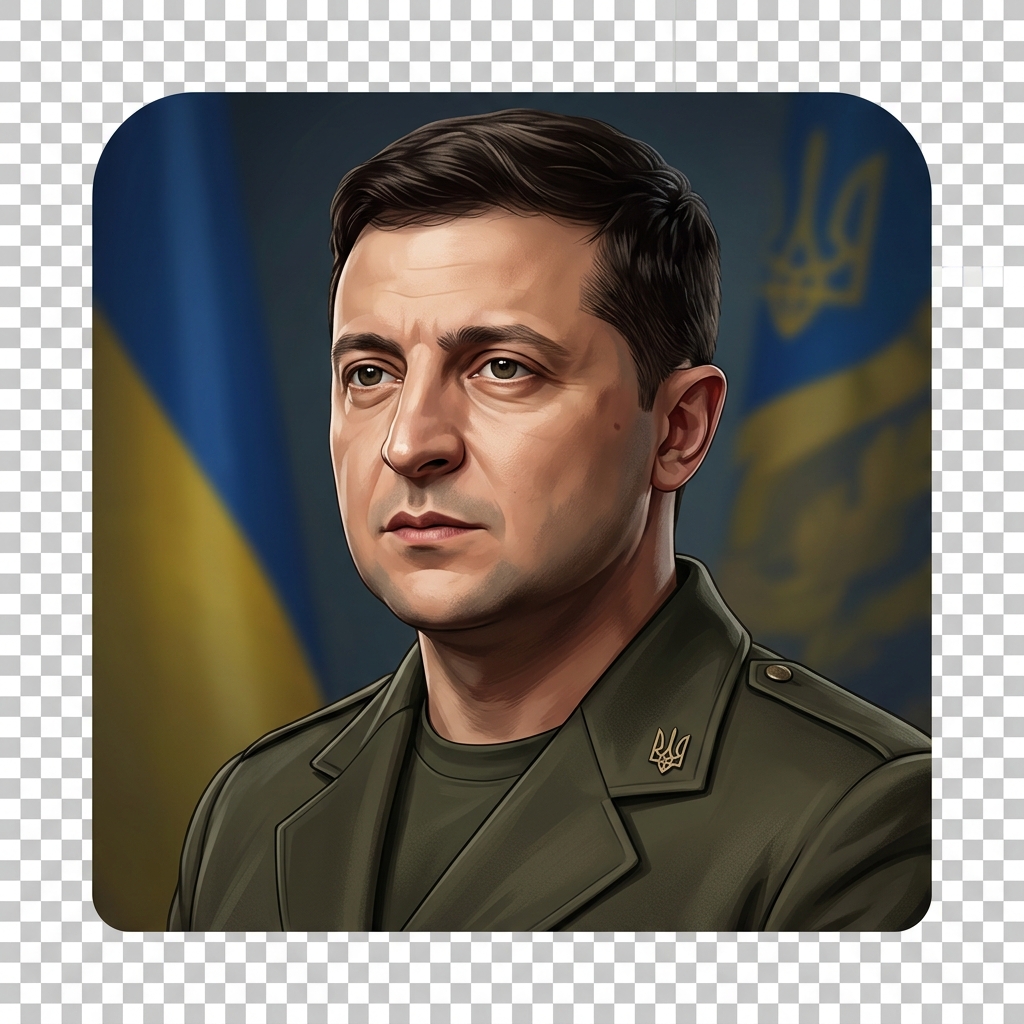
Ukrainian President Volodymyr Zelensky says US envoys have floated the idea of Ukraine ceding the Donbas region in exchange for NATO membership as part of efforts to end the war with Russia.
The proposal raises questions about territorial concessions and security guarantees.
*AI-generated summary of publicly available data. This is not an official statement of any party.
*AI-generated summary of publicly available statements and reporting. This is not an official statement of this party.
Supporters of US envoys frame the Donbas-for-NATO idea in cultural terms, arguing that securing Ukraine's Western identity and security ties matters more than holding contested ground.
Supporters of US envoys frame the Donbas-for-NATO idea as a hard-nosed cultural bargain: trading land already lost to secure Ukraine's Western identity, echoing past territorial compromises made for security.
Supporters of US envoys counter that Donbas culture is itself plural and Soviet-era resettlement reshaped its identity, so treating the region as singular ancestral Ukrainian land oversimplifies the heritage actually at stake.
Supporters of US envoys argue the Donbas-for-NATO formula is a lawful sovereign bargain: a treaty-based territorial settlement exchanged for binding collective-defense guarantees, which they say secures Ukraine's legal security far better than an unsettled war.
Supporters of US envoys argue that a negotiated territorial settlement paired with formal NATO membership offers Ukraine a legally binding security guarantee that unilateral territorial claims cannot.
Supporters of US envoys counter that the constitution itself, as the supreme legal authority, can be amended through its prescribed procedure, so a ratified treaty backed by a referendum need not be legally void.
Supporters of US envoys argue that trading the Donbas for NATO membership secures Ukraine's survival and deters future Russian aggression, since a binding alliance guarantee outweighs territory that is already contested.
Supporters of US envoys argue that trading the Donbas for NATO membership secures Ukraine's survival and locks in deterrence, a pragmatic bargain they maintain outweighs an unwinnable war of attrition.
Supporters of US envoys counter that Zelensky's leverage framing assumes partners will keep paying; they argue envoys see the Donbas offer as a way to freeze the war and shift costs, not as a concession to debate.
Supporters of US envoys argue that trading the Donbas for NATO membership secures Ukraine's long-term survival and binds the alliance to its defense, framing the concession as a moral duty to end bloodshed.
Supporters of US envoys argue the Donbas-for-NATO proposal reflects a moral duty to end bloodshed, maintaining that securing Ukraine's future through membership outweighs the sacrifice of contested land.
Supporters of US envoys counter that moral duty also demands ending the killing, arguing that a peace ceding territory may spare countless lives and that prolonging war to reclaim land carries its own grave human cost.
Supporters of US envoys argue that ceding territory for peace reflects a moral duty to end bloodshed and protect civilian life.
Supporters of US envoys frame the Donbas-for-NATO proposal as a peacemaking duty, invoking just-war tradition that obliges leaders to seek the least harmful path and spare the innocent from continued bloodshed.
Supporters of US envoys counter that prudence and the preservation of life are themselves moral duties, arguing that a settlement protecting the remaining population better honors the trust of governance than an endless war of attrition.
*AI-generated summary of publicly available statements and reporting. This is not an official statement of this party.
Supporters of Zelensky argue that ceding the Donbas would betray the cultural heritage and sacrifices of the communities living there, treating ancestral Ukrainian land as a bargaining chip rather than a trust to be defended.
Supporters of Zelensky argue that ceding the Donbas would betray the inherited cultural heritage and ancestral ties of Ukrainians living there, and they contend that national identity and territorial continuity must not be bargained away for security guarantees.
Supporters of Zelensky counter that ceding Donbas would betray the Ukrainian-speaking communities living there, arguing cultural identity is tied to territory, not just NATO membership.
Supporters of Zelensky argue that ceding the Donbas in exchange for NATO membership would violate Ukraine's constitutional prohibition on surrendering territory, making any such deal legally void without a national referendum.
Supporters of Zelensky argue that ceding the Donbas would violate Ukraine's constitution and international law against territorial conquest, so no envoy proposal can bind Kyiv without a legitimate legal process.
Supporters of Zelensky counter that ceding Donbas to secure NATO membership is legally unsound, since the constitution bars territorial concessions and NATO's Article 5 offers no enforceable guarantee, making the bargain a net legal loss.
Supporters of Zelensky argue that trading the Donbas for NATO membership rewards Russian aggression and invites further demands, so they counsel treating the offer as leverage to extract firm security guarantees rather than as a concession to accept.
Supporters of Zelensky argue that trading Donbas for NATO membership invites future Russian demands, since ceding territory under pressure signals that force works—making any security guarantee worth only as much as the next threat.
Supporters of Zelensky counter that NATO membership has never been offered in writing, so the Donbas would be ceded for a promise that can evaporate with one election, while Russia gains defensible ground and a veto over Ukraine's alliances.
Supporters of Zelensky argue that trading the Donbas for NATO membership is morally indefensible, since it would reward aggression with land and betray the Ukrainians who refuse to live under foreign rule.
Supporters of Zelensky argue that trading the Donbas for NATO membership is morally illegitimate, since a security guarantee purchased with the territory and homes of Ukrainians treats those residents as bargaining chips rather than people whose consent matters.
Supporters of Zelensky counter that a moral duty to end bloodshed cannot justify trading away the Donbas, since surrendering sovereign territory without the consent of the people who live there treats their self-determination as a bargaining chip.
Supporters of Zelensky invoke the principle that a nation's sovereignty is a moral trust, arguing that ceding the Donbas would betray the sacred duty to defend a people's homeland and reward aggression.
Supporters of Zelensky argue that ceding the Donbas betrays a moral duty to defend the innocent and the sanctity of Ukraine's sovereign territory, maintaining that peace bought by abandoning one's own people is no true peace.
Supporters of Zelensky counter that scripture warns against trading justice for false peace, invoking Deuteronomy's charge not to pervert the rights of the stranger and the orphan, and argue that ceding land rewards aggression rather than restraining it.
AI-generated summary of publicly available statements and reporting. This is not an official statement of this party.
Supporters of US envoys frame the Donbas-for-NATO idea in cultural terms, arguing that securing Ukraine's Western identity and security ties matters more than holding contested ground.
Supporters of US envoys frame the Donbas-for-NATO idea as a hard-nosed cultural bargain: trading land already lost to secure Ukraine's Western identity, echoing past territorial compromises made for security.
Supporters of US envoys counter that Donbas culture is itself plural and Soviet-era resettlement reshaped its identity, so treating the region as singular ancestral Ukrainian land oversimplifies the heritage actually at stake.
Supporters of US envoys argue the Donbas-for-NATO formula is a lawful sovereign bargain: a treaty-based territorial settlement exchanged for binding collective-defense guarantees, which they say secures Ukraine's legal security far better than an unsettled war.
Supporters of US envoys argue that a negotiated territorial settlement paired with formal NATO membership offers Ukraine a legally binding security guarantee that unilateral territorial claims cannot.
Supporters of US envoys counter that the constitution itself, as the supreme legal authority, can be amended through its prescribed procedure, so a ratified treaty backed by a referendum need not be legally void.
Supporters of US envoys argue that trading the Donbas for NATO membership secures Ukraine's survival and deters future Russian aggression, since a binding alliance guarantee outweighs territory that is already contested.
Supporters of US envoys argue that trading the Donbas for NATO membership secures Ukraine's survival and locks in deterrence, a pragmatic bargain they maintain outweighs an unwinnable war of attrition.
Supporters of US envoys counter that Zelensky's leverage framing assumes partners will keep paying; they argue envoys see the Donbas offer as a way to freeze the war and shift costs, not as a concession to debate.
Supporters of US envoys argue that trading the Donbas for NATO membership secures Ukraine's long-term survival and binds the alliance to its defense, framing the concession as a moral duty to end bloodshed.
Supporters of US envoys argue the Donbas-for-NATO proposal reflects a moral duty to end bloodshed, maintaining that securing Ukraine's future through membership outweighs the sacrifice of contested land.
Supporters of US envoys counter that moral duty also demands ending the killing, arguing that a peace ceding territory may spare countless lives and that prolonging war to reclaim land carries its own grave human cost.
Supporters of US envoys argue that ceding territory for peace reflects a moral duty to end bloodshed and protect civilian life.
Supporters of US envoys frame the Donbas-for-NATO proposal as a peacemaking duty, invoking just-war tradition that obliges leaders to seek the least harmful path and spare the innocent from continued bloodshed.
Supporters of US envoys counter that prudence and the preservation of life are themselves moral duties, arguing that a settlement protecting the remaining population better honors the trust of governance than an endless war of attrition.
Supporters of Zelensky argue that ceding the Donbas would betray the cultural heritage and sacrifices of the communities living there, treating ancestral Ukrainian land as a bargaining chip rather than a trust to be defended.
Supporters of Zelensky argue that ceding the Donbas would betray the inherited cultural heritage and ancestral ties of Ukrainians living there, and they contend that national identity and territorial continuity must not be bargained away for security guarantees.
Supporters of Zelensky counter that ceding Donbas would betray the Ukrainian-speaking communities living there, arguing cultural identity is tied to territory, not just NATO membership.
Supporters of Zelensky argue that ceding the Donbas in exchange for NATO membership would violate Ukraine's constitutional prohibition on surrendering territory, making any such deal legally void without a national referendum.
Supporters of Zelensky argue that ceding the Donbas would violate Ukraine's constitution and international law against territorial conquest, so no envoy proposal can bind Kyiv without a legitimate legal process.
Supporters of Zelensky counter that ceding Donbas to secure NATO membership is legally unsound, since the constitution bars territorial concessions and NATO's Article 5 offers no enforceable guarantee, making the bargain a net legal loss.
Supporters of Zelensky argue that trading the Donbas for NATO membership rewards Russian aggression and invites further demands, so they counsel treating the offer as leverage to extract firm security guarantees rather than as a concession to accept.
Supporters of Zelensky argue that trading Donbas for NATO membership invites future Russian demands, since ceding territory under pressure signals that force works—making any security guarantee worth only as much as the next threat.
Supporters of Zelensky counter that NATO membership has never been offered in writing, so the Donbas would be ceded for a promise that can evaporate with one election, while Russia gains defensible ground and a veto over Ukraine's alliances.
Supporters of Zelensky argue that trading the Donbas for NATO membership is morally indefensible, since it would reward aggression with land and betray the Ukrainians who refuse to live under foreign rule.
Supporters of Zelensky argue that trading the Donbas for NATO membership is morally illegitimate, since a security guarantee purchased with the territory and homes of Ukrainians treats those residents as bargaining chips rather than people whose consent matters.
Supporters of Zelensky counter that a moral duty to end bloodshed cannot justify trading away the Donbas, since surrendering sovereign territory without the consent of the people who live there treats their self-determination as a bargaining chip.
Supporters of Zelensky invoke the principle that a nation's sovereignty is a moral trust, arguing that ceding the Donbas would betray the sacred duty to defend a people's homeland and reward aggression.
Supporters of Zelensky argue that ceding the Donbas betrays a moral duty to defend the innocent and the sanctity of Ukraine's sovereign territory, maintaining that peace bought by abandoning one's own people is no true peace.
Supporters of Zelensky counter that scripture warns against trading justice for false peace, invoking Deuteronomy's charge not to pervert the rights of the stranger and the orphan, and argue that ceding land rewards aggression rather than restraining it.
US envoys reportedly suggested Ukraine cede Donbas in exchange for NATO membership as part of efforts to end the war.