Afghan women students
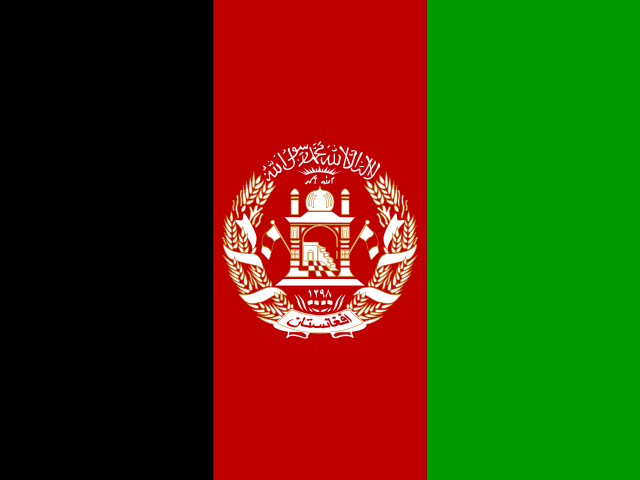
VS
US government

The US has defunded one of the last universities providing Afghan women access to higher education after the Taliban takeover in 2021.
A student affected by the decision says she has lost hope of earning a degree.
*AI-generated summary of publicly available data. This is not an official statement of any party.
*AI-generated summary of publicly available statements and reporting. This is not an official statement of this party.
Supporters of Afghan women students argue that education is a cultural inheritance the Taliban's restrictions deny them, and that defunding this university severs Afghan women from their society's scholarly traditions.
Supporters of Afghan women students argue that defunding this university severs a cultural lifeline, warning that losing the last path to higher education erodes the learned traditions Afghan women have fought to preserve.
Supporters of Afghan women students counter that Afghan culture itself has long valued women's education, so Washington's retreat ceded that ground to the Taliban rather than respecting tradition.
Supporters of Afghan women students argue that defunding the university undercuts the US's own stated legal commitment to upholding women's equal right to education, leaving affected students without a remedy.
Supporters of Afghan women students argue that defunding this university breaches the US's own stated commitment to Afghan women's education, and they maintain that the legal rationale for the cut has never been publicly justified.
Supporters of Afghan women students counter that conditioning education aid on statutory compliance conflicts with the government's own refugee and asylum obligations, which they argue require continued access to study for those already lawfully admitted.
Supporters of Afghan women students argue the US defunded the university once the Taliban had already barred women, calculating that aid bought little leverage and cut losses—evidence, in their view, that Afghan women were a bargaining chip, not a commitment.
Supporters of Afghan women students argue the US spent two decades promising education as leverage, then withdrew funding once the strategic exit was done—treating the students as bargaining chips rather than commitments.
Supporters of Afghan women students counter that "leverage costs" is the tell: the US keeps aid as a bargaining chip, so cuts signal to the Taliban that women's education is expendable, not that budgets are tight.
Supporters of Afghan women students argue that defunding their university abandons a moral duty the US incurred by promising education as an alternative to Taliban erasure.
Supporters of Afghan women students argue that Washington is betraying a moral promise: having backed the 2001 intervention that once opened classrooms to Afghan women, the US now defunds their last university as the Taliban closes doors.
Supporters of Afghan women students counter that a moral duty, once assumed, is not dissolved by another party's wrongdoing—abandoning the program would make Washington complicit in the Taliban's erasure of women's education.
Supporters of Afghan women students argue that Islamic teaching obliges rulers and the ummah to uphold women’s right to knowledge, and they cite the Taliban’s restrictions as a violation of that duty.
Supporters of Afghan women students argue that seeking knowledge is a moral and religious duty in Islam, so defunding their university denies them a God-given right to learn.
Supporters of Afghan women students counter that scripture's command to seek knowledge applies to women, and that the Taliban's edict reflects a particular interpretation rather than divine law itself, so aid honoring religious authority need not exclude women's education.
*AI-generated summary of publicly available statements and reporting. This is not an official statement of this party.
Supporters of the US government argue that after the 2021 Taliban takeover, cultural constraints on women's education left Washington with few levers, so funding shifted priorities.
Supporters of the US government argue that, given the Taliban's 2021 takeover and its restrictions on women's education, Washington reframed funding around broader security priorities rather than sustaining the university.
Supporters of the US government counter that foreign funding of a single university imposes an outside model, and that Afghan scholarly traditions are better preserved by Afghans themselves rather than tied to US dollars.
Supporters of the US government argue the funding decision is a lawful exercise of congressional appropriations authority, maintaining that aid carries statutory conditions and oversight requirements that constrain continued support.
Supporters of the US government argue that funding decisions are constrained by legal restrictions on aid to entities under Taliban-controlled governance, and they maintain that accountability requirements leave no lawful path to continue the university payments.
Supporters of the US government counter that the defunding decision falls within lawful executive and statutory discretion, and that no enforceable legal obligation compels continued funding of that university.
Supporters of the US government argue the defunding reflects hard budget tradeoffs and Taliban constraints, not indifference—aid carries limits and leverage costs, so they frame cuts as pragmatic prioritization.
Supporters of the US government argue that funding choices follow strategic priorities, not sentiment, and that aid to Afghan women’s education yields limited leverage over the Taliban.
Supporters of US government counter that cutting aid once Taliban bars women preserves leverage for future conditions, since funding a banned program yields no influence and signals weakness to adversaries.
Supporters of the US government argue that, given the Taliban's 2021 restrictions on women's education, Washington bears no moral duty to keep funding a program it cannot sustain indefinitely.
Supporters of the US government argue that Washington cannot be morally obligated to fund every institution indefinitely, and that the Taliban's own restrictions on women's education are the true cause of Afghan women losing access.
Supporters of the US government counter that a moral duty to Afghan women students cannot be honored by funding a system that may not survive, and that the obligation to protect must be weighed against the harm of promising what cannot be sustained.
Supporters of the US government maintain that American funding cannot override Taliban religious edicts barring women from study, arguing that aid must respect local religious authority and that US taxpayers should not sustain institutions the governing authorities oppose.
Supporters of the US government maintain that American funding cannot override the Taliban's religious authority over Afghan institutions, and that aid conditioned on values the ruling order rejects risks entanglement in a religious dispute outsiders cannot resolve.
Supporters of the US government counter that the Taliban frames its restrictions as a religious obligation grounded in its own reading of sharia, so external appeals to Islamic duty are contested within the tradition itself rather than settled.
AI-generated summary of publicly available statements and reporting. This is not an official statement of this party.
Supporters of Afghan women students argue that education is a cultural inheritance the Taliban's restrictions deny them, and that defunding this university severs Afghan women from their society's scholarly traditions.
Supporters of Afghan women students argue that defunding this university severs a cultural lifeline, warning that losing the last path to higher education erodes the learned traditions Afghan women have fought to preserve.
Supporters of Afghan women students counter that Afghan culture itself has long valued women's education, so Washington's retreat ceded that ground to the Taliban rather than respecting tradition.
Supporters of Afghan women students argue that defunding the university undercuts the US's own stated legal commitment to upholding women's equal right to education, leaving affected students without a remedy.
Supporters of Afghan women students argue that defunding this university breaches the US's own stated commitment to Afghan women's education, and they maintain that the legal rationale for the cut has never been publicly justified.
Supporters of Afghan women students counter that conditioning education aid on statutory compliance conflicts with the government's own refugee and asylum obligations, which they argue require continued access to study for those already lawfully admitted.
Supporters of Afghan women students argue the US defunded the university once the Taliban had already barred women, calculating that aid bought little leverage and cut losses—evidence, in their view, that Afghan women were a bargaining chip, not a commitment.
Supporters of Afghan women students argue the US spent two decades promising education as leverage, then withdrew funding once the strategic exit was done—treating the students as bargaining chips rather than commitments.
Supporters of Afghan women students counter that "leverage costs" is the tell: the US keeps aid as a bargaining chip, so cuts signal to the Taliban that women's education is expendable, not that budgets are tight.
Supporters of Afghan women students argue that defunding their university abandons a moral duty the US incurred by promising education as an alternative to Taliban erasure.
Supporters of Afghan women students argue that Washington is betraying a moral promise: having backed the 2001 intervention that once opened classrooms to Afghan women, the US now defunds their last university as the Taliban closes doors.
Supporters of Afghan women students counter that a moral duty, once assumed, is not dissolved by another party's wrongdoing—abandoning the program would make Washington complicit in the Taliban's erasure of women's education.
Supporters of Afghan women students argue that Islamic teaching obliges rulers and the ummah to uphold women’s right to knowledge, and they cite the Taliban’s restrictions as a violation of that duty.
Supporters of Afghan women students argue that seeking knowledge is a moral and religious duty in Islam, so defunding their university denies them a God-given right to learn.
Supporters of Afghan women students counter that scripture's command to seek knowledge applies to women, and that the Taliban's edict reflects a particular interpretation rather than divine law itself, so aid honoring religious authority need not exclude women's education.
Supporters of the US government argue that after the 2021 Taliban takeover, cultural constraints on women's education left Washington with few levers, so funding shifted priorities.
Supporters of the US government argue that, given the Taliban's 2021 takeover and its restrictions on women's education, Washington reframed funding around broader security priorities rather than sustaining the university.
Supporters of the US government counter that foreign funding of a single university imposes an outside model, and that Afghan scholarly traditions are better preserved by Afghans themselves rather than tied to US dollars.
Supporters of the US government argue the funding decision is a lawful exercise of congressional appropriations authority, maintaining that aid carries statutory conditions and oversight requirements that constrain continued support.
Supporters of the US government argue that funding decisions are constrained by legal restrictions on aid to entities under Taliban-controlled governance, and they maintain that accountability requirements leave no lawful path to continue the university payments.
Supporters of the US government counter that the defunding decision falls within lawful executive and statutory discretion, and that no enforceable legal obligation compels continued funding of that university.
Supporters of the US government argue the defunding reflects hard budget tradeoffs and Taliban constraints, not indifference—aid carries limits and leverage costs, so they frame cuts as pragmatic prioritization.
Supporters of the US government argue that funding choices follow strategic priorities, not sentiment, and that aid to Afghan women’s education yields limited leverage over the Taliban.
Supporters of US government counter that cutting aid once Taliban bars women preserves leverage for future conditions, since funding a banned program yields no influence and signals weakness to adversaries.
Supporters of the US government argue that, given the Taliban's 2021 restrictions on women's education, Washington bears no moral duty to keep funding a program it cannot sustain indefinitely.
Supporters of the US government argue that Washington cannot be morally obligated to fund every institution indefinitely, and that the Taliban's own restrictions on women's education are the true cause of Afghan women losing access.
Supporters of the US government counter that a moral duty to Afghan women students cannot be honored by funding a system that may not survive, and that the obligation to protect must be weighed against the harm of promising what cannot be sustained.
Supporters of the US government maintain that American funding cannot override Taliban religious edicts barring women from study, arguing that aid must respect local religious authority and that US taxpayers should not sustain institutions the governing authorities oppose.
Supporters of the US government maintain that American funding cannot override the Taliban's religious authority over Afghan institutions, and that aid conditioned on values the ruling order rejects risks entanglement in a religious dispute outsiders cannot resolve.
Supporters of the US government counter that the Taliban frames its restrictions as a religious obligation grounded in its own reading of sharia, so external appeals to Islamic duty are contested within the tradition itself rather than settled.
The Taliban took over Afghanistan in 2021, severely restricting women's access to education.