Border wall opponents


VS
US government

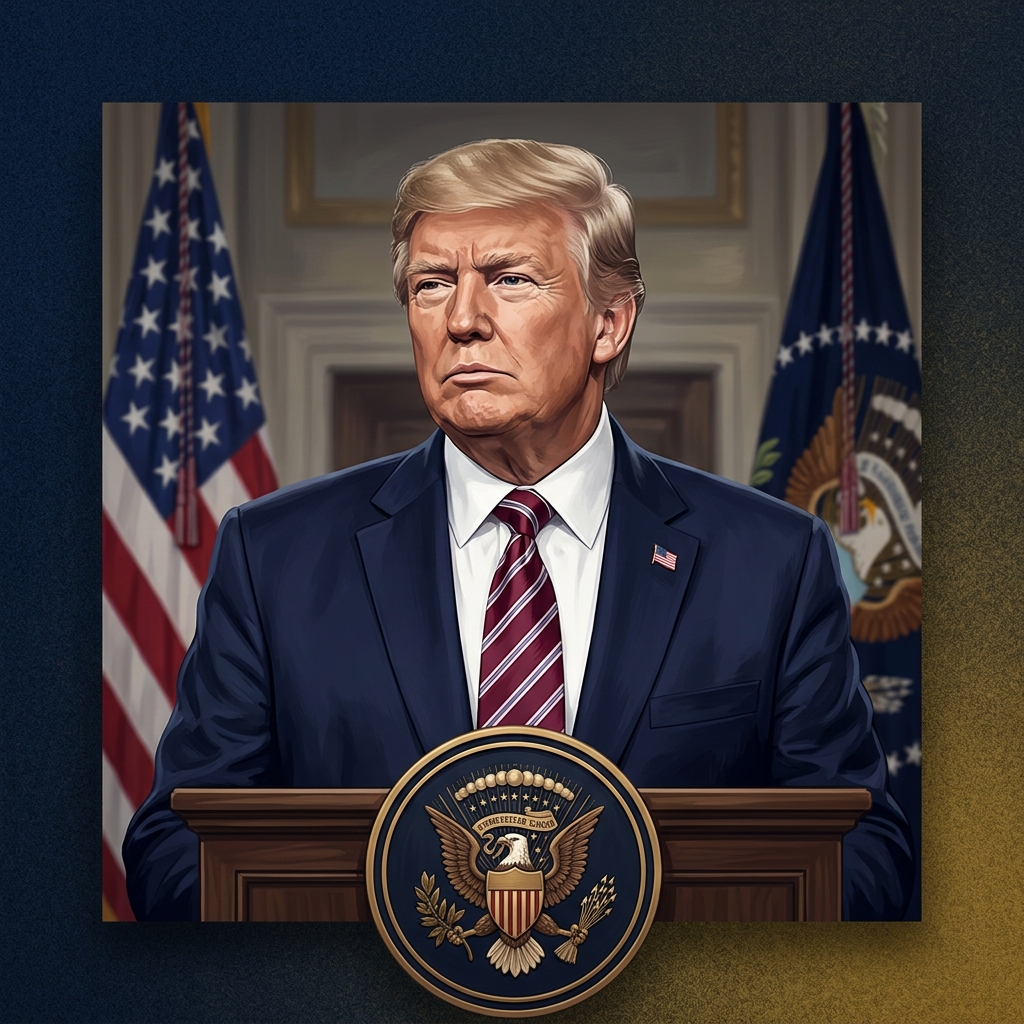
The US Supreme Court has allowed border wall construction in Big Bend National Park to proceed, rejecting a lawsuit that sought to block it by challenging waivers that bypass environmental protections.
The dispute pits the federal government's border security efforts against environmental and conservation concerns.
*AI-generated summary of publicly available data. This is not an official statement of any party.
*AI-generated summary of publicly available statements and reporting. This is not an official statement of this party.
Supporters of Border wall opponents argue that Big Bend's cultural heritage as protected public land outweighs security waivers, maintaining that bypassing environmental safeguards sets a precedent for sacrificing shared natural landmarks.
Supporters of Border wall opponents argue the waivers set a cultural precedent: treating protected lands as negotiable erodes a shared conservation ethic, and they cite Big Bend as evidence that heritage can be waived away.
Supporters of Border wall opponents counter that Big Bend's cultural identity rests on its unbroken landscape, arguing that a barrier would fracture the very heritage the government claims to defend.
Supporters of Border wall opponents argue the environmental waivers unconstitutionally let the executive branch override statutory protections without judicial review, and they maintain that courts should scrutinize such sweeping authority.
Supporters of Border wall opponents argue the executive's use of waivers to bypass environmental review in Big Bend raises a legal question about whether border-security statutes can override conservation protections without judicial scrutiny.
Supporters of Border wall opponents counter that a statute letting one official waive environmental laws wholesale, without judicial review, raises a constitutional separation-of-powers question that courts, not the executive, must ultimately resolve.
Supporters of Border wall opponents argue the environmental waivers are less about security than about shielding the government from any legal check—a power grab that lets Washington override courts and conservation law alike.
Supporters of Border wall opponents argue the waiver power, not the wall, is the real prize—once environmental law can be set aside for one project, future administrations inherit a precedent that outlasts any single security rationale.
Supporters of Border wall opponents counter that a ruling letting the executive waive environmental rules on demand concentrates power with no check, and that the same authority used to clear legal obstacles can be turned against other constituencies.
Supporters of Border wall opponents argue it is morally wrong to waive environmental protections for Big Bend, treating a treasured national park's ecology as expendable rather than a trust owed to future generations.
Supporters of Border wall opponents argue it is morally wrong to waive environmental protections for Big Bend, treating a shared national park's ecology as expendable rather than a duty of stewardship owed to future generations.
Supporters of Border wall opponents counter that waiving environmental laws to build the wall trades ecological harm for security, arguing that a moral duty to protect borders cannot justify bypassing protections for endangered species and fragile landscapes.
Supporters of Border wall opponents argue that the waivers bypassing environmental protections violate a moral duty to steward creation, invoking scripture's call to tend the land and contending that border security should not come at the cost of God-given natural heritage.
Supporters of Border wall opponents argue that the waivers bypassing environmental protections raise a moral duty of stewardship over creation, holding that the Big Bend ruling lets construction proceed without the accountability they believe faith demands of those who govern.
Supporters of Border wall opponents counter that scripture commands care for the stranger and stewardship of creation, so they argue a wall disregards the divine mandate to welcome the alien and tend the land.
*AI-generated summary of publicly available statements and reporting. This is not an official statement of this party.
Supporters of the US government argue that a nation's border is a defining part of its cultural identity and sovereignty, and they maintain that securing it in Big Bend reflects the country's right to self-determination over environmental objections.
Supporters of the US government argue that border security reflects the nation's sovereign right to control its territory, and they maintain that enforcing borders is a cultural expression of national identity and self-determination.
Supporters of the US government counter that border communities' cultural identity is bound to national sovereignty, arguing that security waivers preserve the shared heritage they say unchecked crossings threaten.
Supporters of the US government argue that the Supreme Court's ruling affirms the executive's legal authority to waive environmental statutes for border security, and they maintain that enforcing the border is a lawful federal duty that courts should not block.
Supporters of the US government argue that the Supreme Court's ruling affirms the executive's legal authority to invoke statutory waivers for border security, and they maintain that Congress granted that discretion to ensure construction proceeds without delay.
Supporters of the US government counter that Congress itself granted the waiver authority in statute, so the executive branch is executing legislative will, not overriding it, and courts have upheld that delegation.
Supporters of US government argue the Supreme Court ruling confirms executive authority to waive environmental rules for border security, treating legal challenge as an obstacle to be cleared rather than a constraint on sovereign power.
Supporters of US government argue the Court’s ruling confirms that executive security priorities override procedural environmental challenges, and they maintain that waivers are a legitimate tool to prevent legal delays from neutralizing border enforcement.
Supporters of US government counter that expedited waivers are a lawful tool Congress granted to finish barriers courts would otherwise stall for years, and that legal delay itself, not ecology, is the real obstacle being overcome.
Supporters of the US government argue that border security is a sovereign moral duty, and they maintain that the Supreme Court's ruling affirms federal authority to protect the nation's borders even when environmental waivers are invoked.
Supporters of the US government argue that border security is a sovereign moral duty, and they maintain that congressionally authorized waivers let the executive fulfill that duty without being halted by litigation.
Supporters of the US government counter that protecting a nation's borders and the communities within them is itself a moral duty, and that limited, targeted waivers can be weighed against that obligation.
Supporters of US government argue that the state’s God-given authority to guard its borders and protect citizens is a moral duty, and that upholding lawful order and national sovereignty honors a tradition of stewardship that outweighs disputed environmental claims.
Supporters of the US government frame border security as a moral duty, invoking Scripture's teaching that governing authorities are ordained to restrain disorder, and argue that protecting the nation's laws and citizens takes precedence over environmental objections.
Supporters of the US government counter that scripture also charges rulers with upholding justice and protecting neighbor (Romans 13), arguing that border security serves the moral duty to preserve order and life.
AI-generated summary of publicly available statements and reporting. This is not an official statement of this party.
Supporters of Border wall opponents argue that Big Bend's cultural heritage as protected public land outweighs security waivers, maintaining that bypassing environmental safeguards sets a precedent for sacrificing shared natural landmarks.
Supporters of Border wall opponents argue the waivers set a cultural precedent: treating protected lands as negotiable erodes a shared conservation ethic, and they cite Big Bend as evidence that heritage can be waived away.
Supporters of Border wall opponents counter that Big Bend's cultural identity rests on its unbroken landscape, arguing that a barrier would fracture the very heritage the government claims to defend.
Supporters of Border wall opponents argue the environmental waivers unconstitutionally let the executive branch override statutory protections without judicial review, and they maintain that courts should scrutinize such sweeping authority.
Supporters of Border wall opponents argue the executive's use of waivers to bypass environmental review in Big Bend raises a legal question about whether border-security statutes can override conservation protections without judicial scrutiny.
Supporters of Border wall opponents counter that a statute letting one official waive environmental laws wholesale, without judicial review, raises a constitutional separation-of-powers question that courts, not the executive, must ultimately resolve.
Supporters of Border wall opponents argue the environmental waivers are less about security than about shielding the government from any legal check—a power grab that lets Washington override courts and conservation law alike.
Supporters of Border wall opponents argue the waiver power, not the wall, is the real prize—once environmental law can be set aside for one project, future administrations inherit a precedent that outlasts any single security rationale.
Supporters of Border wall opponents counter that a ruling letting the executive waive environmental rules on demand concentrates power with no check, and that the same authority used to clear legal obstacles can be turned against other constituencies.
Supporters of Border wall opponents argue it is morally wrong to waive environmental protections for Big Bend, treating a treasured national park's ecology as expendable rather than a trust owed to future generations.
Supporters of Border wall opponents argue it is morally wrong to waive environmental protections for Big Bend, treating a shared national park's ecology as expendable rather than a duty of stewardship owed to future generations.
Supporters of Border wall opponents counter that waiving environmental laws to build the wall trades ecological harm for security, arguing that a moral duty to protect borders cannot justify bypassing protections for endangered species and fragile landscapes.
Supporters of Border wall opponents argue that the waivers bypassing environmental protections violate a moral duty to steward creation, invoking scripture's call to tend the land and contending that border security should not come at the cost of God-given natural heritage.
Supporters of Border wall opponents argue that the waivers bypassing environmental protections raise a moral duty of stewardship over creation, holding that the Big Bend ruling lets construction proceed without the accountability they believe faith demands of those who govern.
Supporters of Border wall opponents counter that scripture commands care for the stranger and stewardship of creation, so they argue a wall disregards the divine mandate to welcome the alien and tend the land.
Supporters of the US government argue that a nation's border is a defining part of its cultural identity and sovereignty, and they maintain that securing it in Big Bend reflects the country's right to self-determination over environmental objections.
Supporters of the US government argue that border security reflects the nation's sovereign right to control its territory, and they maintain that enforcing borders is a cultural expression of national identity and self-determination.
Supporters of the US government counter that border communities' cultural identity is bound to national sovereignty, arguing that security waivers preserve the shared heritage they say unchecked crossings threaten.
Supporters of the US government argue that the Supreme Court's ruling affirms the executive's legal authority to waive environmental statutes for border security, and they maintain that enforcing the border is a lawful federal duty that courts should not block.
Supporters of the US government argue that the Supreme Court's ruling affirms the executive's legal authority to invoke statutory waivers for border security, and they maintain that Congress granted that discretion to ensure construction proceeds without delay.
Supporters of the US government counter that Congress itself granted the waiver authority in statute, so the executive branch is executing legislative will, not overriding it, and courts have upheld that delegation.
Supporters of US government argue the Supreme Court ruling confirms executive authority to waive environmental rules for border security, treating legal challenge as an obstacle to be cleared rather than a constraint on sovereign power.
Supporters of US government argue the Court’s ruling confirms that executive security priorities override procedural environmental challenges, and they maintain that waivers are a legitimate tool to prevent legal delays from neutralizing border enforcement.
Supporters of US government counter that expedited waivers are a lawful tool Congress granted to finish barriers courts would otherwise stall for years, and that legal delay itself, not ecology, is the real obstacle being overcome.
Supporters of the US government argue that border security is a sovereign moral duty, and they maintain that the Supreme Court's ruling affirms federal authority to protect the nation's borders even when environmental waivers are invoked.
Supporters of the US government argue that border security is a sovereign moral duty, and they maintain that congressionally authorized waivers let the executive fulfill that duty without being halted by litigation.
Supporters of the US government counter that protecting a nation's borders and the communities within them is itself a moral duty, and that limited, targeted waivers can be weighed against that obligation.
Supporters of US government argue that the state’s God-given authority to guard its borders and protect citizens is a moral duty, and that upholding lawful order and national sovereignty honors a tradition of stewardship that outweighs disputed environmental claims.
Supporters of the US government frame border security as a moral duty, invoking Scripture's teaching that governing authorities are ordained to restrain disorder, and argue that protecting the nation's laws and citizens takes precedence over environmental objections.
Supporters of the US government counter that scripture also charges rulers with upholding justice and protecting neighbor (Romans 13), arguing that border security serves the moral duty to preserve order and life.
The US Supreme Court permits border wall construction in Big Bend National Park to proceed, rejecting a lawsuit that targeted waivers of environmental protections.