María Corina Machado
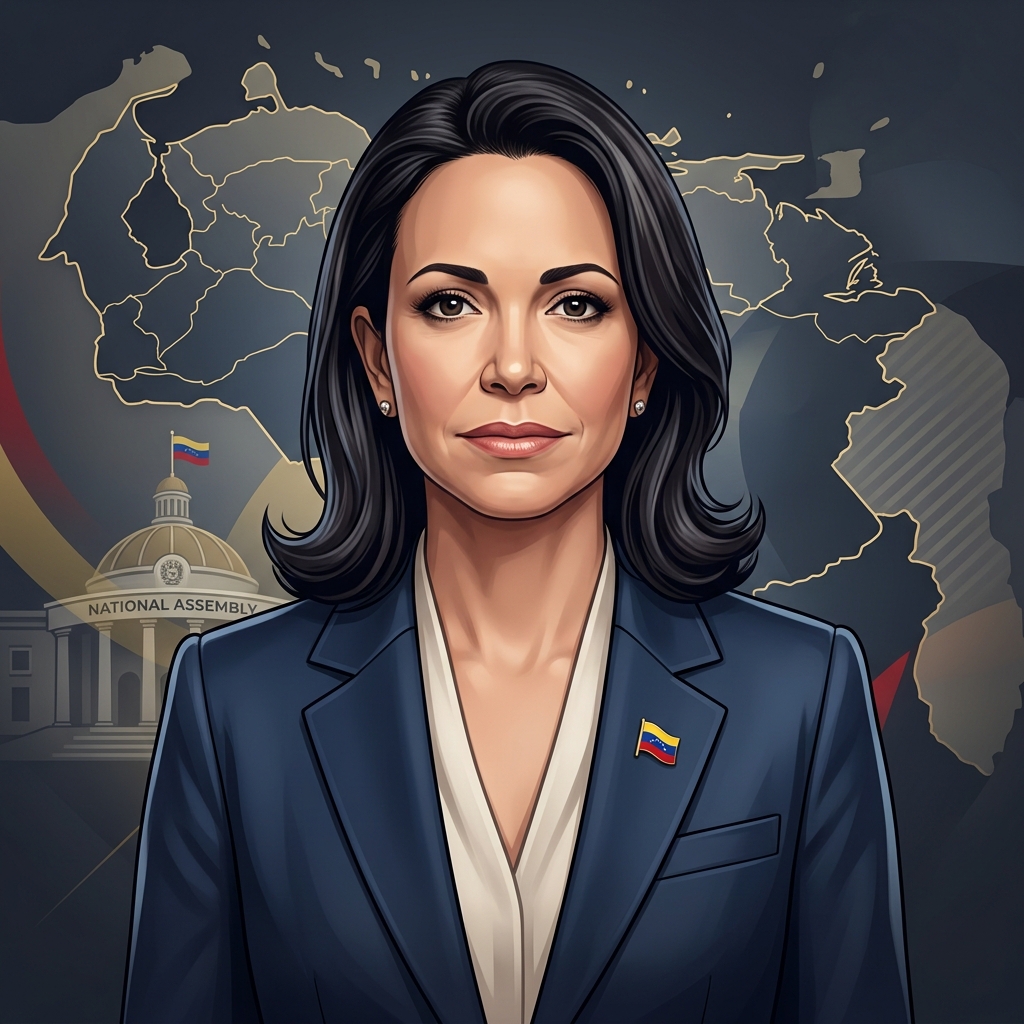
VS
US government

The US is urging Venezuela to follow a phased plan for a democratic transition, while opposition leader María Corina Machado returns to Venezuela and hints at criticism of the Trump administration.
*AI-generated summary of publicly available data. This is not an official statement of any party.
*AI-generated summary of publicly available statements and reporting. This is not an official statement of this party.
Supporters of María Corina Machado argue that Venezuela's democratic transition must be rooted in its own civic tradition, not in a foreign phased plan, pointing to past externally brokered accords as evidence that local movements, not outside timelines, have historically carried.
Supporters of María Corina Machado argue that Venezuela's democratic transition must be defined by Venezuelans themselves, invoking a long history of resistance to outside tutelage and insisting sovereignty isn't negotiable.
Supporters of María Corina Machado counter that Venezuela's civic tradition is one of citizens reclaiming sovereignty, not preserving the very institutions that nullified their votes.
Supporters of María Corina Machado argue that a transition's legitimacy rests on Venezuelan sovereignty and legal process, not a foreign-brokered phased plan, and that her return asserts the opposition's domestic legal standing.
Supporters of María Corina Machado argue that Venezuela's democratic transition must be defined by Venezuelans' own sovereign, constitutional process, not by an external phased plan imposed from Washington.
Supporters of María Corina Machado counter that Venezuela's constitution already defines the lawful path through the 2024 election results, so negotiated frameworks cannot override the sovereignty of the vote.
Supporters of María Corina Machado argue that a phased US transition plan is leverage for the government, not democracy, and that her return signals the opposition sets its own terms rather than trading legitimacy for timetables.
Supporters of María Corina Machado argue that a phased transition imposed from Washington is leverage for the government, not democracy, and that her return signals she will set terms rather than accept a timetable scripted abroad.
Supporters of María Corina Machado counter that leverage without credible local mobilization is hollow, and that her public criticism protects her domestic base—the coalition's real source of power—rather than fracturing it.
Supporters of María Corina Machado argue that democratic transitions must be driven by Venezuelans themselves, not staged abroad; they see her return as a moral claim that sovereignty and local legitimacy cannot be negotiated by foreign powers.
Supporters of María Corina Machado argue that a democratic transition must be built on Venezuelan sovereignty and the people's own mandate, not on terms dictated by Washington.
Supporters of María Corina Machado counter that a phased transition delays honoring the July 2024 vote, and that moral duty demands recognizing the actual winner now rather than negotiating away Venezuelans' electoral will.
Supporters of María Corina Machado argue that Venezuela's transition must honor the nation's inherited moral and religious foundations, and they caution that any phased plan imposed from outside risks displacing the cultural and spiritual continuity a free Venezuela depends on.
Supporters of María Corina Machado frame the transition as a moral and spiritual reckoning, arguing that Venezuela's inherited faith and civic traditions demand that sovereignty rest with its people, not foreign phased plans.
Supporters of María Corina Machado counter that religious freedom is not a license for foreign powers to engineer consent, arguing that legitimate authority is also measured by fidelity to inherited national sovereignty and constitutional order.
*AI-generated summary of publicly available statements and reporting. This is not an official statement of this party.
Supporters of the US government argue that a phased democratic transition respects Venezuela's institutional continuity, preserving the social order and inherited civic traditions rather than risking abrupt upheaval.
Supporters of the US government argue that a phased democratic transition respects Venezuela's institutional continuity, favoring gradual, negotiated reform over abrupt ruptures that could destabilize the country's inherited political order.
Supporters of US government counter that externally brokered transitions like the Philippines' 1986 snap election and Chile's 1988 plebiscite show outside pressure and clear timelines can reinforce, not displace, local civic movements.
Supporters of the US government argue that a phased, negotiated transition is the lawful path, contending that Venezuela's sovereignty and any democratic handover must proceed under agreed legal frameworks rather than unilateral steps.
Supporters of the US government argue that a phased, negotiated transition is the lawful path to restoring Venezuelan democratic institutions and respecting the electorate's will.
Supporters of the US government counter that Machado's legal standing is itself contested, noting Venezuela's courts barred her candidacy, so a sovereignty-only path cannot by itself settle legitimacy.
Supporters of the US government argue that a phased transition keeps leverage and incentives intact, and that Machado's public criticism of the Trump administration risks fracturing the coalition needed to pressure Maduro.
Supporters of the US government argue a phased transition is leverage—keeping pressure and incentives in Washington's hands—while Machado's hints of criticism risk fracturing the coalition they need to steer Caracas.
Supporters of the US government counter that phased timetables are leverage the government itself exploits, so backing Machado's return risks trading concrete concessions for symbolism while the ruling power keeps its grip.
Supporters of the US government argue that a phased democratic transition upholds the moral duty to respect Venezuelans' electoral will and restore accountable, lawful governance.
Supporters of the US government argue that Venezuela's transition must follow a phased, orderly path rather than confrontation, framing procedural stability as a moral duty owed to a population long denied free elections.
Supporters of the US government counter that sovereignty cannot shield a regime that denies its own people free elections, arguing that outside pressure serves the moral duty to defend citizens' rights when local channels are closed.
Supporters of the US government frame the phased transition as a moral duty grounded in the belief that legitimate authority flows from the consent of the governed, and they invoke the defense of human dignity and religious freedom as evidence that orderly democratic change serve.
Supporters of the US government argue that a phased democratic transition aligns with moral duty and respect for lawful authority, maintaining that orderly, peaceful change upholds justice rather than rewarding disruption.
Supporters of the US government counter that religious freedom and the church's independence from state control are themselves the inherited foundations at stake, arguing that a transition safeguarding those liberties serves Venezuela's faith traditions rather than displacing the.
AI-generated summary of publicly available statements and reporting. This is not an official statement of this party.
Supporters of María Corina Machado argue that Venezuela's democratic transition must be rooted in its own civic tradition, not in a foreign phased plan, pointing to past externally brokered accords as evidence that local movements, not outside timelines, have historically carried.
Supporters of María Corina Machado argue that Venezuela's democratic transition must be defined by Venezuelans themselves, invoking a long history of resistance to outside tutelage and insisting sovereignty isn't negotiable.
Supporters of María Corina Machado counter that Venezuela's civic tradition is one of citizens reclaiming sovereignty, not preserving the very institutions that nullified their votes.
Supporters of María Corina Machado argue that a transition's legitimacy rests on Venezuelan sovereignty and legal process, not a foreign-brokered phased plan, and that her return asserts the opposition's domestic legal standing.
Supporters of María Corina Machado argue that Venezuela's democratic transition must be defined by Venezuelans' own sovereign, constitutional process, not by an external phased plan imposed from Washington.
Supporters of María Corina Machado counter that Venezuela's constitution already defines the lawful path through the 2024 election results, so negotiated frameworks cannot override the sovereignty of the vote.
Supporters of María Corina Machado argue that a phased US transition plan is leverage for the government, not democracy, and that her return signals the opposition sets its own terms rather than trading legitimacy for timetables.
Supporters of María Corina Machado argue that a phased transition imposed from Washington is leverage for the government, not democracy, and that her return signals she will set terms rather than accept a timetable scripted abroad.
Supporters of María Corina Machado counter that leverage without credible local mobilization is hollow, and that her public criticism protects her domestic base—the coalition's real source of power—rather than fracturing it.
Supporters of María Corina Machado argue that democratic transitions must be driven by Venezuelans themselves, not staged abroad; they see her return as a moral claim that sovereignty and local legitimacy cannot be negotiated by foreign powers.
Supporters of María Corina Machado argue that a democratic transition must be built on Venezuelan sovereignty and the people's own mandate, not on terms dictated by Washington.
Supporters of María Corina Machado counter that a phased transition delays honoring the July 2024 vote, and that moral duty demands recognizing the actual winner now rather than negotiating away Venezuelans' electoral will.
Supporters of María Corina Machado argue that Venezuela's transition must honor the nation's inherited moral and religious foundations, and they caution that any phased plan imposed from outside risks displacing the cultural and spiritual continuity a free Venezuela depends on.
Supporters of María Corina Machado frame the transition as a moral and spiritual reckoning, arguing that Venezuela's inherited faith and civic traditions demand that sovereignty rest with its people, not foreign phased plans.
Supporters of María Corina Machado counter that religious freedom is not a license for foreign powers to engineer consent, arguing that legitimate authority is also measured by fidelity to inherited national sovereignty and constitutional order.
Supporters of the US government argue that a phased democratic transition respects Venezuela's institutional continuity, preserving the social order and inherited civic traditions rather than risking abrupt upheaval.
Supporters of the US government argue that a phased democratic transition respects Venezuela's institutional continuity, favoring gradual, negotiated reform over abrupt ruptures that could destabilize the country's inherited political order.
Supporters of US government counter that externally brokered transitions like the Philippines' 1986 snap election and Chile's 1988 plebiscite show outside pressure and clear timelines can reinforce, not displace, local civic movements.
Supporters of the US government argue that a phased, negotiated transition is the lawful path, contending that Venezuela's sovereignty and any democratic handover must proceed under agreed legal frameworks rather than unilateral steps.
Supporters of the US government argue that a phased, negotiated transition is the lawful path to restoring Venezuelan democratic institutions and respecting the electorate's will.
Supporters of the US government counter that Machado's legal standing is itself contested, noting Venezuela's courts barred her candidacy, so a sovereignty-only path cannot by itself settle legitimacy.
Supporters of the US government argue that a phased transition keeps leverage and incentives intact, and that Machado's public criticism of the Trump administration risks fracturing the coalition needed to pressure Maduro.
Supporters of the US government argue a phased transition is leverage—keeping pressure and incentives in Washington's hands—while Machado's hints of criticism risk fracturing the coalition they need to steer Caracas.
Supporters of the US government counter that phased timetables are leverage the government itself exploits, so backing Machado's return risks trading concrete concessions for symbolism while the ruling power keeps its grip.
Supporters of the US government argue that a phased democratic transition upholds the moral duty to respect Venezuelans' electoral will and restore accountable, lawful governance.
Supporters of the US government argue that Venezuela's transition must follow a phased, orderly path rather than confrontation, framing procedural stability as a moral duty owed to a population long denied free elections.
Supporters of the US government counter that sovereignty cannot shield a regime that denies its own people free elections, arguing that outside pressure serves the moral duty to defend citizens' rights when local channels are closed.
Supporters of the US government frame the phased transition as a moral duty grounded in the belief that legitimate authority flows from the consent of the governed, and they invoke the defense of human dignity and religious freedom as evidence that orderly democratic change serve.
Supporters of the US government argue that a phased democratic transition aligns with moral duty and respect for lawful authority, maintaining that orderly, peaceful change upholds justice rather than rewarding disruption.
Supporters of the US government counter that religious freedom and the church's independence from state control are themselves the inherited foundations at stake, arguing that a transition safeguarding those liberties serves Venezuela's faith traditions rather than displacing the.
This comes as leading opposition leader returns to Venezuela and hints at criticism of Trump administration.