Palestinian Authority

VS
US government
The United States government is the federal administration of the United States, which conducts foreign policy and maintains sanctions programs, including those administered by the Treasury Department's Office of Foreign Assets Control.
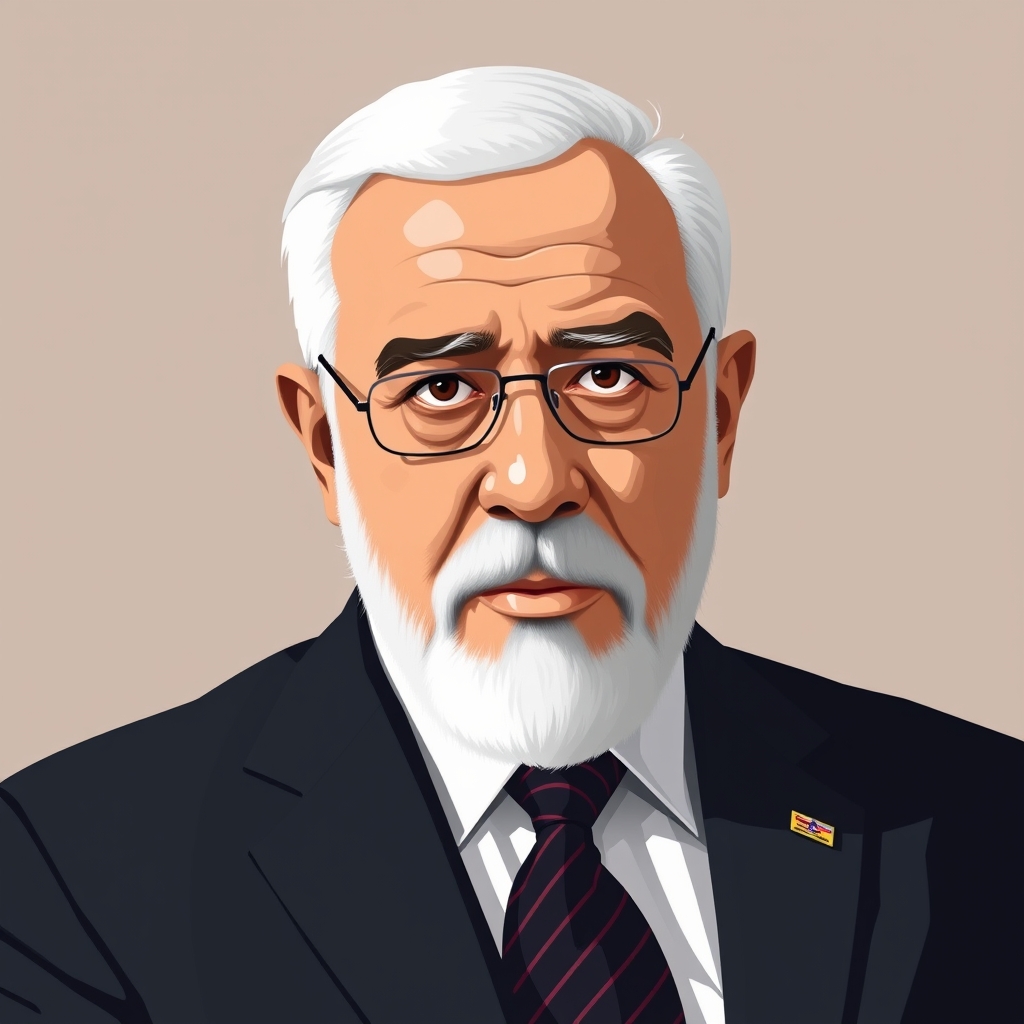
The Palestinian Authority is the interim Palestinian administrative organization that governs part of the West Bank and all of the Gaza Strip, according to U.S. law, and it lacks sovereignty while operating under Israeli occupation.
The two sides have conflicting interests over U.S. sanctions and visa restrictions on Palestinian officials.
In July 2025, the United States imposed sanctions that deny visas to Palestine Liberation Organization members and Palestinian Authority officials under section 604(a)(1) of the Middle East Peace Commitments Act, accusing the PA of seeking to internationalize its conflict with Israel in court.
U.S. persons are also prohibited from engaging in transactions with the Palestinian Authority under OFAC's terrorism sanctions programs unless authorized.
These measures restrict Palestinian representation and financial engagement, which the Palestinian Authority has criticized.
The United States has provided financial assistance to the Palestinian Authority, with combined European Union and U.S. aid reaching approximately US$1 billion in 2005.
However, U.S. law places limitations on assistance to the Palestinian Authority, and the sanctions and visa denials reflect ongoing tensions over Palestinian efforts to seek international legal and diplomatic action.
*AI-generated summary of publicly available data. This is not an official statement of any party.
*AI-generated summary of publicly available statements and reporting. This is not an official statement of this party.
Supporters of the Palestinian Authority argue that barring Abbas from the UN silences a national voice, denying Palestinians the cultural recognition and sovereign standing their identity demands on the world stage.
Supporters of the Palestinian Authority argue that barring Mahmoud Abbas from the UN silences a national voice, denying Palestinians the cultural recognition and sovereign standing their identity demands on the world stage.
Supporters of the Palestinian Authority counter that visa denial silences a national voice, arguing that UN attendance is a cultural right of self-representation, not a favor granted by any host state.
Supporters of the Palestinian Authority argue that denying Mahmoud Abbas a UN visa violates the 1947 Headquarters Agreement, which obliges the US to admit foreign officials to UN proceedings.
Supporters of the Palestinian Authority argue that host-country visa denials breach the 1947 UN Headquarters Agreement, which obliges the US to admit representatives of UN members to Assembly sessions.
Supporters of the Palestinian Authority counter that the 1947 UN Headquarters Agreement binds the US to admit attendees, so sovereignty cannot override that treaty obligation.
Supporters of the Palestinian Authority argue the visa denial is leverage, not policy: Washington pressures Abbas to concede on terms he cannot accept, weakening his standing while denying Palestinians a UN platform.
Supporters of Palestinian Authority argue the visa denial is leverage, not principle—Israel and Washington use access to the UN as a bargaining chip to force concessions while denying Palestinians a stage.
Supporters of Palestinian Authority counter that Washington's visa leverage is hollow: Abbas gains more from being barred, since exclusion lets him cast the PA as besieged by a superpower while the UN stage amplifies him anyway.
Supporters of the Palestinian Authority argue that barring Mahmoud Abbas from the UN denies Palestinians their rightful voice at the world body, a moral wrong against a people seeking self-determination.
Supporters of the Palestinian Authority argue that denying Mahmoud Abbas a UN visa is morally wrong, since it silences a people's elected voice at the world's assembly.
Supporters of Palestinian Authority counter that denying a visa on moral grounds is selective: they argue that holding one leader accountable while Israel's actions go unchallenged reveals the moral claim as one-sided, not principled.
Supporters of the Palestinian Authority argue that barring Mahmoud Abbas from the UN denies Palestinians a voice at the world body, and they maintain that religious tradition and international custom uphold the right of peoples to petition peacefully.
Supporters of the Palestinian Authority argue that barring Abbas from the UN silences a people's rightful voice before the world body, and they maintain that religious tradition holds peaceful petition and representation as moral duties.
Supporters of the Palestinian Authority counter that religious authority to judge leaders belongs to God alone, and they argue that scripture calls for mercy and dialogue over exclusion, so denying a visa misuses faith to punish rather than reconcile.
*AI-generated summary of publicly available statements and reporting. This is not an official statement of this party.
Supporters of the US government argue that denying Abbas a visa safeguards diplomatic precedent and institutional order, since UN attendance is a privilege host nations may condition, not an entitlement.
Supporters of the US government argue that denying Abbas a visa protects the established diplomatic order, maintaining that UN access is a privilege tied to honoring prior agreements, not a right for leaders who bypass them.
Supporters of US government counter that UN recognition is not a cultural right but a political privilege, and that granting standing to a leadership that rejects negotiated statehood erodes the very international order that protects national identity.
Supporters of the US government argue that visa decisions rest on sovereign legal authority over entry, not an obligation to admit every UN attendee.
Supporters of the US government argue that visa admission is a sovereign legal prerogative, not an entitlement, so denying Abbas entry is lawful discretion consistent with domestic immigration statutes.
Supporters of the US government counter that the Headquarters Agreement lets the Secretary of State bar entry on security grounds, so denying Abbas a visa is a lawful exercise of that authority.
Supporters of the US government argue that denying Abbas a visa is leverage: controlling access to the UN stage pressures the Palestinian Authority toward concessions, since representation is a privilege granted by Washington, not a right.
Supporters of US government argue that denying Abbas a UN visa leverages access as pressure, since engagement without concessions yields no US advantage.
Supporters of US government counter that the visa denial preserves leverage, not weakness: Abbas's diminished standing serves Washington's aim of forcing concessions from a position of dependency, and the UN platform offers him little without US consent.
Supporters of the US government argue that denying Abbas a visa upholds moral accountability, since they view his leadership as enabling terrorism and evading direct negotiations with Israel.
Supporters of the US government argue that denying Abbas a visa upholds accountability, since they maintain his leadership has failed to renounce violence or negotiate in good faith, making the UN platform a reward it hasn't earned.
Supporters of the US government counter that denying a voice to those who reject negotiations and embrace terror is itself the moral stance.
Supporters of the US government argue that denying Abbas a visa upholds justice, since scripture holds leaders accountable for backing violence rather than peace; they maintain that righteous governance requires refusing a platform to those who defy divine law.
Supporters of the US government argue that denying Abbas a visa upholds a moral order where nations that refuse to renounce violence and recognize Israel's right to exist cannot claim a prophetic voice at the UN.
Supporters of the US government counter that scripture charges rulers with the sword to check terror, not to seat leaders who fund it; the UN dais is no sanctuary from that duty.
AI-generated summary of publicly available statements and reporting. This is not an official statement of this party.
Supporters of the Palestinian Authority argue that barring Abbas from the UN silences a national voice, denying Palestinians the cultural recognition and sovereign standing their identity demands on the world stage.
Supporters of the Palestinian Authority argue that barring Mahmoud Abbas from the UN silences a national voice, denying Palestinians the cultural recognition and sovereign standing their identity demands on the world stage.
Supporters of the Palestinian Authority counter that visa denial silences a national voice, arguing that UN attendance is a cultural right of self-representation, not a favor granted by any host state.
Supporters of the Palestinian Authority argue that denying Mahmoud Abbas a UN visa violates the 1947 Headquarters Agreement, which obliges the US to admit foreign officials to UN proceedings.
Supporters of the Palestinian Authority argue that host-country visa denials breach the 1947 UN Headquarters Agreement, which obliges the US to admit representatives of UN members to Assembly sessions.
Supporters of the Palestinian Authority counter that the 1947 UN Headquarters Agreement binds the US to admit attendees, so sovereignty cannot override that treaty obligation.
Supporters of the Palestinian Authority argue the visa denial is leverage, not policy: Washington pressures Abbas to concede on terms he cannot accept, weakening his standing while denying Palestinians a UN platform.
Supporters of Palestinian Authority argue the visa denial is leverage, not principle—Israel and Washington use access to the UN as a bargaining chip to force concessions while denying Palestinians a stage.
Supporters of Palestinian Authority counter that Washington's visa leverage is hollow: Abbas gains more from being barred, since exclusion lets him cast the PA as besieged by a superpower while the UN stage amplifies him anyway.
Supporters of the Palestinian Authority argue that barring Mahmoud Abbas from the UN denies Palestinians their rightful voice at the world body, a moral wrong against a people seeking self-determination.
Supporters of the Palestinian Authority argue that denying Mahmoud Abbas a UN visa is morally wrong, since it silences a people's elected voice at the world's assembly.
Supporters of Palestinian Authority counter that denying a visa on moral grounds is selective: they argue that holding one leader accountable while Israel's actions go unchallenged reveals the moral claim as one-sided, not principled.
Supporters of the Palestinian Authority argue that barring Mahmoud Abbas from the UN denies Palestinians a voice at the world body, and they maintain that religious tradition and international custom uphold the right of peoples to petition peacefully.
Supporters of the Palestinian Authority argue that barring Abbas from the UN silences a people's rightful voice before the world body, and they maintain that religious tradition holds peaceful petition and representation as moral duties.
Supporters of the Palestinian Authority counter that religious authority to judge leaders belongs to God alone, and they argue that scripture calls for mercy and dialogue over exclusion, so denying a visa misuses faith to punish rather than reconcile.
Supporters of the US government argue that denying Abbas a visa safeguards diplomatic precedent and institutional order, since UN attendance is a privilege host nations may condition, not an entitlement.
Supporters of the US government argue that denying Abbas a visa protects the established diplomatic order, maintaining that UN access is a privilege tied to honoring prior agreements, not a right for leaders who bypass them.
Supporters of US government counter that UN recognition is not a cultural right but a political privilege, and that granting standing to a leadership that rejects negotiated statehood erodes the very international order that protects national identity.
Supporters of the US government argue that visa decisions rest on sovereign legal authority over entry, not an obligation to admit every UN attendee.
Supporters of the US government argue that visa admission is a sovereign legal prerogative, not an entitlement, so denying Abbas entry is lawful discretion consistent with domestic immigration statutes.
Supporters of the US government counter that the Headquarters Agreement lets the Secretary of State bar entry on security grounds, so denying Abbas a visa is a lawful exercise of that authority.
Supporters of the US government argue that denying Abbas a visa is leverage: controlling access to the UN stage pressures the Palestinian Authority toward concessions, since representation is a privilege granted by Washington, not a right.
Supporters of US government argue that denying Abbas a UN visa leverages access as pressure, since engagement without concessions yields no US advantage.
Supporters of US government counter that the visa denial preserves leverage, not weakness: Abbas's diminished standing serves Washington's aim of forcing concessions from a position of dependency, and the UN platform offers him little without US consent.
Supporters of the US government argue that denying Abbas a visa upholds moral accountability, since they view his leadership as enabling terrorism and evading direct negotiations with Israel.
Supporters of the US government argue that denying Abbas a visa upholds accountability, since they maintain his leadership has failed to renounce violence or negotiate in good faith, making the UN platform a reward it hasn't earned.
Supporters of the US government counter that denying a voice to those who reject negotiations and embrace terror is itself the moral stance.
Supporters of the US government argue that denying Abbas a visa upholds justice, since scripture holds leaders accountable for backing violence rather than peace; they maintain that righteous governance requires refusing a platform to those who defy divine law.
Supporters of the US government argue that denying Abbas a visa upholds a moral order where nations that refuse to renounce violence and recognize Israel's right to exist cannot claim a prophetic voice at the UN.
Supporters of the US government counter that scripture charges rulers with the sword to check terror, not to seat leaders who fund it; the UN dais is no sanctuary from that duty.
The United States denied a visa to Palestinian President Mahmoud Abbas to attend the UN General Assembly for the second year in a row.
The United States imposed sanctions denying visas to PLO members and PA officials under section 604(a)(1) of the MEPCA, accusing the PA of seeking to 'internationalise' its conflict with Israel in court.
The Trump administration accused the PA of undermining peace by seeking to internationalize its conflict with Israel in court, according to Al Jazeera.