UK judicial authorities
?
No actors in this side.
VS
US government
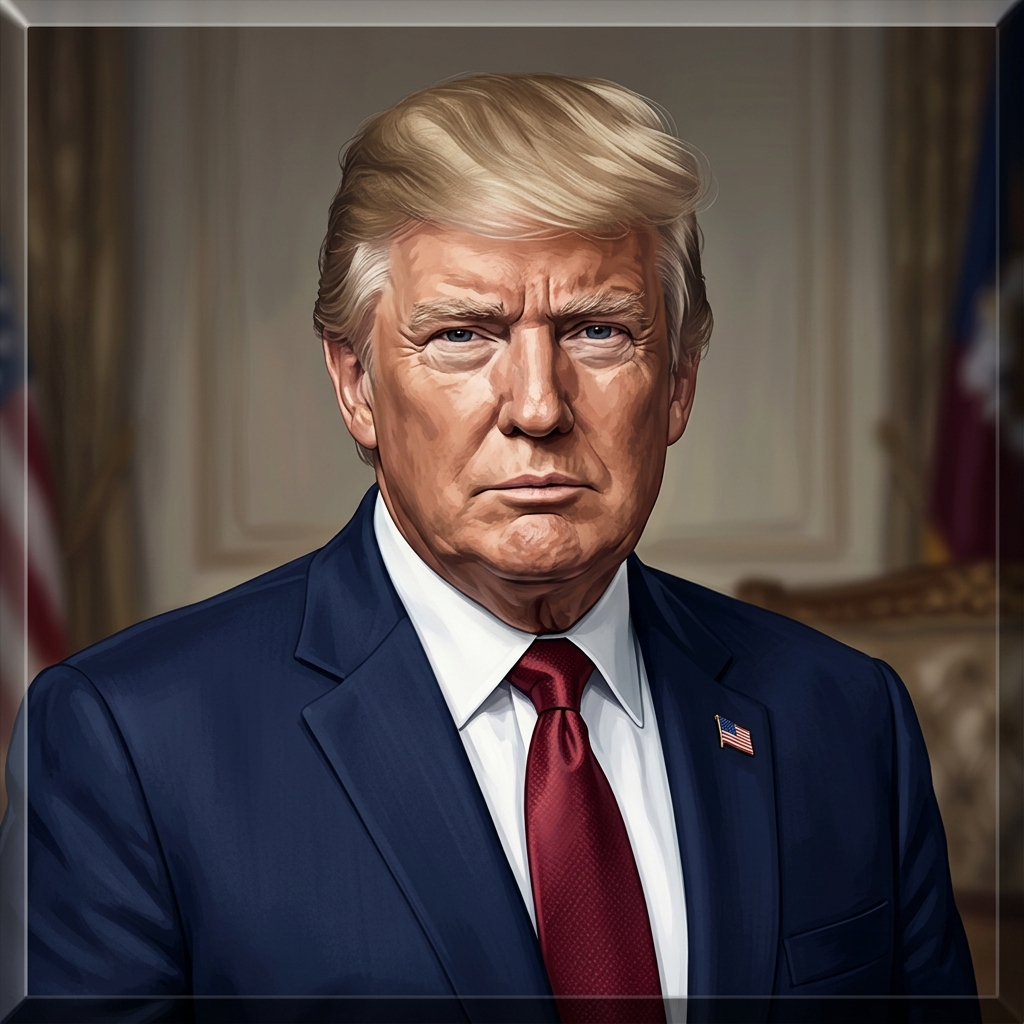
No actors in this side.
The US government operates a legal system based on common law, with a strong emphasis on constitutional stability and the prevention of unconstitutional laws.
The UK judicial authorities oversee three separate legal systems for England and Wales, Scotland, and Northern Ireland, with a judiciary known for its political independence.
Both systems share common law foundations but differ in structure, such as the UK's tribunal system and the US's approach to jury trials.
The US government and UK judicial authorities have conflicting interests over the handling of suspects in a security scare at RAF Fairford, a key US bomber base in Europe.
US officials, including President Donald Trump, have criticized the release of suspects on bail while investigations continue, reflecting concerns about security and the pace of justice.
UK judicial authorities, however, make bail decisions based on domestic legal principles and judicial independence, which may not align with US expectations.
This dispute highlights broader differences between the two legal systems, including the UK's tribunal system and its judiciary's political independence, which can lead to divergent outcomes in cases with international security implications.
The US government's interest in swift and secure handling of suspects clashes with the UK's legal processes, raising questions about cooperation and sovereignty in cross-border security matters.
*AI-generated summary of publicly available data. This is not an official statement of any party.
*AI-generated summary of publicly available statements and reporting. This is not an official statement of this party.
Supporters of UK judicial authorities argue that bail decisions reflect Britain's long-standing legal traditions and cultural commitment to due process, not leniency toward foreign threats.
Supporters of UK judicial authorities argue that bail reflects Britain's long-standing legal culture of due process, not weakness, and that foreign partners should respect sovereign courts rather than demand outcomes.
Supporters of UK judicial authorities counter that British courts weigh their own cultural tradition of due process, not foreign historical memory, when setting bail.
Supporters of UK judicial authorities argue that bail decisions follow statutory criteria and judicial independence, not political pressure, and that presumption of innocence remains a legal cornerstone regardless of foreign concerns.
Supporters of UK judicial authorities argue that bail decisions follow statutory legal tests, not political pressure, and that judicial independence means courts weigh evidence and risk, not foreign leaders' criticism.
Supporters of UK judicial authorities counter that bail decisions rest on individualised evidence, not blanket security claims; they argue courts already weigh threat evidence case by case, so pretrial liberty and due process are not mutually exclusive.
Supporters of UK judicial authorities argue that bail rulings follow evidence and statute, not political pressure, and that ceding custody decisions to Washington's suspicions would surrender judicial sovereignty to a foreign power.
Supporters of UK judicial authorities argue that bail decisions follow law and evidence, not foreign political pressure; ceding custody terms to Washington would surrender sovereign control of UK courts.
Supporters of UK judicial authorities counter that bail rulings follow evidence and statute, not US base interests; they argue leverage erodes the judicial legitimacy that makes UK cooperation reliable, so aligning courts with foreign strategic value costs more than it secures.
Supporters of UK judicial authorities argue that bail decisions must follow due process and evidence, not political pressure, maintaining that independent courts, not foreign governments, determine whether suspects pose a risk.
Supporters of UK judicial authorities argue that bail decisions follow due legal process, not political pressure, and that presumption of innocence is a moral duty even amid security concerns.
Supporters of UK judicial authorities counter that presuming innocence until proven guilty is a moral duty; indefinite detention without charge punishes people for a threat not yet established.
Supporters of UK judicial authorities argue that bail reflects a religiously grounded commitment to justice tempered by mercy, presuming innocence until proven guilty rather than yielding to fear.
Supporters of UK judicial authorities argue that bail reflects a religiously grounded respect for justice tempered by mercy, presuming innocence until proven guilty rather than presuming threat.
Supporters of UK judicial authorities counter that scripture also commands mercy and the presumption of innocence, so bail preserves God-given liberty until guilt is proven.
*AI-generated summary of publicly available statements and reporting. This is not an official statement of this party.
Supporters of the US government invoke the cultural memory of Pearl Harbor, arguing that history shows threats dismissed as minor can precede catastrophe, so bail for Fairford suspects risks repeating a past mistake.
Supporters of the US government argue that bail for the Fairford suspects clashes with the cultural expectation of firm resolve against foreign threats, citing historical precedent that leniency in such cases invites further provocation.
Supporters of US government counter that America's own legal culture prioritizes public safety over precedent, so longstanding British traditions carry little weight when extradition and security are at stake.
Supporters of the US government argue that releasing Fairford suspects on bail before the investigation concludes risks undermining security and due process, contending that liberty should yield to verified threat evidence.
Supporters of US government argue that releasing Fairford suspects on bail before a foreign-involvement probe concludes risks evidence tampering and flight, so they maintain the UK's bail rulings undercut the legal duty to secure a shared military base.
Supporters of the US government counter that statutory criteria still leave judges wide discretion, so bail rulings can reflect political context, and they note that foreign nationals can pose unique flight and security risks that domestic legal presumptions do not fully address.
Supporters of the US government argue that bail for the Fairford suspects reflects a UK judicial process misaligned with the base's strategic value, and that leverage, not trust, secures allied cooperation.
Supporters of US government argue that bail for the Fairford suspects signals weakness, letting a foreign actor test US resolve while judicial process stalls; leverage, not leniency, deters.
Supporters of the US government counter that sovereignty is a fiction when extradition treaties bind UK courts; they argue custody is leverage, and refusing it signals that alliance costs nothing.
Supporters of the US government argue that releasing Fairford suspects on bail before investigators can trace suspected foreign involvement risks letting a threat to allied personnel slip away, making caution the morally safer course.
Supporters of the US government argue morally that releasing suspects in the RAF Fairford security scare on bail, while a foreign hand is suspected, risks letting those who endanger lives evade accountability.
Supporters of the US government counter that due process loses moral weight when evidence of violent intent is ignored, arguing that letting a suspect walk on procedure alone betrays victims.
Supporters of the US government invoke scripture's call for justice, arguing that releasing Fairford suspects on bail before truth is known risks letting a foreign actor's malice go unpunished.
Supporters of US government argue that releasing Fairford suspects on bail defies the moral duty to protect the innocent, invoking scripture's call for justice to guard the vulnerable from foreign harm.
Supporters of US government counter that scripture also upholds civil authority's duty to restrain evil; they argue bail that releases dangerous offenders defies the justice God ordains.
AI-generated summary of publicly available statements and reporting. This is not an official statement of this party.
Supporters of UK judicial authorities argue that bail decisions reflect Britain's long-standing legal traditions and cultural commitment to due process, not leniency toward foreign threats.
Supporters of UK judicial authorities argue that bail reflects Britain's long-standing legal culture of due process, not weakness, and that foreign partners should respect sovereign courts rather than demand outcomes.
Supporters of UK judicial authorities counter that British courts weigh their own cultural tradition of due process, not foreign historical memory, when setting bail.
Supporters of UK judicial authorities argue that bail decisions follow statutory criteria and judicial independence, not political pressure, and that presumption of innocence remains a legal cornerstone regardless of foreign concerns.
Supporters of UK judicial authorities argue that bail decisions follow statutory legal tests, not political pressure, and that judicial independence means courts weigh evidence and risk, not foreign leaders' criticism.
Supporters of UK judicial authorities counter that bail decisions rest on individualised evidence, not blanket security claims; they argue courts already weigh threat evidence case by case, so pretrial liberty and due process are not mutually exclusive.
Supporters of UK judicial authorities argue that bail rulings follow evidence and statute, not political pressure, and that ceding custody decisions to Washington's suspicions would surrender judicial sovereignty to a foreign power.
Supporters of UK judicial authorities argue that bail decisions follow law and evidence, not foreign political pressure; ceding custody terms to Washington would surrender sovereign control of UK courts.
Supporters of UK judicial authorities counter that bail rulings follow evidence and statute, not US base interests; they argue leverage erodes the judicial legitimacy that makes UK cooperation reliable, so aligning courts with foreign strategic value costs more than it secures.
Supporters of UK judicial authorities argue that bail decisions must follow due process and evidence, not political pressure, maintaining that independent courts, not foreign governments, determine whether suspects pose a risk.
Supporters of UK judicial authorities argue that bail decisions follow due legal process, not political pressure, and that presumption of innocence is a moral duty even amid security concerns.
Supporters of UK judicial authorities counter that presuming innocence until proven guilty is a moral duty; indefinite detention without charge punishes people for a threat not yet established.
Supporters of UK judicial authorities argue that bail reflects a religiously grounded commitment to justice tempered by mercy, presuming innocence until proven guilty rather than yielding to fear.
Supporters of UK judicial authorities argue that bail reflects a religiously grounded respect for justice tempered by mercy, presuming innocence until proven guilty rather than presuming threat.
Supporters of UK judicial authorities counter that scripture also commands mercy and the presumption of innocence, so bail preserves God-given liberty until guilt is proven.
Supporters of the US government invoke the cultural memory of Pearl Harbor, arguing that history shows threats dismissed as minor can precede catastrophe, so bail for Fairford suspects risks repeating a past mistake.
Supporters of the US government argue that bail for the Fairford suspects clashes with the cultural expectation of firm resolve against foreign threats, citing historical precedent that leniency in such cases invites further provocation.
Supporters of US government counter that America's own legal culture prioritizes public safety over precedent, so longstanding British traditions carry little weight when extradition and security are at stake.
Supporters of the US government argue that releasing Fairford suspects on bail before the investigation concludes risks undermining security and due process, contending that liberty should yield to verified threat evidence.
Supporters of US government argue that releasing Fairford suspects on bail before a foreign-involvement probe concludes risks evidence tampering and flight, so they maintain the UK's bail rulings undercut the legal duty to secure a shared military base.
Supporters of the US government counter that statutory criteria still leave judges wide discretion, so bail rulings can reflect political context, and they note that foreign nationals can pose unique flight and security risks that domestic legal presumptions do not fully address.
Supporters of the US government argue that bail for the Fairford suspects reflects a UK judicial process misaligned with the base's strategic value, and that leverage, not trust, secures allied cooperation.
Supporters of US government argue that bail for the Fairford suspects signals weakness, letting a foreign actor test US resolve while judicial process stalls; leverage, not leniency, deters.
Supporters of the US government counter that sovereignty is a fiction when extradition treaties bind UK courts; they argue custody is leverage, and refusing it signals that alliance costs nothing.
Supporters of the US government argue that releasing Fairford suspects on bail before investigators can trace suspected foreign involvement risks letting a threat to allied personnel slip away, making caution the morally safer course.
Supporters of the US government argue morally that releasing suspects in the RAF Fairford security scare on bail, while a foreign hand is suspected, risks letting those who endanger lives evade accountability.
Supporters of the US government counter that due process loses moral weight when evidence of violent intent is ignored, arguing that letting a suspect walk on procedure alone betrays victims.
Supporters of the US government invoke scripture's call for justice, arguing that releasing Fairford suspects on bail before truth is known risks letting a foreign actor's malice go unpunished.
Supporters of US government argue that releasing Fairford suspects on bail defies the moral duty to protect the innocent, invoking scripture's call for justice to guard the vulnerable from foreign harm.
Supporters of US government counter that scripture also upholds civil authority's duty to restrain evil; they argue bail that releases dangerous offenders defies the justice God ordains.
The US government sees "the hand of a foreign actor" in the security scare at RAF Fairford, a hub for US heavy bombers in Europe. Donald Trump criticized the suspects being released on bail amid ongoing investigations.