US Maritime Administration

VS
Iran
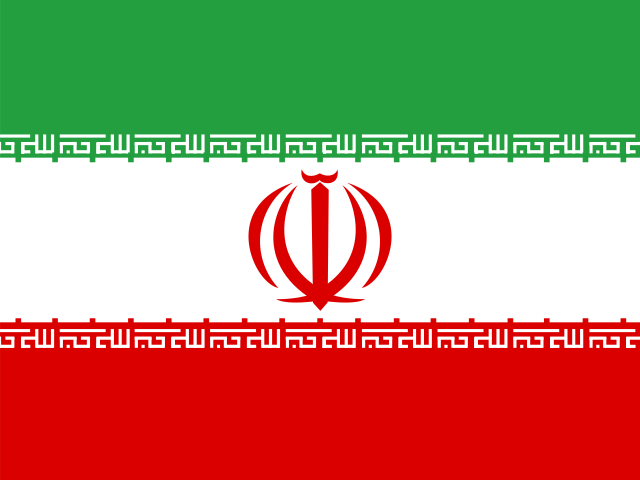
A US Maritime Administration memo acknowledges that the US naval blockade of Iran has contributed to rising insurance premiums and reduced cargo capacity in the Gulf.
The disclosure highlights tensions between the blockade's strategic aims and its economic costs for shipping and insurance markets.
*AI-generated summary of publicly available data. This is not an official statement of any party.
*AI-generated summary of publicly available statements and reporting. This is not an official statement of this party.
Supporters of the US Maritime Administration argue that enduring higher insurance premiums and reduced cargo capacity is a justified cultural cost of upholding the inherited maritime order and deterring threats to Gulf shipping lanes.
Supporters of the US Maritime Administration argue that acknowledging the blockade's strain on Gulf shipping reflects an established duty of candor, preserving institutional trust and the maritime order rather than hiding costs.
Supporters of US Maritime Administration counter that maritime security norms and freedom-of-navigation principles, upheld by long-standing international practice, are what protect Gulf shipping, not the coercion narrative Iran invokes.
Supporters of US Maritime Administration argue the blockade is a lawful security measure, and they note that acknowledged insurance and cargo costs reflect market pricing of risk rather than legal fault.
Supporters of the US Maritime Administration argue the memo is lawful transparency, showing the blockade's insurance and cargo costs are documented rather than hidden, which they say strengthens legal accountability.
Supporters of US Maritime Administration counter that a state's documented economic harm to neutral shipping does not itself invalidate a lawful interdiction, since legality turns on the authority and conduct of the operation, not on market spillover effects.
Supporters of the US Maritime Administration argue that admitting the blockade’s insurance and cargo costs is a calculated concession—signaling resolve while shifting blame for market pain onto Iran, preserving the strategic squeeze.
Supporters of the US Maritime Administration argue that acknowledging the blockade's insurance and cargo costs is a deliberate signal: the disclosure pressures Iran while shifting adjustment burdens onto private markets rather than the US Navy.
Supporters of US Maritime Administration counter that insurers already price Gulf risk by choice, so Iran's "pressure" framing misreads incentives: carriers weigh premiums against access, and the memo simply formalizes leverage the market already grants.
Supporters of the US Maritime Administration argue that transparency about the blockade's costs to insurance and cargo markets is a moral duty, since shippers deserve honest disclosure rather than bearing hidden burdens.
Supporters of the US Maritime Administration argue that a policy imposing rising insurance premiums and lost cargo capacity on Gulf shipping carries real moral weight, so the blockade's strategic gains must be weighed honestly against those costs.
Supporters of US Maritime Administration counter that the moral duty to protect commercial crews from mines and seizures outweighs the insurance and cargo costs Iran’s argument cites.
Supporters of the US Maritime Administration frame the blockade as a justified exercise of lawful authority, arguing that upholding order and protecting commercial passage reflects a moral duty that outweighs temporary market costs.
Supporters of the US Maritime Administration maintain that the blockade serves a moral duty to restrain aggression, and they argue that economic strain on shipping markets is a lesser cost than abandoning that responsibility.
Supporters of US Maritime Administration counter that the blockade safeguards the Strait for all seafarers, and they cite Islamic teaching that protecting travelers and preventing harm to the innocent takes precedence.
*AI-generated summary of publicly available statements and reporting. This is not an official statement of this party.
Supporters of Iran argue that the blockade’s insurance and cargo costs echo a long history of outside powers imposing maritime pressure on Iran, casting the toll on Gulf shipping as a familiar pattern of coercion rather than legitimate security.
Supporters of Iran argue that the blockade's insurance and cargo costs echo a long history of maritime coercion, and they cite the Gulf's past suffering under sanctions as precedent for skepticism of outside pressure.
Supporters of Iran counter that the Gulf's maritime order is itself a colonial inheritance, and that Persian Gulf cultural sovereignty, not foreign insurance premiums, is the legitimate measure of cost.
Supporters of Iran argue that the Maritime Administration's admission legally undercuts the blockade's justification, since documented economic harm to neutral shipping and insurance markets exceeds lawful maritime interdiction under international law.
Supporters of Iran argue that a blockade causing acknowledged insurance and cargo disruptions lacks clear legal basis under the law of the sea, and they maintain that economic harm to neutral shipping underscores the need for lawful justification.
Supporters of Iran counter that lawful security measures still require legal justification under the law of the sea, and they argue that elevated insurance and cargo costs reflect coercive enforcement, not market pricing of risk.
Supporters of Iran argue the memo exposes the blockade's real aim: forcing shipping and insurers to absorb costs until pressure, not law, dictates the Gulf's terms.
Supporters of Iran argue the memo exposes that the blockade's real leverage cuts both ways: Washington's own agency concedes insurance and cargo costs, proof that pressure on Iran also taxes the coalition's shipping interests.
Supporters of Iran counter that Tehran reads any acknowledged cost as leverage, not resolve—raising the price of the squeeze until Washington quietly trades enforcement for relief.
Supporters of Iran argue that a blockade whose own architects admit it raises insurance costs and shrinks cargo capacity inflicts collective punishment on ordinary Gulf mariners, not just on Tehran.
Supporters of Iran argue that a blockade whose own architects admit it raises insurance costs and shrinks cargo capacity imposes collective punishment on ordinary Gulf traders, not just the Iranian state.
Supporters of Iran counter that invoking moral duty rings hollow when the US itself imposed the blockade, and they argue that transparency offered by the enforcing power cannot substitute for lifting measures that cause the harm.
Supporters of Iran argue the blockade violates Islamic principles of justice and the sanctity of lawful trade and livelihood, citing Quranic injunctions against oppression and the harm it inflicts on ordinary Gulf merchants and seafarers.
Supporters of Iran invoke Quranic prohibitions on injustice and hoarding, arguing that a blockade harming ordinary Gulf traders and families violates divine law, which they hold takes precedence over strategic aims.
Supporters of Iran counter that quarantine and blockade violate the Islamic principle of mercy toward travelers, since the Qur'an commands the faithful to safeguard human life; in their view, scriptural duty to preserve passage outweighs claims of lawful authority.
AI-generated summary of publicly available statements and reporting. This is not an official statement of this party.
Supporters of the US Maritime Administration argue that enduring higher insurance premiums and reduced cargo capacity is a justified cultural cost of upholding the inherited maritime order and deterring threats to Gulf shipping lanes.
Supporters of the US Maritime Administration argue that acknowledging the blockade's strain on Gulf shipping reflects an established duty of candor, preserving institutional trust and the maritime order rather than hiding costs.
Supporters of US Maritime Administration counter that maritime security norms and freedom-of-navigation principles, upheld by long-standing international practice, are what protect Gulf shipping, not the coercion narrative Iran invokes.
Supporters of US Maritime Administration argue the blockade is a lawful security measure, and they note that acknowledged insurance and cargo costs reflect market pricing of risk rather than legal fault.
Supporters of the US Maritime Administration argue the memo is lawful transparency, showing the blockade's insurance and cargo costs are documented rather than hidden, which they say strengthens legal accountability.
Supporters of US Maritime Administration counter that a state's documented economic harm to neutral shipping does not itself invalidate a lawful interdiction, since legality turns on the authority and conduct of the operation, not on market spillover effects.
Supporters of the US Maritime Administration argue that admitting the blockade’s insurance and cargo costs is a calculated concession—signaling resolve while shifting blame for market pain onto Iran, preserving the strategic squeeze.
Supporters of the US Maritime Administration argue that acknowledging the blockade's insurance and cargo costs is a deliberate signal: the disclosure pressures Iran while shifting adjustment burdens onto private markets rather than the US Navy.
Supporters of US Maritime Administration counter that insurers already price Gulf risk by choice, so Iran's "pressure" framing misreads incentives: carriers weigh premiums against access, and the memo simply formalizes leverage the market already grants.
Supporters of the US Maritime Administration argue that transparency about the blockade's costs to insurance and cargo markets is a moral duty, since shippers deserve honest disclosure rather than bearing hidden burdens.
Supporters of the US Maritime Administration argue that a policy imposing rising insurance premiums and lost cargo capacity on Gulf shipping carries real moral weight, so the blockade's strategic gains must be weighed honestly against those costs.
Supporters of US Maritime Administration counter that the moral duty to protect commercial crews from mines and seizures outweighs the insurance and cargo costs Iran’s argument cites.
Supporters of the US Maritime Administration frame the blockade as a justified exercise of lawful authority, arguing that upholding order and protecting commercial passage reflects a moral duty that outweighs temporary market costs.
Supporters of the US Maritime Administration maintain that the blockade serves a moral duty to restrain aggression, and they argue that economic strain on shipping markets is a lesser cost than abandoning that responsibility.
Supporters of US Maritime Administration counter that the blockade safeguards the Strait for all seafarers, and they cite Islamic teaching that protecting travelers and preventing harm to the innocent takes precedence.
Supporters of Iran argue that the blockade’s insurance and cargo costs echo a long history of outside powers imposing maritime pressure on Iran, casting the toll on Gulf shipping as a familiar pattern of coercion rather than legitimate security.
Supporters of Iran argue that the blockade's insurance and cargo costs echo a long history of maritime coercion, and they cite the Gulf's past suffering under sanctions as precedent for skepticism of outside pressure.
Supporters of Iran counter that the Gulf's maritime order is itself a colonial inheritance, and that Persian Gulf cultural sovereignty, not foreign insurance premiums, is the legitimate measure of cost.
Supporters of Iran argue that the Maritime Administration's admission legally undercuts the blockade's justification, since documented economic harm to neutral shipping and insurance markets exceeds lawful maritime interdiction under international law.
Supporters of Iran argue that a blockade causing acknowledged insurance and cargo disruptions lacks clear legal basis under the law of the sea, and they maintain that economic harm to neutral shipping underscores the need for lawful justification.
Supporters of Iran counter that lawful security measures still require legal justification under the law of the sea, and they argue that elevated insurance and cargo costs reflect coercive enforcement, not market pricing of risk.
Supporters of Iran argue the memo exposes the blockade's real aim: forcing shipping and insurers to absorb costs until pressure, not law, dictates the Gulf's terms.
Supporters of Iran argue the memo exposes that the blockade's real leverage cuts both ways: Washington's own agency concedes insurance and cargo costs, proof that pressure on Iran also taxes the coalition's shipping interests.
Supporters of Iran counter that Tehran reads any acknowledged cost as leverage, not resolve—raising the price of the squeeze until Washington quietly trades enforcement for relief.
Supporters of Iran argue that a blockade whose own architects admit it raises insurance costs and shrinks cargo capacity inflicts collective punishment on ordinary Gulf mariners, not just on Tehran.
Supporters of Iran argue that a blockade whose own architects admit it raises insurance costs and shrinks cargo capacity imposes collective punishment on ordinary Gulf traders, not just the Iranian state.
Supporters of Iran counter that invoking moral duty rings hollow when the US itself imposed the blockade, and they argue that transparency offered by the enforcing power cannot substitute for lifting measures that cause the harm.
Supporters of Iran argue the blockade violates Islamic principles of justice and the sanctity of lawful trade and livelihood, citing Quranic injunctions against oppression and the harm it inflicts on ordinary Gulf merchants and seafarers.
Supporters of Iran invoke Quranic prohibitions on injustice and hoarding, arguing that a blockade harming ordinary Gulf traders and families violates divine law, which they hold takes precedence over strategic aims.
Supporters of Iran counter that quarantine and blockade violate the Islamic principle of mercy toward travelers, since the Qur'an commands the faithful to safeguard human life; in their view, scriptural duty to preserve passage outweighs claims of lawful authority.
US naval blockade of Iran acknowledged by the US Maritime Administration to affect insurance premiums and cargo capacity in the Gulf.