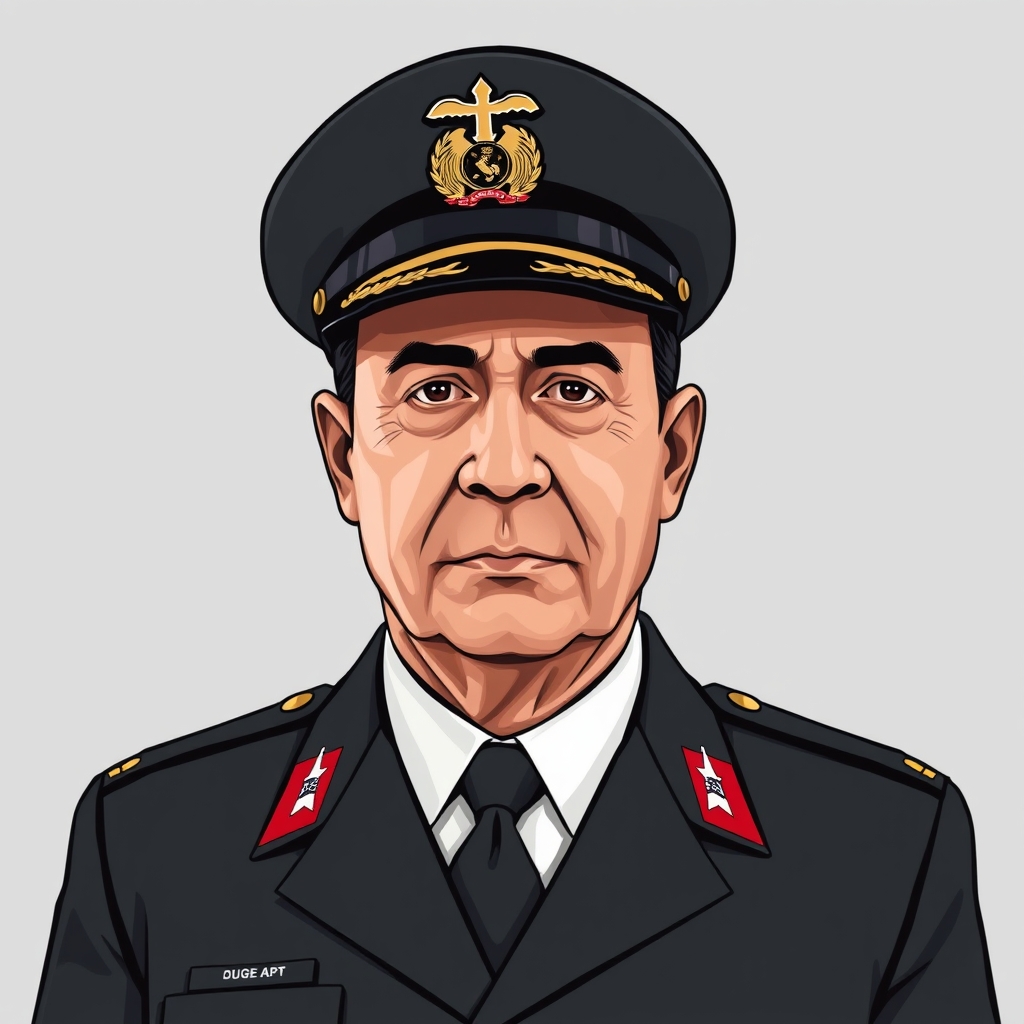
US military leadership
VS
Democratic Party
US military leadership refers to the senior officers and officials who command the United States Armed Forces, including the Joint Chiefs of Staff and other high-ranking military figures.
The Democratic Party is one of the two major political parties in the United States, typically associated with more liberal and progressive policies.
The two sides have historically had a complex relationship, with research indicating that political affiliations within the military vary by branch, and that military leaders have sometimes held conservative political views.
The conflict between them arises when Democratic politicians express concerns about the military's potential involvement in domestic political processes, such as the use of troops at polling stations during elections.
These concerns stem from fears that the military could be used to interfere with or influence electoral outcomes, which would undermine democratic norms.
In response, military leadership has stated that there are no plans to deploy troops to polling stations, aiming to reassure the public and address these concerns.
The stakes are significant because the relationship between civilian leadership and the military is a cornerstone of American democracy.
Research suggests that presidents from both parties may use military force differently depending on the political alignment of military advisors, and that the military's role in domestic affairs is a sensitive issue.
Historical examples of military leaders overstepping their bounds, such as Andrew Jackson, highlight the importance of maintaining clear boundaries between military and political spheres.
*AI-generated summary of publicly available data. This is not an official statement of any party.
*AI-generated summary of publicly available statements and reporting. This is not an official statement of this party.
Supporters of US military leadership argue that the armed forces’ apolitical tradition safeguards election integrity, viewing the general’s assurance as a reaffirmation of institutional duty that Democrats’ distrust undermines.
Supporters of US military leadership argue that the military's refusal to deploy at polling stations upholds a sacred tradition of civilian control, preserving the cultural norm of elections as a purely civic, non-martial ritual.
Supporters of US military leadership counter that the general’s reassurance embodies the enduring tradition of apolitical service, which has safeguarded election integrity across generations.
Supporters of US military leadership argue that military law and the Posse Comitatus Act bar troops from domestic polling duties, making any electoral interference legally impossible.
Supporters of US military leadership argue that the general's statement affirms legal limits on military domestic roles, citing the Posse Comitatus Act to reassure Democrats that election security remains a civilian matter.
Supporters of US military leadership counter that federal law already permits troops to support civil authorities in election security, and they argue the Posse Comitatus Act applies only to domestic law enforcement, not to neutral logistical or protective roles, leaving the mili.
Supporters of US military leadership argue the general’s denial is a calculated power play, not a concession, signaling the military’s neutrality is its strongest leverage over both parties’ election fears.
Supporters of US military leadership argue the general’s denial is pure pragmatism: troops at polls would hand Democrats a propaganda win and fracture the armed forces’ apolitical veneer, so restraint is the only move that preserves institutional power.
Supporters of US military leadership counter that the denial is a calculated act of self-preservation, not submission; they argue the general’s words signal institutional autonomy, and the absence of plans is a prudent hedge against political volatility, not a loyalty pledge.
Supporters of US military leadership argue that the general’s public assurance is a moral duty to protect democratic integrity, reinforcing that the armed forces’ core ethic is to serve the nation’s electoral will, not any party’s fears.
Supporters of US military leadership argue that the general’s pledge upholds a moral duty to keep the armed forces neutral guardians of democracy, not partisan enforcers.
Supporters of US military leadership counter that the general’s reassurance reflects a deeper moral obligation to protect the nation’s constitutional order, not partisan politics, and that their neutrality upholds the very democratic norms critics claim to defend.
Supporters of US military leadership argue that its pledge to stay out of polling stations honors the sacred duty to protect, not police, the republic’s civic order.
Supporters of US military leadership argue that the general’s assurance reflects a sacred duty to uphold constitutional order, not partisan interference, preserving the nation’s inherited civic tradition.
Supporters of US military leadership counter that scripture also commands order and protection of the governed, seeing the military’s role at polls as safeguarding the process from chaos, not oppressing the vulnerable.
*AI-generated summary of publicly available statements and reporting. This is not an official statement of this party.
Supporters of the Democratic Party argue that the top general's reassurance reflects a historical norm, yet they maintain that past precedents of politicized military actions demand constant vigilance to protect the cultural sanctity of civilian-led elections.
Supporters of the Democratic Party argue that the general’s reassurance reflects a vital cultural norm: the military must remain a neutral guardian, not a partisan tool, citing history where election integrity depends on civilian trust.
Supporters of the Democratic Party counter that the military’s apolitical tradition is not a shield but a fragile norm, and the general’s assurance rings hollow amid a history of politicized commanders, from MacArthur to recent partisan endorsements.
Supporters of the Democratic Party argue that the military’s legal role is strictly non-partisan, and they maintain that any troop presence at polling stations would violate federal law and the constitutional separation of civilian electoral authority from armed forces.
Supporters of the Democratic Party argue that statutory law bars military deployment for domestic election functions, viewing the general's assurance as a legal safeguard against unlawful interference in the voting process.
Supporters of the Democratic Party counter that the Posse Comitatus Act and military law do not preclude all domestic roles, as legal exceptions exist for federal election security and cyber defense, leaving a statutory gap where interference could occur without violating those s.
Democratic Party supporters see the general's denial as a tell, not a reassurance; they argue the military's real power is signaling loyalty to the executive, so the absence of plans is a posture, not a guarantee, and they trust no institution to police its own incentives in a ti.
Democratic Party supporters argue the general's denial is a tactical feint, not a guarantee, pointing to past precedent as evidence that military neutrality is a fragile norm, not a structural safeguard.
Supporters of the Democratic Party counter that the general’s denial is a self-serving dodge, not neutrality, since the military’s real leverage lies in preserving its budget and public favor, which both parties’ election fears only magnify.
Supporters of the Democratic Party argue that safeguarding electoral integrity is a moral duty, viewing the general’s reassurance as vital precedent against any militarized interference in democratic processes.
Supporters of the Democratic Party argue that the general’s assurance reflects a moral commitment to civilian control over the military, a precedent vital to protecting democratic elections from any hint of coercion.
Supporters of the Democratic Party counter that the general’s assurance, while noble, cannot erase a legacy of military overreach; history shows such pledges often mask partisan manipulation, and true democratic integrity demands civilian accountability, not trust in one uniform’.
Supporters of the Democratic Party argue that scripture calls leaders to protect the vulnerable from oppression, viewing military presence at polling places as a violation of the sacred trust in free elections, and they hold that faith demands vigilance against any earthly power.
Supporters of the Democratic Party argue that faith in democratic processes requires civilian control of the military, viewing any hint of troops at polling places as a violation of the sacred trust between the state and its people.
Supporters of the Democratic Party counter that the military’s neutrality pledge, while noble, cannot absolve the republic of its divine duty to ensure every citizen’s vote is protected from earthly suppression, as scripture commands justice for the vulnerable.
AI-generated summary of publicly available statements and reporting. This is not an official statement of this party.
Supporters of US military leadership argue that the armed forces’ apolitical tradition safeguards election integrity, viewing the general’s assurance as a reaffirmation of institutional duty that Democrats’ distrust undermines.
Supporters of US military leadership argue that the military's refusal to deploy at polling stations upholds a sacred tradition of civilian control, preserving the cultural norm of elections as a purely civic, non-martial ritual.
Supporters of US military leadership counter that the general’s reassurance embodies the enduring tradition of apolitical service, which has safeguarded election integrity across generations.
Supporters of US military leadership argue that military law and the Posse Comitatus Act bar troops from domestic polling duties, making any electoral interference legally impossible.
Supporters of US military leadership argue that the general's statement affirms legal limits on military domestic roles, citing the Posse Comitatus Act to reassure Democrats that election security remains a civilian matter.
Supporters of US military leadership counter that federal law already permits troops to support civil authorities in election security, and they argue the Posse Comitatus Act applies only to domestic law enforcement, not to neutral logistical or protective roles, leaving the mili.
Supporters of US military leadership argue the general’s denial is a calculated power play, not a concession, signaling the military’s neutrality is its strongest leverage over both parties’ election fears.
Supporters of US military leadership argue the general’s denial is pure pragmatism: troops at polls would hand Democrats a propaganda win and fracture the armed forces’ apolitical veneer, so restraint is the only move that preserves institutional power.
Supporters of US military leadership counter that the denial is a calculated act of self-preservation, not submission; they argue the general’s words signal institutional autonomy, and the absence of plans is a prudent hedge against political volatility, not a loyalty pledge.
Supporters of US military leadership argue that the general’s public assurance is a moral duty to protect democratic integrity, reinforcing that the armed forces’ core ethic is to serve the nation’s electoral will, not any party’s fears.
Supporters of US military leadership argue that the general’s pledge upholds a moral duty to keep the armed forces neutral guardians of democracy, not partisan enforcers.
Supporters of US military leadership counter that the general’s reassurance reflects a deeper moral obligation to protect the nation’s constitutional order, not partisan politics, and that their neutrality upholds the very democratic norms critics claim to defend.
Supporters of US military leadership argue that its pledge to stay out of polling stations honors the sacred duty to protect, not police, the republic’s civic order.
Supporters of US military leadership argue that the general’s assurance reflects a sacred duty to uphold constitutional order, not partisan interference, preserving the nation’s inherited civic tradition.
Supporters of US military leadership counter that scripture also commands order and protection of the governed, seeing the military’s role at polls as safeguarding the process from chaos, not oppressing the vulnerable.
Supporters of the Democratic Party argue that the top general's reassurance reflects a historical norm, yet they maintain that past precedents of politicized military actions demand constant vigilance to protect the cultural sanctity of civilian-led elections.
Supporters of the Democratic Party argue that the general’s reassurance reflects a vital cultural norm: the military must remain a neutral guardian, not a partisan tool, citing history where election integrity depends on civilian trust.
Supporters of the Democratic Party counter that the military’s apolitical tradition is not a shield but a fragile norm, and the general’s assurance rings hollow amid a history of politicized commanders, from MacArthur to recent partisan endorsements.
Supporters of the Democratic Party argue that the military’s legal role is strictly non-partisan, and they maintain that any troop presence at polling stations would violate federal law and the constitutional separation of civilian electoral authority from armed forces.
Supporters of the Democratic Party argue that statutory law bars military deployment for domestic election functions, viewing the general's assurance as a legal safeguard against unlawful interference in the voting process.
Supporters of the Democratic Party counter that the Posse Comitatus Act and military law do not preclude all domestic roles, as legal exceptions exist for federal election security and cyber defense, leaving a statutory gap where interference could occur without violating those s.
Democratic Party supporters see the general's denial as a tell, not a reassurance; they argue the military's real power is signaling loyalty to the executive, so the absence of plans is a posture, not a guarantee, and they trust no institution to police its own incentives in a ti.
Democratic Party supporters argue the general's denial is a tactical feint, not a guarantee, pointing to past precedent as evidence that military neutrality is a fragile norm, not a structural safeguard.
Supporters of the Democratic Party counter that the general’s denial is a self-serving dodge, not neutrality, since the military’s real leverage lies in preserving its budget and public favor, which both parties’ election fears only magnify.
Supporters of the Democratic Party argue that safeguarding electoral integrity is a moral duty, viewing the general’s reassurance as vital precedent against any militarized interference in democratic processes.
Supporters of the Democratic Party argue that the general’s assurance reflects a moral commitment to civilian control over the military, a precedent vital to protecting democratic elections from any hint of coercion.
Supporters of the Democratic Party counter that the general’s assurance, while noble, cannot erase a legacy of military overreach; history shows such pledges often mask partisan manipulation, and true democratic integrity demands civilian accountability, not trust in one uniform’.
Supporters of the Democratic Party argue that scripture calls leaders to protect the vulnerable from oppression, viewing military presence at polling places as a violation of the sacred trust in free elections, and they hold that faith demands vigilance against any earthly power.
Supporters of the Democratic Party argue that faith in democratic processes requires civilian control of the military, viewing any hint of troops at polling places as a violation of the sacred trust between the state and its people.
Supporters of the Democratic Party counter that the military’s neutrality pledge, while noble, cannot absolve the republic of its divine duty to ensure every citizen’s vote is protected from earthly suppression, as scripture commands justice for the vulnerable.
An article in Current History discussed historical examples of military leaders exceeding their orders, including James Wilkinson and Andrew Jackson, highlighting concerns about military overreach in politics.
US general election scheduled for November, with concerns about military involvement.
A Reddit discussion noted that surveys show the Navy and Air Force lean more Democratic, while the Army and Marines lean more Republican, indicating political diversity within the military.
The Brookings Institution published an article arguing that Democrats understand the armed forces and can use military force effectively and decisively.
A study by J.J. Dowd found that U.S. Army generals' political beliefs shifted over time toward a 'somewhat conservative' stance, with political conservatism strongest among brigadiers.