US military prosecutors
VS
Major Jason Watson
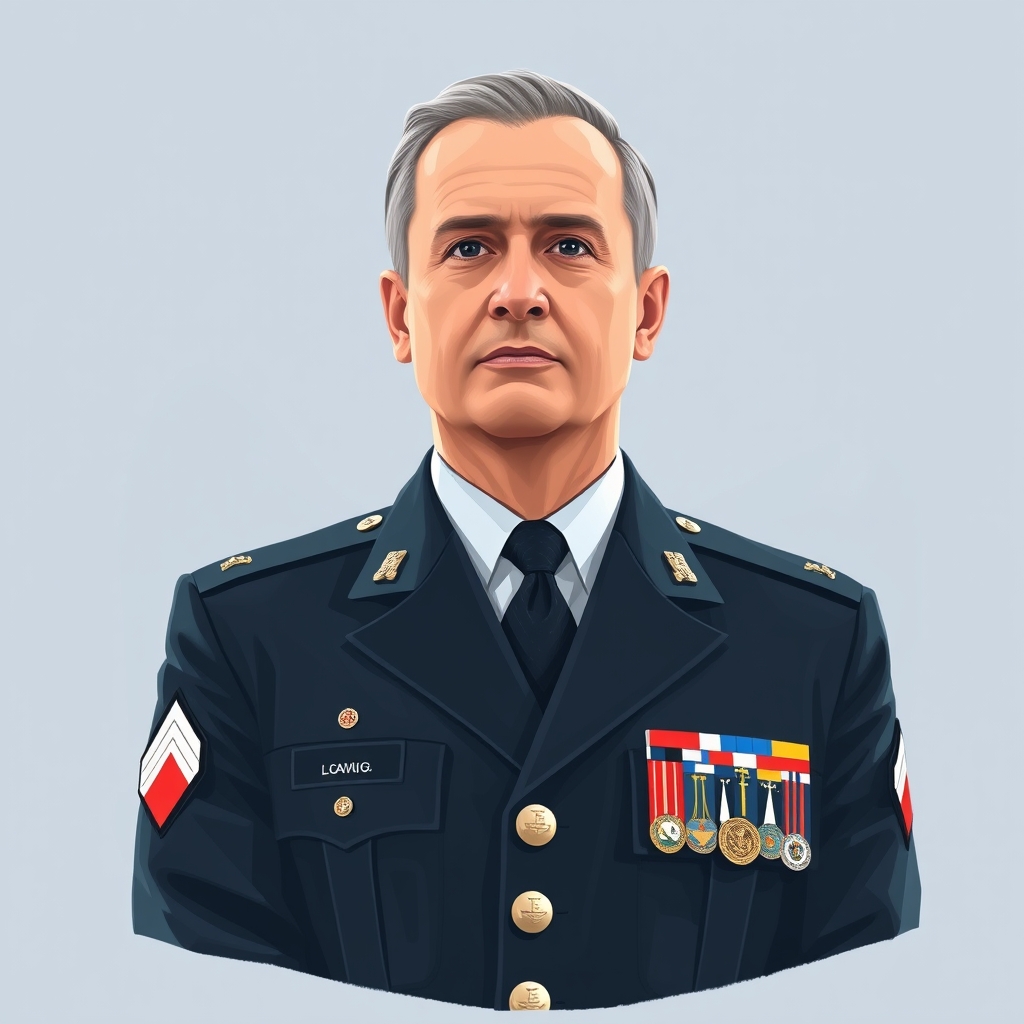
Major Jason Watson is an active-duty U.S.
Air Force officer who has publicly called for the impeachment of President Trump, including a protest on the steps of the U.S.
Capitol where he held a sign reading "Impeach, Convict, Remove." He was arrested during that protest and is now facing criminal charges under the Uniform Code of Military Justice (UCMJ).
His legal representation is provided by Monument Legal, with attorney Mutimer handling his case.
The charges against Watson stem from his criticism of President Trump, particularly regarding the Iran war.
He has been formally charged with 10 counts under the UCMJ, including violations of Article 88, a rarely used law that prohibits certain military personnel from using contemptuous words against the president.
His attorneys believe this is among the first times in U.S. military history that an officer of his rank has been charged under this article, raising questions about the limits of free speech within the military and the enforcement of such laws.
*AI-generated summary of publicly available data. This is not an official statement of any party.
*AI-generated summary of publicly available statements and reporting. This is not an official statement of this party.
Supporters of US military prosecutors argue that military discipline hinges on an unbroken chain of respect for civilian command, making public criticism of a president a cultural breach of the soldier’s oath.
Supporters of US military prosecutors argue that military culture demands unquestioning respect for the chain of command, viewing Major Watson’s public call for impeachment as a breach of the uniform’s core values.
Supporters of US military prosecutors counter that military culture honors the oath to the Constitution through order, not individual interpretation of civilian norms, and they argue that Watson’s dissent breached the professional standard that sustains the chain of command’s int.
Supporters of US military prosecutors argue the charges rest on lawful discipline: military law bars conduct prejudicial to order, and Watson's impeachment call breached that code.
Supporters of US military prosecutors argue that Article 88’s enforcement against Major Watson is legally valid, as the Uniform Code of Military Justice restricts political speech to preserve order and discipline.
Supporters of US military prosecutors argue that the First Amendment’s reach is narrower inside the ranks, where order and discipline trump civilian speech rights, and cite settled precedent limiting political expression by service members.
Supporters of US military prosecutors argue that Watson's charges are a calculated signal: in the military, loyalty to the commander-in-chief is operational currency, and tolerating public dissent weakens the chain of command.
Supporters of US military prosecutors argue that Major Jason Watson's case is about discipline, not speech; the law exists to preserve command authority, and enforcing it signals that no soldier's politics outweighs the chain of command's power.
Supporters of US military prosecutors counter that Major Watson's case is a test of institutional control, not loyalty; deterrence through visible punishment preserves unit cohesion and command authority, which any dissent—legal or not—threatens more than the charge itself.
Supporters of US military prosecutors argue that Major Watson's oath to uphold the chain of command imposes a moral duty to prioritize institutional discipline over personal political expression.
Supporters of US military prosecutors argue that Major Watson’s case reflects a moral duty to uphold lawful orders and unit cohesion, not political suppression; they contend that military discipline requires subordinating personal speech to operational integrity.
Supporters of US military prosecutors counter that the military’s moral duty is to uphold order and discipline, which are the bedrock of constitutional defense, and that political speech by service members must yield to that higher operational ethic.
Supporters of US military prosecutors argue that divine order mirrors earthly hierarchy, so reverence for the president as commander-in-chief upholds sacred oaths and unit cohesion.
Supporters of US military prosecutors argue that Major Jason Watson's prosecution upholds the sacred oath of military discipline, viewing the chain of command as a divine-ordained order that protects the nation.
Supporters of US military prosecutors counter that scripture also commands obedience to lawful authority, citing Romans 13:1-7, where governing institutions act as God’s ministers for order.
*AI-generated summary of publicly available statements and reporting. This is not an official statement of this party.
Supporters of Major Jason Watson argue that military discipline rests on respect for the chain of command, not on silencing lawful dissent within civilian constitutional norms.
Supporters of Major Jason Watson argue that military discipline preserves the cultural continuity of the armed forces, where respect for civilian command is a time-honored tradition.
Supporters of Major Jason Watson counter that the soldier’s oath binds to the Constitution, not to any single civilian, and that a culture of unquestioning deference erodes the very civic virtue the military defends.
Supporters of Major Jason Watson argue that military law cannot criminalize lawful political speech, and they point to the case as evidence that the rarely-used statute violates the First Amendment’s protections even within the ranks.
Supporters of Major Jason Watson argue the military code’s speech restriction is legally overbroad and unconstitutional, as it criminalizes political dissent without a clear national-security nexus, and they point to his impeachment call as protected civilian-style discourse that.
Supporters of Major Jason Watson counter that lawful discipline cannot criminalize protected political speech, as the First Amendment applies to service members absent a direct, proven threat to order.
Supporters of Major Jason Watson argue the charge is less about law and more about leverage, punishing dissent to deter others while masking a political loyalty test as discipline.
Supporters of Major Jason Watson argue the charge is pure power politics: military law is a lever, not a principle, wielded to silence dissent and deter others from testing authority.
Supporters of Major Jason Watson counter that the prosecution’s signal is a bluff, not a strategy—it exposes a fragile command that fears questions more than disloyalty.
Supporters of Major Jason Watson argue that punishing a soldier for peaceful political speech violates the moral duty of military service to defend constitutional freedoms, not undermine them.
Supporters of Major Jason Watson argue that punishing speech critical of a president undermines the moral duty of soldiers to uphold constitutional accountability, making such prosecutions a betrayal of the oath to defend the Constitution.
Supporters of Major Jason Watson counter that institutional discipline cannot override a higher moral duty to prevent unlawful orders, arguing that blind obedience to the chain of command risks complicity in injustice.
Supporters of Major Jason Watson argue that scripture calls the faithful to speak truth to power, citing Proverbs 31:8-9 as a divine duty to defend the voiceless, not silence dissent.
Supporters of Major Jason Watson argue that scripture commands respect for lawful authority, yet also warns against unjust laws that silence truth-tellers, pointing to his actions as a moral duty.
Supporters of Major Jason Watson counter that scripture commands obedience to God above earthly rulers, and that a sacred oath to the Constitution cannot be superseded by reverence for any human commander, as divine law holds no office infallible.
AI-generated summary of publicly available statements and reporting. This is not an official statement of this party.
Supporters of US military prosecutors argue that military discipline hinges on an unbroken chain of respect for civilian command, making public criticism of a president a cultural breach of the soldier’s oath.
Supporters of US military prosecutors argue that military culture demands unquestioning respect for the chain of command, viewing Major Watson’s public call for impeachment as a breach of the uniform’s core values.
Supporters of US military prosecutors counter that military culture honors the oath to the Constitution through order, not individual interpretation of civilian norms, and they argue that Watson’s dissent breached the professional standard that sustains the chain of command’s int.
Supporters of US military prosecutors argue the charges rest on lawful discipline: military law bars conduct prejudicial to order, and Watson's impeachment call breached that code.
Supporters of US military prosecutors argue that Article 88’s enforcement against Major Watson is legally valid, as the Uniform Code of Military Justice restricts political speech to preserve order and discipline.
Supporters of US military prosecutors argue that the First Amendment’s reach is narrower inside the ranks, where order and discipline trump civilian speech rights, and cite settled precedent limiting political expression by service members.
Supporters of US military prosecutors argue that Watson's charges are a calculated signal: in the military, loyalty to the commander-in-chief is operational currency, and tolerating public dissent weakens the chain of command.
Supporters of US military prosecutors argue that Major Jason Watson's case is about discipline, not speech; the law exists to preserve command authority, and enforcing it signals that no soldier's politics outweighs the chain of command's power.
Supporters of US military prosecutors counter that Major Watson's case is a test of institutional control, not loyalty; deterrence through visible punishment preserves unit cohesion and command authority, which any dissent—legal or not—threatens more than the charge itself.
Supporters of US military prosecutors argue that Major Watson's oath to uphold the chain of command imposes a moral duty to prioritize institutional discipline over personal political expression.
Supporters of US military prosecutors argue that Major Watson’s case reflects a moral duty to uphold lawful orders and unit cohesion, not political suppression; they contend that military discipline requires subordinating personal speech to operational integrity.
Supporters of US military prosecutors counter that the military’s moral duty is to uphold order and discipline, which are the bedrock of constitutional defense, and that political speech by service members must yield to that higher operational ethic.
Supporters of US military prosecutors argue that divine order mirrors earthly hierarchy, so reverence for the president as commander-in-chief upholds sacred oaths and unit cohesion.
Supporters of US military prosecutors argue that Major Jason Watson's prosecution upholds the sacred oath of military discipline, viewing the chain of command as a divine-ordained order that protects the nation.
Supporters of US military prosecutors counter that scripture also commands obedience to lawful authority, citing Romans 13:1-7, where governing institutions act as God’s ministers for order.
Supporters of Major Jason Watson argue that military discipline rests on respect for the chain of command, not on silencing lawful dissent within civilian constitutional norms.
Supporters of Major Jason Watson argue that military discipline preserves the cultural continuity of the armed forces, where respect for civilian command is a time-honored tradition.
Supporters of Major Jason Watson counter that the soldier’s oath binds to the Constitution, not to any single civilian, and that a culture of unquestioning deference erodes the very civic virtue the military defends.
Supporters of Major Jason Watson argue that military law cannot criminalize lawful political speech, and they point to the case as evidence that the rarely-used statute violates the First Amendment’s protections even within the ranks.
Supporters of Major Jason Watson argue the military code’s speech restriction is legally overbroad and unconstitutional, as it criminalizes political dissent without a clear national-security nexus, and they point to his impeachment call as protected civilian-style discourse that.
Supporters of Major Jason Watson counter that lawful discipline cannot criminalize protected political speech, as the First Amendment applies to service members absent a direct, proven threat to order.
Supporters of Major Jason Watson argue the charge is less about law and more about leverage, punishing dissent to deter others while masking a political loyalty test as discipline.
Supporters of Major Jason Watson argue the charge is pure power politics: military law is a lever, not a principle, wielded to silence dissent and deter others from testing authority.
Supporters of Major Jason Watson counter that the prosecution’s signal is a bluff, not a strategy—it exposes a fragile command that fears questions more than disloyalty.
Supporters of Major Jason Watson argue that punishing a soldier for peaceful political speech violates the moral duty of military service to defend constitutional freedoms, not undermine them.
Supporters of Major Jason Watson argue that punishing speech critical of a president undermines the moral duty of soldiers to uphold constitutional accountability, making such prosecutions a betrayal of the oath to defend the Constitution.
Supporters of Major Jason Watson counter that institutional discipline cannot override a higher moral duty to prevent unlawful orders, arguing that blind obedience to the chain of command risks complicity in injustice.
Supporters of Major Jason Watson argue that scripture calls the faithful to speak truth to power, citing Proverbs 31:8-9 as a divine duty to defend the voiceless, not silence dissent.
Supporters of Major Jason Watson argue that scripture commands respect for lawful authority, yet also warns against unjust laws that silence truth-tellers, pointing to his actions as a moral duty.
Supporters of Major Jason Watson counter that scripture commands obedience to God above earthly rulers, and that a sacred oath to the Constitution cannot be superseded by reverence for any human commander, as divine law holds no office infallible.
Major Jason Watson faces charges under rarely-used military law prohibiting criticism of the US president.
Monument Legal announced that it would represent Air Force Major Jason P. Watson, who was arrested on Capitol steps after publicly calling for impeachment.
The Air Force confirmed that Major Watson was formally charged with 10 counts under the Uniform Code of Military Justice, including charges related to his criticism of President Trump.