US military

VS
Iranian forces
The United States military is the armed forces of the United States, comprising the Army, Navy, Air Force, Marine Corps, Space Force, and Coast Guard, and is characterized by large defense spending and global power projection capabilities.
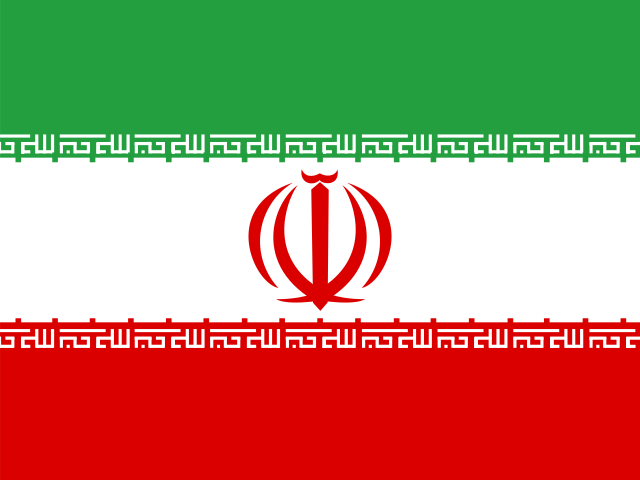
Iranian forces include the Islamic Republic of Iran Armed Forces and the Islamic Revolutionary Guard Corps (IRGC), a parallel military force that is highly institutionalized alongside Iran's regular armed forces.
Tensions between Washington and Tehran have renewed focus on the vast differences in military size, spending, and capability between the two countries.
Reports claiming that Iranian forces struck US warships have circulated, and the US military has denied these reports, amid heightened tensions between the two sides.
The disparity in military strength means that in a direct confrontation, Iran could face significant defensive challenges, while US naval and air defense systems would aim to intercept incoming missiles.
The human and financial costs of sustained US military power have also been highlighted, with reports of service members wounded and killed and direct war costs.
*AI-generated summary of publicly available data. This is not an official statement of any party.
*AI-generated summary of publicly available statements and reporting. This is not an official statement of this party.
Supporters of the US military argue its denial protects American credibility and unit morale, maintaining that accepting unverified strike claims would erode public trust in the armed forces.
Supporters of the US military argue its denial protects force credibility and unit identity, maintaining that accepting false strike claims would undermine the cultural trust troops place in official accounts.
Supporters of US military counter that dismissing regional accounts cuts both ways, since Tehran's claims have often served its own narrative rather than verifiable fact.
Supporters of the US military argue that its official denial carries legal weight, treating the statement as authoritative evidence that no Iranian strike occurred and rejecting unverified reports as insufficient proof.
Supporters of the US military argue the denial is a lawful exercise of command authority, asserting that only verified operational reporting can confirm an attack on its warships.
Supporters of US military counter that under the Law of Armed Conflict, operational necessity permits withholding sensitive targeting data, so the absence of public proof does not render the strike unverified.
Supporters of the US military argue the denial is a calculated signal: admitting a strike would hand Iran a propaganda win and invite escalation, so controlling the narrative preserves deterrence.
Supporters of the US military argue the denial protects deterrence: admitting an Iranian strike would signal vulnerability and invite more probes, so controlling the narrative is itself leverage.
Supporters of the US military counter that downplaying a strike is not weakness but leverage: denying Tehran the escalation it craves keeps the war on Washington's terms, not Iran's.
Supporters of the US military argue its denial reflects a moral duty to protect personnel and prevent escalation, maintaining that false strike reports risk pushing the region toward war and ecological harm.
Supporters of the US military argue that falsely attributing strikes to Iranian forces risks escalation, making honest denial a moral duty to protect lives and prevent ecological harm from war.
Supporters of the US military counter that withholding battlefield details protects troops' lives, so the moral duty to shield service members outweighs the public's demand for immediate disclosure of operational facts.
Supporters of the US military invoke the Ninth Commandment, arguing that bearing false witness is a sin, and cite the official denial as a truthful account against unverified reports of Iranian strikes.
Supporters of the US military invoke the Ninth Commandment against bearing false witness, arguing that the denial upholds truth-telling and that unverified strike claims risk provoking a war neither faith nor prudence justifies.
Supporters of the US military counter that America's own faith tradition—trusting a sovereign God over earthly powers—undergirds its resolve, and they reject the claim that religious conviction belongs to one side alone.
*AI-generated summary of publicly available statements and reporting. This is not an official statement of this party.
Supporters of Iranian forces argue that US denials echo a long history of Gulf incidents where Washington minimized or disputed attacks, part of a cultural pattern of dismissing regional accounts.
Supporters of Iranian forces argue the US denial fits a long pattern of dismissing claims that challenge its narrative, and they maintain that in this region's history, official denials often precede later admissions.
Supporters of Iranian forces counter that credibility is cultural: a force seen as bowing to US pressure loses standing at home, so denying unverified claims preserves the revolutionary honor their base expects.
Supporters of Iranian forces argue that the US denial lacks independent legal verification, and that without transparent evidence, the claim of no strike remains unproven under international law.
Supporters of Iranian forces argue the US denial is legally evasive, since no neutral body verified the claim, leaving Iran's right to self-defense under international law unaddressed.
Supporters of Iranian forces counter that an official denial is a self-interested statement, not evidence, and under evidentiary principles a party's own account cannot settle contested facts without independent corroboration.
Supporters of Iranian forces argue the US denial is itself the tell: a superpower downplays a hit to save face and avoid being dragged into a wider war it cannot afford.
Supporters of Iranian forces argue the US denial is itself the tell: a superpower that truly repelled an attack advertises it, while silence signals a strike it cannot afford to admit.
Supporters of Iranian forces counter that deterrence cut both ways: if Washington can quietly strike and deny it, Tehran can do the same, and the ambiguity the US claims preserves leverage equally licenses Iranian retaliation without attribution.
Supporters of Iranian forces argue that Washington's flat denial, issued without public evidence, cannot be trusted on its own, and they maintain that a party with a record of withholding battlefield facts should not be the sole judge of what happened.
Supporters of Iranian forces argue that US denials of strikes on its warships lack credibility, pointing to the absence of independent verification and past disputed accounts as reason for skepticism.
Supporters of Iranian forces counter that this moral duty rings hollow when the US has itself struck first and concealed casualties, arguing that selective honesty about strikes is a pretext for impunity, not protection.
Supporters of Iranian forces argue that the US denial itself signals weakness, and they maintain that religious conviction and martyrdom give the Islamic Republic a resolve the US cannot match.
Supporters of Iranian forces argue that the US denial cannot be trusted, since the Islamic Republic's struggle against foreign domination is rooted in a religious duty to resist, and they maintain that official US statements often conceal the truth.
Supporters of Iranian forces counter that the Ninth Commandment also condemns official denials that mislead nations into war, and that religious authority holds states accountable for bearing false witness, not merely individuals.
AI-generated summary of publicly available statements and reporting. This is not an official statement of this party.
Supporters of the US military argue its denial protects American credibility and unit morale, maintaining that accepting unverified strike claims would erode public trust in the armed forces.
Supporters of the US military argue its denial protects force credibility and unit identity, maintaining that accepting false strike claims would undermine the cultural trust troops place in official accounts.
Supporters of US military counter that dismissing regional accounts cuts both ways, since Tehran's claims have often served its own narrative rather than verifiable fact.
Supporters of the US military argue that its official denial carries legal weight, treating the statement as authoritative evidence that no Iranian strike occurred and rejecting unverified reports as insufficient proof.
Supporters of the US military argue the denial is a lawful exercise of command authority, asserting that only verified operational reporting can confirm an attack on its warships.
Supporters of US military counter that under the Law of Armed Conflict, operational necessity permits withholding sensitive targeting data, so the absence of public proof does not render the strike unverified.
Supporters of the US military argue the denial is a calculated signal: admitting a strike would hand Iran a propaganda win and invite escalation, so controlling the narrative preserves deterrence.
Supporters of the US military argue the denial protects deterrence: admitting an Iranian strike would signal vulnerability and invite more probes, so controlling the narrative is itself leverage.
Supporters of the US military counter that downplaying a strike is not weakness but leverage: denying Tehran the escalation it craves keeps the war on Washington's terms, not Iran's.
Supporters of the US military argue its denial reflects a moral duty to protect personnel and prevent escalation, maintaining that false strike reports risk pushing the region toward war and ecological harm.
Supporters of the US military argue that falsely attributing strikes to Iranian forces risks escalation, making honest denial a moral duty to protect lives and prevent ecological harm from war.
Supporters of the US military counter that withholding battlefield details protects troops' lives, so the moral duty to shield service members outweighs the public's demand for immediate disclosure of operational facts.
Supporters of the US military invoke the Ninth Commandment, arguing that bearing false witness is a sin, and cite the official denial as a truthful account against unverified reports of Iranian strikes.
Supporters of the US military invoke the Ninth Commandment against bearing false witness, arguing that the denial upholds truth-telling and that unverified strike claims risk provoking a war neither faith nor prudence justifies.
Supporters of the US military counter that America's own faith tradition—trusting a sovereign God over earthly powers—undergirds its resolve, and they reject the claim that religious conviction belongs to one side alone.
Supporters of Iranian forces argue that US denials echo a long history of Gulf incidents where Washington minimized or disputed attacks, part of a cultural pattern of dismissing regional accounts.
Supporters of Iranian forces argue the US denial fits a long pattern of dismissing claims that challenge its narrative, and they maintain that in this region's history, official denials often precede later admissions.
Supporters of Iranian forces counter that credibility is cultural: a force seen as bowing to US pressure loses standing at home, so denying unverified claims preserves the revolutionary honor their base expects.
Supporters of Iranian forces argue that the US denial lacks independent legal verification, and that without transparent evidence, the claim of no strike remains unproven under international law.
Supporters of Iranian forces argue the US denial is legally evasive, since no neutral body verified the claim, leaving Iran's right to self-defense under international law unaddressed.
Supporters of Iranian forces counter that an official denial is a self-interested statement, not evidence, and under evidentiary principles a party's own account cannot settle contested facts without independent corroboration.
Supporters of Iranian forces argue the US denial is itself the tell: a superpower downplays a hit to save face and avoid being dragged into a wider war it cannot afford.
Supporters of Iranian forces argue the US denial is itself the tell: a superpower that truly repelled an attack advertises it, while silence signals a strike it cannot afford to admit.
Supporters of Iranian forces counter that deterrence cut both ways: if Washington can quietly strike and deny it, Tehran can do the same, and the ambiguity the US claims preserves leverage equally licenses Iranian retaliation without attribution.
Supporters of Iranian forces argue that Washington's flat denial, issued without public evidence, cannot be trusted on its own, and they maintain that a party with a record of withholding battlefield facts should not be the sole judge of what happened.
Supporters of Iranian forces argue that US denials of strikes on its warships lack credibility, pointing to the absence of independent verification and past disputed accounts as reason for skepticism.
Supporters of Iranian forces counter that this moral duty rings hollow when the US has itself struck first and concealed casualties, arguing that selective honesty about strikes is a pretext for impunity, not protection.
Supporters of Iranian forces argue that the US denial itself signals weakness, and they maintain that religious conviction and martyrdom give the Islamic Republic a resolve the US cannot match.
Supporters of Iranian forces argue that the US denial cannot be trusted, since the Islamic Republic's struggle against foreign domination is rooted in a religious duty to resist, and they maintain that official US statements often conceal the truth.
Supporters of Iranian forces counter that the Ninth Commandment also condemns official denials that mislead nations into war, and that religious authority holds states accountable for bearing false witness, not merely individuals.
The US says it destroyed an Iran-affiliated boat in the Gulf of Oman, accusing it of conducting surveillance.
The photos, provided by active military personnel, show a severed radar jet, flattened trailers and severely damaged buildings as a result of Iranian strikes.
US military denies reports of Iranian strikes on its warships