US military

VS
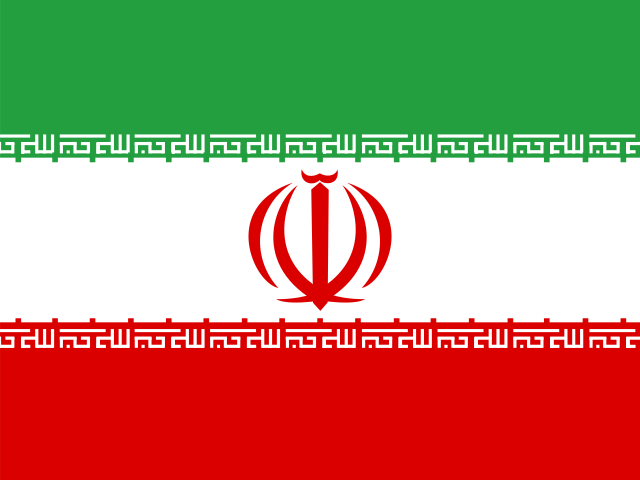
Iranian government
The United States military is the armed forces of the United States, described in comparative military assessments as fielding the world's most technologically advanced forces with global reach.
The Iranian government is the governing authority of the Islamic Republic of Iran, whose armed forces rely on missiles, regional naval assets, and other asymmetric capabilities, according to military comparisons.
The two sides have conflicting interests rooted in decades of adversarial relations.
On February 28, 2026, Israel and the United States launched a joint attack on various sites in Iran, beginning a war between the three countries, according to Wikipedia's account of Iran–United States relations.
This conflict forms the backdrop to US military operations in Iranian territory, including the recovery of American airmen.
Comparative assessments place the United States far ahead in conventional military strength, with one source noting that as of January 2020 the United States possessed an overwhelming advantage in conventional military capabilities in the Persian Gulf.
Iran's forces, by contrast, emphasize missiles and regional naval assets rather than matching US conventional power directly.
*AI-generated summary of publicly available data. This is not an official statement of any party.
*AI-generated summary of publicly available statements and reporting. This is not an official statement of this party.
Supporters of the US military argue that the recovery operation near Isfahan reflects a cultural commitment to leaving no American behind, honoring the armed forces' bond of sacrifice.
Supporters of the US military argue the Isfahan recovery reflects a cultural duty to never abandon American service members, framing the mission as honoring that bond regardless of sovereignty concerns.
Supporters of US military counter that Persian cultural pride in sovereignty is precisely why the mission targets nuclear sites, arguing that a nuclear-armed Iran would erode that heritage by inviting regional domination.
Supporters of US military argue the Isfahan recovery mission was legally justified as protecting US personnel under international law, pointing to declassified footage as evidence of a limited, lawful operation.
Supporters of the US military argue the Isfahan recovery mission was legally justified as a protective rescue of downed American airmen, invoking self-defense and status-of-forces principles.
Supporters of the US military counter that collective self-defense under Article 51 can justify operations absent host-state consent when forces face imminent threats, so the sovereignty claim isn't legally decisive.
Supporters of the US military argue the Isfahan recovery shows power projection: they contend a state that retrieves its airmen, whatever the cost, signals resolve that deters Iran and reassures allies.
Supporters of the US military argue that recovering downed airmen near Isfahan projects resolve and credibility, signaling to Iran that no cost deters American will.
Supporters of the US military counter that Tehran's leverage framing is itself the tactic: treating every incursion as proof of bad faith lets Iran demand concessions before talks, so Washington signals capability precisely to force negotiation on terms it controls.
Supporters of the US military argue that recovering downed airmen near Isfahan honors a sacred duty to leave no one behind, a moral obligation they see as outweighing the mission's cost.
Supporters of the US military argue that recovering downed airmen near Isfahan fulfills a sacred moral duty to leave no one behind, honoring the scriptural call to protect the innocent and defend the vulnerable.
Supporters of the US military counter that the Isfahan recovery mission honored a higher moral duty to rescue endangered personnel, and that sovereignty claims cannot override the obligation to protect life.
Supporters of the US military argue that recovering fallen airmen reflects a sacred duty to honor those who serve, a moral obligation they say transcends politics and justifies the mission near Isfahan.
Supporters of the US military argue the Isfahan recovery mission reflects a moral duty to retrieve fallen service members, a tradition they hold sacred and grounded in the belief that no one is left behind.
Supporters of the US military counter that religious sovereignty claims cannot shield a government that exports terror; they argue just war tradition permits force to protect the innocent when a regime threatens neighbors.
*AI-generated summary of publicly available statements and reporting. This is not an official statement of this party.
Supporters of the Iranian government argue that visible US boots on Iranian soil near Isfahan violate national sovereignty and revive painful memories of foreign intervention, reinforcing a cultural commitment to independence and territorial integrity.
Supporters of the Iranian government argue that foreign boots on Iranian soil near Isfahan violate national sovereignty and inherited norms of territorial respect, treating such incursions as a cultural affront to Iran's long-guarded independence.
Supporters of the Iranian government counter that valorizing a rescue mission near Isfahan ignores how such operations double as sovereignty violations, since cultural bonds of sacrifice do not license foreign military presence.
Supporters of the Iranian government argue that US military presence near Isfahan violated Iranian sovereignty under international law, since no consent was given. They maintain that territorial integrity binds all states, regardless of the mission's stated purpose.
Supporters of the Iranian government argue the Isfahan recovery operation violated Iran's sovereignty under international law, and they maintain that any foreign military presence on Iranian soil without consent constitutes an unlawful act of aggression.
Supporters of Iranian government counter that the US had no legal standing absent Security Council authorization or consent, so the footage cannot establish lawful entry into Iranian territory.
Supporters of the Iranian government argue the Isfahan recovery proves US boots routinely breach Iranian sovereignty at will, so Tehran reads any negotiation as leverage extraction, not goodwill.
Supporters of the Iranian government argue the Isfahan raid exposes US claims of restraint as theater, proving Washington acts unilaterally inside Iran when its interests demand it.
Supporters of Iranian government counter that the Isfahan recovery actually signals US vulnerability: a costly, drawn-out retrieval exposes American sensitivity to casualties, which Tehran reads as leverage, not deterrence.
Supporters of Iranian government argue that the Isfahan recovery mission shows US disregard for Iranian sovereignty, and they contend that any foreign military presence on Iranian soil violates the moral principle of self-determination.
Supporters of the Iranian government argue that America's covert recovery mission near Isfahan proves Washington violates national sovereignty at will, and they maintain no moral authority justifies such undeclared intrusion into another nation's territory.
Supporters of the Iranian government counter that a foreign military's rescue near Isfahan violates sovereignty, and that no moral duty to its own airmen justifies violating another nation's territory.
Supporters of the Iranian government argue that the Isfahan incursion violates Islamic sovereignty, maintaining that God alone grants dominion over nations and no foreign force may trespass on Muslim soil.
Supporters of the Iranian government argue that foreign boots on Iranian soil violate the sovereignty God entrusted to the nation, and cite scripture that a people's land is a divine trust no outside power may seize.
Supporters of the Iranian government counter that the sacred duty to honor the fallen belongs to God alone, and that scripture forbids foreign forces from trespassing on a nation's soil to reclaim its dead.
AI-generated summary of publicly available statements and reporting. This is not an official statement of this party.
Supporters of the US military argue that the recovery operation near Isfahan reflects a cultural commitment to leaving no American behind, honoring the armed forces' bond of sacrifice.
Supporters of the US military argue the Isfahan recovery reflects a cultural duty to never abandon American service members, framing the mission as honoring that bond regardless of sovereignty concerns.
Supporters of US military counter that Persian cultural pride in sovereignty is precisely why the mission targets nuclear sites, arguing that a nuclear-armed Iran would erode that heritage by inviting regional domination.
Supporters of US military argue the Isfahan recovery mission was legally justified as protecting US personnel under international law, pointing to declassified footage as evidence of a limited, lawful operation.
Supporters of the US military argue the Isfahan recovery mission was legally justified as a protective rescue of downed American airmen, invoking self-defense and status-of-forces principles.
Supporters of the US military counter that collective self-defense under Article 51 can justify operations absent host-state consent when forces face imminent threats, so the sovereignty claim isn't legally decisive.
Supporters of the US military argue the Isfahan recovery shows power projection: they contend a state that retrieves its airmen, whatever the cost, signals resolve that deters Iran and reassures allies.
Supporters of the US military argue that recovering downed airmen near Isfahan projects resolve and credibility, signaling to Iran that no cost deters American will.
Supporters of the US military counter that Tehran's leverage framing is itself the tactic: treating every incursion as proof of bad faith lets Iran demand concessions before talks, so Washington signals capability precisely to force negotiation on terms it controls.
Supporters of the US military argue that recovering downed airmen near Isfahan honors a sacred duty to leave no one behind, a moral obligation they see as outweighing the mission's cost.
Supporters of the US military argue that recovering downed airmen near Isfahan fulfills a sacred moral duty to leave no one behind, honoring the scriptural call to protect the innocent and defend the vulnerable.
Supporters of the US military counter that the Isfahan recovery mission honored a higher moral duty to rescue endangered personnel, and that sovereignty claims cannot override the obligation to protect life.
Supporters of the US military argue that recovering fallen airmen reflects a sacred duty to honor those who serve, a moral obligation they say transcends politics and justifies the mission near Isfahan.
Supporters of the US military argue the Isfahan recovery mission reflects a moral duty to retrieve fallen service members, a tradition they hold sacred and grounded in the belief that no one is left behind.
Supporters of the US military counter that religious sovereignty claims cannot shield a government that exports terror; they argue just war tradition permits force to protect the innocent when a regime threatens neighbors.
Supporters of the Iranian government argue that visible US boots on Iranian soil near Isfahan violate national sovereignty and revive painful memories of foreign intervention, reinforcing a cultural commitment to independence and territorial integrity.
Supporters of the Iranian government argue that foreign boots on Iranian soil near Isfahan violate national sovereignty and inherited norms of territorial respect, treating such incursions as a cultural affront to Iran's long-guarded independence.
Supporters of the Iranian government counter that valorizing a rescue mission near Isfahan ignores how such operations double as sovereignty violations, since cultural bonds of sacrifice do not license foreign military presence.
Supporters of the Iranian government argue that US military presence near Isfahan violated Iranian sovereignty under international law, since no consent was given. They maintain that territorial integrity binds all states, regardless of the mission's stated purpose.
Supporters of the Iranian government argue the Isfahan recovery operation violated Iran's sovereignty under international law, and they maintain that any foreign military presence on Iranian soil without consent constitutes an unlawful act of aggression.
Supporters of Iranian government counter that the US had no legal standing absent Security Council authorization or consent, so the footage cannot establish lawful entry into Iranian territory.
Supporters of the Iranian government argue the Isfahan recovery proves US boots routinely breach Iranian sovereignty at will, so Tehran reads any negotiation as leverage extraction, not goodwill.
Supporters of the Iranian government argue the Isfahan raid exposes US claims of restraint as theater, proving Washington acts unilaterally inside Iran when its interests demand it.
Supporters of Iranian government counter that the Isfahan recovery actually signals US vulnerability: a costly, drawn-out retrieval exposes American sensitivity to casualties, which Tehran reads as leverage, not deterrence.
Supporters of Iranian government argue that the Isfahan recovery mission shows US disregard for Iranian sovereignty, and they contend that any foreign military presence on Iranian soil violates the moral principle of self-determination.
Supporters of the Iranian government argue that America's covert recovery mission near Isfahan proves Washington violates national sovereignty at will, and they maintain no moral authority justifies such undeclared intrusion into another nation's territory.
Supporters of the Iranian government counter that a foreign military's rescue near Isfahan violates sovereignty, and that no moral duty to its own airmen justifies violating another nation's territory.
Supporters of the Iranian government argue that the Isfahan incursion violates Islamic sovereignty, maintaining that God alone grants dominion over nations and no foreign force may trespass on Muslim soil.
Supporters of the Iranian government argue that foreign boots on Iranian soil violate the sovereignty God entrusted to the nation, and cite scripture that a people's land is a divine trust no outside power may seize.
Supporters of the Iranian government counter that the sacred duty to honor the fallen belongs to God alone, and that scripture forbids foreign forces from trespassing on a nation's soil to reclaim its dead.
US operation to recover two American airmen shot down near Isfahan, as revealed by declassified footage.
On February 28, 2026, Israel and the United States launched a joint attack on various sites in Iran, beginning a war between the three countries.